Autistic Masking on Camera: How to Drop It Safely
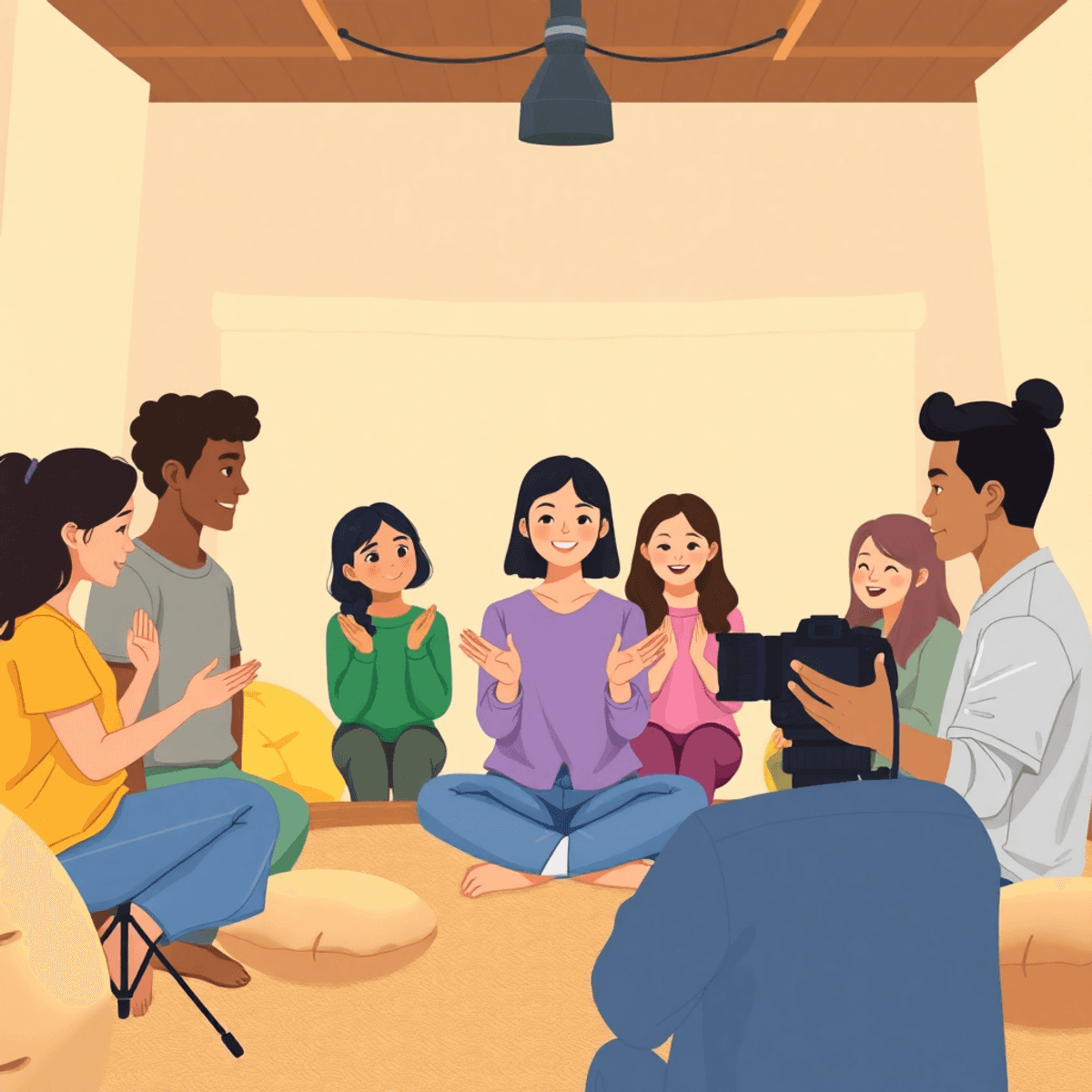
Autistic masking refers to the conscious or unconscious effort by autistic individuals to hide or suppress their natural behaviors and expressions. This practice often serves as a coping mechanism to navigate social environments that may feel unwelcoming or challenging. Masking can involve imitating neurotypical mannerisms, controlling sensory reactions, or downplaying personal traits that might attract unwanted attention.
The topic of autistic masking becomes especially relevant when considering the experience of being on camera. Cameras capture moments with permanence, creating a unique pressure for authenticity or performance. For many autistic individuals, presenting themselves authentically while being recorded or photographed can be daunting. This dynamic is particularly significant in empowering settings like boudoir photography, where self-expression and vulnerability are central.
This article aims to guide autistic individuals on how to safely drop their autistic mask on camera. It will focus on prioritizing emotional safety and fostering genuine self-expression. You will find practical advice and insights designed to support your journey toward on camera authenticity—embracing neurodivergence without compromise.
Understanding Autistic Masking
Autistic masking, also known as autistic camouflaging, refers to the conscious or unconscious efforts autistic individuals make to suppress or hide their natural behaviors. This social survival strategy helps navigate environments where neurotypical norms dominate and can feel overwhelming or unwelcoming.
What Masking Entails
Masking involves altering or covering up behaviors that might be perceived as different or socially unacceptable. These behaviors can include:
- Suppressing stimming (repetitive movements or sounds that provide comfort)
- Controlling facial expressions and gestures
- Modifying tone of voice, pace of speech, or vocabulary to match expectations
- Mimicking social cues such as eye contact, smiling, or nodding at appropriate times
Masking is often a complex blend of conscious decisions and automatic responses developed over time as a way to blend in with others.
Why Autistic Individuals Mask
The reasons behind masking are rooted in the desire for connection and safety:
- Fitting in: Many autistic people want to be accepted by peers, colleagues, and society at large. Adapting behaviors to align with neurotypical norms can feel necessary to avoid standing out.
- Avoiding negative consequences: Masking helps prevent bullying, ostracization, discrimination, or misunderstanding. It can serve as a protective shield against judgment or exclusion.
- Meeting expectations: Social situations often come with unspoken rules. Masking assists in navigating these by appearing "typical," even when it feels unnatural or exhausting.
Common Behaviors Involved in Masking
You might notice some autistic individuals consciously imitate neurotypical mannerisms to appear more socially fluent:
- Practicing scripted conversations to reduce anxiety during interactions
- Forcing eye contact despite discomfort
- Adopting gestures seen in others to signal understanding or agreement
- Hiding sensory sensitivities by suppressing reactions to noise, light, or touch
This imitation supports blending but can create internal conflict between authentic self-expression and external presentation.
Masking serves as a coping mechanism but comes at an emotional cost.
The Impact of Masking on Mental and Emotional Health
Masking requires constant vigilance. You expend a significant amount of social battery—the finite energy available for social interaction—when suppressing your natural behaviors to appear neurotypical. This effort results in mental fatigue that accumulates over time, leaving you feeling drained after social situations, especially those involving prolonged interaction or heightened sensory input.
Signs of Prolonged Masking
Signs of prolonged masking show up in various ways:
- Increased anxiety: The stress of maintaining a mask can cause persistent worry about being judged or misunderstood.
- Heightened sensory sensitivity: Masking often involves ignoring or downplaying sensory discomfort, which can later intensify and overwhelm you.
- Shutdowns: When overstimulated, your brain may temporarily "shut down" to protect itself, leading to withdrawal, reduced responsiveness, or difficulty communicating.
- Meltdowns: These intense emotional reactions result from an overload of stress and sensory input, often expressed through crying, yelling, or physical agitation.
The cumulative effect of these symptoms is commonly referred to as autistic burnout. Burnout manifests as exhaustion that goes beyond normal tiredness; it affects your ability to function in daily life and can last days, weeks, or even longer.
Long-Term Risks of Masking
Long-term masking carries deeper risks:
- Identity confusion: Constantly hiding your authentic self disrupts self-understanding and self-acceptance. You may lose track of your true preferences, feelings, and personality traits.
- Increased mental health challenges: Depression, chronic anxiety, and low self-esteem frequently accompany extended masking. The dissonance between how you feel internally and what you present externally creates emotional strain.
Recognition of these impacts is crucial when exploring the possibility of dropping the mask. Respecting your limits while fostering environments that reduce the need for masking supports mental well-being and encourages authentic self-expression without overwhelming consequences.
Challenges Specific to Dropping the Mask on Camera
Dropping the autistic mask on camera introduces distinct challenges tied to vulnerability on camera, sensory sensitivities, and privacy concerns. Being recorded or photographed captures moments that feel permanent, intensifying the emotional stakes for autistic individuals who are navigating authenticity.
Unique Pressures of Being Recorded or Photographed
- The presence of a camera creates a heightened awareness of being observed, which can trigger anxiety or self-monitoring behaviors.
- Expressing genuine emotions or behaviors without the protective layer of masking may feel exposing or risky.
- The duality between wanting to be seen authentically and fearing judgment can cause internal conflict during a session.
- Knowing that images could be shared publicly adds pressure to perform or present in a controlled way, tempting one to revert to masking habits.
Sensory Input During a Photo Session
Sensory sensitivities common among autistic people affect comfort levels in photography settings:
- Bright studio lights, flashes, and unfamiliar sounds may overwhelm sensory processing.
- Physical sensations such as tight clothing, makeup application, or temperature fluctuations can cause discomfort.
- Prolonged poses or sitting still under direction might increase physical tension or restlessness.
- Unexpected tactile contact (e.g., adjusting hair or clothing) may feel intrusive if not communicated beforehand.
Photographers who understand these needs can help by:
- Offering breaks and flexible pacing tailored to individual sensory tolerance.
- Allowing clients to bring comforting items or choose preferred clothing textures.
- Using softer lighting alternatives and minimizing sudden noises.
Privacy Concerns and Control over Images
Revealing your authentic self means entrusting others with intimate visual representations. Privacy becomes paramount:
- Fear of misuse or unwanted sharing of images can inhibit openness.
- Control over how photos are edited, displayed, or distributed directly impacts emotional safety.
- Anxiety about future implications—such as social repercussions from revealing autism-related traits—may discourage unmasking on camera.
Clear agreements about image rights and usage build trust between client and photographer. Being able to review images before any public sharing provides reassurance.
“Allowing yourself to be truly seen is an immense act of courage. When you know your boundaries are respected and your comfort prioritized, dropping the mask on camera becomes a safer exploration rather than a stressful exposure.”
Understanding these challenges lays the groundwork for creating environments where autistic individuals feel empowered to express their true selves during photography sessions.
Creating a Safe Environment for Authentic Expression in Photography Sessions
When it comes to dropping the autistic mask on camera, safe space photography becomes essential. Choosing a photographer or studio that practices radical inclusivity lays the groundwork for genuine self-expression and emotional safety. Studios like mIsFiTs Like ME embody this approach, welcoming LGBTQIA+ clients, kink communities, and sex workers with open arms. This inclusive mindset helps create an environment where you can feel seen and respected beyond societal norms.
Why Inclusive Photographers Matter
An understanding photographer recognizes that every client arrives with unique boundaries, sensory needs, and comfort levels. You want to work with someone who not only respects these differences but actively adapts their process to accommodate them. A photographer experienced in working with neurodivergent clients will:
- Allow extra time for breaks or calming moments during the session
- Keep lighting and sounds adjustable to reduce sensory overwhelm
- Offer control over poses and expressions without pressure to conform
- Maintain clear privacy agreements respecting your image rights and consent
This kind of flexibility fosters trust, making it easier for you to relax and let your authentic self emerge naturally.
Strategies for Accommodating Preferences and Boundaries
Photographers can implement several practical strategies to honor your needs throughout the shoot:
- Pre-session consultations: Discuss what makes you comfortable or uncomfortable ahead of time. Share any sensory triggers or preferred communication styles.
- Clear boundary setting: Use questionnaires or verbal check-ins to establish limits around touch, posing, and clothing changes.
- Open-door policy: Encourage ongoing feedback during the session so adjustments happen in real time.
- Sensory-friendly setups: Dim lights or use soft music if helpful; provide weighted blankets or fidget tools as needed.
These steps reduce anxiety associated with unpredictability while empowering you to maintain control over your experience.
Open Communication as a Cornerstone
Keeping communication channels open between you and the photographer is crucial for preserving client comfort. Before the camera starts clicking, outline your emotional state, energy levels, or any concerns about revealing vulnerability on film. Throughout the shoot, feel free to pause or express discomfort without fear of judgment.
"Having a voice during my session made all the difference—I could say when I needed a break or when something felt off." – Neurodivergent client testimonial
This ongoing dialogue ensures that your boundaries remain intact and that authenticity is captured on your terms. When you know your feelings are respected, unmasking becomes less daunting and more liberating.
Creating a safe environment tailored specifically for autistic clients transforms photography from a potentially stressful event into an empowering act of self-expression. It invites you to explore identity beyond masking with dignity, care, and support.
Practical Steps for Safely Dropping the Mask on Camera
Dropping the autistic mask on camera is a delicate process that benefits from gradual unmasking techniques. This approach allows you to maintain control over your experience, reducing stress while fostering genuine self-expression.
Start Small with Authentic Expressions
- Begin by incorporating natural facial expressions rather than forcing broad smiles or scripted poses.
- Introduce subtle stimming behaviors, like gentle hand movements or rocking, if these help you feel more grounded and authentic.
- Experiment with small gestures or postures that feel safe before progressing to more overt displays of your true self.
This step-by-step exposure helps you build comfort with being seen authentically without overwhelming your social energy reserves.
Develop Clear Communication Skills
- Practice articulating your needs and boundaries before the session. Let your photographer know about sensory sensitivities, preferred pacing, or any triggers.
- During the shoot, use simple signals or phrases to communicate when you need breaks or adjustments. This proactive communication preserves your emotional and social energy.
- Consider preparing a written list of preferences or a brief “comfort guide” to share with your photographer beforehand. This reduces real-time pressure to explain yourself fully during the session.
Effective communication creates a collaborative environment where your safety and comfort are prioritized.
Employ Coping Strategies to Manage Overwhelm
- Plan for scheduled breaks during the photo session to rest and recalibrate.
- Use calming techniques that work best for you, such as deep breathing exercises, fidget tools, or listening to soothing sounds through discreet headphones.
- Have a trusted support person available if possible, someone who understands your needs and can assist if emotional overwhelm occurs.
These coping methods make it easier to navigate moments of sensory overload or anxiety without reverting immediately to masking behaviors.
Embracing gradual unmasking paired with strong self-awareness and open communication equips you with practical tools to reveal your authentic self safely in front of the camera.
The Role of Support Systems in the Unmasking Journey
Dropping the autistic mask on camera can feel daunting, yet you don’t have to navigate it alone. Support systems play a crucial role in building your confidence and reinforcing your authentic self-expression.
Professional Support: Autism Therapy and Social Skills Groups
- Autism therapy support offers tailored guidance to help you understand your masking habits and develop strategies for expressing your true self safely. Therapists trained in autism can assist in recognizing triggers that lead to masking and teach coping skills to manage anxiety related to social interactions or being on camera.
- Social skills groups create a structured environment where you can practice communication and social interaction without judgment. These groups often focus on building self-awareness and emotional regulation, which are essential when learning to disclose your authentic identity, especially in vulnerable situations like photography sessions.
- Working with professionals can provide tools for clear communication of boundaries and needs during photo shoots. This support helps preserve social energy by reducing uncertainty about how much authenticity feels safe to reveal at any given moment.
Peer Encouragement from Neurodivergent Communities
- Engaging with neurodivergent communities offers shared understanding that is often missing in neurotypical spaces. Peers who have experience with masking provide valuable insights into the emotional landscape of unmasking.
- Peer support fosters a sense of belonging and validation, making it easier to explore identity beyond masking. You can exchange stories about personal challenges and successes, gaining encouragement that reinforces your journey toward authenticity.
- Being part of a community that celebrates neurodiversity reduces feelings of isolation associated with masking. It also creates opportunities for practicing unmasked interactions in safe, accepting environments before stepping into more public or recorded settings.
Combining Both Approaches
Incorporating both professional guidance and peer support creates a balanced framework for safely dropping the mask on camera. Professionals offer structured skill-building while peers provide empathetic encouragement rooted in lived experience.
You may find that therapy sessions help you set realistic goals for authenticity based on your comfort levels, while neurodivergent friends cheer you on as you achieve those milestones during photography sessions or other social encounters.
“Knowing I had a therapist who understood my need to mask and a group of friends who embraced my quirks gave me the strength to show up authentically—not just behind closed doors but even in front of the camera.”
Support systems are not one-size-fits-all; they adapt as you grow in confidence expressing your true self. Whether through targeted autism therapy support or vibrant neurodivergent communities, these resources empower your unmasking journey with safety and compassion.
Embracing Authenticity Through Empowering Boudoir Photography at mIsFiTs Like ME
The boudoir photography empowerment movement offers a unique path to explore and celebrate your sacred authenticity. Unlike typical photography sessions, boudoir focuses on revealing your true self — the parts often hidden behind masks or guarded by social expectations. This form of artistic expression allows you to connect with your body positively, embracing every curve, scar, and story that makes you who you are.
mIsFiTs Like ME builds its philosophy around radical inclusivity and creating a judgment-free zone. The studio's environment prioritizes client safety and comfort, especially for neurodivergent individuals who may face additional challenges in traditional settings. Here, your identity is honored, whether you identify within the LGBTQIA+ spectrum, engage in kink-friendly spaces, or navigate autism-related needs.
Key aspects of mIsFiTs Like ME’s approach include:
- Personalized Sessions: Every photo shoot is tailored to respect your boundaries and preferences. The team understands that autistic clients might require specific accommodations, such as sensory considerations or flexible pacing.
- Empathetic Communication: Clear dialogue before and during sessions ensures your comfort remains paramount. This openness helps reduce anxiety around being on camera unmasked while maintaining control over how you present yourself.
- Body Positivity Focus: The studio celebrates all bodies without exception. Boudoir photography here transcends mere aesthetics; it’s about honoring your journey toward self-acceptance and confidence.
- Safety Protocols: Physical and emotional well-being guides every interaction. From adjusting lighting to offering breaks or calming spaces, the environment supports gradual unmasking at your own pace.
The transformative power of boudoir photography lies in its ability to capture not just images but moments of vulnerability turned into strength. When you choose a space like mIsFiTs Like ME, the experience becomes more than a photo session—it becomes a declaration of your authentic self unfolding safely before the lens.
Conclusion
Unmasking your true self on camera is a personal journey that requires self-care balance and attention to your emotional well-being. Dropping the autistic mask safely means honoring your pace, recognizing your limits, and seeking spaces where you feel secure and supported.
- Trust environments that prioritize inclusivity and understanding.
- Engage professionals who respect boundaries and facilitate genuine expression.
- Embrace each step of your authenticity journey with patience and compassion toward yourself.
If you are ready to explore an empowering photographic experience designed with these values in mind, consider visiting mIsFiTs Like ME. Their studio offers a unique space where your true self is celebrated with sensitivity to neurodivergence and a commitment to radical inclusivity.
Your story deserves to be told safely, beautifully, and authentically. Taking this step can be transformative—not just for how you appear on camera but for how you connect with yourself beyond it.
FAQs (Frequently Asked Questions)
What is autistic masking and why is it important to discuss in the context of being on camera?
Autistic masking refers to the conscious or unconscious suppression of natural autistic behaviors to fit neurotypical norms, often as a social survival strategy. Discussing masking on camera is crucial, especially in empowering settings like boudoir photography, because it addresses the challenges autistic individuals face in expressing their authentic selves while being recorded or photographed.
How does prolonged autistic masking impact mental and emotional health?
Prolonged masking can lead to social battery depletion, mental fatigue, and autistic burnout. It may cause symptoms such as anxiety, sensory sensitivity, shutdowns, and meltdowns. Long-term consequences include identity confusion and increased mental health challenges due to the exhausting nature of suppressing one's true self.
What are the unique challenges autistic individuals face when dropping their mask on camera?
Dropping the mask on camera involves vulnerability that can be intensified by sensory sensitivities during photo sessions and concerns about privacy and control over images. Emotional safety is paramount as revealing one's authentic self on camera may feel exposing, requiring careful consideration of comfort levels and boundaries.
How can photographers create a safe environment for authentic expression during photography sessions with autistic clients?
Photographers can foster a safe space by embracing radical inclusivity and understanding client comfort. Strategies include open communication about preferences and boundaries, accommodating sensory sensitivities, allowing breaks, and choosing inclusive studios like mIsFiTs Like ME that prioritize judgment-free environments supportive of neurodivergent identities.
What practical steps can autistic individuals take to safely drop their mask on camera?
Safe unmasking involves gradual exposure starting with small authentic expressions such as natural facial expressions or subtle stimming. Building communication skills to express needs before and during sessions helps preserve social energy. Employing coping strategies like scheduled breaks or calming techniques during shoots supports managing overwhelm effectively.
How do support systems contribute to the journey of dropping the autistic mask on camera?
Support systems including autism therapists, social skills groups, and peer encouragement from neurodivergent communities play a vital role in building confidence for authentic self-expression. These resources provide emotional backing and practical guidance that empower individuals to explore identity beyond masking within trusted environments.