Beyond Gender: Crafting Portraits That Defy Labels
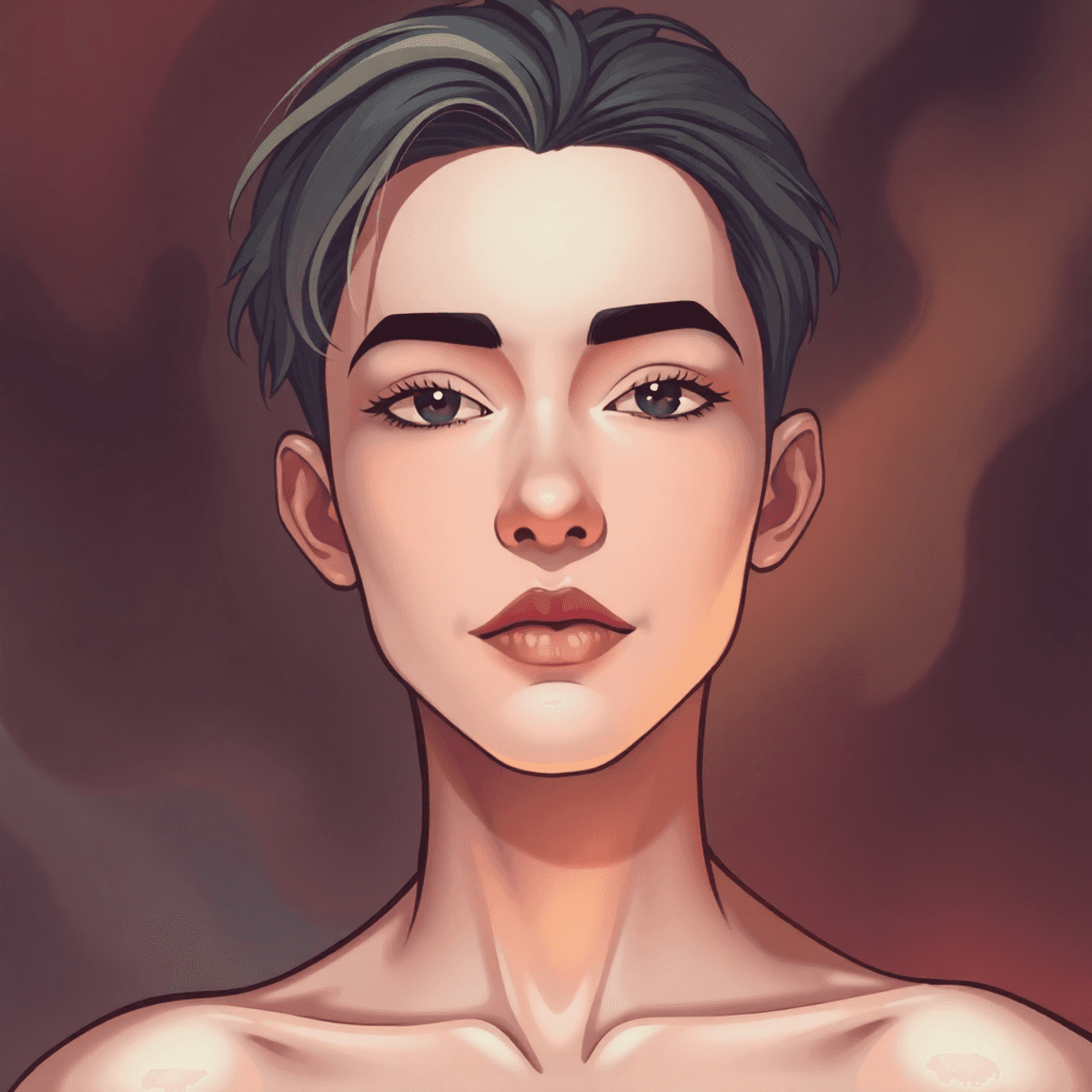
Portraits that go beyond traditional gender labels challenge the usual limits of identity representation. These portraits beyond gender don't restrict subjects to binary categories like male or female. Instead, they capture the fluidity and range of gender experiences, reflecting a deeper complexity often ignored in mainstream visual culture. This approach to portraiture recognizes that identity is multifaceted—shaped by personal, social, and cultural factors that go far beyond assigned gender roles.
The importance of gender-defying photography is its ability to validate and celebrate non-binary and gender-diverse individuals. As society increasingly acknowledges diverse gender identities—including transgender, non-binary, genderqueer, and others—artistic expression evolves to reflect this change. Portraits become more than just pictures; they become powerful tools for representation and visibility in a world where strict labels are no longer enough.
Portraiture serves as a unique medium for exploring and expressing complex gender experiences by:
- Capturing emotional depth and vulnerability without relying on stereotypical gender cues.
- Allowing subjects agency over how they present themselves, often through self-portraiture.
- Using visual elements—such as pose, lighting, clothing, and symbolism—to convey stories that defy simple classification.
By moving beyond gender norms, photographers create spaces where identity can be expressed with authenticity and subtlety. This expansion enriches the visual conversation about who we are and how we see ourselves in relation to society’s expectations. The evolving practice of non-binary portraiture signals a broader cultural movement toward inclusivity, respect, and understanding of all gender identities.
Incorporating styles like boudoir photography, which often emphasizes personal expression and vulnerability, can further enhance the exploration of these themes. However, it's crucial to navigate the legal and ethical considerations associated with such intimate forms of portraiture. Additionally, the influence of music, often used in boudoir photography sessions, can also play a significant role in shaping the mood and emotional impact of the portraits.
Historical Context and Influential Artists
Portraiture has long been a powerful tool for exploring identity, yet many traditional artworks reinforced rigid gender binaries. Challenging these norms required artists who pushed boundaries, using their work to question and dissolve fixed categories of gender.
Claude Cahun: Androgyny as Resistance
Claude Cahun (1894–1954) stands out as a pioneering figure in transcending gender labels through self-portraiture. Their photographs often depict an androgynous presence that defies easy classification as male or female. Cahun’s work is marked by deliberate ambiguity—costumes, makeup, and poses blend masculine and feminine traits to unsettle viewers’ expectations. This approach was radical at a time when gender roles were strictly enforced socially and culturally.
“Self-portraiture became a form of rebellion for Cahun, reflecting fluidity rather than fixed identity.”
The impact of Cahun’s portraits reverberates through history, inspiring contemporary artists to embrace complexity over categorization. Their images challenge the idea that gender is binary or static, highlighting instead its performative and mutable nature.
Cindy Sherman: Critiquing Femininity Through Character
Cindy Sherman revolutionized portrait photography by adopting various personas within her images. Sherman’s character-based self-portraits serve as incisive critiques of femininity and societal expectations placed on women. Each photograph becomes a study in identity construction, demonstrating how gender can be performed and manipulated.
Her work dismantles stereotypes about women by presenting exaggerated or unsettling versions of female archetypes drawn from popular culture. Sherman’s portraits do not simply reflect reality but interrogate how media and culture shape perceptions of gender.
Robert Mapplethorpe: Expanding Visual Narratives Around Gender
Robert Mapplethorpe contributed significantly to the discourse on gender in art history through his bold exploration of sexuality and identity. His portraits often feature subjects from LGBTQIA+ communities, capturing expressions of masculinity and femininity outside conventional frameworks.
Mapplethorpe’s striking black-and-white images highlight the beauty and dignity of bodies that mainstream society frequently marginalized or fetishized. His work broadens visual narratives by portraying complex intersections of power, vulnerability, and desire tied to gender expression.
Other Influential Figures
Artists such as Nan Goldin, Catherine Opie, and Zanele Muholi have carried forward this legacy, using portraiture to document diverse gender identities with authenticity and nuance. They expand the conversation beyond Western-centric views by including voices from different cultural backgrounds.
These historical contributions reveal how portraiture has functioned both as a mirror reflecting societal norms and as a hammer breaking them down. The works of Cahun, Sherman, Mapplethorpe, and others create a foundation for modern explorations into gender-fluid representation in photography.
Moreover, the evolution of portraiture has opened avenues for empowerment through boudoir photography, allowing individuals to explore their identities in intimate ways. This genre also embraces queer-friendly practices, further challenging traditional norms surrounding gender and sexuality in visual representation.
Contemporary Approaches to Gender-Defying Portraits
Contemporary photographers build on the legacy of pioneers like Claude Cahun and Cindy Sherman by embracing fluidity in gender expression. This evolution reflects a broader cultural acceptance of non-binary identity expression and the rejection of fixed categories. Artists today often draw inspiration from historical figures, not just to replicate their styles but to expand the conversation around identity through new visual languages and techniques.
Self-Portraiture as a Medium for Personal Exploration
Self-portraiture has become a powerful tool for exploring personal identity without external mediation. When you create your own image, you control how your gender is presented, challenged, or redefined. This autonomy allows for nuanced expressions that resist societal expectations or binary frameworks.
Self-portraiture offers:
- An intimate dialogue between the subject and viewer
- Experimentation with appearance and persona
- Moments of vulnerability and transformation captured
Many artists use self-portraiture to communicate complex inner experiences related to gender fluidity, non-conformity, or transition. It offers a direct visual narrative that bypasses imposed labels and instead emphasizes authenticity and self-definition.
Photographic Techniques Highlighting Gender Fluidity
Advances in photographic technology have unlocked innovative ways to visualize multiplicity and fluid identities. Techniques such as multiple exposures layer different images of the same person or different personas within one frame, symbolizing the coexistence of diverse gender expressions.
Digital manipulation in photography further expands these possibilities:
- Morphing features to blend masculine, feminine, and neutral traits
- Overlaying textures or symbolic elements that evoke shifting identity
- Using color grading and lighting effects to unsettle traditional gender cues
These methods allow photographers to craft images where gender is perceived as dynamic rather than static. They invite viewers into a space where fixed binaries dissolve, making room for complexity and ambiguity.
Examples in Practice
Photographers like Zanele Muholi document queer identities with boldness while incorporating digital editing to emphasize resilience and fluidity. Cassils uses sculptural lighting and post-production effects to challenge bodily norms associated with gender. Emerging artists worldwide explore similar strategies, reflecting varied cultural contexts while emphasizing the universal theme of self-determined identity.
This embrace of contemporary tools alongside self-directed imagery signals a shift in portraiture—from representation defined by external gaze toward portraits that honor internal truths and multiplicities inherent in gender-diverse lives.
Cultural Perspectives on Gender Beyond the Binary
Portraiture that goes beyond traditional gender labels becomes more meaningful and genuine when it acknowledges global gender diversity. Many cultures outside the Western binary framework have long recognized identities that do not fit neatly into male or female categories. These identities provide vital context and richness to the conversation about gender in art.
Recognizing Non-Western Gender Identities
- Hijra Community (South Asia): The Hijra have existed for centuries in countries like India, Pakistan, and Bangladesh. Traditionally considered a third gender, Hijras often embody a blend of masculine and feminine traits or exist outside these categories entirely. Their social and spiritual roles challenge Western binary norms. Portraits incorporating Hijra subjects reveal complex narratives about identity, community, and resilience.
- Māhū Identity (Hawaii): Māhū people are recognized as embodying both masculine and feminine qualities. Rooted in Native Hawaiian culture, Māhū individuals often serve as cultural bearers, teachers, and healers. Artistic representations of Māhū challenge Western assumptions by illustrating fluidity grounded in ancestral traditions.
These examples underscore how gender-diverse identities are not modern inventions but longstanding parts of cultural heritage around the world.
Expanding Understanding Through Cultural Inclusivity in Art
Including diverse gender expressions from various cultures enriches portraiture by:
- Broadening the Visual Language: Portraits no longer rely solely on Western notions of masculinity or femininity but explore a spectrum of identities shaped by different histories and social contexts.
- Promoting Acceptance: When artists depict figures like Hijra or Māhū with respect and nuance, it challenges stigma and fosters empathy among audiences unfamiliar with these identities.
- Encouraging Dialogue: Such portraits invite viewers to question fixed ideas of gender and appreciate multiplicity as a natural human experience.
Incorporating these perspectives aligns with the ethos behind Beyond Gender: Crafting Portraits That Defy Labels, which seeks to push boundaries by honoring all expressions of self beyond constraining binaries. This approach reflects a commitment to cultural inclusivity that reshapes how identity is visualized and understood globally.
Moreover, it's essential to navigate these sensitive topics with care. For instance, cultural sensitivity in modern intimate photography is crucial to enhance art while respecting diverse identities and ethics. This aligns with the broader understanding of the power of art, which can be harnessed to promote acceptance, challenge stigma, and encourage dialogue around complex issues such as gender identity.
The Role of Erotic and Boudoir Photography in Challenging Gender Norms
Erotic art photography inclusivity and boudoir photography inclusivity play a crucial role in breaking down traditional gender expectations. These genres of photography move beyond mere representation to actively challenge societal norms about bodies, desire, and identity.
Distinguishing Erotic Art from Pornography
- Erotic art focuses on empowerment, aesthetics, and the celebration of sensuality rather than explicit sexual content.
- The intention behind erotic art photography is to highlight diverse expressions of intimacy and desire without objectification or exploitation.
- Context shapes perception: platforms like galleries or exhibitions frame erotic photos as art, while commercial sites often categorize them as pornography.
- This distinction allows photographers and subjects to reclaim control over how sensual images are created, viewed, and interpreted.
Boudoir Photography as Transformation
- Boudoir sessions act as a powerful medium for individuals to explore and celebrate their sensual selves beyond restrictive gender roles.
- Traditionally associated with femininity, modern boudoir embraces all genders, emphasizing personal empowerment rather than conforming to societal beauty standards.
- The process encourages clients to connect deeply with their bodies, fostering confidence through intimate yet respectful imagery.
- Sensuality becomes a fluid concept: it’s not limited by gender but expanded by self-expression and authenticity.
Radical Inclusivity and Body Positivity
- Practices within inclusive boudoir and erotic art photography center on welcoming all bodies regardless of size, shape, color, ability, or gender identity. For instance, plus size boudoir sessions are tailored to respect comfort levels while encouraging visibility for marginalized identities that mainstream media often ignores or misrepresents.
- Embracing imperfections such as scars, tattoos, or non-normative features challenges conventional beauty ideals and redefines what it means to be desirable.
- Photographers skilled in this field prioritize open communication and adaptability to ensure clients feel safe and celebrated.
Ethical Considerations
- Client comfort is paramount. Clear boundaries are established before any session begins to ensure mutual respect throughout the creative process. This aligns with the broader discussion on [professional ethics in photography](<https: data-preserve-html-node="true"//www.misfitslikeme.com/st-louis-erotic-and-boudoir-photography/tag/Professional+Ethics+in+Photography>), which emphasizes the importance of respecting client boundaries.
- Privacy protections include stringent controls on image storage, sharing permissions, and use rights consistent with client wishes.
- Legal compliance under regulations like 18 U.S. Code § 2257 mandates thorough recordkeeping for adult content production to safeguard all parties involved.
- Transparency around these protocols builds trust between photographer and subject while maintaining professional integrity.
Erotic art photography inclusivity combined with responsible practices crafts a space where gender expression can flourish free from judgment or constraint. Boudoir photography inclusivity transforms intimate portraiture into a celebration of diverse sensual identities that defy outdated norms. Moreover, the therapeutic benefits of such photography cannot be overlooked; they provide therapeutic benefits that foster healing and self-acceptance. Finally, the choice of [color palette selection](<https: data-preserve-html-node="true"//www.misfitslikeme.com/st-louis-erotic-and-boudoir-photography/tag/Color+Palette+Selection>) further enhances the visual storytelling aspect of these genres.
Techniques for Crafting Portraits That Defy Labels
Portraits that go beyond gender labels require careful use of artistic nude photography techniques, light and shadow balance in photography techniques, and symbolic imagery in photography techniques. These elements work together to create images that explore identity with sensitivity and depth.
Artistic Nude Photography to Reveal Vulnerability and Grace
Artistic nude photography focuses on the human form as a vessel of emotion and story, rather than an object of sexualization. This approach is essential in crafting boudoir sessions that empower subjects.
Here are some techniques you can use:
- Use poses and expressions that convey openness, strength, or fragility—emphasizing the subject’s individuality beyond gender norms.
- Attention to natural lines, curves, and textures highlights the body’s uniqueness without imposing conventional beauty standards.
- Example: Softly contoured poses paired with relaxed facial expressions can evoke vulnerability that invites empathy instead of judgment. This method is also beneficial in plus-size boudoir photoshoots, emphasizing body positivity and confidence.
Lighting to Shape Atmosphere Beyond Gendered Expectations
Lighting plays a crucial role in shaping the atmosphere of your portraits. By manipulating light and shadow, you can sculpt the body while setting an emotional tone that defies stereotypical gender associations.
Here are some lighting techniques to consider:
- Employ low-key lighting to create mystery or introspection; high-key lighting to suggest purity or openness.
- Directional lighting can emphasize or obscure physical features traditionally linked to masculinity or femininity, challenging viewers’ assumptions.
- Experimentation with color gels or diffused natural light adds layers of meaning, enhancing fluidity in gender expression.
- Balancing contrast allows mood shifts within a single frame, reflecting multiplicity rather than binary identity.
Symbolic Imagery as a Dialogue on Identity and Self-Acceptance
Incorporating symbolic imagery into your portraits can provoke reflection on societal constructs around gender and invite conversations about breaking free from limiting labels.
Here are some ways you can use symbolism:
- Incorporate objects, gestures, or background elements with personal or cultural symbolism related to gender diversity.
- Items such as flowers (growth), mirrors (reflection/duality), fabrics (transformation), or masks (identity concealment) provide visual metaphors.
- Use composition strategies like framing subjects within circles or squares to hint at containment versus freedom.
- Collaboration between photographer and subject in choosing symbols enhances authenticity and resonates emotionally.
These photographic strategies empower you to craft portraits that resonate deeply with viewers. You engage not only with how bodies look but what they represent—fluidity, complexity, resilience—offering a visual narrative that moves beyond traditional gender categories. Additionally, implementing self-care rituals before a session can significantly enhance the overall experience for the subject. Remember, the power of art in photography lies in its ability to tell stories that challenge societal norms.
Creating Safe and Inclusive Spaces for Gender-Diverse Portraiture
Creating a studio environment that embodies radical inclusivity in portrait photography is essential when working with gender-diverse clients. You want your space to be welcoming, affirming, and safe for all identities, especially within LGBTQIA+ communities. This commitment starts with respecting every client's boundaries, preferences, and comfort levels throughout the entire portrait session.
Respecting Boundaries and Comfort Levels
- Pre-session consultations help clarify expectations, allowing clients to express any specific needs or limitations.
- Clear communication about poses, clothing options, and nudity ensures clients feel in control.
- Offering choices in how much personal disclosure or gender expression they want to share during the shoot empowers individuals.
- Adjusting sessions dynamically based on client feedback prevents discomfort and builds confidence.
Balancing Openness with Safety Protocols
A culture of openness encourages authentic self-expression but must be carefully balanced with safety measures:
- Adhering to strict privacy policies protects client identities and images from unauthorized use.
- Studio rules that prohibit any form of harassment or discrimination create a respectful atmosphere.
- Implementing safety protocols around physical contact, especially in intimate or erotic portraiture, reinforces trust. This is particularly relevant when considering tips for boudoir photography sessions where comfort and consent are paramount.
- Providing options like having a trusted companion present or using studio assistants during sensitive shoots adds layers of security.
Fostering Trust Through Privacy Protection and Transparent Communication
Trust is the foundation for capturing genuine portraits that defy traditional gender labels. You can nurture this by:
“Being upfront about image rights and usage promotes client agency over their portraits.”
- Explaining copyright agreements clearly ensures clients know how their images will be handled.
- Offering full transparency regarding image editing processes respects individual identity presentation preferences.
- Ensuring secure storage and controlled access to digital files safeguards against breaches.
- Maintaining ongoing dialogue before, during, and after sessions helps address concerns promptly.
LGBTQIA+ welcoming studios set the standard by integrating these practices into their workflows. Their dedication signals to clients they are entering a space where diverse gender expressions are celebrated without judgment or restriction. This approach is vital for Beyond Gender: Crafting Portraits That Defy Labels—it allows the creative process to unfold authentically while prioritizing client safety & well-being in portrait photography.
Moreover, creating an inclusive studio experience is just as important as ensuring consent and safety during the shooting process. By following these guidelines for consent and safe space creation, photographers can foster an environment where clients feel empowered and respected. Ultimately, this leads to a more luxurious and empowering boudoir experience as outlined in our [
Impact and Importance of Portraits That Defy Gender Labels
Portraits that challenge traditional gender labels do more than capture an image—they serve as powerful tools for visibility for non-binary individuals through art. This visibility directly counters the stigma, shame, and isolation often faced by gender-nonconforming people. When you see someone represented authentically, it affirms your own existence and worth. These portraits create spaces where complex identities are not just acknowledged but celebrated.
Combatting Stigma and Isolation
- Portraiture that defies gender norms dismantles stereotypes by showcasing the diversity of human experience.
- It reduces societal stigma by normalizing identities outside the binary, shifting perceptions from ignorance to understanding.
- For individuals, seeing their identity reflected in art can alleviate feelings of loneliness and exclusion. An example of this is found in the realm of St. Louis erotic and boudoir photography, which aims to demystify stigma around sex workers while celebrating empowerment in the industry.
Promoting Pride and Acceptance
- Such portraits foster pride among gender-diverse communities by affirming their legitimacy and beauty.
- They encourage acceptance both within communities and society at large, broadening cultural conversations about gender.
- This promotes empathy by inviting viewers to engage with experiences different from their own.
Expanding Visual Language Around Identity
- Traditional portraiture often relies on binary cues—clothing, posture, expression—that reinforce fixed gender roles.
- Gender-defying portraits expand this visual vocabulary by incorporating fluidity, multiplicity, and ambiguity. A great example of this is found in [Black and white imagery](<https: data-preserve-html-node="true"//www.misfitslikeme.com/st-louis-erotic-and-boudoir-photography/category/Black+and+White+Imagery+in+Visual+Storytelling>), which can be used to narrate complex identities beyond male/female categories through its unique storytelling capabilities.
- Techniques like layering multiple exposures or blending symbolic elements visually narrate complex identities beyond male/female categories.
"Art has the power to transform perception. Portraits that break free from gender labels challenge viewers to rethink assumptions about identity itself."
By contributing new visual narratives, these artworks push the boundaries of representation. They create a richer, more inclusive artistic landscape that honors all forms of self-expression. This expansion is crucial not only for those who identify outside the binary but for society’s evolving understanding of human diversity.
Conclusion
Beyond Gender: Crafting Portraits That Defy Labels remains an important goal in modern photography. As society's understanding of gender continues to evolve, artists must also find new ways to capture and express these identities. By pushing the limits of photographic techniques and using innovative creative ideas, we can open up new opportunities for storytelling that truly represent the complexity of human experience.
Inclusive artistic representation is not just a passing trend but something our culture needs. These portraits do more than show what someone looks like—they validate their existence, empower them, and create connections between people. They challenge outdated beliefs and encourage viewers to rethink their preconceived notions about identity. The ongoing importance of this work lies in its ability to foster empathy and understanding among different communities.
Photographers, subjects, and audiences all have a role to play in nurturing this evolution by:
- Embracing experimentation with form, medium, and symbolism
- Prioritizing respect, consent, and authenticity in every session
- Amplifying voices often marginalized or erased in mainstream narratives
The journey beyond gender binaries through portraiture enriches the visual language available to artists worldwide. It transforms art into a dynamic platform where self-expression transcends labels—inviting us all to see one another with greater openness and humanity.
This transformation is evident in genres such as boudoir photography, which has been mischaracterized as solely sexual. Instead, boudoir photography serves as an empowering art of self-expression, capturing confidence and sensuality tailored to individual comfort levels.
FAQs (Frequently Asked Questions)
What does 'portraits that transcend traditional gender labels' mean?
Portraits that transcend traditional gender labels refer to photographic works that go beyond the binary concepts of male and female, exploring and expressing complex gender identities such as non-binary, gender-fluid, and other diverse experiences. These portraits challenge societal norms and create space for broader representation.
Who are some influential artists known for challenging binary gender norms through portraiture?
Pioneering artists like Claude Cahun, Cindy Sherman, and Robert Mapplethorpe have significantly contributed to challenging binary gender norms. Claude Cahun’s androgynous self-portraits questioned fixed identities; Cindy Sherman used character-based photography to critique femininity; and Robert Mapplethorpe expanded visual narratives around gender through his work.
How do contemporary photographers approach gender-defying portraiture?
Modern photographers draw inspiration from historical figures while embracing fluid gender identities. They often use self-portraiture techniques to explore personal identity without mediation, employing digital manipulation such as multiple exposures and editing to represent the multiplicity and fluidity of gender in their work.
How do cultural perspectives like the Hijra community and Māhū identity influence non-binary portraiture?
Incorporating global gender diversity, including identities like the Hijra community in South Asia and Māhū in Hawaii, broadens understanding of non-binary experiences beyond Western frameworks. This cultural inclusivity enriches portrait art by acknowledging diverse traditions that challenge binary gender constructs.
What role does erotic and boudoir photography play in challenging traditional gender norms?
Erotic art and boudoir photography serve as transformative practices celebrating sensuality beyond conventional gender roles. By focusing on empowerment rather than objectification, these genres promote radical inclusivity and body positivity while respecting ethical considerations such as client comfort, privacy, and legal compliance.
How can photographers create safe and inclusive spaces for gender-diverse portrait sessions?
Photographers can establish environments that respect client boundaries, preferences, and comfort by practicing radical inclusivity. Openness balanced with safety protocols helps prevent harm or discomfort. Strategies include fostering trust through transparent communication, protecting privacy, and creating LGBTQIA+ welcoming studios dedicated to client well-being.