Endometriosis & boudoir: timing, comfort, styling
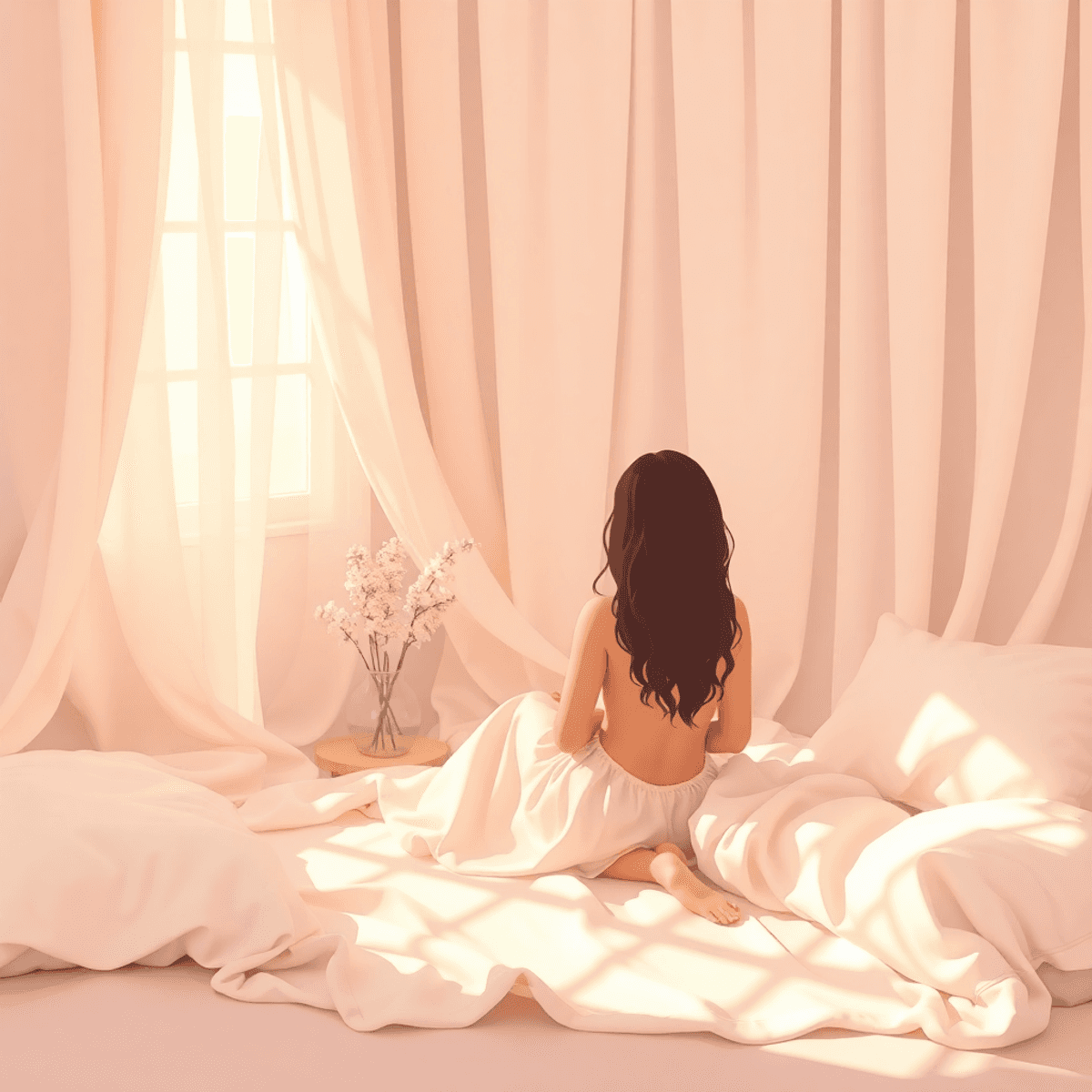
A figure photographed in soft, unhurried light, draped in fabric chosen as much for comfort as for beauty — a session that understood what the body needed that day and built something stunning around it.
Endometriosis is a chronic pelvic pain condition that affects many people with uteruses. This often misunderstood illness involves the growth of tissue similar to the uterine lining outside the uterus, causing persistent pain, fatigue, and other symptoms that fluctuate unpredictably. Living with endometriosis means managing not only physical discomfort but also emotional challenges tied to chronic illness.
Boudoir photography offers a unique avenue for intimate self-expression and empowerment. It celebrates sensuality and confidence through personalized photo sessions that capture vulnerability and strength. For those with endometriosis, boudoir can be a powerful form of reclaiming agency over their bodies despite ongoing pain and health challenges.
Addressing timing, comfort, and styling becomes essential when planning boudoir sessions for individuals navigating endometriosis. Thoughtful scheduling around symptom fluctuations helps maximize comfort during shoots. Styling choices tailored to accommodate sensitivities such as bloating or surgical scars support a positive experience. Creating a safe environment where clients feel seen and supported enhances empowerment throughout the process.
mIsFiTs Like ME studio specializes in offering an inclusive, judgment-free space welcoming all genders and identities. Their approach centers radical inclusivity, body positivity, and sex-positivity—making it an ideal setting for clients managing chronic conditions like endometriosis. This studio’s commitment ensures every individual can explore boudoir photography on their own terms with respect, compassion, and expert care.
Understanding the Impact of Endometriosis on Boudoir Photography
Endometriosis symptoms vary widely but consistently include unpredictable and fluctuating pelvic pain. This pain can range from mild discomfort to severe, debilitating episodes that may strike suddenly or build gradually. The nature of chronic pelvic pain means you cannot always anticipate how you will feel on the day of a boudoir session, which adds complexity to planning intimate experiences.
The Connection Between Anxiety and Physical Discomfort
Anxiety often accompanies endometriosis due to its chronic and sometimes invisible nature. This anxiety can trigger increased muscle tension, further intensifying pain episodes during photo shoots. You might notice your body tightening instinctively when feeling vulnerable or unsure, which can create a cycle where physical discomfort feeds emotional stress, and vice versa. Recognizing this connection is crucial for managing pain during a shoot.
Tools for Managing Pain During a Shoot
Self-compassion becomes a vital tool here. Accepting that some days will bring more challenges than others allows you to approach your boudoir session with kindness toward your body’s limits. Creative coping strategies help you navigate these moments:
- Deep breathing or grounding exercises before and during the session
- Incorporating frequent breaks to stretch or change positions
- Using heat packs or supportive cushions if needed
- Communicating openly with your photographer about how you feel throughout
Other Physical Challenges
Physical challenges extend beyond pain alone. Fatigue, bloating, and limited mobility can affect how comfortable you are posing or sitting for extended periods. Emotionally, there may be feelings of frustration, vulnerability, or self-consciousness about your body’s changes or scars related to surgeries or treatments.
The Role of Experienced Photographers
Photographers experienced in working with clients managing chronic pain conditions understand the importance of flexibility and sensitivity. They encourage an environment where you can express discomfort without hesitation, ensuring that the shoot remains empowering rather than taxing.
*“Managing endometriosis during boudoir photography is about honoring your experience—balancing artistic expression with care for your body’s needs.”*Understanding these layers of impact helps you prepare mentally and physically for the session, making space for both self-expression and well-being. This foundation supports a more comfortable and meaningful boudoir experience tailored to your unique journey with endometriosis.
Timing Boudoir Sessions Around Symptom Fluctuations
Session timing plays a crucial role in creating a positive boudoir experience for those managing endometriosis. Since symptom severity can vary unpredictably, aligning your shoot with periods of lower pain or manageable discomfort enhances comfort and confidence.
Key strategies to optimize session timing include:
- Tracking Symptom Patterns: Maintaining a detailed symptom diary helps identify cycles or triggers influencing pain levels. Note daily pelvic pain intensity, fatigue, bloating, and emotional state. Over time, patterns emerge that reveal windows when symptoms tend to ease.
- Selecting Optimal Shoot Days: Use insights from your symptom tracking to schedule sessions during phases when pain is typically less intense. This might mean avoiding days near menstruation onset or known flare-up triggers such as stress or dietary changes.
- Allowing Flexibility: Studios like mIsFiTs Like ME understand the unpredictable nature of endometriosis. They offer adaptable scheduling options and are willing to accommodate last-minute changes if symptoms worsen unexpectedly. This flexibility reduces pressure and promotes self-care.
- Open Communication With Your Photographer: Being candid about current pain levels on the day of the shoot allows for real-time adjustments. Photographers trained in working with chronic illness clients can modify poses, breaks, lighting setups, or session length to prioritize your well-being.
"I appreciate that mIsFiTs Like ME encouraged me to speak up whenever I felt discomfort. Knowing I could pause or change things made the whole experience empowering." — Client testimonialPain fluctuation scheduling requires patience and self-awareness but results in a more enjoyable and meaningful boudoir session. Prioritizing your health needs through thoughtful timing reflects self-compassion and respect for your body’s signals.
Prioritizing Comfort During Boudoir Sessions
Creating comfort in photography for clients with endometriosis is essential. You need a space where you feel safe to express any discomfort or request adjustments at any point during the shoot. This empowerment helps avoid pushing beyond physical limits, which could worsen symptoms.
Key Practices to Enhance Comfort and Respect Client Boundaries
1. Open Communication from the Start
The photographer should encourage you to share your needs and concerns freely. This includes discussing pain levels, preferred poses, and any triggers that might cause discomfort.
2. Adaptive Session Practices
Adjusting lighting, posing time, and breaks can make a huge difference. For example, shorter posing intervals with frequent rests help reduce muscle tension and pelvic pain flare-ups.
3. Non-Intrusive Guidance
Photographers need to be sensitive about how they suggest poses or movements. Gentle encouragement without pressure respects your physical boundaries while still capturing powerful images.
4. Flexible Use of Props and Furniture
Having chairs, cushions, or soft surfaces available allows you to find comfortable positions that support your body without strain.
The Role of Photographer Sensitivity and Studio Inclusivity
At mIsFiTs Like ME, prioritizing client comfort goes beyond just physical accommodations. Their studio culture emphasizes:
- Radical Inclusivity: As highlighted in this article on embracing radical inclusivity, welcoming all bodies, identities, and experiences without judgment creates an atmosphere where you can relax fully.
- Safety Prioritization: Safety here means both physical well-being and emotional security. The team acknowledges chronic illness realities like endometriosis and adapts accordingly.
- Encouraging Vulnerability as Strength: Understanding that discomfort may arise allows the photographer to respond with compassion rather than impatience.
“Our clients’ comfort isn’t just about the right outfit or lighting—it’s about feeling truly seen and cared for every step of the session.” — mIsFiTs Like ME Studio philosophyYour comfort is the foundation of authentic, empowering boudoir photography. When a studio embraces this mindset, it transforms what could be a challenging experience into one of healing and self-expression.
Styling Tips for Comfort and Confidence with Endometriosis in Boudoir Photography
Choosing the right wardrobe plays a crucial role in enhancing your comfort and confidence during a boudoir session, especially when managing endometriosis. Clothing that minimizes irritation and adapts to physical changes can make a significant difference.
Key considerations for adaptive styling:
- Stretchy pants one size up: These accommodate any bloating or discomfort without digging into your skin. Soft waistbands, like those found in chino-style pants, provide gentle support while avoiding pressure on sensitive areas.
- Soft fabrics: Avoid materials such as wool or linen that can feel itchy or constrictive. Instead, opt for natural fibers like cotton or breathable modal blends. Silk slips are excellent for regulating temperature, keeping you cool or warm as needed during the shoot.
- Comfortable lingerie: Wireless bras offer breathability and sufficient support without the discomfort of underwires pressing on tender areas. Look for styles designed to balance form with ease, ensuring you feel both secure and relaxed.
The goal is to select clothing that respects your body's needs while allowing you to express your sensuality freely. Adaptive styling embraces comfort without sacrificing aesthetics, empowering you to fully engage in your boudoir experience.
Fashion as Empowerment and Creative Self-Expression in Boudoir Photography with Endometriosis Clients
Fashion empowerment plays a vital role for people living with endometriosis, offering a way to reclaim agency over their bodies and identities despite the chronic illness challenges they face. Clothing and styling are not just about appearance—they become tools for expressing resilience, vulnerability, and individuality.
1. Feeling Whole Through Fashion
Chronic pain and fluctuating symptoms can make it difficult to feel connected to your body. Thoughtful fashion choices allow you to embrace your current state without judgement. Wearing garments that celebrate your shape, accommodate physical needs, and align with your personal aesthetic fosters a sense of wholeness. This intentional self-dressing affirms that your identity extends beyond pain or medical conditions.
2. Styling as Communication
Boudoir photography offers a space where styling transcends mere decoration. Every fabric, color, cut, and accessory can become a statement about your journey with endometriosis. For example:
- Choosing soft, flowing fabrics might symbolize comfort and self-care after painful episodes.
- Incorporating bold colors or unique textures can signal strength and defiance against stigma.
- Subtle nods like scar-covering wraps or layered pieces may communicate healing or transformation without words.
3. Fashion Choices Reflect Personal Narratives
Your wardrobe during a boudoir session becomes part of the storytelling process—an external expression of internal experience. Selecting pieces that honor your fluctuating body states (such as adjustable waistbands or breathable materials) shows adaptability and self-awareness. These choices convey empowerment by prioritizing how you want to feel over societal expectations of perfection.
Embracing fashion empowerment creates an intimate dialogue between you, the camera, and anyone viewing the images later. It transforms boudoir sessions into acts of creative self-expression where endometriosis is acknowledged but does not define you fully. This approach encourages authenticity while honoring the complexity of living with chronic illness.
Integrating Inclusive Studio Practices into Endometriosis-Friendly Boudoir Sessions at mIsFiTs Like ME Studio
mIsFiTs Like ME stands out as an inclusive photography studio dedicated to serving all genders and identities aged 21 and older. Their commitment to radical inclusivity stretches across diverse communities, with a particular focus on LGBTQIA+ affirming practices and welcoming kink-friendly clientele. This studio creates a space where every client feels seen, respected, and empowered regardless of their gender identity, sexual orientation, or lifestyle preferences.
Radical Inclusivity as a Foundation
- Welcomes clients from all gender identities including non-binary, transgender, cisgender, and intersex individuals.
- Encourages self-expression without fear of judgment or exclusion.
- Supports kink and BDSM communities with sensitivity and professionalism.
- Maintains strict compliance with legal regulations while fostering open communication about boundaries and consent.
This approach benefits everyone but holds special significance for individuals managing chronic conditions like endometriosis. The unpredictable nature of pelvic pain, fatigue, and emotional stress requires a supportive environment that adapts to fluctuating needs rather than imposing rigid expectations.
Affirming Environment That Supports Healing and Openness
Clients with endometriosis often face challenges beyond the physical symptoms—anxiety about pain during sessions, concerns over body image changes such as bloating or surgical scars, and emotional vulnerability. mIsFiTs Like ME prioritizes:
- Nonjudgmental communication: Clients are encouraged to openly discuss their comfort levels, pain thresholds, and any adjustments needed during the shoot.
- Flexible session pacing: Photographers adapt timing and poses to accommodate fluctuations in energy or pain without pressure.
- Empowerment through control: Clients maintain agency over their styling choices, poses, and limits at every stage.
This safe space reduces anxiety around participating in intimate boudoir photography sessions. Feeling genuinely accepted enables clients to express themselves authentically despite chronic illness challenges.
Tailored Support for Endometriosis & Boudoir: Timing, Comfort, Styling
At mIsFiTs Like ME studio:
- Scheduling is adaptable to client health patterns ensuring sessions occur when symptoms are more manageable.
- Styling consultations consider comfort factors such as fabric choice, garment fit for bloating or surgical sites, and support needs like wireless bras.
- Photographers receive ongoing training in sensitivity toward invisible illnesses including how muscle tension or anxiety may affect posture or expression.
The result is an experience that centers the client's well-being alongside artistic goals. This holistic practice exemplifies how an LGBTQIA+ affirming inclusive photography studio can transform boudoir into a healing act for people living with endometriosis.
Incorporating elements of AI technology into our practice could further enhance this experience by personalizing client interactions based on their health needs. This could include advanced scheduling algorithms that predict optimal session times based on historical health data or AI-driven styling suggestions that take into account the client's current physical condition.
Conclusion
Careful timing of boudoir sessions around the fluctuating symptoms of endometriosis is essential. You gain the most from your experience when scheduling aligns with periods of manageable pain and discomfort. Tracking symptom patterns empowers you to choose days when you feel physically and emotionally ready for the session.
Prioritizing comfort through adaptive styling and flexible session approaches ensures that your well-being remains front and center. Choosing clothing that accommodates bloating, surgical recovery, or sensitivity—like soft waistbands, breathable fabrics, and wireless bras—helps reduce irritation. Studios like mIsFiTs Like ME focus on creating safe, inclusive environments where adjustments during shoots are welcomed without hesitation.
Boudoir photography serves as a powerful tool for self-expression and healing even amid chronic illness challenges. It celebrates your strength, vulnerability, and unique sensuality in a judgment-free space designed to honor your story. This form of empowerment can reshape how you see yourself beyond the limitations of endometriosis.
However, it's important to remember that personal relationships can also be impacted by chronic illnesses like endometriosis. The stress and physical limitations can sometimes lead to misunderstandings or distance between partners. In such cases, seeking professional help or counseling can be beneficial. If you're interested in exploring this aspect further, consider reading about how infidelity can affect relationships.
You are invited to explore more about boudoir empowerment tailored specifically for those managing endometriosis at mIsFiTs Like ME. Discover how inclusive boudoir experiences adapt to your individual needs with compassion and creativity. Book a free consultation today to start your journey toward embracing confidence through artful, intimate photography.
Key Takeaways:
- Schedule sessions thoughtfully around symptom highs and lows
- Prioritize comfort with styling choices that suit your body’s needs
- Choose studios committed to inclusivity and client well-being
- Use boudoir photography as an empowering form of self-expression
Endometriosis & boudoir: timing, comfort, styling—when approached with care—can transform your intimate photography into a meaningful celebration of resilience and beauty.
FAQs (Frequently Asked Questions)
What is endometriosis and how does it affect boudoir photography sessions?
Endometriosis is a chronic pelvic pain condition that affects many individuals with uteruses. Its symptoms, including unpredictable and fluctuating pelvic pain, can impact comfort and anxiety levels during intimate experiences like boudoir photography. Understanding these effects is crucial for planning sessions that prioritize client well-being.
How can clients with endometriosis schedule boudoir sessions to minimize discomfort?
Clients are encouraged to track their symptom patterns to identify periods when pain is less severe or more manageable. Scheduling boudoir sessions during these optimal times helps enhance comfort. Studios like mIsFiTs Like ME offer flexible session planning and open communication to accommodate individual health needs effectively.
What measures are taken to ensure comfort during boudoir photography for those with endometriosis?
Creating a safe, inclusive environment where clients feel empowered to express discomfort or request adjustments is key. Photographers prioritize client boundaries and safety by adopting adaptive session practices, allowing modifications without pushing physical limits, thus enhancing overall comfort throughout the shoot.
What styling tips are recommended for individuals with endometriosis participating in boudoir photography?
Recommended styling includes choosing comfortable lingerie and soft fabrics such as cotton, modal blends, or silk slips that regulate temperature and reduce irritation. Avoiding itchy or constrictive materials like wool or linen is advised. Adaptive clothing options like stretchy pants one size up or chino-style pants with soft waistbands support comfort and confidence.
How does fashion serve as a form of empowerment for people with endometriosis in boudoir photography?
Fashion allows individuals with endometriosis to express their identity and personal experience creatively despite chronic illness challenges. Styling choices become a powerful tool for communication and self-expression, helping clients feel whole and empowered during their boudoir sessions.
What makes mIsFiTs Like ME studio an inclusive choice for clients with endometriosis seeking boudoir photography?
mIsFiTs Like ME studio is committed to radical inclusivity, welcoming all genders and identities ages 21+, including LGBTQIA+ and kink-friendly clientele. Their judgment-free environment supports openness about chronic conditions like endometriosis, fostering a supportive space that prioritizes client comfort, timing flexibility, and adaptive styling tailored to individual needs.