'Femme,' 'Masc,' or Neither? Styling For Every Point on the Spectrum in 2026 Shoots
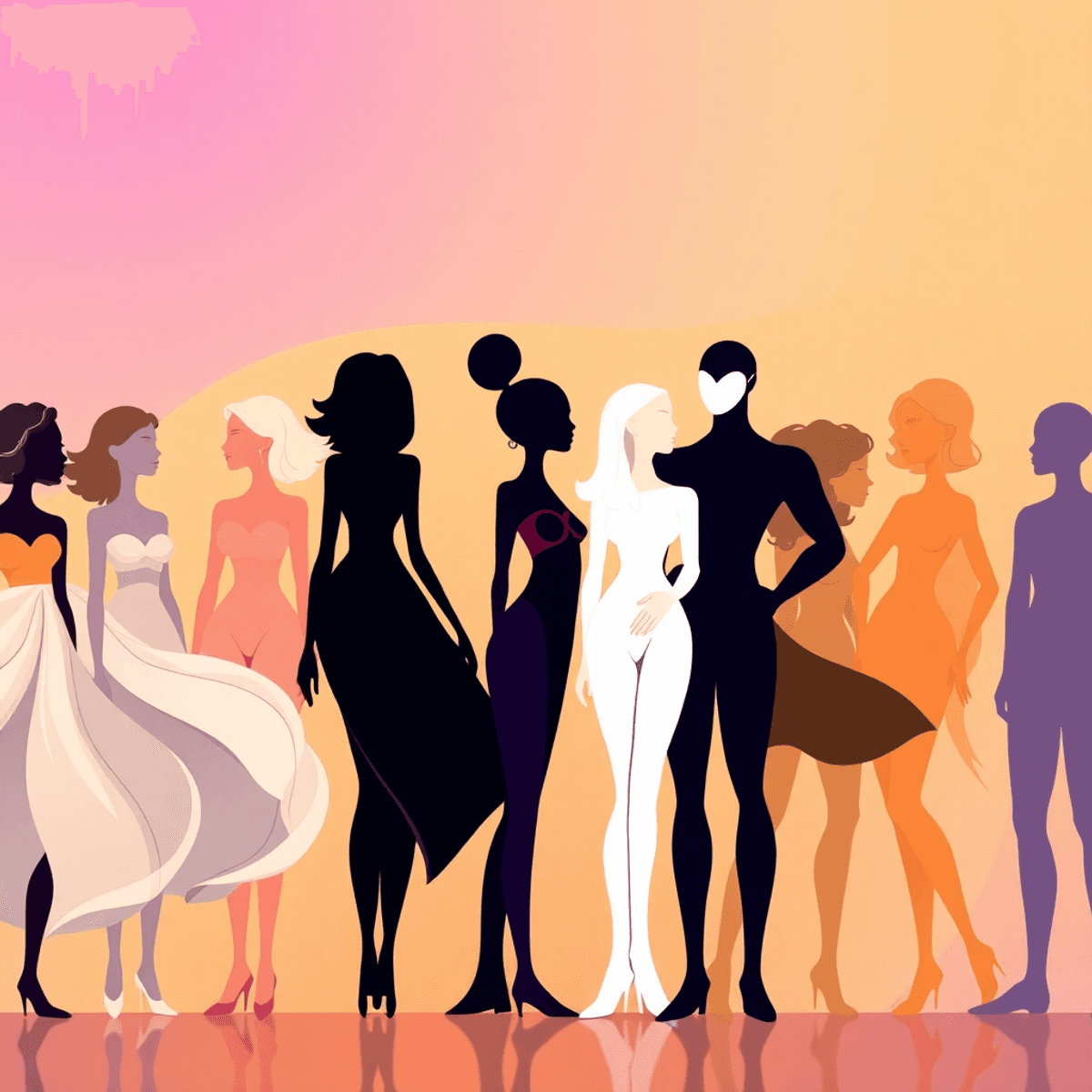
Styling for 2026 shoots embraces a broad gender expression spectrum, moving beyond traditional binaries to celebrate individuality and fluidity. Photographers and stylists are increasingly attuned to the nuances of identity, crafting looks that resonate authentically with each subject’s personal narrative. This evolution reflects a deeper cultural shift towards inclusivity and representation in visual storytelling.
Key terms shape this conversation:
- Femme: Typically associated with softness, curves, and delicate aesthetics, femme styling highlights vulnerability and sensuality without conforming strictly to feminine norms. It embodies a style that is expressive, often intimate, and rooted in emotional depth.
- Masc: A style identity that leans into performative masculinity or stylized power dynamics. Masc styling can incorporate elements from kink and fetish cultures, emphasizing control, anonymity, or role-play aspects while respecting legal and ethical boundaries.
- Neither: Represents nonconforming or fluid expressions that do not fit neatly into femme or masc categories. This space allows for experimentation with gender-neutral or hybrid styles, emphasizing self-acceptance beyond societal expectations.
Inclusive and diverse representation in photography goes beyond visibility; it creates safe spaces where all identities are respected and celebrated. Styling choices contribute significantly to this environment by affirming the subject’s agency and authenticity. This approach fosters creativity that honors every point on the gender expression spectrum—making 2026 shoots a platform for empowerment rather than limitation.
This vision aligns perfectly with the principles of inclusive practices in photography, which aim to create an environment where all identities are celebrated. Furthermore, fostering an inclusive studio experience is essential in achieving this goal.
Understanding the Spectrum: 'Femme,' 'Masc,' and 'Neither'
Styling along the gender expression spectrum reveals a rich diversity of identities and aesthetics. These identities extend beyond simple binaries and are often expressed through fashion, makeup, pose, and attitude in photography.
Femme Identity
Femme styling draws from a cultural history tied to softness, elegance, and traditionally feminine cues. It emphasizes curves, delicate fabrics like lace and silk, pastel or warm color palettes, and accessories that highlight gracefulness. The femme identity is not limited to any particular gender; it embraces anyone who chooses to express femininity as part of their aesthetic narrative. Culturally, femme has been reclaimed by queer communities to celebrate femininity without the constraints of heteronormativity or cisnormative expectations.
Masc Identity
The Masc represents a stylized form of masculinity or performative identity often associated with power dynamics and controlled presentation. It incorporates elements like leather, latex, metallic hardware, masks (literal or symbolic), and fetish-inspired accessories. This identity frequently intersects with kink and fetish cultures but remains sensitive to legal frameworks such as 18 U.S. Code § 2257, which regulate explicit content production. Masc styling challenges traditional masculinity by embracing theatricality and sometimes anonymity, allowing exploration of dominance, mystery, or alter ego personas.
Neither / Fluid Styling
Styling categorized as Neither stands outside conventional gender signifiers and embraces nonconforming or fluid expressions. It blends masculine, feminine, neutral, or abstract elements in unexpected ways — mixing textures, colors, shapes without strict adherence to gender norms. Non-binary styling honors the complexity of identity by using clothing and poses that suggest vulnerability, grace, ambiguity, or defiance. Artistic nude photography often pairs well with neither/fluid styling because it explores the human form beyond labels — focusing on self-acceptance rather than categorization.
Styling as a Continuum
The three terms—Femme, Masc, and Neither—represent points on a broad continuum rather than fixed boxes. Many individuals may shift between these identities depending on mood, context, or creative intent. Recognizing this fluidity encourages stylists and photographers to:
- Approach each shoot with openness to hybrid identities.
- Avoid assumptions about gender based solely on appearance.
- Use styling as a tool for personal storytelling rather than confinement.
This spectrum approach promotes inclusive representation by validating diverse ways people present themselves visually. It reflects evolving cultural conversations about gender expression in 2026 photography shoots.
Styling Considerations for Every Point on the Spectrum
Femme Styling
Femme styling embraces softness and celebrates curves, often incorporating delicate fabrics that highlight sensuality without compromising comfort. Think flowing silks, lace accents, sheer materials, and subtle textures that play with light and shadow. Feminine aesthetics focus on creating an atmosphere of warmth and intimacy, inviting the viewer to connect deeply with the subject’s presence.
Boudoir photography heavily influences femme styling in 2026 shoots by using a masterful balance of light and shadow. This technique sculpts the body gently, emphasizing natural contours while maintaining a sense of privacy and mystery. The interplay of illumination not only enhances physical features but also evokes emotional depth—capturing vulnerability alongside strength.
Empowerment through femme styling lies in respecting each individual’s boundaries while encouraging expression of sensuality on their own terms. Styling choices should feel like a celebration of identity rather than a performance. Accessories such as soft scarves, silk gloves, or delicate jewelry can amplify this effect without overwhelming the subject’s natural allure.
Consider these key points when styling femme looks:
- Textures & Fabrics: Choose materials like satin, chiffon, lace that evoke softness.
- Color Palettes: Embrace pastels, blush tones, and muted shades that complement skin tones. Explore more about color palette selection here.
- Silhouettes: Favor flowing lines that enhance curves or drape elegantly.
- Lighting: Use gentle diffused light to create warmth and intimacy.
- Posing: Encourage relaxed postures that highlight grace yet express confidence.
- Mood: Foster an environment where sensuality is respectful and self-affirming.
Body positivity and sex positivity intersect strongly within femme styling practices. Encouraging subjects to own their bodies regardless of conventional standards is essential for authentic portraits. Radical inclusivity means every shape, size, age, and identity can embody femme aesthetics if it resonates with their personal style.
The goal is to craft images that honor both the external form and internal experience—resulting in powerful yet tender representations. This approach aligns perfectly with the ethos behind “‘Femme,’ ‘Masc,’ or Neither? Styling For Every Point on the Spectrum in 2026 Shoots,” where no single definition dominates but fluidity reigns supreme.
Empowering femme sessions extend beyond clothing into mindset: allowing clients to explore femininity in ways that feel liberating rather than restrictive. Stylists and photographers collaborate closely to ensure comfort with wardrobe selections like lingerie sets paired with oversized sweaters or partner’s clothes for contrast.
Incorporating elements from boudoir traditions provides a foundation for exploring sensuality through non-explicit means. This includes playing with shadows across bare skin or using props such as velvet throws or fresh flowers to add texture and symbolism—crafting narratives around intimacy without objectification.
This nuanced understanding ensures femme styling does not become a mere checklist but an evolving practice rooted in empathy, artistry, and respect for individuality within diverse gender expressions.
Moreover, [plus-size boudoir](<https: data-preserve-html-node="true"//www.misfitslikeme.com/st-louis-erotic-and-boudoir-photography/category/Plus+Size+Boudoir>) photography exemplifies how we can challenge traditional beauty standards through empowering imagery. The therapeutic benefits of such representation further reinforce its importance in promoting body acceptance and self-love among individuals of all sizes.
Masc Styling
Masc styling refers to a deliberately stylized masculine or performative identity. It often incorporates exaggerated masculine aesthetics that can blend elements of fantasy, power, and theatricality. This approach embraces the fluidity of gender expression while emphasizing a strong, sometimes hyper-masculine presence.
Key characteristics of masc styling include:
- Bold silhouettes featuring structured tailoring, leather, latex, and other materials that evoke strength and assertiveness.
- Kink-inspired fashion, drawing from fetish culture with accessories such as collars, harnesses, chains, masks, and gloves. These elements add layers of meaning related to dominance, submission, and erotic play.
- A focus on performative identity, where clothing and props become tools for storytelling and self-expression rather than simple garments.
In 2026 shoots, masc styling must adhere strictly to legal compliance under 18 U.S. Code § 2257, which governs record-keeping for explicit content involving adults. This means avoiding certain prohibited actions or items that could breach regulations while still maintaining the aesthetic integrity of the shoot.
Balancing power dynamics is essential when working with kink elements:
- Consent is paramount; every accessory or pose must be agreed upon in advance.
- Safety measures include clear communication before and during the session to prevent discomfort or harm.
- Respecting client boundaries ensures that empowerment comes from choice rather than pressure.
Adopting a body-positive and sex-positive mindset enhances masc styling by:
- Tailoring every look to the individual's comfort level and identity, recognizing that masculinity can be expressed in countless ways.
- Embracing radical inclusivity by accommodating all genders and identities who feel drawn to this style.
- Encouraging clients to explore aspects of sensuality through assertive presentation without compromising their well-being.
For instance, plus-size and curvy individuals can find stunning ideas for boudoir photoshoots that emphasize body positivity and confidence.
Masc styling in contemporary shoots challenges traditional norms by merging eroticism with artistic performance. The resulting images convey narratives of strength, vulnerability, and complex identity layers while honoring each subject's unique experience.
This approach demands an inclusive styling philosophy that respects diversity in gender expression and celebrates the interplay between power and sensuality within a safe creative environment. Furthermore, exploring different styles within masc styling can lead to even more diverse expressions of identity.
Neither / Fluid Styling
Styling for those who identify as Neither or embrace fluid expressions challenges traditional gender binaries. This approach celebrates the freedom to blend, reject, or redefine feminine and masculine aesthetics through clothing, pose, and attitude. Inclusive styling here prioritizes body positivity, sex positivity, and radical inclusivity, creating a space where all identities feel affirmed.
1. Non-binary and Fluid Expressions
Clothing choices become a powerful tool for self-definition. Oversized blazers paired with delicate lace, or flowing fabrics combined with structured accessories, offer nuanced visual narratives that resist categorization. Gender-fluid fashion encourages mixing textures, colors, and silhouettes without adherence to societal expectations. This freedom supports individuals in expressing vulnerability and strength simultaneously.
2. Artistic Nude Photography as a Medium
Artistic nude sessions elevate themes of vulnerability, grace, and self-acceptance beyond conventional gender norms. The human form is explored as an aesthetic entity rather than a gendered symbol. Use of natural light, soft shadows, and elements such as body jewelry or subtle body paint enhances this storytelling. These shoots foster deep conversations about identity by portraying subjects in moments of openness without imposing labels.
For instance, incorporating pre-session self-care rituals can help clients feel more comfortable and confident during these artistic shoots.
3. Tailoring Styling to Individual Comfort
Respecting client boundaries is paramount when working within fluid styling frameworks. Stylists must actively listen and adapt to each person's comfort level—whether that means incorporating traditionally feminine details or opting for minimalism that emphasizes natural form. Empowerment comes from collaboration, ensuring that styling choices reflect authentic self-expression rather than external expectations.
4. Incorporating Body-Positive and Sex-Positive Approaches
Styling embraces all body types with garments that accentuate rather than conceal unique features. The sex-positive lens allows sensuality to be redefined on one’s own terms—celebrating desire without shame or restriction. Accessories like silk scarves, faux fur wraps, or statement hats become extensions of personality rather than tools for conformity.
5. Encouraging Dialogue Through Visual Storytelling
Each shoot becomes an opportunity to challenge cultural assumptions about gender and beauty. By capturing fluid identities through pose and styling, photographers contribute to a broader conversation on diversity and inclusion. The absence of rigid categories invites viewers to engage with complexity and nuance in human expression.
This point on the spectrum demands radical inclusivity—welcoming every shade of identity with respect and creativity. Styling here is less about fitting into boxes and more about breaking them open while honoring comfort, consent, and individuality.
Creating Safe & Empowering Spaces for Styling & Shoots
Creating a safe space is fundamental to styling and photography that authentically represent every point on the gender expression spectrum. Studios like mIsFiTs Like ME stand as vital environments for marginalized communities, including LGBTQIA+, kink enthusiasts, and sex workers. These spaces do more than offer a backdrop for images—they cultivate trust and respect crucial for genuine self-expression.
Why Safe Space Photography Matters
- LGBTQIA+ Welcoming Studio: Clients find freedom in studios that openly embrace diverse identities. This acceptance reduces anxiety, allowing you to explore your style—whether Femme, Masc, or Neither—without judgment.
- Inclusive Environment: Respecting all genders, sexual orientations, and expressions means each shoot can be tailored to your unique narrative. It’s about affirming your identity rather than fitting into preconceived molds.
- Specialized Knowledge: Staff trained in working with kink and sex worker communities understand the nuances of consent, boundaries, and privacy that standard studios might overlook.
Prioritizing Privacy, Safety, and Well-being
Your comfort is paramount during styling sessions. The following practices demonstrate how safety interlocks with artistic integrity:
- Confidentiality Assured: Studios enforce strict privacy policies. This includes secure handling of images and personal data so you can relax knowing your identity and boundaries are protected.
- Physical Safety Protocols: Clear rules prohibit any harmful or distressing activities—no excessive choking, bloodshed beyond minor redness, or invasive acts happen on set.
- No Contact Policies: To maintain professionalism and minimize risk, no physical contact occurs between clients and staff or vendors unless explicitly consented to within legal guidelines.
Communication About Limits Without Sacrificing Comfort
Open dialogue before and during shoots empowers you to express your limits clearly while encouraging creativity:
- Pre-Shoot Consultations: These conversations establish what feels right for you—your boundaries around clothing choices, poses, props—and ensure the team respects them fully.
- Adjustments On-the-Fly: You retain control throughout the session. If something becomes uncomfortable or overwhelming, adjustments happen immediately without pressure.
- Boundary Setting As Ongoing Process: Safety isn’t just a checklist but a continuous conversation where honesty is welcomed and valued.
"A shoot isn't just about capturing an image; it’s about honoring who you are safely and beautifully."
This approach enables photographers and stylists to create empowering images without compromising anyone's dignity or well-being. By fostering environments where vulnerability meets respect, you experience styling that truly reflects every facet of identity across the spectrum.
To further enhance your experience in these safe spaces, it's essential to tailor your boudoir session for maximum impact and comfort. Studios like mIsFiTs Like ME offer various options—studio, home, or outdoor—for stunning photography that empowers you while respecting your comfort level.
Moreover, it's crucial to challenge the stigmas surrounding certain communities such as sex workers. This demystification process is vital for creating a more inclusive society where everyone's identity is celebrated.
Differentiating Erotic Art from Pornography in Styling Contexts
Understanding the distinction between erotic art photography and pornography is crucial for photographers and stylists working in 2026 shoots. This difference shapes how subjects are portrayed, how imagery is created, and how audiences perceive the final work.
Empowerment Through Imagery
Erotic art photography focuses on empowering the subject. The goal is to celebrate sensuality, desire, and intimacy while maintaining respect, consent, and personal agency. Subjects often collaborate actively in shaping their portrayal, emphasizing their identity, strength, and vulnerability. The imagery invites viewers to appreciate the aesthetic qualities of the human body and sensual expression without reducing the subject to a purely sexual object. This aligns with the Power of Art in photography, where the focus is on creating a narrative rather than merely depicting explicit content.
Pornography’s intent generally centers on explicit sexual arousal for consumption. It often prioritizes graphic content over artistic merit or emotional depth. Subjects may be depicted primarily as objects of desire rather than individuals with complex identities and stories. This fundamental difference affects styling decisions — erotic art leans towards subtlety, nuance, and symbolic elements; pornography emphasizes explicitness and clear sexual cues.
Influence of Presentation Platforms
Where images appear influences their reception significantly:
- Galleries and Exhibitions: Erotic art photography shown in galleries or curated spaces encourages viewers to engage thoughtfully with themes of beauty, identity, and sensuality. The environment fosters appreciation for composition, lighting, mood, and storytelling. Styling choices may highlight artistry—flowing fabrics, nuanced poses, soft lighting—that elevate the imagery from mere exposure to visual poetry.
- Online Platforms like OnlyFans: Content shared on subscription platforms often blurs lines between erotica and explicit material because of audience expectations geared towards sexuality. Styling here might incorporate more direct visual signals aligned with adult entertainment. Creators must balance authenticity with platform guidelines while considering legal restrictions such as those outlined in 18 U.S. Code § 2257.
The context where images are displayed directly informs how stylists approach wardrobe, props, makeup, and poses to align with the intended message and viewer experience.
Styling Choices that Maintain Artistic Integrity
Clear genre distinctions encourage thoughtful styling that respects both subject and audience:
- Emphasize suggestion over exposition by choosing fabrics like sheer silks or lace that hint at skin without revealing everything.
- Use lighting techniques—chiaroscuro or soft backlighting—to sculpt forms delicately rather than harshly exposing every detail.
- Select accessories or props that evoke narrative or symbolism instead of overt sexual paraphernalia unless working within kink/fetish contexts explicitly.
- Prioritize natural expressions and poses that convey confidence or vulnerability without forced eroticism.
- Avoid elements associated exclusively with pornography (explicit sex acts or overly graphic nudity) to preserve the empowerment ethos central to erotic art.
Stylists who grasp these nuances can create sessions where subjects feel honored rather than objectified. This approach also educates clients about the power of image-making beyond simple titillation—transforming photos into tools for self-expression and societal dialogue.
“Erotic art photography is not just about what is shown but how it makes you feel—seen, respected, empowered.”
Practical Tips for Stylists & Photographers in 2026 Shoots
1. Adopt a Client-Centered Approach
Adopting a client-centered approach is essential when working across the spectrum of styling identities. Each session brings unique expressions and comfort levels, which means your styling choices must be flexible and responsive.
- Listen actively to your clients' feedback during shoots.
- Adjust poses, clothing, accessories, and lighting dynamically to match their evolving mood and confidence.
This adaptability in styling helps create an environment where subjects feel seen, respected, and empowered.
2. Understand Legal Considerations
Legal considerations shape many aspects of styling, especially in intimate or kink-influenced shoots. Strict compliance with 18 U.S. Code § 2257 is non-negotiable.
For example:
- Avoid incorporating BDSM items in boudoir sessions since they trigger different legal requirements and shift the shoot’s classification.
- Clearly communicate these boundaries to clients before the session starts to prevent misunderstandings.
- Understand that items like floggers, chains, or collars belong to fetish or BDSM photography realms rather than traditional boudoir.
3. Foster Openness Without Pressure
Fostering openness without pressure requires creating transparent communication channels.
- Encourage clients to express discomfort or desire for changes at any moment.
- Use gentle prompts rather than directives when suggesting poses or styling tweaks.
- Respect all boundaries strictly—never push limits for the sake of an image.
4. Implement Practical Strategies
Practical strategies include:
- Pre-session consultations focused on preferences, limits, and expectations.
- Having a safety word or signal established for immediate pause if needed.
- Offering clothing options spanning femme softness, mask edginess, and fluid neutrality so clients can experiment comfortably.
- Maintaining privacy rigorously; remind clients that no explicit content deletion is possible due to legal constraints but confidentiality remains paramount.
5. Balance Artistic Vision with Ethical Responsibility
Incorporate these best practices from this helpful guide to balance artistic vision with ethical responsibility. The goal is not only beautiful imagery but ensuring every participant feels safe, empowered, and authentically represented throughout the creative process.
6. Maintain Professionalism and Safeguard Clients' Rights
Additionally, understanding legal and ethical considerations in photography is crucial for maintaining professionalism and safeguarding clients' rights.
Implementing these tips for boudoir photography sessions can significantly enhance client experience while ensuring their comfort and safety throughout the shoot.
Conclusion
The journey through styling for every point on the spectrum—‘Femme,’ ‘Masc,’ or Neither?—reveals an inclusive fashion future 2026 that embraces the evolving gender expression styles with authenticity and respect. Photographers, stylists, and creatives hold the power to shape this landscape by:
- Championing diversity in every shoot, honoring the unique identities and expressions of each subject.
- Elevating empowerment through styling choices that reflect individuality rather than confine it.
- Creating environments where safety, consent, and openness are foundational, allowing subjects to explore their truth with confidence.
Your approach to styling can be a catalyst for change—encouraging fluidity rather than rigidity in gender expression, blending aesthetics that transcend traditional binaries. Thoughtful styling is not just about clothes or props; it’s about telling stories that validate experiences often overlooked.
“Respect for individuality fuels creativity; creativity fosters inclusion.”
As you engage with the spectrum in your 2026 shoots, remember: every detail counts. Every choice communicates values. Every session is an opportunity to honor identity beyond labels.
Embrace this evolution with intention. Let your work reflect a world where ‘Femme,’ ‘Masc,’ or Neither coexist beautifully, inviting everyone to see themselves represented and celebrated.
FAQs (Frequently Asked Questions)
What does 'Femme,' 'Masc,' and 'Neither' mean in the context of 2026 styling shoots?
In contemporary style contexts, 'Femme' refers to stylistic expressions characterized by softness, curves, and delicate fabrics often influenced by boudoir aesthetics. 'Masc' represents a stylized masculine or performative identity incorporating elements like kink-inspired fashion while respecting safety and consent. 'Neither' embraces non-binary or fluid expressions that transcend traditional gender norms, highlighting vulnerability and self-acceptance through artistic nude photography.
How does inclusive styling accommodate every point on the gender expression spectrum?
Inclusive styling in 2026 shoots emphasizes body positivity, sex positivity, and radical inclusivity by tailoring fashion choices to individual comfort and identity. It respects client boundaries and preferences, ensuring that styling empowers all genders and identities across the spectrum from Femme to Masc to Neither.
What role does boudoir photography play in Femme styling for 2026 shoots?
Boudoir photography influences Femme styling by balancing light and shadow to enhance intimacy and sensuality. It highlights feminine aesthetics such as softness and curves while empowering subjects through a respectful presentation that celebrates sensuality without compromising comfort or consent.
How is Masc styling defined and approached in contemporary shoots?
Masc styling is defined as a stylized masculine or performative identity often inspired by kink and fetish elements. In 2026 shoots, it incorporates body-positive and sex-positive approaches while maintaining legal compliance (e.g., 18 U.S. Code § 2257). The approach carefully balances power dynamics with safety and consent within shoot environments.
What considerations are important when styling individuals who identify as Neither or gender-fluid?
Styling for Neither or gender-fluid individuals focuses on non-binary expressions through clothing, pose, and artistic nude photography that highlight vulnerability, grace, and self-acceptance beyond traditional gender norms. It encourages dialogue on identity through visual storytelling while embracing radical inclusivity, body positivity, and respect for personal boundaries.
Why is creating safe and empowering spaces essential for styling and photography shoots in 2026?
Safe spaces like mIsFiTs Like ME are crucial for marginalized communities including LGBTQIA+, kink, and sex-positive individuals. They ensure privacy, safety, and an LGBTQIA+ welcoming environment that fosters trust. Such spaces empower clients to express their authentic selves comfortably during styling and photography sessions aligned with inclusive representation.