From Closet to Camera: Outfits That Tell Your Coming-Out Story
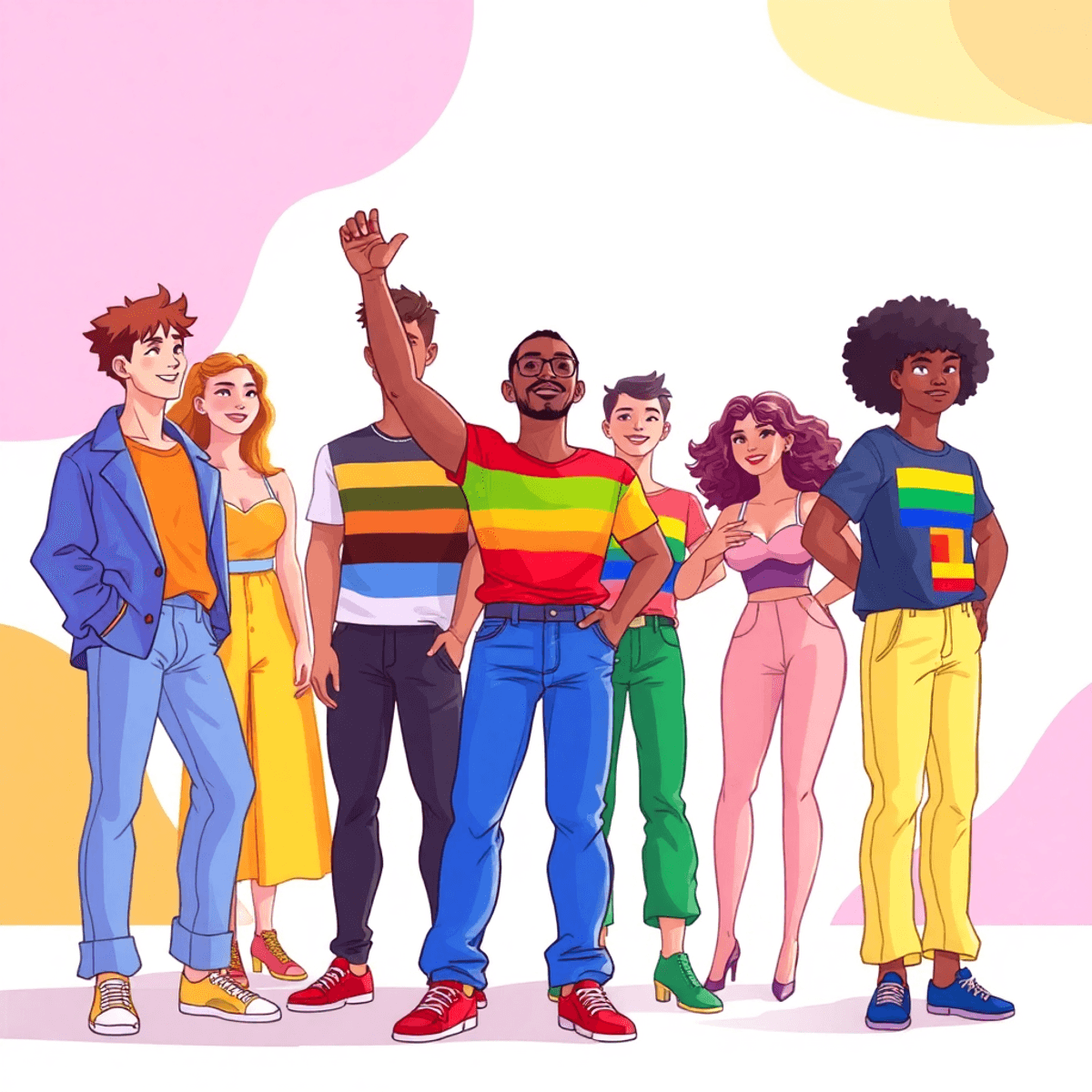
Clothing is more than fabric and thread; it is a powerful tool for self-expression and storytelling, especially within the coming out journey. Your wardrobe can silently narrate your evolving relationship with your LGBTQ+ identity. Each garment you choose carries meaning—sometimes subtle, sometimes bold—reflecting inner truths you’re ready to share with the world.
Fashion often serves dual roles during this journey:
- Protective armor: Concealing vulnerabilities, blending in to avoid unwanted attention or judgment.
- Bold declaration: Announcing pride, authenticity, and confidence to yourself and others.
The shift from hiding in the closet to stepping fully into your authentic self becomes visible through your personal style. Outfits transform from mere clothes into statements of empowerment. They map the path from uncertainty toward embracing who you truly are.
This article explores how clothing tells your coming out story—from quiet beginnings to vivid declarations—and how these sartorial choices shape and reflect your evolving identity.
It's important to note that the power of clothing extends beyond just personal expression; it also intersects with various forms of art and media. For instance, the Power of Art plays a significant role in shaping our understanding of identity and self-expression. Similarly, Music Curation and Technology can influence our fashion choices and how we express ourselves through clothing.
Moreover, it's crucial to acknowledge the significance of Inclusive Practices in Photography. Such practices not only promote diversity but also create an Inclusive Studio Experience, allowing individuals from all walks of life to feel seen and represented.
The Symbolism of Clothing in Coming Out
The symbolism of clothing plays a crucial role in the coming out journey. Items once feared or stigmatized transform into powerful emblems of freedom, pride, and self-acceptance. A garment that might have been hidden away can become a bold statement of identity, signaling to the world—and to yourself—that you are stepping into your truth.
Empowerment Through Fashion
Certain pieces initially associated with fear or shame evolve into personal talismans. For example:
- A rainbow pin once avoided may become a cherished badge of pride.
- Androgynous clothing chosen cautiously at first grows into an effortless daily expression of gender fluidity. These items hold more than aesthetic value; they embody resilience and courage.
Clothing becomes armor that protects but also a banner waving loudly—declaring authenticity without words.
Clothing as a Manifesto
Your wardrobe is not static. It shifts as your identity unfolds, mirroring your evolving moods and intentions:
- Early stages might involve subtle hints through colors or accessories, signaling tentative exploration.
- Later, outfits could serve as full declarations—mixing styles, patterns, and textures that defy societal norms. This evolution reflects internal growth: from concealment to celebration.
The garments you choose speak volumes about where you are emotionally and psychologically in the coming out process.
Personal Stories from the Community
"I remember the first time I wore my partner's leather jacket in public after coming out," shares Alex, a non-binary individual. "That jacket used to scare me because it felt so 'bold,' but wearing it now made me feel invincible—a physical reminder that I own my story."
Another example comes from Jamie, who found comfort in thrift shopping:
"Finding vintage dresses that didn’t fit traditional gender expectations was liberating. Each piece was like reclaiming parts of myself I had buried deep."
These anecdotes highlight how specific garments carry emotional weight beyond their fabric and thread:
- They can mark milestones.
- Celebrate victories over internalized stigma.
- Offer solace during moments of vulnerability.
The LGBTQ+ wardrobe evolution is uniquely personal yet deeply communal—a shared language expressed silently through the clothes worn each day.
This symbolism transforms fashion from mere appearance into a dynamic narrative tool, setting the stage for how identity is performed and perceived next.
In this evolving narrative, pre-session self-care rituals can play a significant role. These rituals can help individuals embrace their bodies and identities fully before stepping out in clothes that represent their true selves.
Moreover, there are styles and themes in boudoir photography which often reflect similar journeys of self-discovery and acceptance that we see in the coming out process.
It's also essential to understand the importance of [consent and safe space creation](<https: data-preserve-html-node="true"//www.misfitslikeme.com>
Fashion as Performance Art in LGBTQ+ Identity
Styling yourself becomes much more than choosing an outfit—it turns into a deliberate act of communication and emotional expression. For many LGBTQ+ individuals, fashion performance art offers a vibrant language through which they share their unique narratives. Each garment, accessory, and color choice can articulate feelings and experiences that words alone struggle to capture.
1. Fashion as Emotional Expression
Clothing communicates layers of identity—joy, defiance, vulnerability, pride—all woven into fabric and form. You might find that the way you put together an outfit mirrors your internal journey, revealing shifts in confidence or acceptance without saying a single word. This concept is similar to the transformative power of boudoir photography, where the focus is on capturing one's self-confidence and personal narrative.
2. Authenticity vs. Societal Trends
The tension between following trends and honoring authentic style is real and persistent. Society often pressures individuals to conform to normative aesthetics, but when your wardrobe genuinely reflects who you are inside, it becomes a powerful statement of self-respect and truth. Choosing pieces that resonate with your true personality rather than fitting external expectations fosters a deeper connection to your appearance—and by extension, to yourself.
In today's digital age, platforms like TikTok have become a significant influence on fashion trends. However, it's essential to remember that trending styles should not overshadow personal authenticity. Consider these points when navigating this balance:
- What garments make you feel most you?
- Are there trends tempting you for acceptance that conflict with your identity?
- How can you adapt styles to honor authenticity while still engaging with the fashion world?
3. Outfits as Vehicles for Personal Storytelling
Certain outfits transcend mere physical appearance; they become symbolic performances that link personal history with community recognition. For example:
A gender-nonconforming person might choose bold makeup paired with tailored suits to challenge binary norms while showcasing elegance on their own terms.
Someone embracing queer identity could incorporate rainbow accessories in subtle ways—a belt buckle or socks—that quietly signal pride in environments where safety is a concern.
These choices create moments of connection with others who see and understand the layered meanings behind the style. The clothes become an unspoken dialogue between wearer and viewer, fostering empathy and belonging.
Clothing as fashion performance art for LGBTQ+ individuals transforms dressing from routine to ritual—a daily act where self-expression meets storytelling. This ongoing performance honors both individuality and shared experience within a community rich with diverse identities.
In this context, plus-size boudoir photoshoots serve as another medium of self-expression, offering stunning ideas that emphasize body positivity and confidence. Just like fashion, boudoir photography can also be seen as an empowering art form that captures confidence tailored to one's unique comfort level.
Moreover, it's
From Closet to Camera: The Role of Photography in Showcasing Identity Post-Coming Out
Photography captures more than just images; it records moments of transformation and self-affirmation. For many LGBTQ+ individuals, the act of stepping in front of the camera after coming out is a powerful declaration of identity and pride. Clothes that once hid secrets become bold statements when photographed, immortalizing the journey from concealment to authenticity.
Photography as Visual Storytelling
1. Boudoir Photography
This genre invites intimacy and vulnerability without explicitness. It celebrates sensuality through soft lighting, delicate poses, and personal styling choices. For someone newly out, boudoir photography can be a gentle yet empowering way to embody confidence and self-love. The focus remains on personal comfort, body positivity, and artistic expression rather than overt sexuality. Studios like mIsFiTs Like ME offer plus-size boudoir photography that emphasizes body positivity and self-acceptance.
2. Erotic Art Photography
More expressive and boundary-pushing than traditional portraits, erotic art blurs the lines between aesthetics and desire. It challenges societal norms around sexuality by portraying queer bodies in ways that defy stereotypes. This form allows individuals to reclaim their narratives through visual metaphors, bold compositions, and unapologetic presentation.
3. Other Genres
Artistic nudes, kink/fetish shoots, or themed photo sessions add layers of complexity to how LGBTQ+ identities are represented. Each style offers distinct opportunities for exploration—from highlighting power dynamics to celebrating alternative expressions of gender and desire.
Safe Spaces for Radical Inclusivity
Studios like mIsFiTs Like ME specialize in creating environments where clients feel seen and respected throughout their photographic journey. Their approach centers on:
- Radical Inclusivity: Welcoming all genders, sexualities, body types, and identities without judgment or limitation.
- Body Positivity: Encouraging clients to embrace their unique forms and stories regardless of mainstream beauty standards.
- Safety & Comfort: Prioritizing client boundaries with clear communication before and during sessions to nurture trust.
This inclusive atmosphere allows photographers and clients alike to co-create images that honor personal truth while pushing creative boundaries. By doing so, photography becomes an extension of fashion’s storytelling power—transforming outfits from mere fabric into vivid symbols of selfhood.
The connection between clothing chosen for these photo sessions and the resulting images is profound. Each garment tells part of your story; the camera captures it with permanence. When you combine intentional styling with a supportive photographic setting, you forge compelling visual narratives that resonate deeply within yourself and with others who share similar journeys.
Exploring this relationship between outfit and image elevates coming out from a private experience into a shared celebration. Such experiences can be further enriched by understanding the therapeutic benefits that come from these photo sessions or by considering factors like color palette selection which can significantly impact the overall aesthetic of the photographs. It's also important to acknowledge the significance of professional ethics
Styling Tips for Outfits That Tell Your Coming-Out Story
Choosing the right outfit during your coming-out journey goes beyond mere aesthetics. It becomes a language that speaks your truth, reflects your evolving identity, and honors your comfort at every stage. When selecting garments, consider these practical tips to align your wardrobe with your personal story.
Embrace Body-Positive Wardrobe Choices
- Prioritize Fit Over Labels: Clothes that fit well empower you more than any brand or trend. Tailored pieces that celebrate your body shape boost confidence.
- Select Fabrics That Feel Good: Soft, breathable materials enhance comfort and ease anxiety about appearance.
- Incorporate Elements That Reflect You: Whether that’s vibrant colors, particular patterns, or textures, choose what resonates with how you feel on the inside.
Outfit Styling Tips for Different Phases of Transition
Early Exploration Phase:
- Opt for subtle cues such as accessories or layering. A rainbow pin on a jacket or shoes with unique details can quietly signal identity.
- Mix traditionally gendered pieces in unconventional ways to test comfort levels without drawing unwanted attention.
Active Coming-Out Phase:
- Bold statements like graphic tees with empowering slogans or expressive makeup styles can amplify self-expression.
- Experiment with silhouette changes—flowy skirts, tailored blazers, or unconventional cuts—to embody new facets of identity.
Post-Coming-Out Confidence:
- Go all-in with signature styles that fully represent your authentic self. This might include vintage items, gender-fluid fashion, or custom designs.
- Layer meaningful accessories—necklaces, bracelets, pins—that tell parts of your story visually.
Balancing Boldness and Subtlety According to Environment
Safety and comfort should guide how loudly you proclaim your identity through fashion.
Assess Your Environment:
- In supportive spaces such as LGBTQ+ events or inclusive workplaces, vibrant outfits and unapologetic styles encourage community connection.
- In less accepting environments, subtle markers like color-coded jewelry or nuanced styling choices provide personal affirmation without risking safety.
Use Fashion as Adaptive Armor:
- Clothing can function as protective armor when needed—soft fabrics and loose fits to avoid drawing negative attention.
- Conversely, it acts as celebratory armor during moments of pride and visibility by embracing eye-catching textures and colors.
Practical Tips to Curate a Personal Style Narrative
- Start With Signature Pieces: Identify one or two items that feel uniquely “you” — maybe a leather jacket, a floral scarf, or personalized sneakers.
- Mix Comfort With Statement: Combine comfort staples like soft tees with standout elements such as bold prints or layered jewelry.
- Rotate Outfits by Mood: Let clothing express fluctuating emotions during the journey — some days call for quiet confidence; others demand vivid celebration.
- Seek Inspiration But Stay Authentic: Follow LGBTQ+ fashion influencers for ideas but always tailor looks to suit your personality rather than copying trends blindly.
- Experiment Within Boundaries: Try new styles in private first before wearing them publicly to build ease gradually.
These styling strategies help you weave together your coming-out narrative through clothing choices that honor vulnerability while celebrating growth. Fashion becomes not just what you wear but how you claim space in the world—on your terms and at your pace.
Embracing Authenticity Through Fashion Post-Coming Out: A Journey Towards Self-Love And Acceptance
Authentic self-expression through fashion becomes a powerful tool in the post-coming out phase. When you align your wardrobe with your true identity, it sparks an undeniable fashion confidence that radiates beyond clothing. This alignment does more than change appearances — it profoundly influences mental well-being by affirming who you really are amidst societal pressures and stereotypes that often seek to confine or misrepresent LGBTQ+ identities.
People who have embraced their authentic style report feeling a release from long-held anxieties and internal conflicts. Their outfits become daily affirmations of self-love, reminding them — and those around them — that their identity is valid, beautiful, and worthy of celebration.
Real Stories of Transformation Through Style
- Jordan’s Experience: After coming out as non-binary, Jordan transitioned their style from neutral basics to vibrant, gender-fluid pieces. Wearing bold patterns and accessories that felt true to their personality helped Jordan not only gain confidence but also connect deeply with community spaces where self-expression is cherished.
- Maya’s Journey: Maya found solace in vintage clothing that resonated with queer icons of the past. Each outfit became a tribute to resilience and history, fostering a sense of belonging and empowerment she hadn’t experienced before.
- Luis’s Bold Statement: Choosing tailored suits in unconventional colors allowed Luis to challenge traditional masculinity norms while expressing his gay identity unapologetically. These sartorial choices boosted Luis’s self-esteem and opened dialogues about diversity within professional settings.
Why Fashion Confidence Matters
Fashion confidence matters because:
- Fashion acts as a visual language for your internal truth
- It helps dismantle fears associated with visibility
- Wearing clothes aligned with your identity supports mental health by reducing feelings of invisibility or dysphoria
- Confident expression through style creates safe spaces for connection, both personally and socially
Embracing fashion as a form of LGBTQ+ empowerment through style means recognizing the transformative power clothing holds—not just as fabric but as a statement of liberation. It invites you to celebrate every nuance of your identity and encourages resilience against societal limitations by showcasing your authentic self in vivid color.
Navigating Safety And Boundaries In Expressive Fashion Choices And Photography Sessions
The journey From Closet to Camera: Outfits That Tell Your Coming-Out Story is deeply personal and often vulnerable. Prioritizing safety in fashion expression means recognizing the unique comfort levels that each individual brings when selecting garments or engaging in photography. Your choices should always enhance your confidence without risking physical or emotional harm.
Understanding Comfort Levels
- Physical safety: Some outfits or accessories might feel empowering but could also present challenges—tight clothing, heavy materials, or restrictive elements can cause discomfort or health issues during extended wear or photo shoots.
- Emotional well-being: Certain garments may evoke powerful memories or feelings. It’s essential to be mindful of these associations and avoid anything that might trigger distress, especially when revisiting personal stories through visual media.
- When you express your identity post-coming out, listen closely to your intuition about what feels safe and affirming. This awareness protects your mental space as much as your body.
Establishing Clear Boundaries with Photographers
Working with photographers who specialize in LGBTQ+ contexts brings opportunities for authentic storytelling but requires clear communication upfront:
- Consent on image usage: Specify how and where images may appear—social media, portfolios, exhibitions—and confirm what you’re comfortable with sharing publicly. Privacy considerations in photography sessions are vital to maintaining control over your narrative.
- Limits on poses and angles: Define boundaries on physical exposure, types of poses, and framing before the session begins. This respects your autonomy while allowing creative collaboration.
- Adjusting comfort on the spot: A good photographer understands if you need to pause, change an outfit, or skip a pose. Flexibility ensures the session stays empowering rather than exhausting or invasive.
For instance, studios like mIsFiTs Like ME exemplify this principle by enforcing strict policies around client safety and privacy. They provide an inclusive environment where clients can explore their identities without fear of exploitation or pressure.
Respecting Boundaries as a Two-Way Street
Boundaries aren’t just personal; they function within the dynamic between you and the photographer or studio:
"Respecting boundaries is not about limiting creativity—it’s about cultivating trust."
Such trust is built when both parties respect established limits while fostering a creative environment.
Balancing Boldness with Safety
Fashion statements during coming out don’t always have to shout. Sometimes subtlety offers protection:
- Consider layered outfits that allow you to reveal or conceal elements based on setting.
- Accessories like pins, scarves, or jewelry can symbolize identity discreetly yet powerfully.
- Choose fabrics and styles that support ease of movement and comfort throughout all activities.
Your style should never force you into unsafe situations—physical threats or emotional discomfort diminish the joy of self-expression.
Navigating these considerations empowers you to harness fashion and photography as tools for self-love without compromising well-being. Respecting your limits fosters authenticity that shines from within every carefully chosen outfit.
To further enhance your photography experience, consider [tailoring your boudoir session for maximum impact and comfort](<https: data-preserve-html-node="true"//www.misfitslikeme.com>
Conclusion
From Closet to Camera: Outfits That Tell Your Coming-Out Story is more than just a change of wardrobe—it's a celebration of identity and an act of courageous self-expression. Clothing becomes a powerful language, a form of storytelling through fashion that captures both personal truths and shared experiences within the LGBTQ+ community.
You hold the power to:
- Transform garments into symbols of pride, resilience, and authenticity
- Use style as a canvas for narrating your unique coming-out journey
- Engage in a wider conversation where your outfit speaks volumes beyond words
Embracing this narrative invites you not only to express yourself but also to connect with others who recognize the significance embedded in every fabric choice and silhouette. Whether your story is told boldly or subtly, through vibrant colors or understated textures, your fashion choices serve as vessels carrying meaning, vulnerability, and strength.
Step into your truth confidently. Let your outfits be more than clothing—they are declarations of who you are and who you aspire to be. Participate actively in this ongoing dialogue where every thread weaves together collective histories, triumphs, and hopes under the expansive LGBTQ+ umbrella.
Your story matters. Your style tells it.
FAQs (Frequently Asked Questions)
How can clothing serve as a means of self-expression during the coming out journey?
Clothing acts as a powerful tool for self-expression and storytelling in the coming out process by allowing individuals to visually communicate their evolving identity. Outfits can serve both as protective armor and bold declarations of one's LGBTQ+ identity, reflecting the personal transformation from hiding to embracing authenticity.
What is the symbolism behind certain clothing items in the LGBTQ+ coming out experience?
Certain garments that were once feared or stigmatized can be reclaimed as symbols of freedom, pride, and self-acceptance during coming out. These clothing items act as manifestos reflecting an individual's identity, mood, and intentions at various stages of their journey, carrying deep emotional significance within the LGBTQ+ community.
In what ways does fashion function as performance art for LGBTQ+ individuals expressing their identity?
Styling oneself becomes an act of communication and emotional expression, where outfits transcend mere appearance to narrate unique personal stories. This performance art balances authenticity with societal trends, encouraging individuals to wear garments that genuinely reflect their true personality rather than conforming to external expectations.
How does photography contribute to showcasing authentic LGBTQ+ identities post-coming out?
Photography, including boudoir and erotic art photography, serves as a potent medium for capturing and celebrating authentic self-expression after coming out. Inclusive spaces like mIsFiTs Like ME facilitate empowering photo sessions that honor diverse identities, enabling individuals to visually share their journeys with pride while emphasizing body positivity and radical inclusivity.
What styling tips can help create outfits that effectively tell one's coming out story?
Selecting garments that resonate deeply with personal truth and comfort is key during different phases of sexual or gender identity exploration. Individuals should balance bold sartorial statements with subtle markers based on their environment's receptiveness or safety concerns, ensuring that fashion choices authentically express their evolving identity while maintaining well-being.
Why is it important to navigate safety and boundaries in expressive fashion choices and photography sessions for LGBTQ+ individuals?
Understanding individual comfort levels when selecting outfits or participating in photo shoots is crucial for physical safety and emotional well-being. Setting clear boundaries regarding consent around image sharing and pose limitations maintains integrity without compromising authenticity during artistic collaborations within LGBTQ+ contexts.