Hotel vs Studio vs Home: Which Looks Most You
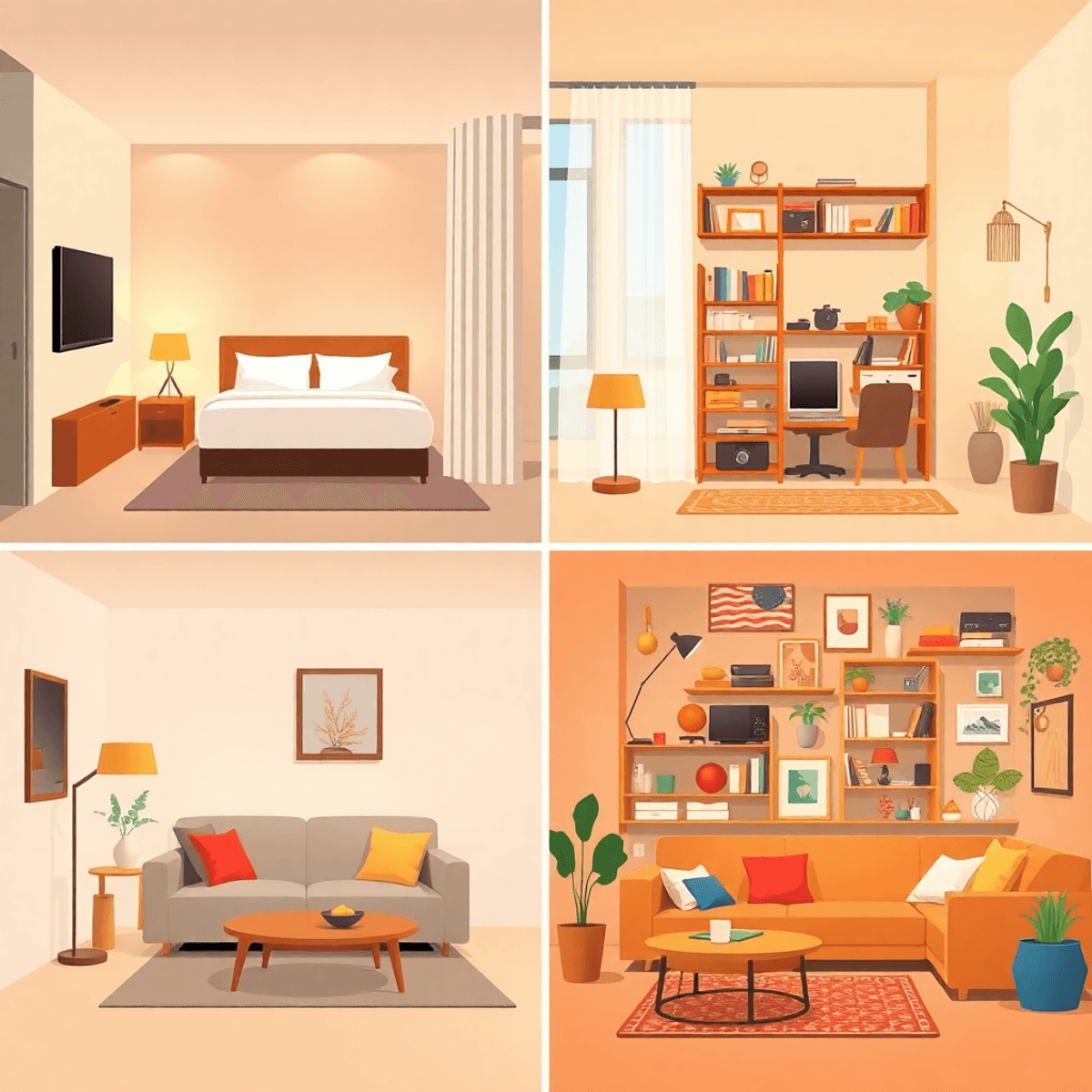
Your environment says a lot about who you are. Whether it's where you live day-to-day or the backdrop for a photo session, spaces reflect personal identity in subtle and striking ways. The choices you make around style, comfort, and self-expression reveal layers of your interior design personality.
Consider three distinct environments:
- Hotel rooms — polished, transient spaces designed for comfort with broad appeal.
- Studio apartments — compact and efficient, blending practicality with personal touches.
- Homes — deeply personalized places shaped by long-term tastes and lifestyle.
Each setting offers a unique canvas for expressing yourself visually and emotionally. This article explores hotel vs studio vs home to help you discover which environment looks most you. Whether you’re choosing your living space or planning a boudoir photography session, understanding these differences will guide you toward surroundings that truly resonate with your style and comfort needs.
Understanding the Unique Characteristics of Each Environment
Hotel Rooms: Polished Neutrality for Transient Comfort
Hotel room design centers on delivering comfort, functionality, and a broad appeal that suits a diverse range of guests. The aesthetics lean heavily into neutral color palettes—soft beiges, muted grays, and crisp whites—that create a blank canvas adaptable to many tastes. These colors work in harmony with warm lighting often set around the 2700K color temperature, producing an inviting, cozy atmosphere without overwhelming the senses.
Furniture in hotel rooms is standardized to maintain consistency across locations and brands. This means you’ll typically find:
- Clean-lined beds with neutral bedding
- Functional desks and chairs built for versatility
- Minimal decorative elements like simple artwork or non-personalized lamps
Personal touches are purposefully limited to keep spaces feeling fresh and universally welcoming. This lack of individual expression ensures every guest feels comfortable stepping into a room without distractions or strong stylistic statements.
Lighting choices serve dual purposes: enhancing the transient comfort while maintaining easy maintenance. Layered lighting systems include bedside lamps, overhead fixtures, and sometimes dimmable sconces that create soft pools of light rather than harsh brightness. This setup prioritizes relaxation and practical use over dramatic mood-setting or personal preference.
Layouts in hotel rooms focus on streamlined efficiency. Rooms are designed to maximize ease of movement and housekeeping—beds placed centrally or against walls, clear paths between furniture, and minimal clutter zones. The goal is a space that functions seamlessly for short-term stays while looking polished at all times.
This environment reflects a sense of neutrality and professionalism rather than personal identity. Its design supports rest and utility but does not encourage personalization. Hotel room aesthetics prioritize universal comfort through controlled colors, lighting, and furniture arrangements suited for transient living rather than long-term self-expression.
Studio Apartments: Compact Efficiency with Personality
Studio apartments are designed to make the most of a small space. They combine living, sleeping, and sometimes cooking areas into one open room. Unlike hotel rooms, which have a generic look, studios allow for personal style while still needing smart solutions to keep things organized.
Key elements defining a studio apartment layout include:
- Multifunctional furniture: Murphy beds that fold into walls, sofas that convert into beds, and tables doubling as desks or dining surfaces help save precious square footage.
- Integrated storage: Cabinets built into walls, under-bed drawers, and vertical shelving capitalize on every inch, keeping clutter at bay without sacrificing style.
- Flexible zones: Visual dividers like rugs, curtains, or bookcases create separation between sleeping, working, and lounging areas without disrupting the openness necessary for studio living.
Decor in studios strikes a delicate balance between practicality and personal style. You can embrace neutral color palettes reminiscent of hotel room aesthetics—soft grays, warm beiges—paired with cozy warm lighting around 2700K to foster comfort. Yet there’s also room for bold accents or curated collections that express individuality. Art prints, plants, textiles with texture, or quirky accessories turn these compact spaces into reflections of who you are.
Challenges arise in avoiding visual clutter while showcasing personality. Since every item counts in a studio’s tight quarters, excessive decor quickly overwhelms the space and disrupts flow. Thoughtful curation becomes essential:
- Limit decorative objects to those with meaning or utility.
- Opt for streamlined designs that complement rather than compete.
- Use storage cleverly to hide less-used items out of sight.
Studio apartments offer a unique blend of efficiency and expression. Their design intent focuses on seamless integration of daily activities within one area while inspiring occupants to imprint their identity on their environment. This contrasts with the more transient hotel room design focused on neutral comfort and the deeply personalized nature of homes with multiple rooms dedicated to different functions.
Understanding these distinctions helps you consider which space feels most “you” when thinking about living environments or settings for intimate photography sessions where surroundings influence mood and authenticity.
Homes: Deep Personalization and Long-Term Comfort
Homes are different from hotel rooms and studio apartments because they give you the freedom to customize multiple rooms based on your lifestyle and preferences. While hotels have a sleek and neutral design and studios focus on being efficient in a small space, home interior design is all about being permanent and diverse, showcasing the unique story of the person living there.
1. Freedom to Customize
In a home, every space—from living room to bedroom, kitchen to study—can be curated with personalized decor that resonates deeply with your identity. This allows for layered expressions of style that evolve over time, unlike the standardized furniture and neutral color palettes common in hotel room aesthetics or the multifunctional constraints of studio apartments.
2. Permanence vs. Transience
Hotel rooms focus on transient comfort using warm lighting (typically around 2700K) and streamlined layouts designed for ease of maintenance and broad appeal. Studios balance space-saving practicality with bursts of personality but lack the variety that multiple rooms provide. Homes offer permanence, enabling you to invest in diverse furnishings—from minimalist Scandinavian designs to maximalist vintage collections—that reflect your preferences without compromise.
3. Reflecting Function Through Design
Interior design in homes goes beyond aesthetics; it supports user experience tailored to daily routines, hobbies, and relationships. For example:
- A cozy reading nook bathed in soft natural light.
- Walls adorned with art representing personal milestones.
- Furniture selected not just for appearance but long-term comfort.
This contrasts sharply with hotel room aesthetics centered on neutral color palettes and generic functionality aimed at short stays.
4. Range of Style Expressions
Homes accommodate an immense spectrum of styles:
- Minimalist homes emphasize clean lines, uncluttered spaces, and muted tones, mirroring a calm, intentional life approach.
- Maximalist homes, as seen in this video, showcase vibrant colors, eclectic furnishings, and layered textures that celebrate individuality boldly.
Each choice is a direct extension of your personality, allowing for deep personalization rarely possible in other environments.
5. Emotional Connection
Personalizing your home nurtures a sense of belonging and security. The tactile familiarity of chosen fabrics, scents from favorite candles, or heirloom pieces contributes to an environment where you feel most yourself—not just visually but emotionally.
Design intent across hotels, studios, and homes fundamentally differs: hotels optimize for transient guests with polished neutrality; studios maximize compact living efficiency infused with personality; homes prioritize long-term comfort through comprehensive personalization. Understanding these distinctions helps you evaluate which environment truly aligns with how you want to live and express yourself.
Which Environment Reflects Your Identity Best? Factors to Consider
Choosing the environment that truly looks most you involves more than aesthetics. It’s about personal expression through space and how your surroundings reflect who you are. Several key factors help clarify which setting aligns best with your identity.
Transience vs. Permanence
- How permanent do you want your space?
- Hotel rooms and studios often cater to temporary stays or compact living, making them ideal if you prefer flexibility or frequently change locations. Homes offer a foundation for long-term comfort and evolving personal style, allowing deeper connection through time and personalization.
- Your vibe may shift depending on your lifestyle stage or goals.
- If you’re in a phase of exploration, transient spaces might feel liberating. For rootedness and stability, a home environment offers grounding that supports sustained self-expression.
Control Over Personalization
- Level of customization dictates how authentically you can express yourself.
- Hotels provide minimal options—mostly neutral palettes designed for broad appeal, limiting personal touches. Studio apartments strike a balance between functional space-saving and adding elements of personality within constraints. Homes grant full creative freedom to curate multiple rooms reflecting layers of your identity.
- Authentic self-expression thrives when you control colors, textures, furniture styles, and decor objects.
- The ability to arrange or modify your environment signals ownership of your space and narrative.
Lifestyle Needs and Practicality
Urban dwellers often face limited square footage, making studio apartments attractive for their efficiency without sacrificing personality. Compact living demands clever use of storage and multifunctional furnishings but challenges clutter management.
Established domesticity favors homes that accommodate diverse activities—workspaces, relaxation zones, entertaining areas—tailored to family life or solo routines alike.
Travel frequency, work-from-home habits, socializing preferences all influence which environment syncs with daily rhythms while supporting your mood and productivity.
Emotional Impact on Confidence and Comfort
Spaces influence how confident and comfortable you feel—key when preparing for intimate moments like boudoir sessions or simply living authentically every day.
“The right surroundings can empower you to reveal your true self unapologetically.”
A hotel’s polished neutrality might feel safe but impersonal; studios provide cozy intimacy with hints of character; homes foster belonging by surrounding you with meaningful objects and familiar textures.
Reflect on what environments spark joy or calm nerves during vulnerable moments. Your choice affects not only visual style but emotional resonance—a crucial aspect when capturing your essence in boudoir photography or embracing daily life.
These factors shape how well an environment reflects you beyond surface appearance—through lifestyle reflection in interiors and choosing your vibe intentionally.
Moreover, it’s essential to recognize the profound connection between our surroundings and our mental state. As highlighted in the podcast episode from Movement is My Constant, the environments we inhabit can significantly influence our cognitive function and emotional well-being.
The Role of Environment in Boudoir Photography Sessions at mIsFiTs Like ME
Choosing the right environment for your boudoir photography session is crucial. It’s about more than just aesthetics; it’s about creating a space where you feel safe, empowered, and truly yourself. The setting directly influences how comfortable you are, which translates into the authenticity and confidence captured in your photos.
Safe and Empowering Spaces
Boudoir photography spaces should foster a sense of security and acceptance. At mIsFiTs Like ME, this means crafting an atmosphere that embraces radical inclusivity and body positivity. The studio is designed to support all identities and preferences without judgment or limitation. You can expect:
- A welcoming environment for LGBTQIA+ clients, kink communities, sex workers, and all genders
- Careful attention to client comfort levels with ongoing communication during sessions
- Strict privacy measures ensuring your experience remains confidential and protected
The studio atmosphere encourages vulnerability in a way that feels safe rather than intimidating.
Radical Inclusivity at mIsFiTs Like ME Studio
The studio’s design prioritizes inclusivity through thoughtful choices in decor, lighting, and layout. Soft yet dynamic lighting enhances natural curves and textures while maintaining an artistic balance between light and shadow. This creates images that celebrate sensuality without being explicit or performative.
Personalization options allow clients to bring elements that reflect their identity—whether through wardrobe, props from the studio’s extensive closet (including fetish or BDSM gear), or simply their presence expressed authentically.
Comparing Boudoir Settings: Studio vs Home vs Hotel
Each environment offers distinct advantages and challenges when it comes to boudoir photography:
Studio Advantages:
- Professional lighting setups optimized for flattering portraits
- Controlled privacy with no interruptions or outside distractions
- Access to diverse props and backdrops enhancing creative expression
- Staff trained to respect boundaries and create empowering experiences
Studio Challenges:
- Some may find studios feel less ‘homey’ or personal initially
- Travel required to reach the location
Home Advantages:
- Maximum comfort in a familiar space
- Personalized environment reflecting your daily life and style
- Convenience of shooting without leaving your residence
Home Challenges:
- Limited control over professional lighting conditions
- Privacy concerns if others share the space or live nearby
- Potential distractions impacting session flow
Hotel Advantages:
- Neutral, polished environments with professional cleanliness standards
- Temporary escape from daily routine offering fresh perspective
- Often more readily available than booking specialized studios
Hotel Challenges:
- Generic decor may lack personal connection or depth of expression
- Possible interruptions from hotel staff or other guests affecting privacy
Choosing between these options depends on what resonates most with you. If you want maximum creative support combined with radical inclusivity, the mIsFiTs Like ME studio provides an exceptional environment tailored specifically for boudoir photography clients seeking empowerment through authentic self-expression.
Aligning Your Setting With Your Identity
When deciding “which looks most you,” consider how each environment aligns with your comfort zone, personality, and what you want to celebrate about yourself. A session location that matches your identity can transform the experience from merely posing for photos into an empowering journey of self-love.
At mIsFiTs Like ME, clients are encouraged to reflect deeply on these choices before booking. Whether you lean toward the professional polish of a studio, the intimate familiarity of home, or the transient neutrality of a hotel room, selecting the right setting can enhance confidence—and by extension—the power behind every captured image.
Practical Tips for Deciding Which Environment “Looks Most You”
Choosing the environment that truly reflects you involves careful self-reflection and thoughtful planning. This process can be both enjoyable and revealing when you approach it with the right tools and mindset.
Create Mood Boards or Lists
Start by gathering visual inspiration that speaks to your preferred atmosphere. Collect images, fabric swatches, color palettes, lighting examples, and furniture styles from hotel rooms, studio apartments, and homes. Use apps like Pinterest or physical boards to assemble these elements.
- Focus on colors that resonate emotionally—warm hues might evoke coziness; cool tones may suggest calm or sophistication.
- Notice textures you gravitate toward: sleek leather, soft velvets, rustic wood, or polished metal.
- Capture lighting styles; ambient hotel lighting differs greatly from natural light flooding a home or the controlled illumination of a studio.
Mood boards clarify what environments stimulate your comfort and creativity. They reveal patterns in your aesthetic preferences that might otherwise go unnoticed.
Assess Emotional Responses
Spend time imagining yourself in each type of space. Ask:
- Does this setting make me feel relaxed or energized?
- Am I confident moving and expressing myself here?
- Would this environment support how I want to be seen in a boudoir session or daily life?
Emotional comfort is essential. You want surroundings that boost your confidence without feeling contrived. Sometimes a space that looks “perfect” visually might not feel authentic internally. Trust your gut feelings as much as your eyes.
Consider Privacy Needs
Privacy is critical when capturing intimate moments, particularly at mIsFiTs Like ME’s sessions. Think about:
- How easily accessible is the location? Could you enter and exit discreetly?
- Will you feel secure changing clothes and posing without interruptions?
- Does the environment allow control over who is present during the shoot?
Hotel rooms may offer neutrality but limited privacy controls. Homes provide familiarity but sometimes less anonymity. Studios like mIsFiTs Like ME specialize in privacy protocols tailored for sensitive sessions.
Consult Professionals Who Respect Your Boundaries
Engage photographers or interior designers who honor your individuality and personal limits.
- mIsFiTs Like ME offers free consultations encouraging open dialogue about your comfort zones.
- Share your mood boards or lists with them to refine ideas collaboratively.
- Discuss any concerns about lighting, poses, wardrobe choices, or privacy upfront.
Expert advice combined with your authentic preferences creates a tailored experience where your environment enhances rather than detracts from your expression.
Preparing for photo sessions includes more than just selecting outfits; it’s about choosing a setting that energizes you mentally and emotionally. Approaching this decision with intentionality ensures the space truly “looks most you.”
Conclusion
Choosing the right environment is a powerful way to express yourself authentically. Whether you are shaping your daily living space or preparing for an intimate boudoir photography session, the setting you select reflects your identity both visually and emotionally.
- Honor your authentic self by considering how each environment—hotel, studio, or home—aligns with your personal style and comfort.
- Recognize that this choice extends beyond aesthetics; it influences how confident and empowered you feel during meaningful moments.
- The mIsFiTs Like ME boudoir experience is designed to support you in choosing the ideal environment where you can fully embrace who you are.
Explore your own style journey by booking a consultation at mIsFiTs Like ME. Together, you can craft a personalized boudoir session that truly looks most you, celebrating your unique expression in a safe, inclusive space. This is not just about photography—it’s about choosing an environment that feels like home to your spirit.
FAQs (Frequently Asked Questions)
What are the key differences in design between hotel rooms, studio apartments, and homes?
Hotel rooms typically feature polished neutrality with neutral color palettes and warm 2700K lighting, focusing on comfort, functionality, and broad appeal through standardized furniture and minimal personal touches. Studio apartments emphasize compact efficiency by combining living functions into one open area, using multifunctional furniture like Murphy beds and storage-integrated pieces to maximize space while balancing practicality with personal style. Homes allow deep personalization and long-term comfort, offering freedom to tailor multiple rooms to individual lifestyle and taste, ranging from minimalist to maximalist decor that deeply reflects identity.
How does the choice of environment reflect personal identity and style?
Each environment—hotel rooms, studios, or homes—reflects personal identity differently through interior design that aligns with function and user experience. Hotel rooms offer transient comfort with a neutral aesthetic suitable for broad appeal. Studio apartments express personality within compact spaces by integrating multifunctional furniture and personalized decor while managing clutter. Homes provide the greatest opportunity for authentic self-expression through diverse styles and personalized furnishings that represent long-term lifestyle preferences and emotional comfort.
Why is selecting the right environment important for boudoir photography sessions at mIsFiTs Like ME?
Choosing an environment that feels safe and empowering is crucial for authentic self-expression during boudoir photography sessions at mIsFiTs Like ME. The studio fosters radical inclusivity with a body-positive atmosphere supporting all identities and preferences. Clients can choose between professional studio settings, home environments, or hotel rooms based on privacy, comfort, aesthetics, and which space resonates most with their identity to ensure a transformative and confidence-boosting experience.
What factors should I consider when deciding which environment “looks most me” for living or photo sessions?
Consider how transient or permanent you prefer your environment to be, the degree of control over personalization for authentic expression, your lifestyle needs such as urban compact living versus established domesticity, and the emotional impact of the space on your confidence and comfort. Privacy needs are especially relevant for intimate photography sessions. Reflecting on these factors helps align your choice with your authentic self visually and emotionally.
How can I prepare to choose the ideal environment for my boudoir session or living space?
Creating mood boards or lists reflecting preferred colors, textures, lighting styles from hotel rooms, studios, or homes can aid in visualizing your ideal space. Assess your emotional responses to different environments regarding comfort level and confidence boost. Consult photographers or interior designers who respect your boundaries and individuality—mIsFiTs Like ME offers free consultations to help tailor a personalized boudoir session that truly looks most you.
What makes mIsFiTs Like ME’s studio unique compared to home or hotel settings for photography?
mIsFiTs Like ME’s studio is designed as an inclusive photography environment that fosters radical inclusivity with a body-positive atmosphere supporting all identities and preferences. Unlike transient hotel rooms or personalized home settings, the studio balances professional aesthetics with a safe space where clients feel empowered to express their authentic selves fully during boudoir sessions. This supportive atmosphere enhances the transformative experience clients seek.