Legal-ish Basics: Model Releases & Usage Rights
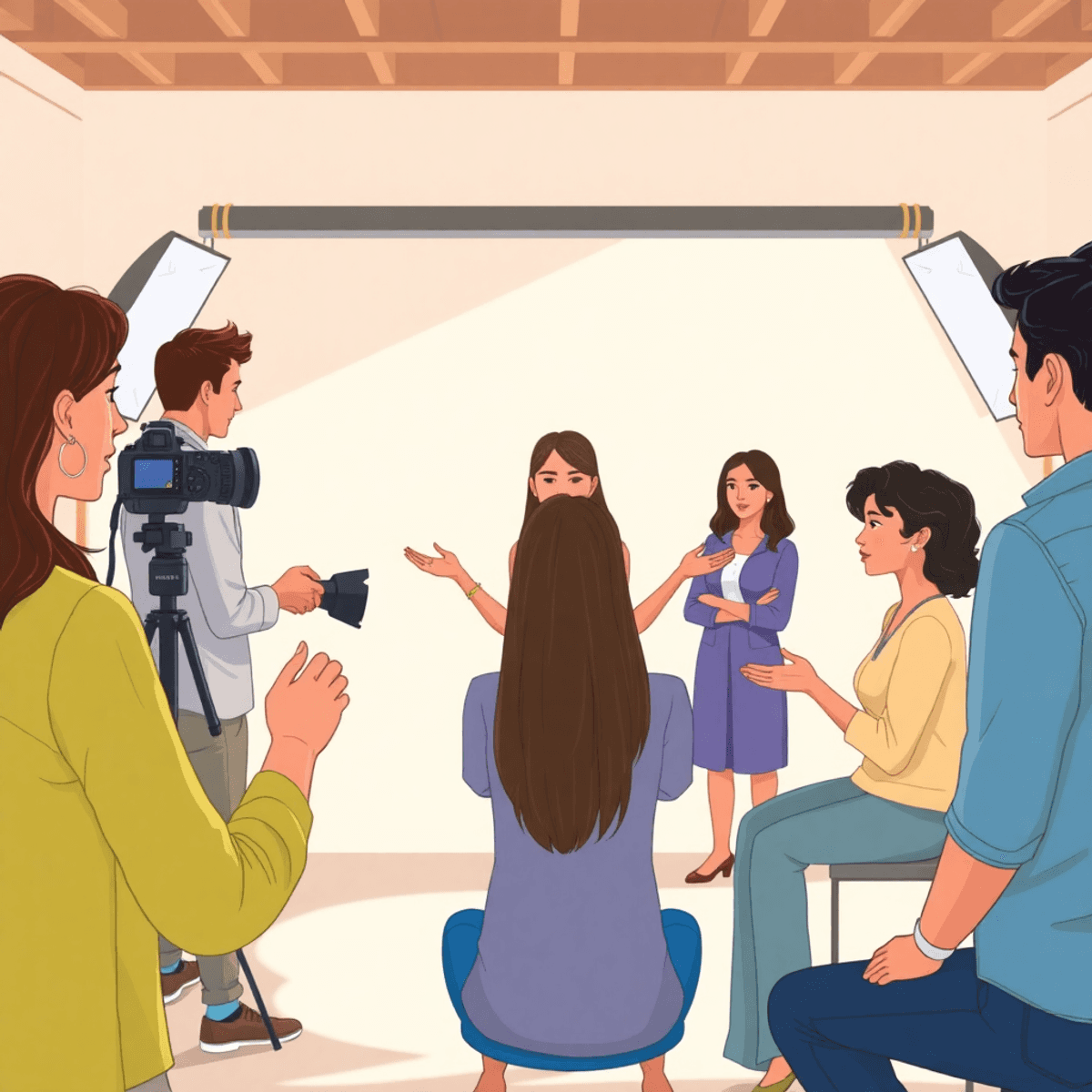
Understanding model releases and usage rights is essential for anyone involved in photography. These legal concepts protect both photographers and subjects by clearly outlining how images can be used and shared. Without this understanding, you risk disputes, unauthorized use, or even legal challenges.
- Model releases are legal documents granting permission to use a person’s likeness in photos or videos.
- Usage rights define where, how, and for what purposes those images may be distributed or published.
This knowledge becomes especially crucial in boudoir photography, where intimacy and personal boundaries play a central role. The niche inclusivity of communities such as LGBTQIA+, kink, and sex work adds layers of complexity around consent, privacy, and respect for diverse identities and expressions.
At mIsFiTs Like ME, we prioritize safe, inclusive, and legally compliant photography practices. Our approach ensures that every client feels empowered while maintaining strict adherence to legal standards. This commitment supports an environment where artistic expression meets clear communication and documented consent.
Navigating the photography legal basics related to model releases and usage rights will help you build trust, avoid misunderstandings, and protect your creative work.
What You Need to Know About Model Releases
A model release is a legal document that grants permission to use a person's likeness captured in photographs or videos. It serves as legal consent in photography, ensuring the subject agrees to the ways their image will be used. This form is essential for photographers and anyone who intends to publish, sell, or distribute images featuring identifiable people.
Who Signs a Model Release?
The individual photographed typically signs the release. If the subject is a minor, a parent or legal guardian must provide consent. This signature confirms awareness of and agreement to the potential uses of their image.
Purpose of a Model Release
The main function is to protect photographers, clients, and users from legal liability. By having documented consent, disputes over unauthorized use become less likely. It acts as proof that permission was obtained before images appear in public or commercial contexts.
When Are Model Releases Required?
Model releases are generally necessary when photos or videos are intended for:
- Commercial use such as advertising campaigns, promotional materials, product endorsements, or selling stock images.
- Usage beyond personal portfolios or private collections where images might generate profit or influence consumer decisions.
Exceptions to Model Releases
Certain situations do not require signed releases:
- Newsworthy events: Coverage of public interest stories or journalistic reporting usually falls under fair use without needing releases.
- Incidental appearances in group photos taken in public spaces.
Legal considerations differ if images are used editorially rather than commercially.
Public Figures and Privacy
Public figures have reduced privacy rights regarding photographs taken in public settings. However:
- Commercial exploitation of their likeness still requires appropriate permissions.
- Unauthorized commercial use may lead to claims of misappropriation or violation of publicity rights.
Understanding these nuances helps photographers navigate when obtaining model releases is legally prudent versus when it might be unnecessary. This clarity safeguards creative freedom while respecting individual rights.
Understanding Usage Rights in Photography Contracts
Usage rights go beyond simply obtaining a model release. While a model release grants permission to use a person's likeness, image usage rights specify where, how, and for how long those photos can be used. This is often clarified through licensing agreements or contracts between the photographer and client.
What Are Image Usage Rights?
Usage rights outline the permissions granted for the use of photographs or videos. They control whether images can be published online, used in advertising, printed in magazines, or kept strictly for personal enjoyment.
Licensing Photos
Licensing is the legal framework that governs these permissions. A photographer may license an image under different terms depending on the client’s needs or intended use.
Clarifying the Scope of Photo Permissions
Defining the scope is critical to prevent misunderstandings or unauthorized usage:
- Commercial Use: Images used to promote products, services, or brands fall under commercial use. This typically requires explicit permission and often higher fees due to broader exposure and potential profit generation.
- Editorial Use: Photos used for news stories, articles, blogs, or educational content usually require less restrictive usage rights. Editorial licenses often prohibit commercial exploitation.
- Personal Use: When clients want photos solely for private enjoyment—such as personal prints or social media sharing within limited circles—the usage rights granted are generally narrow and non-commercial.
Tailoring Agreements to Specific Needs
Detailed contracts allow photographers and clients to negotiate precise terms regarding image usage:
- You can expand usage rights if clients want to use images across multiple platforms, such as websites, social media ads, print catalogs, or merchandise.
- Alternatively, you can limit usage rights by restricting photos from being sold to third parties, preventing commercial exploitation without additional consent.
- Usage rights may also include geographic restrictions (local vs. global use) and time limits (one-time campaign vs. perpetual usage).
Photographers benefit from clearly defining these terms upfront to protect their work and ensure clients fully understand permitted uses. Clients gain confidence knowing exactly how their images will be handled, avoiding surprises about where their likeness might appear.
Legal clarity around scope of photo permissions safeguards both parties and reduces risk of disputes related to unauthorized image use.
Navigating Legal Considerations in Boudoir and Erotic Photography
Boudoir photography legal issues require a heightened awareness of privacy and consent due to the intimate nature of the images. These sessions often capture vulnerable moments, making clear, informed consent essential before any shooting begins. Consent must extend beyond simple model releases to encompass detailed discussions about how images will be used, stored, and shared.
Sensitivity Around Boudoir and Erotic Imagery
Privacy in intimate shoots is paramount. Clients need assurance their images won’t be published or distributed without explicit permission.
Clear documentation protects both photographers and clients from misunderstandings or legal disputes.
Consent should be ongoing; clients must feel empowered to communicate boundaries before, during, and after the session.
Erotic Art vs Pornography: Legal and Artistic Distinctions
Understanding the line between erotic art photography and pornography is critical:
Erotic art photography:
- Focuses on empowerment, aesthetic beauty, and diverse expressions of sensuality.
- Emphasizes artistic intent over explicit sexual content.
- Often presented in galleries, exhibitions, or private collections.
Pornography:
- Primarily created for sexual arousal or explicit entertainment.
- Subject to stricter age verification laws and record-keeping requirements (e.g., US Code §2257).
- Distribution is heavily regulated due to its explicit nature.
The distinction is not only artistic but also legal. Photographers working within erotic art have more latitude for creative expression but must still adhere to laws protecting subjects’ rights and privacy.
mIsFiTs Like ME’s Approach to Legal Compliance and Inclusivity
mIsFiTs Like ME stands out by combining radical inclusivity with rigorous legal standards:
- Privacy is safeguarded through secure handling of all images; no unauthorized sharing or sales occur without client consent.
- The studio adheres strictly to 18 U.S. Code §2257, ensuring all models are verified adults with proper documentation maintained.
- Sessions accommodate a wide spectrum of identities and preferences, including LGBTQIA+, kink, fetish, BDSM, and sex work communities.
- Safety protocols include boundary-setting exercises, video consultations prior to sessions, and mandatory attendance for all participants in sensitive shoots.
- Clients’ comfort levels dictate session flow—breaks are allowed; unexpected reactions are handled with professionalism.
This framework ensures that clients engage in an environment that respects their identity while maintaining full legal protection for everyone involved. Clear communication about legal boundaries around image use supports trust in these intimate creative collaborations.
The intersection of privacy concerns, artistic expression, and legal compliance forms the backbone of ethical boudoir and erotic photography practices. Understanding this interplay empowers both photographers and clients when navigating Legal-ish Basics: Model Releases & Usage Rights.
Best Practices for Photographers & Clients Regarding Model Releases & Usage Rights
Establishing clear communication about how images will be used is essential before the camera even clicks. You and your client should discuss intended purposes—whether for personal keepsakes, commercial advertising, or editorial publishing—to ensure everyone understands the scope of image usage. This upfront clarity prevents misunderstandings and legal complications later on.
Providing clients with release forms that are transparent and tailored to the session type marks a significant step in professional practice. For boudoir photography, include specific clauses addressing privacy concerns, image distribution limits, and consent for sensitive content. These customized releases help clients feel secure and respected, reinforcing trust in the photographer-client relationship.
Maintaining organized records of all signed documents is crucial. Keep physical or digital copies easily accessible to address any future questions or disputes regarding image rights. Proper documentation safeguards both parties by clearly outlining agreed-upon terms and permissions.
Key recommendations for best practices in photography releases and client-photographer agreements:
- Initiate detailed conversations about image use at the booking stage.
- Use simple, jargon-free language in release forms tailored to the session's nature.
- Include clear definitions of permitted usage (e.g., social media, portfolio, commercial sale).
- Address privacy protections explicitly for sensitive content like boudoir or erotic imagery.
- Store all signed releases systematically, whether digitally encrypted files or organized physical folders.
- Periodically review and update release templates to comply with evolving legal standards.
Employing these practices protects your creative work while empowering clients with control over their images. It fosters a professional environment where expectations are aligned and rights respected, setting a solid foundation for successful photography collaborations.
How mIsFiTs Like ME Implements Legal Compliance & Client Empowerment
mIsFiTs Like ME policies prioritize both legal compliance and client empowerment, creating a safe and respectful environment in their inclusive boudoir studio. The approach to model releases and usage rights reflects a commitment to honoring each individual's identity, boundaries, and comfort levels while fully complying with applicable laws.
Thorough Release Processes
- Every client receives release forms that are explicit, clear, and tailored to the specific nature of their session. For example, boudoir-specific clauses address the intimate and sensitive aspects of the work.
- These forms emphasize consent around image usage, clarifying what rights the photographer retains and what control clients maintain over their images.
- Clients are encouraged to ask questions and discuss any concerns about these documents before signing, ensuring informed consent without pressure or confusion.
- Guardians sign releases for clients under 18, maintaining strict adherence to legal requirements.
Radical Inclusivity Meets Legal Rigor
- The studio’s practices reflect radical inclusivity by welcoming LGBTQIA+, kink, fetish, BDSM, sex work communities, and all gender identities 21+.
- Policies accommodate diverse expressions of sensuality while maintaining strict enforcement of US Code §2257 compliance—requirements related to record-keeping for adult content.
- Privacy is paramount; explicit content is never deleted once recorded due to legal obligations but handled with utmost confidentiality.
- Safety protocols include boundary-setting exercises and video consultations before sessions involving kink or BDSM themes to secure affirmative consent.
Client Empowerment Through Transparency
- Prospective clients can initiate consultations through mIsFiTs Like ME’s website where legal aspects are thoroughly explained upfront.
- These consultations cover how images may be used commercially or editorially and what protections clients have regarding distribution.
- Open communication fosters trust; clients understand their rights fully before committing to a session.
- Emphasis on accessibility means no jargon-filled contracts—language is clear and direct.
Key Features of mIsFiTs Like ME’s Legal & Ethical Framework
| Feature | Description |
| Inclusive Release Forms | Customized for session type with clear terms on identity respect and usage. |
| Boundary Respect | Client comfort prioritized through pre-session discussions and ongoing consent. |
| Strict Legal Compliance | Adherence to US Code §2257 ensures lawful handling of adult content documentation. |
| Privacy & Confidentiality | Secure storage of sensitive materials aligned with client expectations. |
| Transparent Communication | Detailed explanations offered via consultation before any agreement is signed. |
Clients at mIsFiTs Like ME experience not only artistry in boudoir photography but also a professional framework that safeguards their autonomy. This combination of inclusivity and legal diligence sets a high standard for ethical practices in niche photography sectors.
Conclusion
Understanding the importance of model releases and how to secure photo usage rights equips both photographers and clients with the tools necessary to foster collaboration built on trust, respect, and clear expectations. Proper documentation is not just paperwork—it is the foundation that protects creative work, personal identities, and legal rights.
Key takeaways to remember:
- Clear communication about image use prevents misunderstandings and legal complications.
- Model releases provide essential consent for using likenesses in photos and videos.
- Usage rights define where and how images can be shared, sold, or displayed.
- Specialized sessions like boudoir, kink, or erotic photography demand heightened sensitivity paired with legal compliance.
- Documenting boundaries and permissions empowers clients while respecting their comfort and privacy.
Those interested in exploring empowering boudoir sessions with full transparency on these Legal-ish Basics: Model Releases & Usage Rights are encouraged to visit mIsFiTs Like ME’s website. Their commitment to radical inclusivity and thorough legal understanding ensures every session is safe, respectful, and creatively freeing.
Engage with experts who prioritize your identity, safety, and artistic vision through informed consent—creating spaces where your story is told exactly how you want it. For further insights into securing permission for specific photo usage scenarios, consider looking at this sample permission letter.
FAQs (Frequently Asked Questions)
What is a model release and why is it important in photography?
A model release is a legal form that grants permission to use a person's likeness in photos or videos. It is signed by the model or their guardian if the model is a minor. This document protects photographers and users from liability by proving consent, especially important for commercial uses like advertising or selling images.
How do usage rights affect the way photographs can be used?
Usage rights define where, how, and for what purposes images can be used beyond just having a signed model release. Clarifying the scope—such as commercial, editorial, or personal use—is essential. Detailed agreements can expand or limit these rights based on the needs of clients and photographers.
Why are model releases and usage rights particularly relevant in boudoir photography?
Boudoir photography involves intimate imagery that requires clear consent due to its sensitive nature. Proper model releases and defined usage rights ensure privacy, respect client boundaries, and legally protect both parties. Additionally, niche inclusivity such as LGBTQIA+, kink, and sex work communities benefit from tailored legal compliance to create safe and empowering experiences.
How does mIsFiTs Like ME ensure legal compliance and inclusivity in boudoir photography?
mIsFiTs Like ME integrates thorough release processes that respect client identities and boundaries while adhering strictly to laws including US Code §2257. Their approach emphasizes radical inclusivity, safety, privacy, and transparent communication to empower clients within legally compliant boudoir sessions.
What are best practices for photographers and clients regarding model releases and usage rights?
Clear communication about intended image uses before shooting begins is crucial. Photographers should provide understandable release forms tailored to session types such as boudoir-specific clauses. Keeping signed documents organized and accessible helps safeguard against future disputes or misunderstandings.
Are model releases always required for using photographs commercially?
Model releases are primarily required for commercial uses like advertising or selling images to protect against liability. However, exceptions exist such as newsworthy events where releases typically aren’t needed. For public figures, privacy considerations differ depending on whether the use is commercial or editorial.