Pelvic floor-friendly boudoir: comfort-first posing
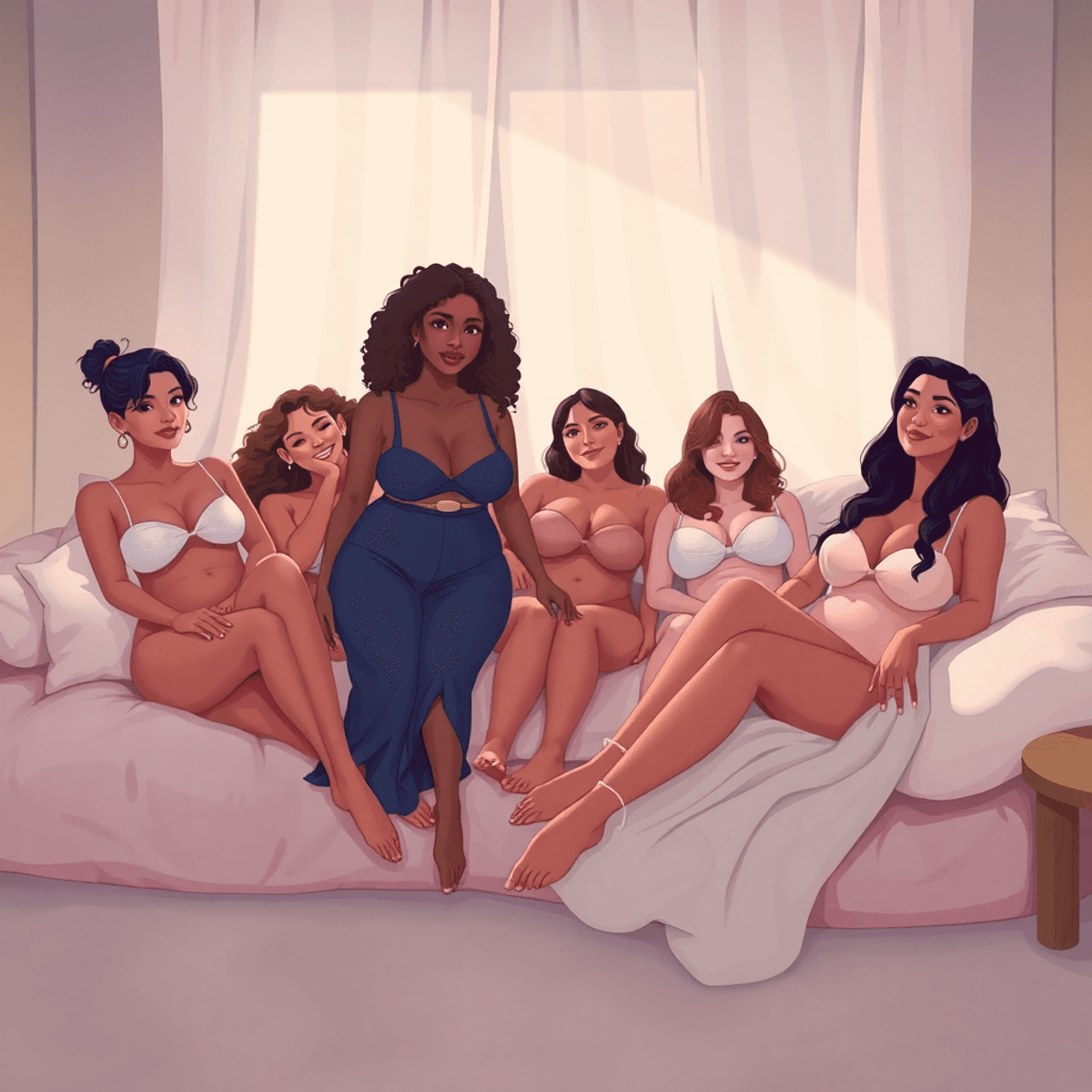
A figure reclining in soft, unhurried light — every angle chosen for how it feels as much as how it looks, in a studio where comfort and beauty are never asked to compete with each other.
Pelvic floor-friendly boudoir centers on comfort-first posing to ensure your experience is empowering, authentic, and physically supportive. This approach acknowledges that intimate photography sessions should honor not only your sensuality but also your body's health—specifically the pelvic floor muscles that play a vital role in comfort and well-being.
Why prioritize pelvic health during boudoir?
- The pelvic floor supports key organs and contributes to core stability.
- Ignoring pelvic comfort can lead to unnecessary pain or tension during poses.
- A focus on pelvic-friendly posing creates space for genuine expressions without physical strain.
mIsFiTs Like ME stands out as an inclusive boudoir studio embracing all bodies and identities with radical acceptance. Specializing in diverse forms of intimate photography, this studio places your comfort and personal boundaries at the forefront. Their ethos combines body positivity with expert care, making every session a celebration of sacred authenticity.
Expect a space where your unique self is honored, where comfort guides the creative process, and where empowerment comes naturally through poses designed with your pelvic health in mind.
Understanding the Pelvic Floor and Its Importance in Boudoir Photography
The pelvic floor muscles are a group of muscles that form a supportive hammock-like structure at the base of the pelvis. These muscles play a crucial role in supporting pelvic organs such as the bladder, uterus (in individuals assigned female at birth), and rectum. In addition to providing structural support, they also contribute significantly to core stability, sexual function, and continence.
Key functions of the pelvic floor muscles include:
- Maintaining organ positioning against gravity
- Regulating urinary and fecal continence
- Facilitating sexual sensation and orgasm
- Supporting posture and spinal alignment
When these muscles are strong and flexible, they promote comfort during various physical activities—including posing for intimate photography sessions. On the other hand, if there is dysfunction in the pelvic floor muscles, it can lead to discomfort, pain, or involuntary muscle contractions that interfere with relaxation during shoots.
Pelvic health is critical for well-being throughout boudoir photography. Poses that place pressure on or overstretch the pelvic region may trigger pain or worsen existing conditions if not adjusted thoughtfully. Clients often come with diverse experiences regarding their pelvic floor health, making awareness and sensitivity essential.
Common Conditions Requiring Special Posing Considerations
Several common conditions require special posing considerations:
- Vaginismus: Involuntary tightening of vaginal muscles causing painful penetration or pressure sensations. This condition demands gentle positioning that avoids strain and encourages muscle relaxation.
- Postpartum recovery: After childbirth, pelvic floor muscles may be weakened or overstretched. Customized supports or cushions can relieve pressure, allowing safe exploration of sensual poses while respecting healing tissues.
- Pelvic organ prolapse: Descent of pelvic organs due to muscular weakness calls for avoiding deep flexion or heavy compression on the abdomen and pelvis.
Understanding these aspects empowers photographers to create a session environment that prioritizes physical comfort without sacrificing creativity. It also fosters trust between client and artist, encouraging authentic expression free from pain or anxiety.
Incorporating knowledge about pelvic floor anatomy and health transforms boudoir photography into an experience that respects the body’s needs—capturing beauty alongside bodily integrity.
The Philosophy of Comfort-First Posing in Boudoir
Comfort-first posing shifts the focus from traditional boudoir photography ideals—often centered on staged, overtly “sexy” poses—to prioritizing your physical ease and emotional well-being. This approach respects your body’s signals and boundaries, creating a more genuine and enjoyable experience.
Key principles of comfort-first posing include:
- Prioritizing comfort over convention. Rather than forcing poses that might look striking but cause discomfort or strain, the emphasis lies on positions that feel natural and pain-free. This means avoiding poses that put unnecessary pressure on the pelvic floor or require holding tension in vulnerable areas.
- Encouraging natural, relaxed postures. The most flattering images often come from moments when you feel at ease—when your body is aligned comfortably without forced angles or stiff positioning. Comfort-first posing invites you to move authentically, breathe deeply, and settle into postures that support your individual anatomy.
- Avoiding strain and tension around the pelvic region. Since the pelvic floor is integral to core stability and overall comfort, poses are chosen to reduce load or constriction in this area. Soft seating, gentle reclining, and mindful leg placement can all contribute to maintaining pelvic ease during the shoot.
This philosophy connects deeply with body positivity by honoring all bodies exactly as they are in the moment. It creates space for self-acceptance rather than pushing toward unrealistic ideals or one-size-fits-all standards. When your comfort takes center stage, your confidence naturally increases—and this authentic empowerment shines through every image.
*“When I feel comfortable in my body, my photos reflect my true self—not just an image I think I should be.”*Comfort-first posing cultivates a collaborative environment where you have agency over how you present yourself. This empowerment often leads to more relaxed expressions, fluid movements, and an intimate connection between photographer and client—key ingredients for meaningful boudoir imagery.
By focusing on natural postures and client empowerment rather than scripted poses, comfort-first boudoir nurtures a safe space where vulnerability is met with respect and celebration of your unique sensuality.
Practical Strategies for Pelvic Floor-Friendly Boudoir Posing
Creating a pelvic floor-friendly boudoir session requires thoughtful adjustments and practical tools to ensure comfort while maintaining artistic integrity. Comfort-first posing hinges on recognizing the unique needs of each client’s body and responding with flexibility and care.
Using Props for Comfort
Props play a crucial role in alleviating pressure on sensitive pelvic areas and supporting relaxed, natural poses. Common props include:
- Cushions and pillows: Placed strategically under the hips, lower back, or knees to reduce strain and create gentle elevation.
- Bolsters or rolled towels: Useful for supporting curves or easing tension in reclining positions.
- Soft blankets or throws: Provide tactile comfort and can be arranged to shield areas prone to discomfort or sensitivity.
These aids allow clients to settle into poses without forcing their bodies into rigid or unsupported positions, helping prevent muscle tightening or pain that compromises both well-being and photographic expression.
Applying Muscle Relaxation Techniques
Incorporating principles from pelvic floor physical therapy enhances safe positioning during sessions. Techniques focus on encouraging muscle relaxation rather than engagement, which is essential when targeting sensitive regions:
- Breathing exercises: Guiding clients through slow, diaphragmatic breathing helps release pelvic floor tension naturally.
- Progressive muscle relaxation: Briefly contracting then releasing pelvic muscles fosters awareness and promotes ease.
- Mindful body scanning: Encouraging clients to tune into sensations allows early detection of discomfort before it escalates.
These methods create a calm internal environment where clients feel physically at ease, enabling more authentic and confident expressions.
Safe Positioning Practices
Understanding safe alignment supports comfort without sacrificing pose aesthetics. Key considerations include:
- Avoiding deep hip flexion or extreme external rotation that may stress the pelvic floor muscles.
- Maintaining neutral spine alignment to prevent undue pressure on lower abdominal and pelvic regions.
- Encouraging frequent position changes to reduce static loading of muscles and joints.
Flexible posing means adapting angles and posture dynamically based on client feedback while preserving flattering lighting and composition.
Open Communication: The Cornerstone of Comfort
Clients must feel empowered to voice any discomfort without hesitation. Establishing clear communication channels before and during the shoot ensures:
- Immediate adjustment or cessation of any pose causing pain or unease.
- Collaborative decision-making in exploring new poses that respect physical boundaries.
- Building trust so clients relax mentally as well as physically.
A session grounded in mutual respect allows you to tailor each moment precisely, resulting in photographs that celebrate sensuality through comfort-first posing.
Pelvic floor-friendly boudoir: comfort-first posing thrives on integrating supportive props, therapeutic muscle techniques, safe positioning, and transparent dialogue. These strategies not only safeguard pelvic health but also enrich the creative process by centering client well-being at every step.
Collaboration Between Photographers and Pelvic Health Experts
Photographer education on pelvic health principles is essential for creating truly inclusive photography practices. Understanding the anatomy, common challenges, and comfort needs related to the pelvic floor allows photographers to approach boudoir sessions with greater sensitivity and expertise. This knowledge helps prevent poses that might cause pain or discomfort, fostering a safer environment.
Collaborating directly with pelvic floor physical therapists or other pelvic health experts can significantly enhance the quality of your sessions. These professionals offer valuable insights into:
- Safe alignment and positioning techniques
- Muscle relaxation strategies
- Identifying signs of pelvic tension or distress
Such partnerships not only improve client comfort but also build trust. When clients know their physical well-being is taken seriously, they are more likely to relax and express themselves authentically during the shoot.
Integrating pelvic health expertise elevates the emotional experience of boudoir photography. Authentic expressions emerge more naturally when clients feel secure and supported physically. This authenticity translates into images that resonate deeply — capturing genuine confidence, vulnerability, and sensuality without forced or awkward posing.
Photographers who invest in this knowledge demonstrate respect for diverse bodies and experiences, strengthening their commitment to radical inclusivity. It sets a new standard where empowerment and care go hand in hand with artistic vision.
Consider these steps for incorporating pelvic health collaboration into your practice:
- Educate yourself through workshops, courses, or reading focused on pelvic anatomy and health.
- Consult with pelvic health specialists when designing session workflows or specific poses.
- Invite experts to co-create pose guides that prioritize client safety while maintaining creative freedom.
- Offer clients access to trusted physical therapists for pre-session advice if they have known pelvic concerns.
- Maintain open dialogue between photographer, client, and health expert throughout planning and execution phases.
This collaborative approach transforms boudoir photography from a simple photo session into a holistic experience centered on empowerment through comfort and respect for physical boundaries.
Creating a Safe, Inclusive Space at mIsFiTs Like ME for Comfort-Centered Sessions
mIsFiTs Like ME is an LGBTQIA+ affirming studio and kink-friendly environment that prioritizes radical inclusivity. This commitment means every client is welcomed and respected regardless of gender identity, sexual orientation, body type, or legal preferences. The studio’s ethos centers on honoring personal stories and unique expressions of sensuality without judgment or exclusion.
Key attributes defining this safe space include:
1. Respect for client boundaries
Each session begins with thorough discussions about comfort levels, consent, and personal limits. Clients are encouraged to voice any concerns or adjustments needed at any point during the shoot. This ongoing dialogue ensures poses never compromise physical or emotional well-being.
2. Safety protocols tailored to individual needs
Beyond standard health and safety measures, mIsFiTs Like ME integrates practices that protect pelvic health and overall comfort. Props like cushions or supports are readily available to reduce strain. Physical space is arranged to foster ease of movement and relaxation, minimizing pressure on sensitive areas.
3. Privacy standards maintaining client empowerment
Confidentiality is paramount. The studio adheres strictly to privacy laws and internal policies that safeguard client identities and images. Clients retain control over how their photos are used, with clear agreements in place regarding copyright and distribution rights. This transparency builds trust, allowing clients to explore their sensuality authentically without fear of exposure beyond their terms.
Clients often describe the atmosphere as nurturing—a place where vulnerability transforms into empowerment through compassionate care and artistic expression. The radical inclusivity practiced here dismantles traditional boudoir barriers, making room for diverse bodies, desires, and narratives to be celebrated safely.
By embedding these principles into every aspect of the session experience, mIsFiTs Like ME redefines boudoir photography not just as an art form but as a healing practice that honors comfort first and foremost.
To deepen our understanding of such healing practices, it's beneficial to explore the field of sexology, which studies human sexuality from various perspectives including biology, psychology, and sociology.
Benefits of Pelvic Floor-Friendly Boudoir Photography for Clients
Prioritizing pelvic health in boudoir sessions transforms the photographic experience. When posing centers on comfort and awareness of the pelvic floor, clients tend to appear more genuine and relaxed in front of the camera. Pain or tension often rigidifies posture and limits natural movement, which can create forced or unnatural expressions. By embracing pelvic floor-friendly boudoir: comfort-first posing, you invite a flow of ease that translates visually into authenticity.
Enhanced Emotional Experience and Authentic Expression
Comfort-focused poses reduce physical distractions, allowing your emotions to surface freely. The absence of pain or discomfort opens space for vulnerability, which photographers capture as true self-expression. Relaxed pelvic muscles aid in maintaining fluidity in body language, contributing to images that feel alive rather than staged.
Clients often report feeling more connected to their bodies during these sessions. This connection nurtures an emotional atmosphere where trust and openness flourish, enriching the photographic narrative with layers beyond surface aesthetics.
Psychological Benefits: Increased Self-Esteem Through Pain-Free, Empowering Poses
Pain-free posing doesn’t just protect your body—it uplifts your mind. Experiencing a shoot without pelvic discomfort fosters confidence because you reclaim control over how your body is presented and celebrated. Empowerment grows from knowing your limits are respected and prioritized. Positive reinforcement during comfortable posing encourages acceptance of all body states, including those affected by common pelvic floor conditions.
This psychological boost often leads to increased self-esteem that resonates well beyond the session itself. Feeling safe and valued creates a foundation for embracing sensuality without judgment or shame.
Long-Term Positive Impact on Client Well-Being
Pelvic floor-friendly practices extend their benefits past the moment captured in the frame: avoiding strain prevents aggravation of existing conditions such as vaginismus or postpartum sensitivities. Gentle positioning supports ongoing recovery processes for those healing from childbirth or pelvic injuries. Encouraging regular communication about comfort promotes self-awareness useful in everyday life and future intimate encounters.
Investing in comfort-first boudoir photography nurtures not only stunning images but also supports holistic wellness. This approach respects your body’s needs while celebrating your unique sensual identity—honoring both physical health and emotional strength simultaneously.
Tips for Clients Preparing for a Pelvic Floor-Friendly Boudoir Session
Preparing for a boudoir session that centers on pelvic floor comfort involves both physical and mental self-care. Paying attention to your body's needs before the shoot can make a significant difference in how relaxed and empowered you feel throughout.
Session Preparation Tips
- Hydrate well: Drinking plenty of water in the days leading up to your session helps maintain muscle elasticity and overall comfort, reducing cramping or tension in the pelvic area.
- Get adequate rest: Quality sleep supports muscle recovery and reduces fatigue, which can otherwise contribute to discomfort during posing.
- Gentle stretching: Light stretches targeting the hips, lower back, and pelvic region can promote flexibility and ease muscle tightness without overexertion.
- Balanced nutrition: Eating nourishing meals stabilizes energy levels, helping you stay focused and comfortable during longer sessions.
Communicating Boundaries
Sharing your specific needs and limitations is essential for a successful comfort-first shoot. You should feel empowered to discuss any pelvic sensitivities, medical conditions like vaginismus or postpartum healing, or general discomforts either when booking or during your initial consultation.
Open dialogue about:
- Previous injuries or surgeries
- Areas that cause pain or require support
- Preferred positions or poses you want to avoid
helps the photographer tailor the session to safeguard your well-being. Remember that no pose is worth sacrificing your physical comfort.
Self-Care Before the Shoot
Choosing comfortable clothing that allows freedom of movement supports relaxation before arriving at the studio. Loose-fitting garments reduce unnecessary pressure on sensitive areas and simplify wardrobe changes.
You might also consider:
- Avoiding tight waistbands or restrictive fabrics
- Wearing soft underwear if planning to bring lingerie
- Bringing layers to accommodate changing temperatures
Discussing your desired limits with your photographer ahead of time creates mutual understanding. This ensures consent is prioritized not just verbally but physically throughout the shoot.
Taking these steps fosters a trusting environment where you can focus fully on embracing your sensuality without distraction from discomfort or worry.
Conclusion
mIsFiTs Like ME stands out among St Louis boudoir photography studios by combining radical inclusivity with a deep understanding of physical well-being. This one-of-a-kind approach ensures that every session honors both your identity and your body's needs, with a focus on pelvic floor-friendly boudoir and comfort-first posing as a core principle.
Here's what you can expect:
- An environment where your comfort and boundaries are respected without question
- Professional guidance that takes pelvic health into account for every pose
- Empowerment through genuine self-expression captured with care and understanding
This dedication elevates boudoir photography from simply taking pictures to creating a sacred space for authenticity and comfort.
If you're ready to have a personalized boudoir session that celebrates your true self while prioritizing your physical well-being, consider this an invitation to book inclusive boudoir session with mIsFiTs Like ME. Visit https://www.misfitslikeme.com to schedule a free consultation or discover how this comfort-focused, body-positive studio can create an empowering experience just for you.
FAQs (Frequently Asked Questions)
What is pelvic floor-friendly boudoir photography and why is comfort-first posing important?
Pelvic floor-friendly boudoir photography is an approach that prioritizes the health and comfort of the pelvic floor during intimate photo sessions. Comfort-first posing emphasizes natural, relaxed postures that avoid strain on the pelvic region, ensuring clients feel empowered and at ease while capturing authentic expressions.
How does mIsFiTs Like ME support inclusivity and pelvic health in their boudoir sessions?
mIsFiTs Like ME is an inclusive, empowering boudoir studio that embraces diverse bodies and identities, including LGBTQIA+ clients. They focus on radical inclusivity, kink-friendly environments, and respect for client boundaries while integrating pelvic health principles to create safe, comfort-centered sessions.
Why is understanding the pelvic floor important for boudoir photography clients?
The pelvic floor muscles support pelvic organs and contribute to core stability and sexual function. Understanding their role helps clients appreciate the importance of poses that avoid discomfort or conditions like vaginismus or postpartum sensitivities, leading to a more comfortable and enjoyable boudoir experience.
What practical strategies are used to ensure pelvic floor-friendly posing during boudoir shoots?
Photographers use props such as cushions for added comfort, incorporate muscle relaxation techniques inspired by pelvic floor physical therapy, maintain safe positioning, and encourage open communication so clients can express any discomfort and adjust poses freely without pressure.
How do photographers collaborate with pelvic health experts to enhance boudoir photography sessions?
Photographers educate themselves on pelvic health principles relevant to posing and may collaborate with pelvic floor physical therapists or experts. This partnership ensures session safety, promotes client comfort, and elevates the emotional experience by capturing genuine, pain-free imagery.
What preparation tips should clients follow for a pelvic floor-friendly boudoir session at mIsFiTs Like ME?
Clients are advised to prepare physically and mentally by staying hydrated and rested before the shoot. Clear communication about any pelvic sensitivities or health concerns is encouraged during consultation. Wearing comfortable clothing and openly discussing personal boundaries with the photographer helps ensure a positive, comfort-first session.