The Truth About Editing: Why Less Retouching = More Power
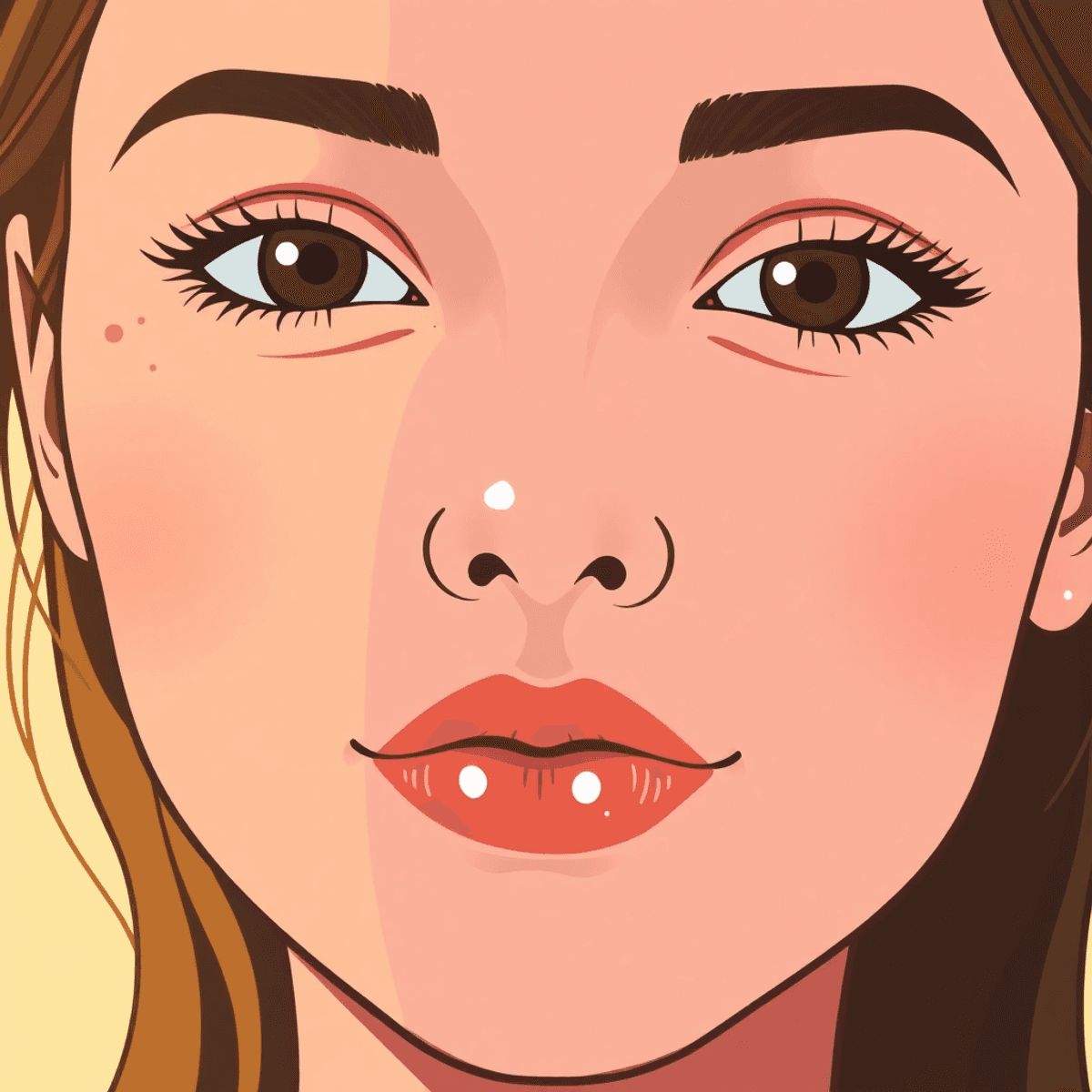
Close-up cartoon portrait of a woman with minimal makeup and soft lighting, showing natural skin texture and subtle imperfections.
In photography, editing and retouching refer to the post-production processes used to alter or enhance images. Editing can include adjustments like color correction, exposure balancing, and cropping. Retouching often involves more detailed modifications such as smoothing skin, removing blemishes, reshaping features, or altering backgrounds. These tools shape how an image communicates its story and emotion.
The debate around photo editing centers on two opposing approaches:
- Heavy retouching: Extensive manipulation aiming for flawlessness and perfection.
- Minimal editing: Subtle enhancements that preserve the subject’s natural appearance.
This discussion is about more than technique; it touches on authenticity in photography and the emotional power that images can hold.
The Truth About Editing: Why Less Retouching = More Power argues that restraint in editing leads to stronger, more genuine photographs. When you limit retouching, you allow natural textures, imperfections, and true expressions to shine through—elements that build trust and connection with viewers. Authentic images resonate because they reflect reality rather than an idealized version of it.
This article explores why embracing minimal editing not only respects the subject’s identity but also enhances the impact of your photography in a world saturated with heavily altered visuals.
Moreover, achieving this authenticity often requires a certain level of emotional preparation from both the photographer and the subject. Understanding the styles and themes in boudoir photography can also aid in creating images that resonate on a deeper level.
Additionally, incorporating music curation and technology into your shoots could enhance the overall experience for your subjects. It's essential to provide an inclusive studio experience, ensuring that every individual feels comfortable and represented. Lastly, applying some helpful tips can significantly improve your photography skills.
The Digital Age's Influence on Photo Editing Trends
The rise of digital photo editing tools has transformed how photographers and everyday users alike approach image creation and enhancement. Social media platforms like Instagram, TikTok, and Snapchat fuel the demand for visually flawless content, making heavy image retouching a widespread practice.
Social Media Influence on Image Perfection
- Users and influencers often feel compelled to present an idealized version of themselves.
- Algorithms favor polished, eye-catching images that garner more likes, shares, and followers.
- This environment encourages frequent use of filters and editing apps that smooth skin, brighten eyes, and reshape features.
Cultural pressures to conform to beauty ideals are amplified online. People compare themselves constantly to heavily edited photos, resulting in unrealistic expectations about appearance. The constant exposure to perfected images creates a feedback loop where authenticity takes a backseat to visual appeal.
Common Trends in Over-Editing
Typical over-editing techniques include:
- Skin smoothing: Eliminating pores and natural texture creates an almost plastic look rather than true skin appearance.
- Feature alteration: Adjusting facial shapes by slimming noses, enlarging eyes, or reshaping jaws changes identity markers.
- Color manipulation: Over-saturating colors or whitening teeth beyond natural limits distorts reality.
- Background modifications: Removing imperfections or adding artificial elements can detach the subject from genuine context.
These trends often strip photos of their character and uniqueness. The pursuit of perfection through digital means can erase the very qualities that make each person distinct. You might notice these effects not just in personal selfies but also in commercial photography, advertising, and editorial spreads aiming for flawless imagery.
The push toward picture-perfect visuals driven by digital platforms impacts both creators and viewers. It raises questions about authenticity and whether the pursuit of perfection sacrifices emotional connection with the audience. This tension sets the stage for exploring why less retouching provides more compelling photographic stories.
In this context, it's essential to understand the importance of cultural sensitivity in modern intimate photography, such as in erotic and boudoir photography, where respect for diverse identities and ethics is paramount while still creating art that resonates emotionally.
The Power of Authenticity: Why Less Retouching is More Effective
Authentic photography thrives on natural beauty and the celebration of individuality in images. Minimal editing plays a crucial role in maintaining these qualities by preserving the true texture and unique features of each subject.
1. Preserving Natural Skin Texture and Imperfections
Heavy retouching often erases skin details, creating an artificial smoothness that disconnects the viewer from reality. When you retain natural skin texture—pores, freckles, scars, and fine lines—you present a more honest image. These imperfections tell stories about a person’s life and character, enriching the photograph with depth and meaning.
2. Showcasing Real Human Features to Foster Connection
Images that highlight genuine human traits allow viewers to relate on a personal level. The subtle asymmetries and distinctive marks form visual cues that communicate authenticity. This connection strengthens emotional engagement because it reflects everyday human experience rather than an unattainable ideal.
3. Encouraging Self-Acceptance Through Truthful Representation
When photographers commit to truthful representation, they contribute to reshaping societal norms around beauty. Authentic photography empowers subjects by showing them as they truly are, not as digitally altered versions. This approach encourages audiences to embrace their own uniqueness instead of striving for perfection dictated by unrealistic standards.
Authenticity challenges the notion that flawless equals beautiful. It invites appreciation for diversity in appearance and personality, making each image not just a picture but a genuine expression of identity. Embracing this philosophy can be transformative, not just for photographers but also for their subjects. It's about understanding the power of art in photography, which lies in its ability to convey truth and foster self-acceptance.
Moreover, preparing oneself mentally and physically before a photoshoot can further enhance the authenticity captured in the images. Engaging in pre-session self-care rituals can help individuals feel more comfortable and confident in front of the camera, resulting in more genuine expressions and poses.
Challenging Unrealistic Beauty Standards Through Minimal Editing
Heavily retouched images often create unrealistic beauty ideals that distort how people perceive themselves and others. When every flaw is erased and features are exaggerated or altered, the result is a homogenized version of beauty that feels impossible to attain. This can severely impact viewers’ mental health by fostering dissatisfaction and self-doubt.
Consider the repeated exposure to airbrushed faces with flawless skin, impossibly slim bodies, and symmetrical features. These images set a bar that not only lacks authenticity but actively promotes unattainable standards. The risk here goes beyond simple comparison—it can lead to chronic low self-esteem, body dysmorphia, anxiety, and depression. The gap between real human diversity and these edited portrayals grows wider with each over-processed photo.
How Minimal Editing Challenges Unrealistic Beauty Standards
Minimal editing pushes back against this harmful cycle by preserving the natural diversity of appearances:
- Skin texture remains visible, showing pores, freckles, scars, and other unique marks.
- Body shapes are respected rather than reshaped to fit a narrow ideal.
- Facial features retain their individuality without artificial smoothing or reshaping.
This approach aligns with body positivity, encouraging people to accept and celebrate their authentic selves. It recognizes that beauty exists in all forms—different skin tones, body types, ages, and gender expressions—and refuses to erase those differences for the sake of conformity.
The truth about editing reveals a powerful message: less retouching equals more power because it honors real human complexity rather than forcing an illusion. By challenging unrealistic beauty standards through minimal editing, photographers contribute to healthier self-images and foster inclusivity in visual culture.
“When we see true diversity in media—warts and all—we begin redefining what is beautiful on our own terms.”
Ethical Considerations in Photo Editing: Balancing Artistry and Integrity
Photography ethics demand a careful balance between creative expression and respect for the subject's dignity. This balance starts well before editing begins, anchored in the priorities of client comfort and safety throughout the entire photo session.
1. Prioritizing Safety and Well-being
The environment in which photos are taken must be safe, supportive, and free from pressure. When clients feel secure, their authentic selves emerge naturally, reducing the temptation or need for excessive retouching later. This foundation supports images that honor the subject’s true appearance rather than manipulating it.
2. Honoring Client Preferences
Consent in editing goes beyond simply agreeing to have photographs taken. It extends to what alterations are acceptable and which aspects should remain untouched. Some clients may want minor corrections like reducing temporary blemishes, while others prefer no changes at all to preserve authenticity. Respecting these boundaries is crucial for maintaining trust.
3. Refusing Compromising Edits
Photographers committed to ethical practices will draw clear lines regarding edits that compromise authenticity or invade personal boundaries. For example, altering body proportions to unrealistic standards or erasing scars that tell a client’s story can be harmful. Such changes risk not only misrepresenting the individual but also perpetuating unrealistic ideals.
Adhering to photography ethics means recognizing that every edit has an impact—on how the subject sees themselves and how viewers perceive beauty standards. Your role as a photographer or editor carries responsibility: creating images that are both artistically compelling and truthful requires integrity, consent, and a commitment to client-centered care.
This is especially pertinent in sensitive areas such as boudoir photography, where the subjects often face societal stigma. It's essential to approach such sessions with utmost respect for the individual's comfort and boundaries. Additionally, [destigmatizing sex work](<https: data-preserve-html-node="true"//www.misfitslikeme.com/st-louis-erotic-and-boudoir-photography/demystifying-stigma-around-sex-workers>) is crucial for fostering a more inclusive society, which further emphasizes the importance of ethical considerations in photography.
Furthermore, it's important to acknowledge that photography can intersect with other fields such as human genome editing. In such cases, ethical considerations expand beyond personal boundaries into areas of scientific integrity and societal implications, necessitating a broader understanding of ethics in various contexts.
The Role of Honesty in Ethical Photography Practices
Honest visual representation is a fundamental principle of ethical photography. When you are open about the extent and nature of edits made to photographs, you build trust between yourself and your audience. This honesty goes beyond technical disclosure; it shows respect for the subjects depicted and the viewers who engage with the images.
1. Openness About Edits
Being clear about what has been changed—whether it's minor color adjustments or more extensive retouching—helps viewers understand the context of the image. This practice prevents misleading impressions that could arise from undisclosed manipulations, preserving the integrity of both the photograph and its narrative.
2. Building Trust with Audiences
Avoiding deceptive alterations means resisting the temptation to create unrealistic portrayals that might seem more appealing but sacrifice truthfulness. When viewers recognize that images are presented authentically, they develop confidence in your work. This trust enhances your credibility and strengthens your connection with your audience.
3. Promoting Healthier Image Relationships
The impact of honest photography goes beyond individual images. It challenges widespread cultural issues related to self-esteem and body image by showcasing visuals that reflect genuine human diversity. Encouraging viewers to appreciate unaltered or minimally edited representations fosters a healthier conversation around appearance and identity.
In this context, inclusive practices in photography play a significant role. Such practices ensure that all individuals feel represented and respected in their photographic experiences. For example, boudoir photography, often misunderstood as solely sexual, is an empowering art form that captures confidence and sensuality tailored to individual comfort levels. This type of photography requires a deep understanding of consent and safe space creation, which further reinforces the need for honesty and transparency.
Moreover, providing clients with tips for boudoir photography sessions can help them feel more comfortable during their shoot, leading to more authentic representations. Ultimately, this commitment encourages photographers to balance their artistic vision with ethical responsibility, reinforcing that authenticity can coexist with creative excellence.
Honesty in photography doesn't diminish artistry—it elevates it by grounding creative expression in reality.
Technical Pitfalls of Over-Editing: Common Mistakes to Avoid for Better Results
Editing mistakes often arise from a desire to perfect images, but The Truth About Editing: Why Less Retouching = More Power lies in knowing when to stop. Excessive digital manipulation can degrade the authenticity and impact of photos.
1. Saturation Issues
Pushing saturation too far results in unnatural colors that distract rather than enhance. Skin tones may shift to unrealistic hues—too orange, too red, or overly vivid—breaking the illusion of reality. When colors become artificial, the emotional connection with the viewer weakens. Instead, aim for balanced saturation that preserves natural vibrancy without exaggeration.
2. Clarity Overuse
The clarity slider is a powerful tool for enhancing texture and detail, but overuse leads to harshness that emphasizes every pore and wrinkle negatively. This makes skin appear gritty or rough instead of soft and lifelike. Over-enhanced clarity can betray the subject’s true appearance, undermining the trust built through honest representation. Use clarity sparingly to maintain subtlety and depth.
3. Loss of Detail from Contrast or Highlight Adjustments
Improper contrast or highlight tweaks can cause significant loss of detail in shadows and bright areas. Blown-out highlights erase fine textures like hair strands or fabric folds, while crushed shadows obscure important nuances in darker regions. This reduction in detail flattens the image’s dimensionality and reduces visual interest. Careful adjustment ensures balance between exposure extremes while preserving critical information.
Avoiding these pitfalls requires restraint and a clear vision for your final image. Focus on adjustments that support authenticity rather than distort it. Minimal retouching not only respects the subject’s natural features but also enhances the image’s power by maintaining realism.
Embracing a Minimalist Approach to Photo Editing for Optimal Outcomes
Minimalist photo editing focuses on preserving the essence of the image while making only essential adjustments to enhance its natural appeal. This approach avoids over-processing and respects the authenticity of the subject.
Essential Adjustments to Prioritize
- White balance correction: Ensures colors appear natural and consistent with the original scene. Proper white balance, which can be achieved using techniques discussed in this white balance issue in Lightroom, eliminates unwanted color casts, which can distract from the subject.
- Gentle skin tone corrections: Subtle tweaks to even out uneven tones without erasing natural texture or unique features. Avoiding heavy smoothing keeps skin looking real and relatable, a principle that aligns with minimalist editing.
The Impact of Subtle Enhancements
Subtle enhancements improve aesthetics by highlighting genuine beauty rather than fabricating it. These small adjustments can:
- Bring out true colors and tones that reflect reality
- Maintain the delicate interplay of light and shadow, which gives depth and dimension
- Avoid creating artificial effects that alienate viewers or distort perception
Incorporating black and white imagery into your minimalist editing style can further enhance visual storytelling. This technique allows for a focus on form, texture, and emotion, stripping away distractions of color while adding a timeless quality to your images.
Consistency Across Viewing Devices
Achieving balanced edits also means ensuring images look good across different screens—from smartphones to professional monitors. Balanced white balance and moderate contrast adjustments, like those found in these color grading tips, help maintain:
- Color accuracy regardless of device calibration
- Visual coherence between prints and digital formats
- An authentic representation that does not rely on exaggerated hues or contrasts
Adopting minimalist photo editing techniques allows you to craft images that feel honest and emotionally resonant. This approach fosters trust with your audience by presenting visuals that celebrate genuine human features rather than manufactured perfection.
Case Study: Embracing Diversity Through Inclusive Photography Practices at mIsFiTs Like ME Studio
mIsFiTs Like ME Studio stands out as a beacon of inclusive photography. Catering specifically to individuals aged 21 and over, the studio embraces radical inclusivity for all genders and identities. This commitment is not just a statement but a core practice shaping every aspect of their work.
Key pillars of the studio’s approach include:
- Privacy, Safety, and Respect: Sessions are conducted with strict adherence to client comfort and boundaries. The environment is designed to feel secure, allowing clients to express themselves fully without fear of judgment or exposure.
- LGBTQIA+ Welcoming Studio: The space actively supports queer, trans, non-binary, and other marginalized identities. This openness ensures that every client finds representation and acceptance.
- Body-Positive Imagery: Instead of conforming to conventional beauty ideals, mIsFiTs Like ME celebrates diverse body types through Plus Size Boudoir, ages, skin tones, and expressions of sensuality.
A critical distinction the studio makes is between erotic art and pornography. Erotic art here is about empowerment—capturing natural sensuality while honoring personal identity exploration. Photographs are created with an intent that uplifts rather than objectifies.
Minimal retouching plays a vital role in maintaining this ethos. By avoiding heavy editing techniques that alter physical traits drastically, the studio preserves the authenticity of each individual’s unique features. This approach reinforces self-acceptance and challenges societal pressures to look a certain way.
The result is powerful visual storytelling that:
- Highlights real human experiences
- Honors identity without distortion
- Encourages clients to embrace their bodies and narratives as they are
mIsFiTs Like ME proves that inclusive photography paired with minimal retouching can redefine how we see beauty, intimacy, and personal empowerment through the lens of art. The studio's commitment to professional ethics in photography further solidifies its stance on respect and integrity in every session.
Moreover, the therapeutic benefits of such inclusive practices are profound. Each session not only serves as a means of artistic expression but also provides therapeutic benefits for clients, allowing them to explore and celebrate their identities in a safe space.
Additionally, the studio's expertise in color palette selection enhances the visual impact of their work, creating stunning imagery that resonates deeply with clients.
The Transformative Power of Less Retouched Boudoir Photography: Enhancing Intimacy Through Authenticity
Boudoir photography authenticity thrives when less retouching is applied. This approach invites clients to embrace their true selves without the pressure of conforming to unrealistic ideals. Rather than masking natural features, minimal editing highlights the unique beauty and personality each individual brings to the session.
Embracing True Selves in Intimate Portraiture
- Empowerment through honesty: When clients see themselves reflected authentically, they connect more deeply with their images. This connection fosters self-love and confidence, which are central to the intimate portraiture power inherent in boudoir photography.
- Reducing anxiety: Excessive retouching can create a disconnect between how clients perceive themselves and how they appear in photos. Minimizing edits helps alleviate this tension by presenting a realistic version that clients can genuinely own.
- Capturing individuality: Every scar, freckle, and wrinkle tells a story. Choosing to preserve these details transforms photographs into visual narratives that honor lived experiences instead of erasing them.
The Role of Light and Shadow Balance
Lighting techniques play a crucial role in enhancing natural beauty without relying on heavy digital alterations:
- Subtle use of shadows: Shadows sculpt the body gently, emphasizing curves and contours while maintaining softness. This natural shaping can replace artificial reshaping often done in post-production.
- Soft lighting: Diffused light reduces harsh contrasts that usually prompt aggressive retouching. It also highlights skin texture in a flattering way that feels genuine rather than fabricated.
- Highlighting natural tones: Balanced lighting preserves authentic skin tones, avoiding oversaturation or unnatural color shifts common in over-edited images.
Why Minimal Editing Amplifies Intimacy
The intimacy captured in boudoir photography stems from vulnerability. When clients know their real appearance is respected and celebrated:
- They relax more during sessions, leading to expressions and poses that reveal deeper emotions.
- Photographers capture moments of genuine connection instead of staged perfection.
- The resulting portraits resonate emotionally with both subjects and viewers, breaking down barriers created by polished but impersonal images.
This philosophy is at the heart of The Truth About Editing: Why Less Retouching = More Power. It champions authenticity as a source of strength rather than flaw, transforming boudoir photography into an empowering art form where intimacy and truth coexist beautifully.
Moreover, tailoring your boudoir session for comfort and impact can further enhance this experience. Whether it's choosing the right setting - be it studio, home or outdoor - each element plays a crucial role in achieving stunning results.
For those who may feel apprehensive about participating in a boudoir shoot due to body image concerns, there are numerous stunning ideas for plus-size and curvy boudoir photoshoots that emphasize body positivity and confidence.
Lastly, it's important to note
Encouraging Dialogue on Vulnerability and Self-Acceptance Through Unaltered Images
Unaltered images serve as powerful catalysts for conversations about identity, vulnerability in art, and self-acceptance. When you present photos without excessive editing or digital manipulation, you invite viewers to engage with the raw and genuine essence of the subject. This openness challenges societal norms that often prioritize flawless appearances and instead celebrates imperfection as a form of strength.
1. Vulnerability in Art
Showing authentic human features—freckles, scars, wrinkles, body hair—brings an emotional depth that heavily retouched images rarely achieve. Vulnerability emerges naturally when subjects are portrayed honestly, creating a connection that feels intimate and relatable rather than staged or artificial.
2. Self-Love Messages Through Photos
Unaltered photos broadcast messages of self-love by validating diverse bodies and identities exactly as they are. They reject the pressure to conform to unrealistic beauty standards imposed by media and advertising. This validation encourages individuals to embrace their own uniqueness rather than striving for an unattainable ideal.
3. Sparking Identity Conversations
When audiences see images that reflect real life without filters or edits, it opens up dialogue about what it means to feel comfortable in one’s skin. These conversations can touch on gender expression, body positivity, mental health, and cultural diversity. They foster empathy by highlighting shared experiences rather than differences masked by digital perfection.
4. Celebrating Imperfection as Strength
Embracing flaws visually disrupts the myth of perfection. Imperfections become symbols of resilience and authenticity rather than shortcomings to hide. This perspective shift empowers both photographers and subjects to redefine beauty on their own terms.
Encouraging vulnerability through unaltered imagery aligns photography with broader movements advocating honesty and inclusivity. It positions visual storytelling as a tool for social change by promoting acceptance at every level—from personal identity to collective cultural understanding.
Conclusion
The journey through The Truth About Editing: Why Less Retouching = More Power reveals a crucial insight: truthful image representation holds unmatched strength. When you embrace minimal retouching, you unlock the power of natural beauty—the authentic textures, unique features, and genuine imperfections that make every individual compelling.
Key takeaways to remember:
- Authenticity fosters connection. Real images invite empathy and understanding, bridging the gap between subjects and viewers.
- Minimal editing supports self-acceptance. By showcasing unaltered human forms, you contribute to dismantling unrealistic beauty ideals that harm mental health.
- Ethics and artistry can coexist. Respecting boundaries and transparency about edits enhances trust without compromising creative expression.
- Technical restraint improves quality. Avoiding over-processing prevents unnatural results and preserves the integrity of the photograph.
- Inclusive practices enrich storytelling. Studios like mIsFiTs Like ME demonstrate how embracing diversity and radical inclusivity transforms visual narratives into empowering experiences.
Choosing less retouching is not a limitation but a deliberate artistic choice that amplifies realism and emotion. When you prioritize honest representation in your photography or visual media, you invite audiences to see beyond surface appearances—celebrating depth, vulnerability, and true beauty.
Let this perspective guide your approach to editing: aim for enhancement rather than alteration. Let natural light, subtle adjustments, and genuine moments tell the story. The power lies not in perfection but in authenticity.
FAQs (Frequently Asked Questions)
What is the central argument for minimal retouching in photography?
The central thesis is that less retouching leads to more powerful and authentic images by preserving natural beauty, fostering relatability, and encouraging self-acceptance through truthful representation.
How has the digital age influenced photo editing trends?
Social media and digital platforms have popularized heavy image retouching due to cultural pressures to present perfect images online, leading to common over-editing trends such as skin smoothing and feature alteration.
Why is authenticity important in photography according to the discussion on editing?
Authenticity preserves natural skin texture and imperfections, showcases real human features that foster connection, and challenges unrealistic beauty standards, promoting individuality and mental well-being.
What ethical considerations should photographers keep in mind regarding photo editing?
Photographers should prioritize client comfort and consent, honor subjects' preferences about edits, refuse alterations that compromise authenticity or personal boundaries, and maintain honesty about what has been edited to build trust.
What are some technical pitfalls of over-editing photos to avoid?
Common mistakes include overuse of saturation causing unnatural colors, excessive clarity exaggerating skin texture negatively, and loss of detail from improper contrast or highlight adjustments.
How does a minimalist approach to photo editing enhance photographic outcomes?
Minimalist editing involves essential adjustments like white balance correction and subtle skin tone enhancements that improve aesthetics without distorting reality, ensuring consistency across viewing devices while maintaining authenticity.