What Happens When You Bring Your Own Playlist? Real Outcomes
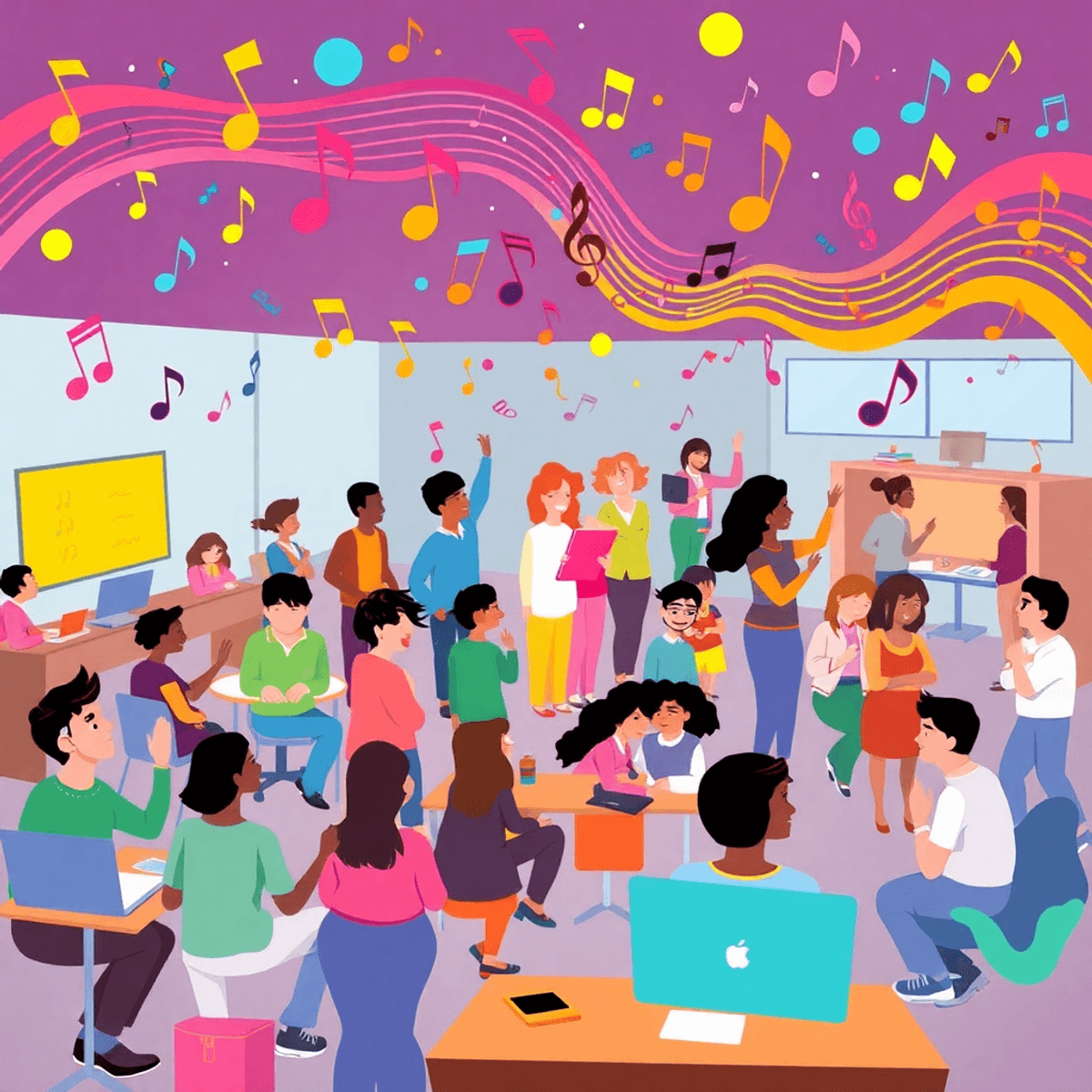
What Happens When You Bring Your Own Playlist? Real Outcomes explores the impact of personalized music in everyday life. To bring your own playlist means selecting and playing music that you have curated yourself, rather than relying on a pre-set or generic list. This practice has grown in popularity due to the rise of streaming platforms and portable devices that make personalized listening accessible anywhere.
Personalized music plays a significant role in various settings:
- Enhances work and study environments by matching individual preferences
- Enriches social gatherings through familiar and meaningful songs
- Supports emotional well-being by aligning with mood and memories
This article focuses on the real outcomes that emerge when you bring your own playlist. It examines psychological effects, educational benefits, social dynamics, practical applications beyond learning, and important considerations for respectful use. Understanding these aspects helps you appreciate how personalized music can transform experiences across different contexts.
In a similar vein, the concept of personalization extends beyond music into other areas such as photography. For instance, Plus Size Boudoir photography allows individuals to express their unique identity and confidence through curated images. This form of photography is not solely about capturing sensuality; as debunked in this myth about boudoir photos, it also serves as an empowering art of self-expression tailored to one's comfort level.
Moreover, just like how a carefully selected playlist can enhance the atmosphere of a social gathering or work environment, the choice of color palette in boudoir photography can significantly impact its aesthetic appeal. It's essential to consider professional ethics when engaging in such personal photography sessions, ensuring respect for the subject's comfort and boundaries.
Additionally, the world of boudoir photography is becoming increasingly inclusive with the rise of queer friendly boudoir photography, allowing individuals from all walks of life to embrace their bodies and express their identity.
The Psychological Impact of Bringing Your Own Playlist
Personalized music has a strong influence on your thinking ability and emotions. When you listen to music that you have chosen yourself, the familiar sounds and rhythms engage your brain more effectively than random or unfamiliar music. This connection improves memory retention by creating stronger links between the melodies and lyrics you know well.
Cognitive Benefits:
- Personalized playlists can improve focus and information processing.
- Familiar tunes serve as memory aids, helping you remember things better.
- Music with a preferred tempo can regulate your mental pace, which is useful for tasks that require long periods of concentration.
The ability to choose tracks that match your current mood or desired emotional state allows you to effectively manage your emotions. Whether it's calming sounds to reduce stress or lively songs to boost your spirits, personal playlists act as tools for controlling your feelings.
Emotional Enhancements:
- Playing music you love reduces stress levels.
- Familiar songs bring back happy memories and improve your mood.
- Music that meets your emotional needs helps you bounce back during tough times
This is where the therapeutic benefits of personalized playlists come in. They can help you emotionally prepare for different life situations, including pre-session self-care rituals before important events like a boudoir photoshoot.
Motivation often suffers without the right stimulus. By choosing your own playlist, you inject personal relevance into your environment that fuels motivation and encourages sustained engagement. The predictability of favored songs maintains energy levels and creates a sense of personal investment in the task at hand.
Motivational Role:
- Customized playlists boost drive by aligning with individual tastes.
- Rhythmic patterns in music synchronize with physical movement, enhancing productivity.
- A self-curated soundtrack provides a reward system that reinforces persistence.
Bringing your own playlist transforms passive listening into an active psychological tool. You gain control over cognitive stimulation, emotional balance, and motivational support through carefully selected music that speaks directly to your preferences and needs. Additionally, these playlists can also serve as a form of [emotional preparation](<https: data-preserve-html-node="true"//www.misfitslikeme.com/st-louis-erotic-and-boudoir-photography/tag/Emotional+Preparation>) for experiences such as boudoir photography sessions where self-confidence is key.
In these contexts, understanding the different styles and themes in boudoir photography can further enhance the experience, making it more relatable and enjoyable when paired with a personalized soundtrack. Moreover, it's worth noting how personalized music can also positively affect our health by reducing stress levels and improving overall wellbeing.
Enhancing Learning and Engagement Through Personal Playlists
Personal playlists have found a significant role in educational settings, transforming traditional approaches to learning. When students bring their own music, classrooms shift toward multimodal learning, engaging multiple senses simultaneously for deeper understanding.
Use of Personal Playlists in Classrooms
Allowing students to use personal playlists during study sessions or creative tasks enhances focus and motivation. Music tailored to individual preferences helps reduce distractions, creating a personalized auditory environment conducive to concentration. Teachers who integrate this concept provide learners with agency over their study habits, leading to increased student engagement and ownership of the learning process.
Integrating Music with Academic Subjects
Music intertwines naturally with subjects like language arts, history, and social studies:
- Vocabulary through lyrics: Songs expose students to new words and phrases in memorable contexts. Lyrics often contain idiomatic expressions, slang, or poetic devices that textbooks may not cover effectively.
- Historical songs: Period-specific music immerses learners in the cultural atmosphere of an era. For example, Civil Rights Movement songs anchor historical facts emotionally, making events more relatable.
- Language acquisition: Repetition in songs supports pronunciation practice and grammar recognition without the monotony typical of drills.
Teachers can encourage students to create playlists aligned with their coursework, using music as both a mnemonic device and an emotional anchor for academic content. The impact of music on learning is profound, as it not only aids in retention but also makes the learning process more enjoyable.
Impact on Sensory Engagement and Memory Retention
Engaging multiple sensory pathways enhances memory retention. When students listen to self-selected music while studying or reviewing material, they activate auditory processing along with visual or kinesthetic learning modes. This multimodal stimulation strengthens neural connections related to the content.
Research suggests music can trigger emotional responses that make information more salient. Emotional arousal linked with preferred music increases attention span and consolidates memories more firmly. Students often report improved recall when associated songs cue particular study topics.
Practical Considerations
- Encourage playlists that complement task type—instrumental or low-lyric tracks suit analytical work; lyrical songs fit language arts.
- Respect diverse musical tastes while maintaining an inclusive environment free from distractions or offensive content.
- Use playlist sharing as a community-building activity where students exchange educationally relevant tracks.
Harnessing personal playlists within educational contexts leverages intrinsic motivation and sensory engagement, boosting not only enjoyment but measurable academic outcomes through enhanced content retention and active participation. Additionally, incorporating elements from boudoir photography sessions could further enhance student creativity during such tasks by providing a unique perspective on self-expression through imagery. Moreover, the principles of Black and white imagery in visual storytelling can also be integrated into the curriculum for subjects like art or media studies, enriching the overall learning experience.
Social and Community Outcomes of Sharing Playlists
Sharing playlists goes beyond just exchanging songs—it actively builds social connection and deepens community building. When you bring your own playlist into a group setting, you invite others into your personal world, revealing tastes, moods, and memories tied to those tracks. This act of sharing creates points of resonance where people recognize shared experiences or discover new perspectives through music.
How Sharing Playlists Fosters Social Bonds and Inclusivity
- Shared musical tastes serve as common ground, instantly bridging gaps between strangers or acquaintances. People naturally gravitate toward others who enjoy similar genres or artists.
- Playlists become conversation starters. Discussing why certain tracks were chosen encourages storytelling, laughter, and empathy.
- Music acts as an emotional connector; when someone listens to your playlist, they experience a piece of your identity and feelings.
- Group playlist sessions can democratize control over the atmosphere, giving everyone a voice in molding the environment.
Role in Creating Safe Spaces for Diverse Identities
Music is a powerful tool for expressing identity—especially within marginalized communities like LGBTQIA+ and kink groups. Personal playlists often reflect the unique journeys and cultures within these spaces:
- Curated playlists can include anthems of empowerment, resilience, or celebration that resonate deeply with community members.
- Sharing these musical selections helps validate diverse identities by honoring their stories through sound.
- Playlists facilitate inclusivity by inviting respectful listening to experiences outside one’s own background.
- In spaces like mIsFiTs Like ME studio sessions, music supports radical inclusivity by fostering comfort and acceptance. These sessions also emphasize the importance of consent and safe space creation, ensuring that every individual feels secure while expressing their unique identities.
Encouraging Openness and Personal Investment Through Music Sharing
When you share your playlist, you demonstrate vulnerability by exposing personal preferences—this encourages others to reciprocate openness:
"Music is one of the most intimate ways we communicate who we are without words."
- This mutual exchange strengthens trust and personal investment in relationships.
- Listeners often feel more connected knowing someone's playlist was thoughtfully crafted rather than randomly shuffled.
- The act of sharing becomes a ritual of bonding where tunes tell stories that words sometimes cannot fully capture.
The social impact of bringing your own playlist ripples through many layers—building connections, nurturing identity affirmation, and cultivating environments where everyone’s voice can be heard through music. Furthermore, understanding cultural sensitivity in such interactions can enhance respect for diverse identities while sharing music or art.
Practical Applications Beyond Education
Personal playlists provide significant advantages when you take control of your auditory environment in work, social, or personal settings. By tailoring the soundtrack around you, it becomes easier to enhance focus improvement or trigger relaxation techniques.
Benefits of controlling your auditory environment:
- Customized productivity boosts: Selecting music that matches your workflow can help block distractions and maintain steady concentration. For instance, instrumental or ambient tracks often aid deep work by minimizing lyrical interruptions.
- Stress management: When facing anxiety or tension, choosing calming melodies or nature sounds can actively reduce stress levels and promote emotional balance.
- Mood regulation: You can shift from lethargy to energy or vice versa simply by adjusting your playlist to suit your needs. Music's profound ability to influence our emotions is well-documented; it can significantly impact our emotional health and well-being.
Use cases for enhancing concentration or relaxation:
- Focused work sessions: Many professionals use playlists featuring repetitive rhythms or binaural beats to synchronize brainwaves and improve sustained attention.
- Creative tasks: Ambient electronic or jazz playlists stimulate imagination without overwhelming cognitive resources.
- Relaxation breaks: Soft acoustic, classical compositions, or guided meditation tracks facilitate unwinding and mental clarity during short pauses.
- Physical activity: Upbeat tempos encourage motivation during exercise routines while mellow songs help cool down muscles.
Influence on social interactions through curated playlists:
Music sets the tone for gatherings—whether casual hangouts, formal meetings, or celebrations. Carefully chosen playlists can:
- Create welcoming atmospheres that encourage openness and connection among attendees.
- Reflect shared values and identities, strengthening group cohesion.
- Signal the intent of an event—energizing party vibes versus laid-back lounges.
You gain agency in shaping both your internal state and external environment by managing what you listen to. Personal playlists become tools not only for entertainment but also for optimizing performance, well-being, and social dynamics.
Considerations for Safe and Respectful Use of Personal Playlists
Respecting boundaries and comfort levels is essential when personal playlists enter shared spaces. In group settings, music is a deeply personal expression tied to individual identity and mood. Playing someone else’s playlist without consent can unintentionally disrupt the atmosphere or trigger discomfort. You should always seek permission before introducing personal music into communal environments.
Key practices to maintain respect and inclusivity:
- Ask and inform: Before sharing a playlist, clarify the nature of its content. This helps others prepare or opt out if needed.
- Honor silence and alternatives: Not everyone wants continuous music; some prefer silence or ambient sounds. Provide options or breaks between tracks.
- Set clear boundaries: Establish guidelines around when and how playlists can be shared, especially in professional or sensitive social contexts.
Balancing openness with safety draws on principles seen in inclusive studio environments like mIsFiTs Like ME, where privacy and well-being are prioritized alongside radical inclusivity. Here, transparency about content and mutual respect form the foundation for safe interactions.
Handling explicit content responsibly ensures that personal playlists contribute positively without compromising safety:
- Label explicit tracks clearly: Identify songs with explicit lyrics or themes upfront to avoid unintended exposure.
- Use discretion in public spaces: Avoid playing explicit material loudly in mixed company unless it is explicitly welcomed by all present.
- Respect individual triggers: Some listeners may find certain topics or language distressing. Awareness and accommodation prevent harm.
- Implement opt-in policies: Let participants choose whether they want to engage with more provocative playlists.
Privacy plays a significant role when sharing playlists tied to identity or intimate themes. The comfort level of participants depends on knowing their preferences will be respected without pressure to conform or disclose beyond what feels safe.
Inclusivity means creating spaces where diverse tastes coexist harmoniously, not where one person’s preferences dominate at the expense of others’ well-being. Music sharing becomes a tool for connection only when boundaries are honored, privacy upheld, and emotional safety maintained.
This careful navigation promotes an environment where personal playlists elevate experiences rather than complicate social dynamics. Such principles are also relevant in tailoring boudoir sessions for maximum comfort and impact, an area where mIsFiTs Like ME excels through inclusive studio experiences.
How Music Preferences Relate to Identity and Expression
Music is a powerful way to explore and express your identity. It helps you understand and communicate the different aspects of who you are. This is particularly important for gender and sexual identities, where personal playlists become more than just collections of songs—they become expressions of self. When you bring your own playlist, you're taking charge of how your identity is expressed through sound, embracing the subtleties that mainstream music might overlook or misrepresent.
The Importance of Inclusion
Inclusion plays a crucial role here. By creating playlists that reflect your unique experiences and preferences, you contribute to a culture of acceptance that values diversity beyond traditional norms. This approach aligns closely with spaces like mIsFiTs Like ME, which prioritize body-positive and sex-positive empowerment philosophies through inclusive practices. Playlists in these environments emphasize the importance of celebrating all bodies and sexual expressions without shame or censorship.
Moreover, embracing human difference in music education can further enhance this inclusivity, allowing individuals from diverse backgrounds to feel seen and heard.
How Playlists Empower
The connection between personalized playlists and empowerment can be seen in several ways:
- Affirmation: Songs that resonate with your personal journey affirm your identity, making invisible experiences visible through lyrical storytelling and musical tone.
- Community Building: Sharing these playlists fosters connections within communities that embrace radical inclusivity, providing safe spaces for dialogue around vulnerability.
- Emotional Liberation: Music invites emotional expression that can be difficult to verbalize otherwise, offering a language for feelings tied to identity formation.
The power of music in mental well-being should not be underestimated as it also serves as a therapeutic tool for many individuals navigating their identity journeys.
Music as a Tool for Acceptance
Music's role goes beyond personal reflection. It becomes a catalyst for promoting acceptance by encouraging conversations about vulnerability—whether related to coming out, body image, or navigating societal expectations. Vulnerability expressed through music lowers barriers between people, creating empathy and understanding within diverse groups.
In situations where identity intersects with sexuality and body positivity, playlists become tools for empowerment through music. They validate experiences often marginalized in mainstream culture while inviting listeners to engage deeply with their own stories and those of others. Bringing your own playlist in such settings is an act of self-definition as well as an invitation to others to witness and appreciate the richness of human diversity in sound.
The Impact of Personal Playlists
When you bring your own playlist, it changes the atmosphere into one that embraces radical inclusivity and genuine self-expression. This concept also applies to areas such as boudoir photography, which celebrates body positivity and confidence through plus-size and curvy boudoir photoshoots. Additionally, the [stigmas surrounding sex work](<https: data-preserve-html-node="true"//www.misfitslikeme.com/st-louis-erotic-and-boudoir-photography/d>
Conclusion
Bringing your own playlist offers a wide range of benefits that affect our thinking, feelings, and social interactions. The real outcomes show how personal music choices can:
- Enhance cognitive performance by improving focus, memory retention, and motivation.
- Support emotional well-being through mood regulation, stress reduction, and sustained engagement.
- Foster social connection by encouraging sharing, inclusivity, and the creation of safe spaces for diverse identities.
You have the power to transform everyday experiences—whether in educational settings, work environments, or social gatherings—by thoughtfully incorporating your personal playlists. This practice respects individuality while promoting openness and community.
Music is more than sound; it is an extension of identity and a catalyst for meaningful interaction.
What happens when you bring your own playlist? Real outcomes reveal a transformative tool that enriches learning, nurtures emotional health, strengthens bonds, and amplifies self-expression. Embrace this opportunity to curate your auditory environment intentionally and witness its positive ripple effects across multiple facets of life.
In addition to these benefits, the power of art in various forms can further enhance these experiences. For instance, the power of art in photography can provide a visual representation of the emotions evoked by music, creating a deeper connection and understanding.
FAQs (Frequently Asked Questions)
What does 'bringing your own playlist' mean and why is personalized music important?
Bringing your own playlist refers to the practice of selecting and using personalized music tailored to individual preferences. Personalized music plays a crucial role in various settings by enhancing cognitive functions, emotional well-being, motivation, and social engagement.
How does bringing your own playlist impact psychological functions like mood and motivation?
Personalized music influences cognitive functions such as memory retention and mood regulation. It offers emotional benefits including mood enhancement and stress reduction, while also boosting motivation and sustained engagement across different activities.
In what ways can personal playlists enhance learning and student engagement?
Using personal playlists in educational settings enriches learning experiences by integrating music with academic content, such as vocabulary through lyrics or historical songs. This multimodal approach enhances sensory engagement, improves content retention, and increases overall student participation.
How does sharing playlists contribute to social connection and community building?
Sharing playlists fosters social bonds by creating shared musical tastes that encourage inclusivity and openness. It helps build safe spaces for diverse identities, including LGBTQIA+ and kink communities, promoting personal investment and acceptance through music sharing.
What are some practical applications of personal playlists beyond education?
Personal playlists allow individuals to control their auditory environment in work or social settings, aiding focus improvement and relaxation techniques. Curated music choices influence atmosphere setting, enhancing concentration, relaxation, and positive social interactions.
What considerations should be taken into account for safe and respectful use of personal playlists in group settings?
Respecting individual preferences, boundaries, comfort levels, privacy, and inclusivity is essential when sharing or playing personal music in groups. Balancing openness with safety involves handling explicit content responsibly to maintain a respectful environment aligned with inclusive practices.