What Makes a Photography Session Sacred?
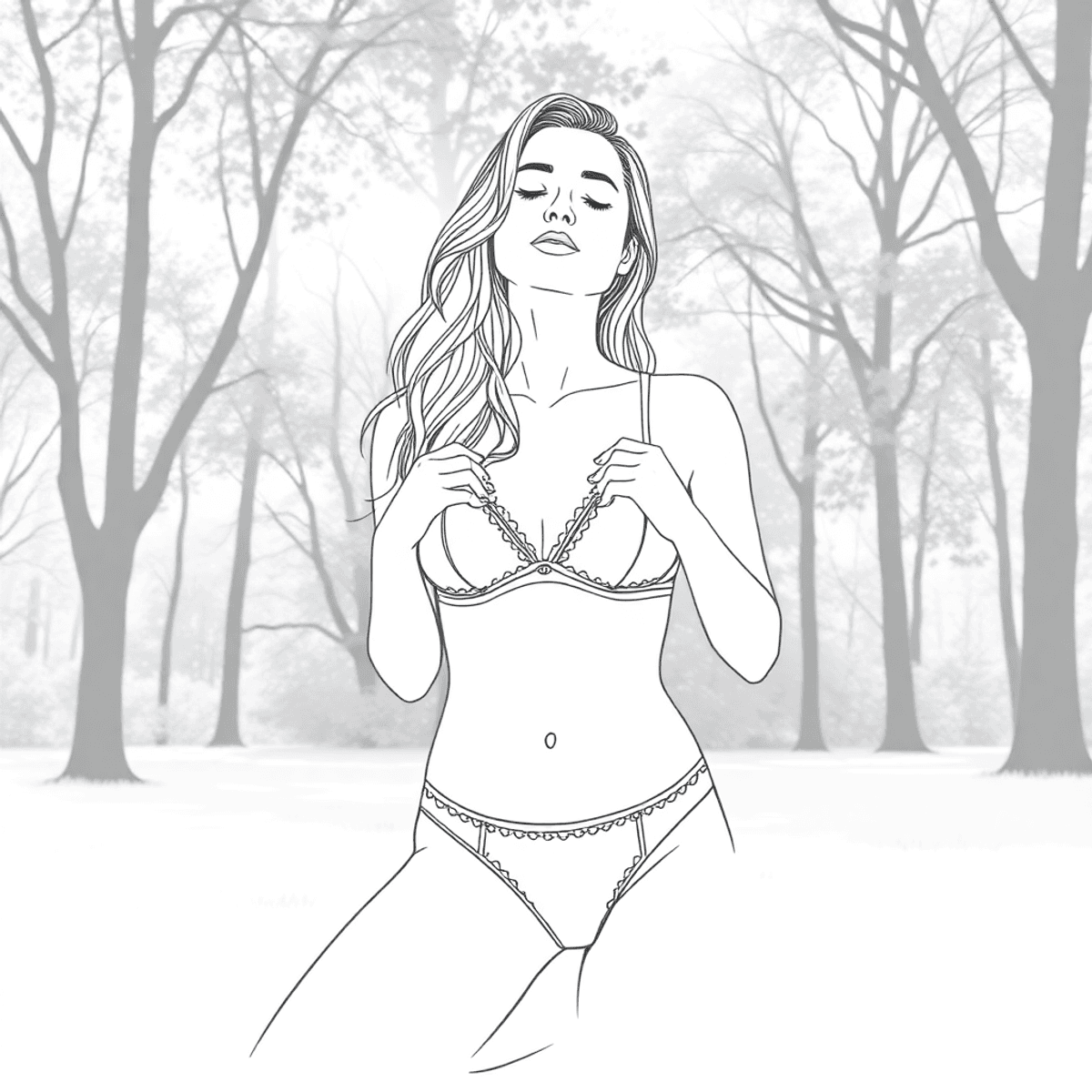
A lingerie model posing warmly outdoors, bathed in soft natural light filtering through trees, capturing mindfulness and connection in a minimalist style.
What Makes a Photography Session Sacred? This question goes beyond technical skills or perfect lighting. A sacred photography session is one where the experience and outcome carry deep meaning, transforming images into lasting symbols of identity, connection, and intention.
Sacred photography goes beyond regular pictures by embracing meaningful photography—sessions that honor emotions, relationships, and personal stories. It’s about more than capturing appearances; it’s about capturing essence.
Key elements contributing to a sacred session include:
- Intentionality: Setting clear, purposeful goals for the shoot.
- Emotional connection: Fostering genuine interactions that reveal true feelings.
- Respect: Honoring people, places, and boundaries involved. This is especially crucial in Plus Size Boudoir photography where sensitivity and respect are paramount.
- Mindfulness: Being fully present throughout the process.
- Inclusivity: Creating safe spaces for diverse identities and expressions.
Intentional photography invites you to create images with reverence and significance, elevating the art form into a sacred experience. For instance, understanding color palette selection can greatly enhance the emotional impact of your photos.
Moreover, it's essential to uphold professional ethics in photography, ensuring that every subject feels comfortable and respected during their sacred session.
Lastly, we must not overlook the therapeutic benefits that such sessions can provide, helping individuals reconnect with their bodies and self-image in profound ways.
1. Intentionality: Setting a Purposeful Foundation
Sacred photography demands more than technical skill; it requires purposeful photography sessions grounded in clear photographic intention. The intention set before the session influences how the photographer approaches the shoot, how participants engage, and ultimately, what emotions and stories the images convey.
The Role of Intentions
Intentions act like a compass, guiding every decision from lighting choices to posing and interaction styles. When you enter a session with defined purpose, you create space for authenticity and depth. This is not about capturing random moments but about honoring the subject's inner truth and values.
Common Intentions in Sacred Photography
Common intentions that elevate a session into something sacred include:
- Love: Celebrating romantic partnerships or self-love through tender, intimate portraits.
- Faith: Capturing spiritual expression or connection to beliefs that shape identity.
- Family Bonds: Documenting relationships across generations that embody legacy and belonging.
For example, a couple seeking to commemorate their commitment might focus on subtle gestures of trust and support rather than posed smiles. A family wanting to honor ancestry may emphasize natural interactions reflecting their shared history.
The Impact of Intentionality
Setting a purposeful foundation encourages everyone involved to engage with meaning rather than performance. It transforms the session from a routine photo shoot into an experience that resonates emotionally and visually. You begin to see beyond surface appearances and invite stories that deserve reverence.
Intentionality also helps define boundaries and comfort levels upfront, ensuring respect for personal limits while fostering openness. This aspect is particularly important when incorporating elements such as pre-session self-care rituals or establishing consent and safe space creation. The result is imagery infused with significance—images that stand as visual prayers or affirmations of identity rather than mere records of appearance.
Moreover, intentionality allows photographers to explore various styles such as black and white imagery, which can add a unique dimension to visual storytelling. It also sets the stage for navigating [legal and ethical considerations](<https: data-preserve-html-node="true"//www.misfitslikeme.com/st-louis-erotic-and-boudoir-photography/category/Legal+and+Ethical+Considerations>) that are essential in any photography session.
Lastly, music can play a significant role in setting the mood for these sessions. Incorporating music into the photography experience can help in creating an environment that fosters relaxation and openness, ultimately leading to more authentic captures.
2. Emotional Connection: Capturing Genuine Relationships
Emotional depth in photos transforms a simple image into a powerful story. Relationship-focused photography, such as soulful photography, goes beyond posed smiles and staged setups. It captures the authentic bonds, fleeting glances, shared laughter, and quiet moments that reveal the true essence of connection between people.
Focusing on genuine emotions during sessions allows you to see the raw vulnerability or joyful energy that often stays hidden in everyday life. When subjects feel safe and unpressured, their natural expressions emerge. This authenticity creates images with layered meaning — not just snapshots but windows into personal histories and shared experiences.
Creating lasting memories through emotional connection provides more than beautiful visuals; it offers comfort and healing. Families revisiting photos of tender embraces find reassurance during challenging times. Couples rediscover the spark that brought them together, reigniting commitment and understanding. Individuals see themselves reflected with compassion and strength, fostering self-acceptance.
Techniques to deepen emotional connection include:
- Encouraging storytelling or sharing memories before shooting
- Using gentle prompts that evoke feelings rather than forced poses
- Allowing quiet pauses for reflection between shots
- Focusing on interactions rather than static portraits
The impact of capturing genuine relationships lies in its permanence — these images become treasured heirlooms that celebrate identity, resilience, and love across generations.
This emotional connection is particularly significant in boudoir photography, where the focus shifts from mere aesthetics to the essence of self-love and acceptance. Boudoir photography can be an empowering art form, capturing confidence and sensuality tailored to your unique comfort level. It's a common misconception that boudoir photos have to be sexual; however, they can also be about celebrating one's body and personality as seen in these 20 stunning ideas for plus-size and curvy boudoir photoshoots which emphasize body positivity and confidence.
To further enhance the experience of such intimate sessions, it's essential to follow certain tips for boudoir photography sessions. Techniques such as creating a comfortable environment for the subject, encouraging them to express their emotions freely, or allowing moments of silence for reflection can significantly deepen the emotional connection and result in stunning photographs that tell a story beyond just visuals.
Moreover, it's important to remember that every photographer has their unique style. For beginners looking to explore different aspects of photography including relationship-focused or boudoir styles, joining communities like those found on platforms such as Facebook can provide valuable insights and tips from experienced photographers.
3. Respect for People and Places
Respectful photography practices are a fundamental aspect of what makes a photography session special. When working in sensitive locations or with subjects who have a strong cultural identity, cultural sensitivity is not optional—it is essential.
Key considerations include:
- Seeking Permission: Always obtain explicit permission before photographing individuals, private properties, or culturally significant sites. This establishes trust and honors the autonomy of those involved.
- Following Rules and Guidelines: Many sacred spaces have specific rules designed to protect their integrity. Adhering strictly to these regulations prevents unintentional harm or disrespect. Examples are restrictions on flash photography, limited access hours, or prohibitions on certain poses or props.
- Avoiding Disrespectful Actions: Some actions can cause offense or damage despite good intentions. Disturbing gravesites, handling artifacts without consent, or altering the environment for aesthetic purposes violates ethical boundaries.
- Mindful Interaction with Subjects and Environments: Approach every session with humility and awareness. Recognize that you are a guest in someone else’s story or space. The images you create should reflect reverence rather than intrusion.
You build lasting relationships by demonstrating respect at every stage—from initial contact through post-session sharing. This approach nurtures sacredness in your work, elevating photography beyond mere documentation toward meaningful connection.
Respect goes beyond technique; it becomes a guiding principle that shapes how you see, frame, and honor the world around you.
4. Mindfulness and Presence During the Session
Mindfulness in photography transforms ordinary photo sessions into meaningful experiences. Being present in photo sessions means engaging fully with the moment, allowing emotions and connections to surface naturally. When you encourage participants to be fully present, it creates an atmosphere where genuine expressions and subtle nuances become visible through the lens.
Techniques to foster mindfulness include:
- Deep breathing: Helps calm nerves and center attention. When clients focus on their breath, tension melts away, opening space for authentic emotion.
- Quiet reflection: Moments of silence before or during the shoot allow participants to ground themselves. This can be a time to connect with personal intentions or simply embrace stillness.
- Prayer or meditation: For those who find spiritual practice meaningful, incorporating prayer or meditation can deepen the experience, bringing sacred energy into the frame.
These practices invite everyone involved—photographer and subjects alike—to slow down and listen to what is unfolding internally and externally. The result is a session that honors not just appearance but essence.
Encouraging mindfulness creates a safe container where vulnerability is respected. It shifts focus from rushing through poses toward embracing presence as an act of reverence. This approach nurtures trust, making images more than just pictures—they become reflections of lived moments charged with intention and awareness.
Cultivating mindfulness in photography requires patience and sensitivity. Guide participants gently, adapting prompts to their comfort level. The subtle power of being truly present elevates the session beyond documentation into a shared journey of connection and insight.
For instance, when creating a luxurious and empowering boudoir experience, these mindfulness techniques can significantly enhance the overall experience. Similarly, fostering an inclusive studio environment through mindfulness can lead to more authentic and intimate photographs.
5. Inclusivity and Safe Spaces in Sacred Photography
Creating inclusive photography sessions requires a deliberate commitment to fostering environments where every client feels respected and valued. This extends beyond mere representation; it involves actively welcoming diverse identities, including but not limited to LGBTQIA+ individuals, various gender expressions, cultural backgrounds, and alternative lifestyles. The importance of queer-friendly boudoir photography cannot be overstated in this context.
Key practices for cultivating inclusivity in sacred photography:
- Respecting Pronouns and Names: Always use clients’ correct names and pronouns throughout the session. This acknowledgment affirms identity and builds trust.
- Tailoring Communication: Adapt language and explanations to align with each client’s comfort level and understanding, ensuring clarity without assumptions.
- Cultural Sensitivity: Recognize and honor cultural customs or spiritual beliefs that may influence how clients wish to be photographed.
A safe space for all identities goes hand in hand with privacy and security, especially during intimate or alternative lifestyle shoots such as kink, fetish, or erotic photography. Protecting client confidentiality is paramount. This involves:
- Securing private studio settings where clients feel shielded from unwanted observation or intrusion.
- Offering clear options for adjusting boundaries at any point during the session without pressure.
- Maintaining strict compliance with legal requirements (e.g., 18 U.S. Code § 2257) while respecting personal limits.
Clients often bring vulnerability into these sessions. Prioritizing their emotional safety means being attentive to signs of discomfort, pausing when needed, and encouraging open dialogue about needs or concerns.
By establishing an atmosphere rooted in acceptance and protection, photographers enable clients to express their authentic selves freely. The result is not only powerful imagery but also an empowering experience that honors the sacred nature of their identity and story. Such empowerment is a key aspect of boudoir photography, which can also serve as a form of [artistic expression](<https: data-preserve-html-node="true"//www.misfitslikeme.com/st-louis-erotic-and-boudoir-photography/category/Power+of+Art>).
In addition to these considerations, it's essential to address the misconceptions surrounding certain professions within the realm of intimate photography. For instance, demystifying the stigma around sex workers is crucial for fostering a more inclusive society. Understanding their experiences can significantly enhance the empathy and sensitivity required in such photography sessions.
Ultimately, the goal is to create a nurturing environment that allows clients to fully embrace their identities while capturing their essence through the lens of a camera.
6. Creating a Legacy Through Sacred Images
Sacred photography goes beyond capturing moments—it builds a photographic legacy that carries meaning across time. When you approach a session with the intention of creating images that will be cherished by future generations, you are not just documenting the present; you are shaping how stories of identity and heritage endure.
Consider these aspects when aiming to create a lasting legacy through your photography:
- Timelessness: Choose compositions and lighting that emphasize authenticity and emotional depth rather than fleeting trends. These choices ensure images feel relevant decades from now.
- Storytelling: Each photograph should tell part of the subject’s unique narrative—whether it’s family bonds, personal milestones, or cultural identity. These visual stories become heirlooms that speak louder than words.
- Cultural Respect: Honor traditions, symbols, and environments that define your client’s heritage. This respect transforms images into meaningful tokens of cultural significance.
- Emotional Resonance: Capture vulnerability, joy, and connection in ways that invite viewers to feel empathy and belonging long after the session ends.
A sacred photography session isn’t just about the immediate experience but about embedding identity into visual form. The photographs become anchors to history, enabling descendants to glimpse their roots and understand their place within an ongoing story.
Creating this kind of photographic legacy deepens the value of what you produce. It answers the question: What Makes a Photography Session Sacred?—it is the power to immortalize identity through images treasured as part of one’s heritage.
Photographers like Duane Michals exemplify this approach, using their craft not just to capture images but to tell profound stories that resonate with viewers on multiple levels.
Practical Guidelines for Conducting Sacred Photography Sessions
Following ethical photography guidelines ensures that every session upholds respect and dignity for all participants. One fundamental principle is allowing clients to adjust their comfort levels freely throughout the shoot. You must remain attentive and responsive, creating an environment where clients feel empowered to communicate any discomfort or desire for change without hesitation.
Respect Client Preferences and Boundaries
Respecting client preferences and boundaries means never pressuring anyone to pose or participate in ways they find unsettling. This respect builds trust and facilitates authentic expression, which is essential for sacred photography. For example:
- Ask open-ended questions about comfort zones before and during the session.
- Offer breaks when needed without making clients feel rushed.
- Avoid assumptions about what clients are willing to share or display.
Maintain Active Listening and Sensitivity
Maintaining this balance requires active listening and sensitivity. When clients feel safe, their vulnerability transforms into powerful imagery that honors their identity and story. You should also clarify session limits beforehand, including any non-negotiable boundaries related to privacy, attire, or content.
Create a Respectful Space
These practical measures create a respectful space that supports both artistic vision and personal well-being, making the photography experience truly sacred. Incorporating inclusive practices can further enhance this experience. Additionally, employing helpful tips and understanding the power of art in photography can significantly improve outcomes. Finally, being aware of various styles and themes in boudoir photography can help tailor sessions more effectively.
Conclusion
Understanding the importance of meaningful photography sessions changes how you approach your work. By focusing on intention, emotional connection, respect, mindfulness, inclusivity, and legacy, you can create powerful photographic experiences that truly resonate with your clients. These aspects are what make a photography session special.
Here are some important points to remember for your future sessions:
- Approach each shoot with respect and a clear purpose.
- Honor the stories and identities of the people you photograph.
- Create an environment where comfort and authenticity can flourish.
- Produce images that stand the test of time and become treasured heirlooms.
This way of thinking allows you to do more than just take pictures—it enables you to make a lasting impression. Sacred photography encourages you to look beyond the camera and fully appreciate the beauty of the human spirit. This dedication not only enhances your skills but also leaves a significant legacy for future generations.
FAQs (Frequently Asked Questions)
What defines a sacred photography session?
A sacred photography session is defined by its meaningful and intentional approach that transcends ordinary photography. It involves setting clear intentions, fostering genuine emotional connections, respecting people and places, practicing mindfulness, ensuring inclusivity, and aiming to create a lasting photographic legacy.
How does intentionality influence the outcome of a photography session?
Intentionality shapes the session's outcome by establishing a purposeful foundation. Clear intentions such as capturing love, faith, or family bonds guide the photographer and participants, resulting in images that deeply resonate and hold significant meaning beyond mere visuals.
Why is emotional connection important in sacred photography?
Emotional connection is vital because it captures genuine relationships and authentic emotions during the session. This depth creates lasting memories that provide comfort and healing for clients, making photographs treasured tokens of their personal stories and bonds.
What role does respect play in conducting sacred photography sessions?
Respect is crucial in sacred photography as it ensures cultural sensitivity and ethical practices. This includes seeking permission when photographing sensitive locations, adhering to rules, and avoiding disrespectful actions like disturbing graves or artifacts, thereby honoring both people and places involved.
How can mindfulness enhance the experience during a photography session?
Mindfulness encourages participants to be fully present and engaged throughout the session. Practices such as deep breathing, quiet reflection, or prayer help deepen the experience, allowing for more authentic expressions and meaningful photographs that reflect the moment's sacredness.
What steps ensure inclusivity and safety in sacred photography sessions?
Creating inclusive sessions involves welcoming diverse clients and prioritizing privacy and safety. Establishing safe spaces for all identities, respecting client preferences without pressure, and adjusting comfort levels freely contribute to an environment where everyone feels valued and secure during intimate or alternative lifestyle shoots.