What Retouching Should Never Do (Ethical Editing)
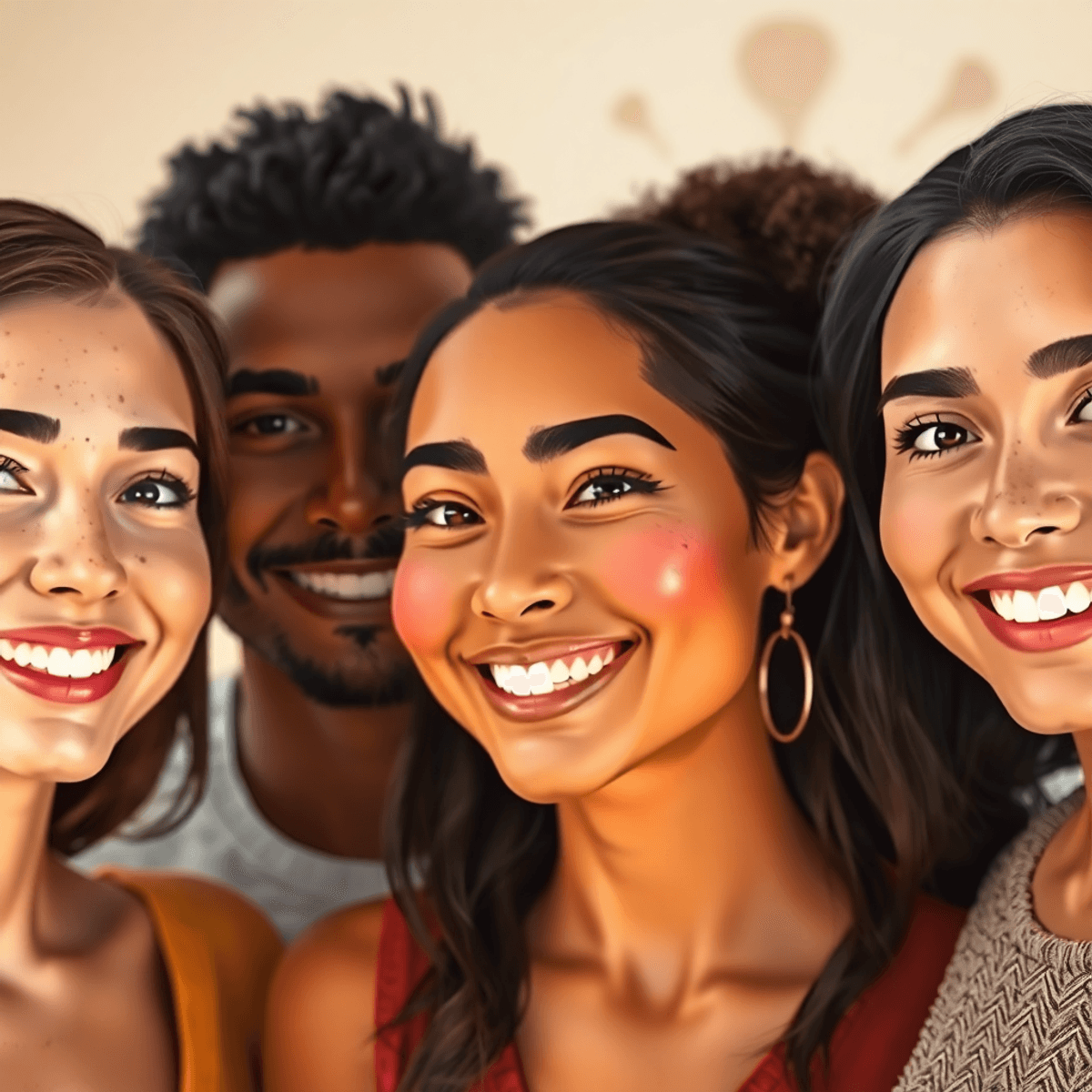
Retouching is an essential part of photography, especially in boudoir and intimate styles. It involves carefully improving images to showcase beauty, mood, and emotion while keeping the subject's natural essence intact. In these styles, where vulnerability and personal expression are key, retouching needs to go beyond basic fixes to honor the uniqueness captured in each shot.
Ethical editing focuses on keeping authenticity and honoring the true appearance of subjects. It establishes clear limits on retouching that reject distortion or removal of defining features. Ethical editing isn't about perfection—it's about honest representation that empowers without manipulation. This approach builds trust between photographers and clients, ensuring every image tells a truthful story.
mIsFiTs Like ME embodies this principle through a commitment to sacred authenticity and radical inclusivity. Specializing in boudoir, kink, fetish, and erotic photography, the studio champions diverse identities with respect and care. Here, ethical editing supports authenticity as a foundational value rather than a negotiable option.
This article explores What Retouching Should Never Do (Ethical Editing) by outlining essential guidelines for photographers who prioritize genuine representation over artificial enhancement.
The Importance of Ethical Editing in Photography
Ethical standards in photography establish a foundation of authenticity and subject respect. These principles are vital when retouching images, especially within intimate genres such as boudoir, kink, fetish, and erotic art photography.
1. Building Trust Between Photographer and Client
Trust hinges on honest representation. When you commit to ethical editing, you reinforce a transparent relationship where clients feel safe sharing their vulnerabilities. This trust encourages openness and genuine expression during sessions. Clients expect their true selves to be honored, not masked or distorted by excessive manipulation.
2. Impact of Unethical Edits on Subject Identity
Altering permanent features or reshaping bodies can disrupt how subjects see themselves and how others perceive them. Unethical edits risk erasing individuality by imposing unrealistic ideals that often reflect societal pressures rather than the subject’s reality. This undermines the dignity of those photographed and may contribute to harmful beauty standards.
3. Audience Perception and Credibility
Viewers rely on photographs to convey truth or at least an honest interpretation of reality. Misleading edits damage the credibility of both the photographer and the work itself. Authentic images foster deeper emotional connections, while distorted ones create doubt and skepticism about the integrity behind the lens.
4. Heightened Sensitivity in Boudoir, Kink, Fetish, and Erotic Art
These genres explore highly personal aspects of identity and desire. Ethical editing respects the nuances involved in representing diverse bodies, gender expressions, sexualities, and sensations without sanitizing or erasing unique characteristics. At mIsFiTs Like ME, this commitment safeguards radical inclusivity by ensuring every image reflects sacred authenticity rather than conforming to conventional norms.
Ethical editing is not merely a technical choice; it embodies respect for the subject’s story and preserves the essence that makes each photograph meaningful. Your approach to retouching signals your values as a photographer and directly influences client confidence as well as public perception within these sensitive artistic spaces.
Core Ethical Boundaries in Retouching
Ethical retouching sets clear limits to preserve the authenticity and dignity of photographic subjects. Maintaining integrity in editing demands strict adherence to boundaries involving permanent features, body shape alteration, feature substitution, and avoiding viewer deception.
Never Alter Permanent Features
Permanent marks such as birthmarks, moles, scars, and stretch marks are not imperfections to erase but essential elements of a person's identity. These features tell stories—of survival, uniqueness, and individuality—and removing them risks erasing personal history.
- Respectful Enhancement: Lightening harsh shadows or reducing glare over scars can improve image clarity without erasing the mark.
- Unethical Erasure: Completely removing a tattoo or scar digitally removes an aspect of the subject’s lived experience and identity.
At mIsFiTs Like ME, clients often request minimal scar softening to balance comfort with authenticity. The priority remains preserving these marks as sacred parts of self-expression rather than sanitizing images to fit conventional beauty norms.
Avoid Changing Body or Head Shape
Digitally slimming waists, reshaping heads, or altering muscle tone crosses ethical lines by promoting unrealistic beauty standards and misrepresenting the subject’s true form.
- Consequences: Such changes contribute to widespread societal issues around body image and self-esteem.
- Representation: Especially critical in boudoir, kink, fetish, and erotic art photography where embracing real bodies enhances empowerment.
Reshaping bodies undermines the radical inclusivity ethos at mIsFiTs Like ME. Instead of conforming bodies to external ideals, retouching should celebrate natural shapes and textures while enhancing lighting or color for flattering effect.
Do Not Substitute Features from Others or Use AI-generated Parts
Replacing a subject’s body parts or facial features with those from other individuals—or AI-generated content—violates trust and authenticity. This practice fabricates false realities that distort subject identity beyond ethical limits.
- Truthful Representation: Every element in a photograph should originate from the actual subject.
- AI Caution: The temptation to ‘improve’ photos using AI must be resisted when it alters unique physical traits or expressions.
Clients at mIsFiTs Like ME expect their genuine selves to be honored. Using external or artificial parts breaks this implicit contract and compromises the integrity of the artwork.
Never Mislead Viewers Through Distorted Edits
Photographs used in documentary portraits, intimate storytelling, or socially conscious projects demand accuracy. Distorting images through extreme filters or manipulations creates misleading narratives that damage credibility and disrespect subjects.
- Critical Situations: Editorial work, personal histories, and identity-focused genres require truthful imagery.
- Dignity at Stake: Manipulations that exaggerate or diminish features can undermine how subjects see themselves and how audiences perceive them.
Respect for viewer trust aligns with mIsFiTs Like ME’s commitment to transparency. Ethical editing ensures photographs remain authentic records rather than deceptive illusions.
Respecting these core boundaries fosters photographic work that is honest, empowering, and inclusive—key principles guiding all retouching practices at mIsFiTs Like ME.
Limiting the Use of AI and Digital Manipulation Technologies in Photography
The rapid advancement of AI editing tools and digital manipulation technologies tempts many photographers to push boundaries simply because these capabilities exist. You might find yourself wondering how far you can go with AI-powered features like automatic skin smoothing, facial reshaping, or even generating new elements in an image. However, the critical question is not "Can this be done?" but rather "Should this be done?"
The Temptation of Extensive AI Editing
- AI editing limits are often overlooked as the technology dazzles users with seamless fixes and enhancements.
- It’s easy to fall into the trap of using AI to erase every perceived flaw or create an idealized version of reality.
- Overuse can lead to images that stray far from the authentic representation of the subject, undermining trust and integrity.
Ethical Considerations for Digital Manipulation
Ethics in digital manipulation revolve around respect for the subject’s true self and preserving their identity. Extensive AI edits risk crossing boundaries by:
- Removing unique features that contribute to individuality.
- Creating unrealistic beauty standards that affect both the subject’s self-esteem and societal perceptions.
- Blurring lines between reality and fabrication, which is especially sensitive in genres like boudoir or intimate photography where authenticity is paramount.
Practical Guidelines for Ethical AI Use in Retouching
You can harness AI tools responsibly by applying a mindful approach:
- Use AI selectively to enhance rather than alter — for example, minimizing temporary blemishes without erasing permanent scars or marks.
- Avoid automated reshaping functions that modify body contours or facial structures.
- Maintain clear communication with clients about what types of retouching will be applied, emphasizing transparency regarding any AI usage.
- Always prioritize consent when introducing digital manipulations beyond basic corrections.
“Artificial intelligence should assist your artistic vision, not replace your ethical judgment.”
By setting firm limits on AI-driven changes and focusing on preserving authenticity, you align your work with the principles of digital manipulation ethics. This approach supports truthful storytelling through images and respects the dignity of every individual photographed.
This philosophy reflects what retouching should never do: sacrifice honesty for convenience or aesthetics. It ensures that your editing process honors each person’s unique essence while still offering subtle enhancements that empower and celebrate their natural beauty.
Ensuring Transparency and Communication with Clients Regarding Retouching Practices
Clear, upfront communication about retouching sets the foundation for trust and satisfaction. You need to know exactly what editing will involve before the session begins. This transparency prevents surprises and ensures your vision aligns with the photographer’s approach.
Key elements of transparent client communication:
- Detailed pre-session consultations
- Discuss specific retouching preferences, boundaries, and any requests early on. This helps tailor edits to your comfort level and personal style.
- Explaining editing philosophy
- Photographers at mIsFiTs Like ME openly share their editing principles, emphasizing ethical boundaries such as preserving authentic features while enhancing natural beauty.
- Setting realistic expectations
- Clarify what can and cannot be changed (e.g., scars may be softened or left intact based on your wishes, but body reshaping is avoided). This avoids misunderstandings about post-production outcomes.
- Consent for each edit
- Before finalizing images, clients review proofs and confirm approval for any alterations. This step honors your autonomy over how your image is presented.
mIsFiTs Like ME prioritizes ongoing dialogue throughout the creative process:
- They encourage questions about retouching techniques and offer clear explanations of digital manipulations used.
- Comfort and consent are continuously checked to adapt edits if needed.
- Open communication extends beyond editing into session planning, ensuring alignment on themes, poses, wardrobe, and mood.
This commitment to transparency fosters an environment where you feel respected as a collaborator rather than just a subject. It reinforces sacred authenticity by making sure that every edit supports your true identity rather than masking it.
Respecting Subject Identity Within Sensitive Photography Genres Through Ethical Edits
Ethical editing within sensitive photography genres demands a careful balance between enhancing visual appeal and preserving the true identity of subjects. This practice is essential to maintain identity preservation in newborn and sensitive shoots, as well as inclusivity in editing across diverse client profiles.
Enhancing Without Fabricating Temporary Conditions
Softening imperfections while maintaining visible identity cues is key for honoring the real person behind each image.
- Softening redness or blemishes can improve the overall image quality without compromising authenticity. For example, slight adjustments to skin tone to reduce irritation or mild discoloration help create a polished result that still respects the subject’s natural appearance.
- Avoid erasing features that represent temporary but meaningful aspects of identity such as birthmarks, scars, or subtle signs of healing. These elements contribute to the story the photograph tells and are integral to preserving the subject’s genuine self.
- Ethical retouching should never fabricate changes that alter or hide these temporary conditions completely. The goal is enhancement, not replacement or concealment.
Honoring Radical Inclusivity Through Ethical Edits
At mIsFiTs Like ME, respectful editing practices actively support diverse identities and expressions. This approach aligns with the studio’s commitment to radical inclusivity, ensuring that no edits erase or sanitize unique gender expressions, sexual identities, or other defining characteristics.
- Digital manipulation must avoid attempts to “normalize” bodies or appearances according to narrow beauty standards.
- Ethically applied edits respect non-binary features, trans markers, kink-related elements, and other expressions visible in boudoir, kink, fetish, BDSM, and erotic art photography.
- Editing choices reflect sensitivity toward how individuals want their identities represented—whether that means preserving tattoos, piercings, body hair, or other elements traditionally marginalized in mainstream imagery.
Respectful editing:
- Supports empowerment by celebrating individuality rather than conforming it.
- Respects client consent and agency over their own portrayal.
- Maintains visual honesty crucial for trust between photographer and subject.
mIsFiTs Like ME's ethos ensures that every edit honors this diversity without glossing over what makes each person distinct. This creates images that are authentic representations rather than sanitized versions tailored for mass appeal.
Ethical retouching within these sensitive genres empowers clients by reinforcing their true identities through thoughtful enhancements rather than distortions. This respect for authenticity forms the foundation of meaningful portraiture in intimate photographic work.
The Role of Ethical Editing in Empowerment and Authentic Beauty Enhancement Through Boudoir Photography
Boudoir photography is special because it captures not just pictures, but also feelings, self-image, and intimate confidence. Ethical editing is important in this process as it promotes empowerment through photography without any distortions or lies.
Empowerment through photography
Empowerment through photography happens when subjects see their true selves celebrated instead of changed completely. Ethical retouching focuses on authentic beauty enhancement, which means keeping the natural textures, marks, and features that make you unique. This method avoids manipulations that:
- Change body shape or facial structure significantly
- Remove distinctive features like freckles, scars, or stretch marks
- Hide expressions that show genuine emotion
At studios like mIsFiTs Like ME, we are dedicated to maintaining authenticity. This ensures that our clients go through a transformative experience based on truthfulness.
How we achieve this:
- Highlighting natural light and shadow play
- Enhancing skin tone evenly without glossing over imperfections
The result? Clients often feel more confident after sessions where ethical editing is prioritized because the images reflect their true selves—flaws included—rather than an unrealistic ideal.
The impact of ethical editing
This approach reinforces positive self-image and fights against the widespread culture of unrealistic beauty standards.
Key benefits of ethical editing in boudoir photography include:
- Building trust: You know what to expect because changes respect your appearance, creating a safe space for vulnerability.
- Enhancing confidence: Subtle adjustments like softening temporary redness or changing lighting enhance attractiveness while preserving integrity.
- Celebrating diversity: Every body type, skin tone, and expression receives affirmation through careful preservation instead of removal.
Retouching with intention
Ethical editing does not mean no retouching; it means retouching with intention. The goal is to empower you by highlighting your authentic beauty—making you feel seen, respected, and celebrated exactly as you are.
This philosophy transforms boudoir from just photography into an experience of self-love and acceptance at places like mIsFiTs Like ME. The pictures become powerful reminders that your worth is inherent and shown honestly, not artificially created.
A new standard for retouching
By adopting this approach, we establish a new benchmark for what retouching should never do: distort reality or undermine the subject's identity. Instead, it raises boudoir photography to a level of radical inclusivity and empowerment based on ethical editing methods.
Conclusion
Choosing a photographer who shares a strong ethical photo editing commitment is essential when seeking authentic and empowering boudoir experiences. At mIsFiTs Like ME, you find a space where judgment-free sessions prioritize sacred authenticity and radical inclusivity, honoring your true self without compromising integrity.
Consider these reasons to explore what ethical retouching means in practice:
- Respect for your unique identity through honest representation
- A collaborative process ensuring your comfort and consent
- Artistic photography that celebrates real beauty, not artificial ideals
Your journey toward confident self-expression deserves transparency and respect. mIsFiTs Like ME invites you to experience the difference ethical editing makes in intimate photography.
Discover more about their approach and book consultations at:
This is what What Retouching Should Never Do (Ethical Editing) looks like in action—true artistry rooted in respect and authenticity.
FAQs (Frequently Asked Questions)
What is ethical editing in photography and why is it important?
Ethical editing refers to maintaining authenticity and respecting the subject's true appearance during photographic retouching. It is important because it builds trust between photographer and client, preserves subject identity, and upholds ethical standards, especially in sensitive genres like boudoir, kink, fetish, and erotic art photography.
What retouching practices should photographers avoid to respect subject identity?
Photographers should never alter permanent features such as birthmarks, moles, or scars; avoid changing body or head shapes; refrain from substituting features with those of others or AI-generated parts; and must not mislead viewers through distorted edits. These boundaries ensure truthful representation and prevent unrealistic beauty standards.
How does mIsFiTs Like ME approach transparency and communication about retouching with clients?
mIsFiTs Like ME prioritizes clear dialogue before sessions to discuss what retouching will involve. This open communication ensures client comfort, consent, and aligns editing practices with the studio's commitment to sacred authenticity and radical inclusivity.
What are the ethical considerations regarding AI and digital manipulation in photography?
While AI tools offer extensive editing possibilities, ethical editing emphasizes asking 'Should this be done?' rather than 'Can this be done?'. Limiting AI usage prevents misleading alterations, preserves authenticity, and respects the subject's true appearance.
How does ethical editing empower subjects in boudoir photography?
Ethical retouching enhances confidence by highlighting authentic beauty without compromising reality. Honest boudoir sessions at studios like mIsFiTs Like ME foster empowerment through sacred authenticity, enabling subjects to embrace their true selves without judgment.
How does ethical editing support inclusivity in sensitive photography genres?
Respectful editing enhances photos by softening temporary conditions like redness or blemishes without erasing identity cues. It honors radical inclusivity by avoiding edits that sanitize or erase unique gender expressions or sexual identities, thus preserving diverse identities featured at mIsFiTs Like ME.