What Sacred Authenticity Means (And Why It Matters)
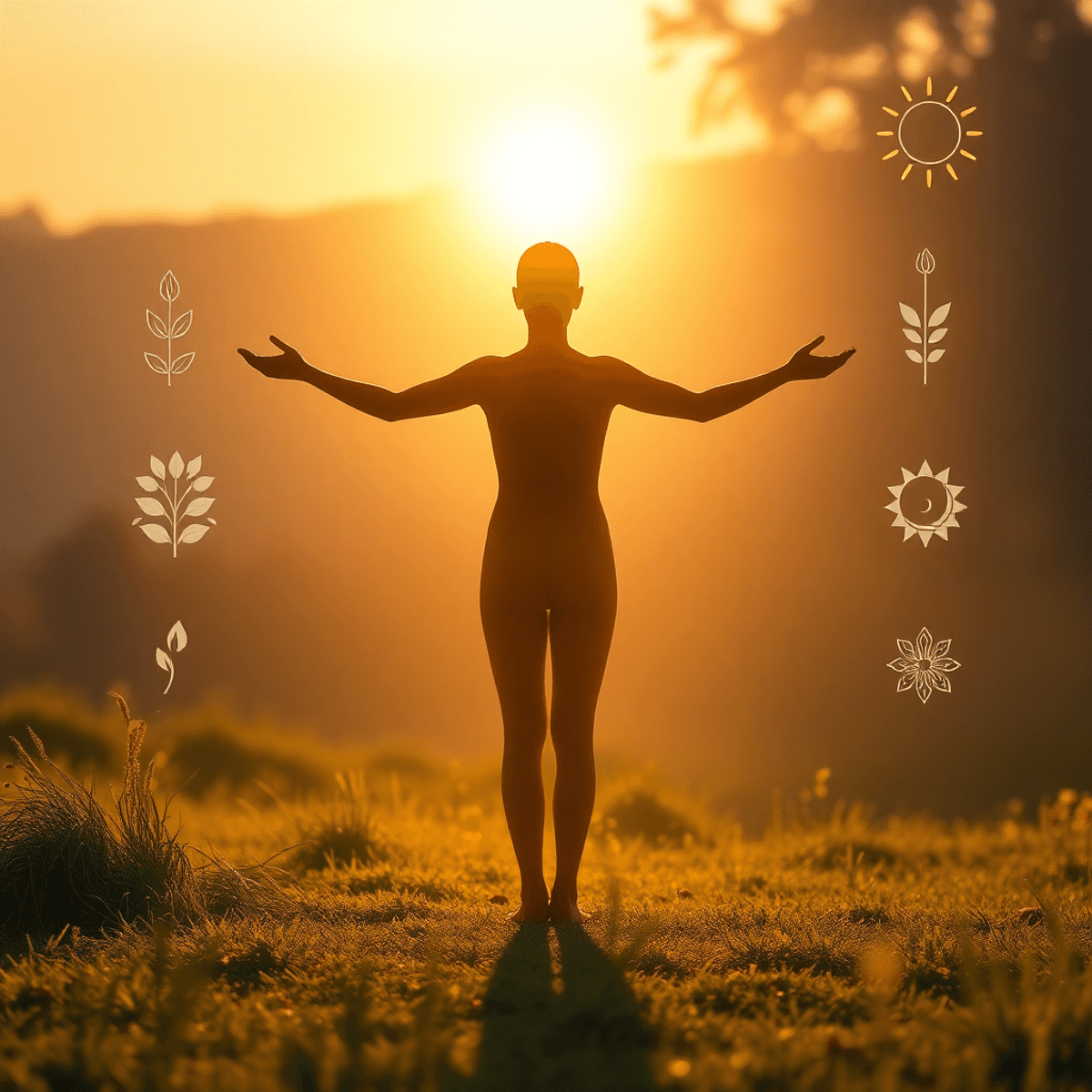
What Sacred Authenticity Means (And Why It Matters) centers on the profound act of embracing your true self. Sacred authenticity goes beyond mere honesty or self-expression. It represents living in alignment with your deepest values, intuition, and spiritual essence. This alignment fosters personal growth, healing, and a sense of empowerment that ripples outward.
Sacred authenticity holds significance in both personal and spiritual development by:
- Encouraging self-awareness and acceptance
- Strengthening inner guidance and intuition
- Promoting resilience amid life’s challenges
Embracing your true self does more than empower you individually. It contributes to building a society rooted in authenticity, compassion, and mutual respect.
Living authentically becomes a foundational step toward not only your own spiritual growth but also the cultivation of a more genuine and empathetic world.
Exploring Sacred Authenticity through Boudoir Photography
One unique avenue to explore sacred authenticity is through boudoir photography. This form of photography encourages individuals to embrace their bodies and express their true selves in a safe and empowering environment.
Boudoir photography can have therapeutic benefits, promoting self-acceptance and body positivity. The experience of stepping in front of the camera can help individuals confront their insecurities and celebrate their uniqueness.
Moreover, the process involves careful consideration of aspects such as color palette selection, which can further enhance the personal expression involved in this form of art.
However, it's essential to approach boudoir photography with a strong understanding of professional ethics. This ensures that the process remains respectful and empowering for all parties involved.
Understanding Sacred Authenticity
Sacred authenticity means living in self-alignment with your inner nature—the core of who you truly are beyond external expectations or roles. It involves tuning into your intuition and inner guidance, which act as a compass directing you toward choices and expressions that resonate deeply with your essence. This process requires ongoing self-awareness and courage to honor what feels genuinely right, even when it challenges societal norms or personal fears.
The Difference Between Authenticity and Honesty
Authenticity in this sacred sense is not the same as mere honesty or impulsiveness. You might think honesty alone defines authenticity, but speaking truth without reflection can be superficial or even harmful. Impulsiveness often arises from unchecked emotions rather than grounded self-knowledge. Sacred authenticity asks you to move beyond reactive behavior by cultivating discernment—listening carefully to your inner voice before acting.
Consider these distinctions:
- Superficial honesty: Saying whatever comes to mind without regard for impact or alignment with deeper values.
- Impulsiveness: Acting on immediate feelings without pausing for insight or intention.
- Sacred authenticity: Engaging in self-reflection, honoring your intuition, and making choices consistent with your true self, balancing honesty with compassion and wisdom.
How to Identify Sacred Authenticity
You can identify sacred authenticity by how it feels—a sense of peace, integrity, and empowerment that arises when your actions reflect your inner nature. This alignment cultivates trust within yourself and fosters genuine connections with others who recognize and respect your true identity.
Expressing Sacred Authenticity Through Art
Exploring avenues such as boudoir photography can also serve as a powerful medium for expressing this sacred authenticity. Whether it's through plus-size boudoir photoshoots, which emphasize body positivity and confidence, or queer-friendly boudoir photography, these forms of art encourage individuals to embrace their true selves.
Additionally, preparing emotionally for such experiences is crucial. This involves not just physical readiness but also emotional preparation, ensuring that one's mindset aligns with the intended expression of self.
Moreover, the power of art extends beyond just photography; it includes elements like [music curation and technology](<https: data-preserve-html-node="true"//www.misfitslikeme.com/st-louis-erotic-and-boudoir-photography/category/Music+Curation+and+Technology>), which can further enhance the experience of self-expression and authenticity.
The Spiritual Dimension of Sacred Authenticity
Sacred authenticity is more than just expressing yourself; it is a deep spiritual journey. This journey requires courage—the bravery to face your inner fears and societal pressures. It also requires self-discovery, where you peel away layers of conditioning to uncover your true self. At its core, this journey is about seeking the sacred self, where spirituality becomes an inner recognition of the divine presence within rather than an external practice.
Living authentically invites you to connect with your inner wisdom, intuition, and spiritual insight. It involves aligning your thoughts, actions, and values with a deeper sense of purpose and connection. This alignment creates a sacred conversation between your soul and the world, opening doors for transformative growth.
The benefits of this spiritual pursuit go beyond personal boundaries:
- Compassion: When you honor your truth, genuine understanding and empathy for yourself and others naturally develop.
- Justice: Embracing your authentic power promotes fairness and integrity in relationships and society.
- Peace: Accepting and embodying your sacred self without resistance brings about inner harmony.
- Love: Through authentic living, you come to recognize the interconnectedness of all beings, nurturing a profound and unconditional love.
These qualities not only contribute to personal fulfillment but also play a role in collective healing. Sacred authenticity as spirituality encourages embracing vulnerability as strength, acknowledging imperfections as part of divine wholeness, and committing to live intentionally grounded in truth.
Incorporating these principles into various aspects of life can create a more inclusive environment. For instance, in inclusive practices in photography, we can honor the diverse narratives that individuals carry. Such an approach not only respects their unique stories but also aligns with the essence of sacred authenticity.
Furthermore, creating an inclusive studio experience can significantly enhance the way individuals express their authentic selves through art. Embracing their true identity during a photoshoot allows them to channel their inner wisdom and intuition effectively.
Moreover, leveraging the power of art in photography can serve as a powerful tool in this journey towards sacred authenticity. Artistic expression has the potential to reveal layers of one's being that may otherwise remain hidden.
In terms of practical application, there are several helpful tips that can assist individuals in navigating their path towards self-discovery and authenticity. Whether it's about setting intentions for a photoshoot or learning how to embrace vulnerability as strength, these tips can provide valuable insights.
Finally, exploring different styles and themes in boudoir photography could further facilitate this journey. Each style offers a unique lens through which one can explore their sacred self, thereby enriching their understanding and experience of authentic living.
Overcoming Challenges on the Path to Sacred Authenticity
Sacred authenticity often clashes with societal pressure and ingrained cultural norms. These external forces shape expectations about who we should be, how we should behave, and which identities are acceptable. When you strive to live authentically, you may face judgments, misunderstandings, or outright rejection from family members, peers, or communities invested in maintaining traditional roles and appearances.
Common barriers include:
- Social conditioning that values conformity over individuality
- Fear of disrupting relationships or losing support networks
- Internalized shame from growing up in environments where certain expressions of self were discouraged or punished
The fear of rejection or humiliation can stall your journey toward sacred authenticity. You might hesitate to share your true thoughts, feelings, or identity due to the risk of alienation or ridicule. This fear is real and deeply rooted but not insurmountable.
Strategies to navigate these challenges:
- Build a supportive community: Surround yourself with people who honor your truth and encourage your growth. Allies and mentors provide safe spaces for honest expression without judgment. For instance, creating safe spaces can significantly help in this regard.
- Practice gradual disclosure: Share aspects of your authentic self progressively rather than all at once, allowing time for others—and yourself—to adjust.
- Cultivate self-compassion: Acknowledge the difficulty of vulnerability and treat yourself kindly through setbacks or negative reactions.
- Develop inner resilience: Strengthen your connection to intuition and personal values so external opinions hold less power over your sense of worth.
- Set clear boundaries: Protect your emotional energy by limiting exposure to toxic environments that undermine your authenticity.
- Embrace cultural sensitivity: Understanding cultural sensitivity can enhance your journey towards authenticity while respecting diverse identities and ethics.
Living out What Sacred Authenticity Means (And Why It Matters) involves courage not only because it demands honesty but also because it requires resisting pressures that discourage genuine self-expression. Each step you take toward embracing your true identity chips away at fear’s control and expands space for freedom, both personally and within society.
In the realm of intimate photography, for example, understanding how to navigate cultural sensitivity can greatly enhance the art while respecting diverse identities and ethics. Additionally, employing certain tips for boudoir photography sessions can help create a more luxurious and empowering experience for those involved in such intimate art forms.
Valuing Oneself to Empower Others: The Concept of Sacred Selfishness
Sacred selfishness is often misunderstood as mere self-indulgence or egotism. In truth, it represents a fundamental practice for developing authentic human beings. It begins with recognizing and honoring your own self-worth—acknowledging that your needs, feelings, and boundaries deserve respect just as much as anyone else's.
This form of selfishness is not about neglecting others; it’s about cultivating a strong foundation of personal growth that fuels your capacity to contribute positively to the world around you. When you value yourself deeply:
- Your choices align more closely with your true values rather than external pressures.
- You build inner strength that supports resilience against setbacks or criticism.
- You become less dependent on approval from others, reducing fear-driven behaviors.
- Your ability to offer genuine support and compassion to others increases because you’re not depleting yourself in the process.
Sacred selfishness flips the common narrative that putting yourself first is selfish in a negative sense. Instead, it positions self-care and self-respect as prerequisites for meaningful connection and social impact. By investing in your own well-being, you enhance the quality of your relationships and create space for authentic exchanges rooted in mutual respect.
“You cannot pour from an empty cup.” This saying captures the essence of sacred selfishness: nourishing yourself first empowers you to uplift those around you effectively and sustainably.
Valuing yourself is not just a personal act; it’s a radical contribution to collective healing and transformation. This concept can also extend into various aspects of life including professional fields like St. Louis erotic and boudoir photography where understanding one's self-worth can play a crucial role in navigating legal and ethical considerations. Moreover, embracing sacred selfishness could lead to discovering new passions such as music, which can serve as a powerful tool for personal expression and emotional healing.
Cultivating Sacred Authenticity Within Marginalized Communities
Marginalized groups, including the LGBTQIA+ community, face unique and profound challenges when expressing their authentic selves. These challenges often come from societal rejection, stigma, and cultural norms that do not recognize or accept diverse identities. This makes the journey toward sacred authenticity more complex but also deeply transformative.
The Importance of Coming Out
Coming out is a crucial moment and a powerful rite of passage for many in LGBTQIA+ communities. It's an act that embodies sacred authenticity by openly acknowledging one’s true identity despite external pressures. This process requires immense courage, vulnerability, and self-acceptance. Coming out is not simply about disclosure; it symbolizes a reclaiming of personal truth that resonates at spiritual and emotional levels.
Strategies to Embrace Worthiness Amid Possible Rejection
Here are some strategies that can help individuals embrace their worthiness even in the face of potential rejection:
- Building supportive networks: Connecting with chosen families or affirming communities creates safe spaces where authentic identity is celebrated.
- Practicing self-compassion: Recognizing that internalized stigma often distorts self-worth helps in nurturing kindness toward oneself.
- Engaging in reflective practices: Mindfulness, journaling, or therapy can foster deeper alignment with inner truths beyond external judgments.
- Setting boundaries: Protecting mental and emotional health by limiting exposure to harmful environments or individuals reinforces one’s sacred space.
The Power of Self-Expression
Additionally, exploring avenues of self-expression such as boudoir photography, which is often misunderstood as solely sexual, can serve as a powerful tool in this journey. Boudoir photography captures confidence and sensuality tailored to one's unique comfort level, allowing individuals to express their authentic selves in a safe and empowering way.
Resilience Through Sacred Authenticity
Sacred authenticity within marginalized communities becomes an act of resilience—a declaration that your identity is valid regardless of societal acceptance. It transforms personal empowerment into collective strength, inspiring others to honor their own truths as well.
Building Genuine Connections Through Authentic Living
Living authentically is the foundation for creating genuine connections. When you present your true self without masks or pretense, relationships naturally deepen. These connections form on pillars of truth and trust, allowing both parties to engage without fear of judgment or misunderstanding.
Authenticity eliminates the need for constant self-censorship, inviting others to do the same. This mutual openness nurtures empathy and vulnerability, essential ingredients for meaningful human bonds. You experience conversations that resonate beyond surface-level interactions because they are rooted in who you truly are.
The empowerment gained from embracing sacred authenticity extends beyond personal growth. Revealing your authentic self openly radiates confidence that encourages others to follow suit. This collective courage cultivates a culture where diversity is honored and individuals feel safe to express their identities honestly.
Communities built on authentic living thrive in ways that mere social connections cannot replicate:
- Collective healing emerges as shared stories break down stigma and isolation.
- Community vitality grows through inclusive spaces where everyone’s voice matters.
- Relationships become catalysts for justice, compassion, and peace by reflecting genuine human experience.
By embodying sacred authenticity, you contribute to an interconnected network of trust and respect. This network strengthens social fabric, proving that authentic living is not only a personal journey but a vital force for societal transformation.
Living authentically means inviting others into your world with openness while fostering environments where authenticity can flourish universally. For instance, tailoring your boudoir session for maximum impact and comfort can be a powerful step towards embracing and expressing this authenticity. Such experiences not only empower individuals but also help in demystifying the stigma around sex workers, contributing to a more inclusive society.
Practical Steps Toward Cultivating Sacred Authenticity
Sacred authenticity begins with self-awareness — a deep understanding of your personal values, emotions, and motivations. This process requires intentional reflection and honest self-inquiry. You can start by:
- Journaling your daily feelings and reactions to situations, noting patterns that reveal what truly matters to you
- Meditating or practicing mindfulness to observe your thoughts without judgment, helping distinguish authentic desires from external influences
- Asking yourself critical questions: What do I stand for? When do I feel most aligned with myself? Which environments drain or uplift me?
Self-awareness uncovers the core of your authentic identity. It clarifies what you need to protect in order to live genuinely.
Setting healthy boundaries is the next vital step. Boundaries serve as practical expressions of your inner truth and self-respect. They define limits on how others can treat you and how much energy you invest in relationships or obligations.
Key principles for boundary-setting include:
- Being clear about your non-negotiables without guilt or apology
- Communicating limits calmly and assertively, focusing on your needs rather than blaming others
- Recognizing that boundaries may shift as you grow, requiring ongoing reassessment
- Respecting others’ boundaries while maintaining your own
Boundaries honor both your authenticity and the well-being of those around you. They prevent burnout, resentment, and compromise of values.
Developing self-awareness alongside firm but compassionate boundaries creates a foundation where sacred authenticity can thrive. This balance empowers you to show up fully as yourself while fostering respectful connections that support mutual growth.
In this journey towards self-discovery and authenticity, incorporating pre-session self-care rituals can be incredibly beneficial. These rituals not only enhance self-awareness but also help in setting healthy boundaries by fostering a deeper connection with oneself.
Conclusion
Embracing sacred authenticity is essential for personal empowerment and spiritual growth in today’s complex world. When you align with your true self, you unlock a deeper sense of purpose and fulfillment that radiates outward, enriching your relationships and community. This authenticity fosters resilience against societal pressures, allowing you to live courageously and compassionately.
Take these steps to start your journey toward authentic living:
- Reflect regularly on your values and inner voice.
- Practice setting boundaries that honor your needs.
- Embrace vulnerability as a source of strength.
- Connect with others who support your authentic self.
Your commitment to sacred authenticity does more than transform your life; it contributes to creating a more compassionate and just society. What Sacred Authenticity Means (And Why It Matters) is not just a concept—it’s a call to action for every individual ready to live truthfully and inspire collective healing.
FAQs (Frequently Asked Questions)
What is sacred authenticity and why is it important for personal and spiritual growth?
Sacred authenticity refers to living in alignment with one's true self, embracing our inner nature and intuition. It is significant because it leads to individual empowerment and fosters a more authentic and compassionate society, contributing to both personal fulfillment and collective well-being.
How does sacred authenticity differ from superficial honesty or impulsiveness?
Unlike superficial honesty or impulsiveness, sacred authenticity involves a deep alignment with one's inner guidance and true self. It requires courage and self-discovery, ensuring that actions stem from genuine self-awareness rather than momentary impulses or external expectations.
What are the spiritual benefits of pursuing sacred authenticity?
The spiritual path of sacred authenticity invites individuals to find the divine within themselves, cultivating qualities such as compassion, justice, peace, and love. This journey enhances spiritual growth by fostering deeper connection with oneself and others.
How can individuals overcome societal pressures and fear of rejection when embracing their true selves?
Overcoming these challenges involves recognizing societal norms that hinder authentic living and employing strategies such as building self-worth, setting healthy boundaries, and seeking supportive communities. Embracing sacred selfishness—valuing oneself—is essential to empower authentic expression despite fears of humiliation or rejection.
What role does sacred authenticity play within marginalized communities, especially regarding coming out?
For marginalized groups like LGBTQIA+ individuals, sacred authenticity is crucial in expressing true identities amid societal stigma. Coming out serves as a rite of passage embodying sacred authenticity, supported by strategies that affirm worthiness and resilience despite potential rejection.
What practical steps can one take to cultivate sacred authenticity in daily life?
Cultivating sacred authenticity involves developing self-awareness about personal values and feelings, setting healthy boundaries that honor authentic needs without harming others, and fostering genuine connections based on truth and trust. These practices empower individuals to live openly and contribute to collective healing.