When Photography Becomes Protest: Radical Self-Love in Action
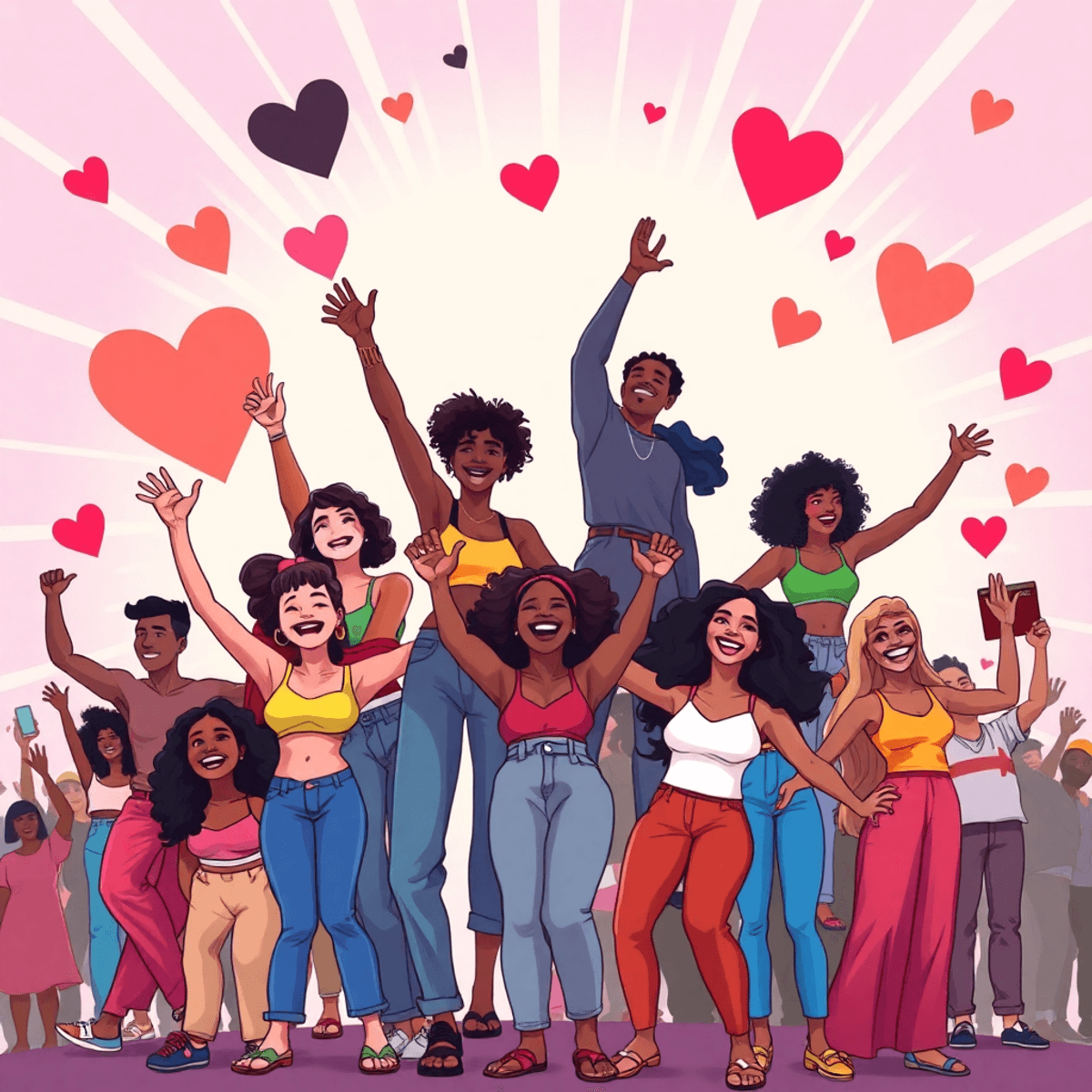
Photography as protest transforms the camera into a tool of resistance and empowerment. It captures more than images; it frames narratives that challenge dominant cultural assumptions, confront injustice, and assert presence in spaces often marked by erasure. This form of visual activism uses imagery to communicate dissent, disrupt oppressive systems, and amplify marginalized voices.
Radical self-love emerges as a political and justice-oriented practice rooted in affirming one's inherent worth despite societal attempts to devalue or marginalize. It moves beyond individual self-care into collective empowerment, insisting that love for oneself and community is an act of defiance against racism, sexism, ableism, homophobia, and other systems of oppression. Radical self-love demands visibility, respect, and authenticity as essential components of liberation.
The intersection of photography and radical self-love creates a powerful synergy. When you use photography to document your journey toward self-acceptance or to celebrate identities historically stigmatized or silenced, you challenge societal norms that dictate whose bodies are worthy of love and representation. This intersection turns every captured image into a site of resistance—an embodied statement rejecting shame and claiming visibility.
Key dimensions of this intersection include:
- Reclaiming agency: Using the photographic process to control how identities are portrayed rather than allowing oppressive stereotypes to define them.
- Challenging invisibility: Making marginalized experiences visible in ways that demand recognition.
- Celebrating diversity: Elevating varied expressions of beauty, desire, and identity beyond conventional standards.
A prime example of this celebration of diversity can be seen in the work done by inclusive studios like mIsFiTs Like ME, which embody these principles through their work. They not only provide a platform for individuals to reclaim their narratives but also challenge societal stigma around certain professions. For instance, their initiative on demystifying stigma around sex workers is crucial for fostering a more inclusive society.
When Photography Becomes Protest: Radical Self-Love in Action invites you to explore how these visual acts serve not only as personal affirmations but also as collective declarations against systemic inequality. The following sections deepen this exploration by examining activism’s roots in radical self-love, the role of photography as a medium for protest and expression, and how mIsFiTs Like ME's inclusive studio experience serves as a model for others in the industry.
The Concept of Radical Self-Love in Activism
Radical self-love comes from feminist activism, queer activism, and womanist principles. It is a powerful way to resist and heal. It is deeply rooted in communities that have been marginalized for a long time and challenges the dominant narratives that often devalue or erase identities based on race, gender, sexuality, ability, and other differences.
Origins and Principles
Feminist Activism
Feminist activism introduced radical self-love as a way to reclaim agency in the face of patriarchal oppression. It insists that loving oneself is a revolutionary act when society conditions women to internalize shame and inadequacy.
Womanist Principles
Womanist principles, drawing from Black feminist thought, emphasize self-love especially within the context of racial oppression. It broadens the scope by linking personal healing with collective liberation.
Queer Activism
Queer activism embraces radical self-love by celebrating identities historically stigmatized or criminalized. It dismantles heteronormative ideals by affirming desire, expression, and community belonging without apology.
Radical Self-Love as Resistance
Radical self-love functions as a direct counter to systems of oppression including:
- Racism: Affirming worth beyond racialized stereotypes and systemic marginalization.
- Sexism: Rejecting objectification and prescribed gender roles imposed on bodies.
- Ableism: Honoring diverse abilities and challenging norms around productivity and physicality.
- Homophobia: Embracing queer love and identity as valid and powerful expressions of humanity.
This form of love extends beyond private feelings. It demands visibility, dignity, and respect in public spaces where marginalized people are often denied these basic rights.
“Radical self-love is not simply about feeling good; it is about surviving and thriving against forces designed to diminish us.”
Love as an Embodied Political Act
Love here transcends emotion. It materializes through actions that affirm one's existence and integrity:
- Choosing to care for one’s body despite societal messages that devalue it.
- Claiming space visually, verbally, or physically as an act of defiance.
- Building communities that nurture collective healing rather than isolation.
- Engaging in practices—such as photography—that make visible what dominant culture tries to erase or silence.
Radical self-love demands ongoing commitment. It refuses complicity in oppressive systems by centering care, respect, and justice for oneself and others. This embodied love fuels movements that seek transformation not only at the individual level but across social structures.
Photography as a Tool for Protest and Self-Expression
Photography is a powerful form of visual activism that allows individuals, particularly those from marginalized backgrounds, to assert their agency and dignity in ways that words often cannot. Each photograph taken with purpose becomes an act of resistance—an assertion of presence within cultural narratives that have historically ignored or misrepresented diverse experiences.
Asserting Agency and Dignity
- Photography enables subjects to define themselves instead of being defined by external stereotypes.
- Through self-directed imagery, individuals reclaim control over their appearance and the stories they tell.
- The camera lens becomes a tool not only for capturing reality but also for shaping one's identity.
- This is particularly evident in boudoir photography, where subjects can explore their self-image in empowering ways.
Challenging Oppressive Stereotypes
- Visual representation challenges harmful clichés imposed by mainstream media about race, gender, sexuality, ability, and more.
- Photographic protest reveals the complexity and humanity beneath reductive, damaging images.
- Images emphasizing authenticity disrupt dominant narratives that seek to marginalize or tokenize certain communities.
Resisting Erasure and Silencing
- Photographic protest directly addresses the historical invisibility of marginalized groups.
- By documenting lived realities with honesty and care, photography asserts presence where invisibility was once enforced.
- Collective visual projects amplify voices that are often silenced, creating archives of resistance accessible beyond traditional activist spaces.
Photographs become powerful testimonies—embodied declarations—that empower individuals through imagery. This form of protest goes beyond verbal communication, engaging audiences emotionally and intellectually while fostering a shared sense of resilience among participants. Visual activism taps into the unique power of images to challenge oppressive histories and affirm diverse identities.
In this context, understanding the nuances of creating a luxurious and empowering boudoir experience or mastering tips for boudoir photography sessions can greatly enhance one's ability to use photography as a means of self-expression. Additionally, it is crucial to recognize the significance of consent and safe space creation in such intimate forms of photography.
mIsFiTs Like ME: An LGBTQIA+ Inclusive Photography Studio with a Sex-Positive Approach
mIsFiTs Like ME is a powerful example of how photography can embody radical self-love and protest through inclusivity and empowerment. This studio is firmly rooted in the belief that every individual deserves to see themselves represented authentically, with dignity and respect. Their mission centers on creating an affirming space where marginalized identities—especially within the LGBTQIA+ community—can express themselves freely through intimate imagery.
Mission and Inclusive Practices
mIsFiTs Like ME has established inclusive practices that align with their mission:
- LGBTQIA+ Focus: The studio welcomes clients of all gender identities and sexual orientations, fostering radical inclusivity that goes beyond token representation.
- Body Positivity: All bodies are celebrated regardless of size, shape, age, or ability. This commitment challenges conventional beauty standards by highlighting diverse forms of beauty.
- Sex-Positive Philosophy: Embracing sexuality as a natural and empowering aspect of identity, mIsFiTs Like ME encourages clients to explore their desires without shame or judgment.
- Strict Privacy Measures: Respect for client boundaries is paramount. Privacy protocols ensure that personal images remain confidential unless explicit consent for sharing is given.
Specializations in Photography Genres
mIsFiTs Like ME specializes in several niche areas that intersect with both identity and protest:
- Boudoir Photography: Intimate sessions designed to celebrate sensuality while empowering clients through self-expression. Our Plus Size Boudoir services highlight the beauty in every body type.
- Kink, Fetish, and BDSM Photography: These genres often face societal stigma. The studio approaches them with care and affirmation, spotlighting consensual power dynamics and alternative expressions of desire.
- Erotic Photography: Moving beyond pornography stereotypes, erotic art here celebrates sexuality as an aesthetic and political statement.
Each genre is handled with an understanding that these forms of visual expression challenge oppressive narratives about bodies and sexuality. By showcasing diverse sexual identities and practices artistically, mIsFiTs Like ME directly confronts cultural taboos.
Creating Safe Spaces for Empowerment
The environment at mIsFiTs Like ME prioritizes the emotional and physical safety of clients:
- Client-Centered Sessions: Comfort levels are continuously respected; clients can adjust boundaries at any point during shoots.
- Collaborative Process: Photographers work closely with clients to co-create images that reflect authentic identities without coercion or exploitation.
- Clear Communication: Before sessions begin, detailed consultations set expectations around consent, privacy, and legal compliance.
This approach transforms photography into an act of radical self-love—a practice where individuals reclaim their narratives through visual storytelling. In this way, mIsFiTs Like ME exemplifies how photography becomes protest against erasure by validating marginalized experiences with care and artistry.
The intersection of queer identity, kink culture, and sex positivity within this studio not only expands what is traditionally accepted in photographic art but also pushes back against systems that have long policed bodies and desire. By fostering visibility through loving representation, mIsFiTs Like ME makes
Distinguishing Erotic Art from Pornography in Protest Photography
Understanding the difference between erotic art photography and pornography is essential when discussing visual activism and radical self-love. Both forms involve the portrayal of human sexuality, but the intention, presentation, and impact diverge significantly.
Defining Erotic Art Photography versus Pornography
- Erotic art photography focuses on celebrating sensuality, identity, and the aesthetic beauty of the human body. It emphasizes mood, emotion, form, and empowerment rather than explicit sexual acts. This form of photography often includes boudoir photography which is about capturing confidence and sensuality tailored to one's unique comfort level.
- Pornography primarily aims to arouse and often depicts explicit sexual content intended for commercial consumption or gratification.
- Erotic art invites viewers to engage with themes of vulnerability, desire, and self-expression. It frames the subject as an active agent of their own narrative rather than an object for consumption.
“Erotic art photography challenges societal taboos by reclaiming the body as a site of power and creativity rather than exploitation.”
How Presentation Influences Perception
Where images are displayed shapes how they are interpreted:
- Gallery settings or curated exhibitions lend erotic art legitimacy through context, lighting, framing, and accompanying narratives that elevate it as cultural commentary or personal storytelling.
- Platforms such as OnlyFans or mainstream adult sites often blur lines by hosting content that mixes empowerment with commodification. While many creators use these platforms for self-expression and economic independence, perception is shaped by audience expectations tied to commercial sex work.
The difference lies in intentionality and audience engagement. Erotic art encourages reflection on identity and politics; pornography frequently reduces subjects to sexual objects for immediate consumption.
Erotic Art’s Role in Celebrating Sensuality and Identity Without Exploitation
Erotic art photography embodies empowerment through erotica by:
- Providing a safe space where subjects can explore and showcase their sexuality on their own terms.
- Highlighting diversity across gender identities, body types, ages (21+), and sexual orientations without conforming to narrow beauty standards. This aspect is crucial when navigating cultural sensitivity in modern intimate photography, ensuring respect for diverse identities while enhancing the art.
- Fostering dialogue about desire, healing, pleasure, and resistance against oppressive norms that shame or silence sexual expression.
This approach reclaims sexuality as a fundamental aspect of self-love and political resistance. It challenges harmful stereotypes by portraying complexity rather than caricature.
The careful distinction between erotic art photography and pornography respects client boundaries while amplifying voices historically marginalized in mainstream imagery. This separation supports a broader movement where visual protest becomes a means to assert dignity alongside desire.
Boudoir and Artistic Nude Photography: Radical Self-Love Practices that Challenge Beauty Norms
Boudoir photography offers more than just alluring images; it serves as a [transformative experience](<https: data-preserve-html-node="true"//www.misfitslikeme.com/st-louis-erotic-and-boudoir-photography/tag/Empowerment+Through+Boudoir+Photography>) where individuals explore identity and sensuality on their own terms. This genre creates a space for people to reconnect with their bodies, often confronting insecurities shaped by societal expectations. Through carefully crafted lighting, poses, and styling, clients witness their unique beauty celebrated—flaws and all—shifting the narrative from self-criticism to empowerment.
Artistic nude photography diverges from purely sexual representation by emphasizing aesthetics, grace, and vulnerability in art. The human body becomes a canvas expressing emotions beyond desire: strength, fragility, resilience. Photographers focus on composition, light interplay, and form to elevate subjects to symbols of natural beauty and authenticity. This approach invites viewers to appreciate the raw humanity behind every curve and contour rather than reducing bodies to objects of lust.
Both boudoir and artistic nude photography function as radical acts of body positivity. They reject narrow definitions of attractiveness promoted by mainstream media, instead honoring diversity in shape, size, skin tone, age, disability status, and gender expression. These practices dismantle harmful beauty standards by:
- Highlighting individual stories through personalized sessions
- Embracing imperfections as integral elements of identity
- Encouraging self-acceptance through embodied visual narratives
Tailoring your boudoir session for comfort and impact can significantly enhance this transformative experience. Vulnerability plays a crucial role in these photographic forms. Showing oneself without filters or masks demands courage but also fosters connection—to self and others. Vulnerability here is not weakness; it is an assertion of dignity that challenges cultural norms insisting on perfection or invisibility for marginalized bodies.
By engaging with boudoir or artistic nude photography, you participate in radical self-love that transforms personal healing into political resistance. The images become declarations against erasure and exclusion—proof that every body matters and deserves celebration beyond conventional frameworks. This practice extends activism from protest signs to intimate visual storytelling that uplifts marginalized identities with grace and power.
For those who identify as plus-size or curvy, exploring stunning ideas for boudoir photoshoots can further emphasize body positivity and confidence. Additionally, these photographic practices are increasingly becoming queer-friendly, providing a safe space for all gender expressions to celebrate their unique beauty.
Ethical Considerations in Radical Self-Love Photography: Client Safety and Privacy Protection
When you engage in radical self-love photography, client safety is not optional—it is foundational. Protecting physical, emotional, and psychological well-being during sessions requires clear communication and steadfast respect for personal boundaries.
Key practices prioritizing client comfort include:
- Pre-session consultations: Discuss limits, expectations, and any concerns to establish trust.
- Ongoing consent: Empower clients to adjust or halt activities anytime without pressure.
- Environment control: Create a welcoming, non-judgmental space that honors each individual’s identity and comfort level.
- Boundary enforcement: Photographers and staff maintain professional standards to prevent overstepping or discomfort.
Legal frameworks shape how explicit content is handled during these artistic explorations. Compliance with 18 U.S. Code § 2257 ensures documentation of participant ages and prevents exploitation. This law mandates rigorous record-keeping for any produced material containing nudity or sexual content, reinforcing accountability within the creative process.
For more on the legal and ethical considerations involved in such photography, you can refer to this comprehensive guide.
Balancing openness with responsibility means embracing vulnerability while safeguarding dignity:
Radical self-love in action demands transparency about risks, legalities, and privacy measures while fostering empowerment through imagery.
Privacy protection extends beyond the session itself:
- Images are controlled under strict copyright agreements to prevent unauthorized use.
- Client confidentiality is respected with secure storage and limited access to sensitive materials.
- Requests for image deletion post-session may be restricted due to legal constraints but are handled with sensitivity toward client wishes.
This ethical framework supports the transformative power of photography as protest—asserting visibility without compromising safety or trust. It reflects a commitment to honoring every participant's humanity while challenging oppressive norms through visual storytelling.
Visual Activism Through Collective Empowerment: Building Communities United by Love and Resistance
Photography becomes more than just personal expression when it is used as a form of collective action. Collaborative photographic projects create spaces where participants not only see themselves represented but also gain confidence and voice. This shared experience promotes empowerment by validating personal stories within a supportive community setting.
1. Cultivating Confidence and Voice
Group photo sessions, workshops, and exhibitions provide opportunities for marginalized individuals to express their identities boldly and authentically. When multiple voices come together through imagery, the impact grows—each participant's story adds to a larger narrative that challenges dominant cultural narratives. The act of creating together reinforces self-worth and breaks down feelings of isolation.
2. Building Communities United by Shared Experiences
Radical self-love expressed visually becomes a unifying force for communities resisting systemic oppression. Participants connect over common experiences of love, trauma, resilience, and resistance. These connections foster solidarity, turning photography into an act of communal healing and collective visibility. Through this perspective, photography is not just art; it is a means for social unity and mutual support.
**3. **Joy, Pleasure, and Self-Care as Rebellious Acts
Embracing joy and pleasure through visual representation confronts insecurity-driven societal norms that often stigmatize or erase marginalized bodies and desires. Self-care practices—whether captured in candid moments or stylized portraits—serve as radical gestures of defiance against shame and exclusion. This embodiment of well-being disrupts oppressive narratives by asserting that love for oneself and one's community is revolutionary.
These elements come together to make visual activism a powerful strategy for resistance. Photography becomes both a mirror reflecting diverse lived realities and a megaphone amplifying collective strength. The process of creating images together nurtures identity, connection, and change.
Photography as a Declaration of Existence: Using Images to Resist Systemic Oppression
Photography is a powerful form of embodied activism, where the act of being seen becomes an assertion of existence for marginalized communities. This process aligns closely with visibility politics, which emphasizes the importance of representation in challenging and dismantling systemic oppression.
Transforming Photography into Direct Action
Photographs do more than capture moments; they become direct action in resistance to invisibility imposed by oppressive systems. Each image affirms presence and identity, pushing back against erasure and marginalization. By choosing when, how, and where to be visible, individuals reclaim agency over their narratives.
Encouraging Open Dialogues Through Imagery
Visual storytelling invites conversations about complex topics such as identity, desire, trauma, and healing. Photographs create spaces where these discussions can unfold without words, allowing vulnerability and authenticity to surface. This openness helps dismantle stigma around queer identities, kink communities, sex work, and other often-silenced experiences. For instance, [Black and white imagery in visual storytelling](<https: data-preserve-html-node="true"//www.misfitslikeme.com/st-louis-erotic-and-boudoir-photography/category/Black+and+White+Imagery+in+Visual+Storytelling>) can evoke powerful emotions and provoke thought in ways that color photography may not.
Supporting Broader Movements for Equity and Justice
Images contribute to collective struggles for social change by making systemic issues tangible and relatable. They serve as tools for education, awareness-raising, and solidarity-building across diverse movements advocating for racial justice, gender equity, disability rights, and LGBTQIA+ liberation. Visual activism mobilizes empathy by humanizing stories that statistics or rhetoric alone cannot convey.
Photographic practice rooted in radical self-love embraces this role of visual activism unapologetically. It asserts that claiming visibility is not a passive state but an embodied declaration of existence — a necessary form of resistance against forces seeking to silence or erase marginalized bodies and experiences.
Conclusion
Photography has the power to challenge dominant narratives and create spaces for marginalized voices to be seen and heard. When photography becomes a form of protest, it goes beyond just representing these voices and becomes an act of radical self-love—an unapologetic declaration of existence that demands recognition and respect.
The Importance of Visual Activism
Embracing visual activism is crucial for empowering communities that are often pushed to the margins of society. Photographs can be used as tools not only for visibility but also for reclaiming dignity, rewriting stories, and asserting identities that defy oppressive norms. This practice nurtures resilience by fostering connection, healing, and collective strength.
Love as a Revolutionary Force
In this context, love emerges as a revolutionary force—far beyond mere sentimentality. It becomes a conscious choice to honor oneself and others in the face of systemic injustice. Radical self-love, expressed through art, dismantles shame and violence by celebrating authenticity, sensuality, and diversity without apology.
Your Role in Supporting Change
You have the power to witness and participate in this movement by supporting artists and projects that are committed to these values. Understand the profound impact that images can have in changing perceptions and inspiring social change.
Radical self-love in action challenges us all: to see differently, feel deeply, and stand boldly with those whose existence demands justice.
This is the essence of When Photography Becomes Protest: Radical Self-Love in Action.
FAQs (Frequently Asked Questions)
What is radical self-love and how does it function as a form of activism?
Radical self-love originates within feminist, womanist, and queer communities as a political and justice-oriented practice. It serves as resistance against systemic oppressions such as racism, sexism, ableism, and homophobia by embodying love as an active, empowering political act rather than merely an emotion.
How does photography serve as a tool for protest and empowerment in marginalized communities?
Photography functions as visual activism by asserting agency and dignity for marginalized identities. Through photographic protest, it challenges oppressive stereotypes, resists erasure and silencing, and fosters empowerment by visually representing the lived experiences and resilience of these communities.
What is mIsFiTs Like ME, and how does it incorporate radical self-love in its photography practice?
mIsFiTs Like ME is an LGBTQIA+ inclusive photography studio with a sex-positive approach specializing in boudoir, kink, fetish, BDSM, and erotic photography. The studio creates safe spaces honoring client boundaries and privacy while promoting empowerment through radical inclusivity and celebrating diverse expressions of identity.
How is erotic art photography distinguished from pornography within the context of protest photography?
Erotic art photography emphasizes the celebration of sensuality and identity without exploitation. Unlike pornography, which often focuses on explicit content for commercial purposes, erotic art's presentation—such as gallery exhibitions versus platforms like OnlyFans—frames imagery as empowering visual expressions that challenge societal norms.
In what ways do boudoir and artistic nude photography promote radical self-love and challenge conventional beauty standards?
Boudoir sessions offer transformative experiences exploring identity and sensuality, while artistic nude photography highlights aesthetics, grace, and vulnerability beyond sexuality. Both practices foster body positivity, encourage self-acceptance, and confront normative beauty ideals through intimate visual storytelling.
What ethical considerations are essential in radical self-love photography to ensure client safety and privacy?
Prioritizing client comfort levels and boundaries during sessions is paramount. Compliance with legal requirements such as 18 U.S. Code § 2257 for explicit content ensures responsible practice. Balancing openness with safeguarding well-being protects clients while supporting the transformative power of visual activism.