Why mIsFiTs Deserve Reverence, Not Just Acceptance
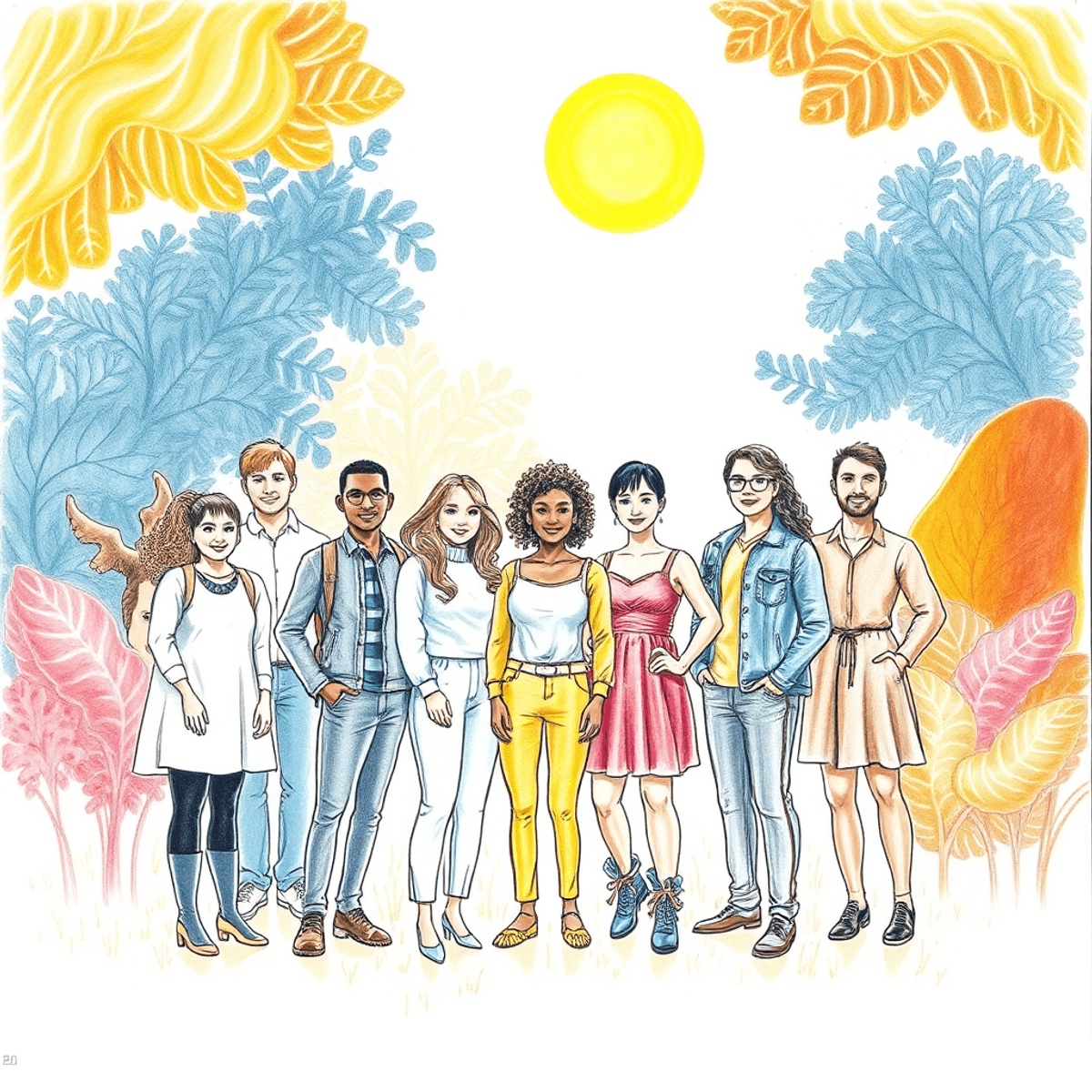
A diverse group standing confidently in a sunlit natural setting with warm colors and abstract shapes symbolizing growth and community.
Misfits stand apart from societal norms through their distinctive qualities and ways of being. They often challenge conventional expectations by embracing individuality, unconventional identities, or alternative worldviews. This divergence can provoke discomfort in a world that values conformity, positioning misfits as outsiders in social, professional, and cultural spaces.
Understanding the difference between acceptance and reverence is crucial when discussing misfits. Acceptance implies tolerance—allowing misfits to exist without necessarily valuing their contributions or fully embracing their identities. Reverence goes deeper: it involves genuine admiration, respect, and an acknowledgment of the unique strengths misfits bring to society. Mere acceptance can leave misfits marginalized or undervalued, while reverence empowers them to thrive and influence positive change.
Key takeaway: This article explores Why Misfits Deserve Reverence, Not Just Acceptance. It reveals how honoring misfits with true admiration enriches our communities by fostering innovation, diversity, and authentic cultural progress.
To illustrate this point further, consider the realm of photography—a field where misfits often thrive by challenging traditional norms. For instance, Plus Size Boudoir photography celebrates body diversity and challenges societal beauty standards. Similarly, the choice of Color Palette Selection in photography can reflect an individual's unique identity and perspective.
Moreover, the photographic journey can also serve as a platform for personal growth and self-acceptance, offering Therapeutic Benefits that extend beyond the lens. However, it's essential to approach this art form with a strong understanding of Professional Ethics in Photography, ensuring that the dignity and individuality of each subject are respected and honored.
The Challenges Faced by Misfits in a Conformist World
Misfits often stand apart because of their nonconformity—a refusal to fit neatly into societal expectations. This distinctiveness, while valuable, frequently invites significant challenges:
- Social exclusion: Misfits may find themselves marginalized or isolated as their behaviors and beliefs do not align with dominant cultural norms.
- Discrimination: Prejudice against those who defy conventional roles or identities leads to barriers in education, employment, and community participation.
- Internal struggles with self-acceptance: Facing constant pressure to conform can result in self-doubt and emotional conflict, making it difficult for misfits to embrace their authentic selves fully.
However, nonconformity is often misunderstood as defiance rather than a source of fresh insight. Misfits bring unique perspectives that question established ideas and inspire innovation across disciplines. Their viewpoints frequently serve as catalysts for:
- Artistic breakthroughs: Challenging traditional aesthetics and narratives, misfits expand the boundaries of creative expression. For example, boudoir photography can be tailored for empowerment and comfort, serving as a medium for self-expression and acceptance. Moreover, the exploration of the science behind how psychedelics inspire creative breakthroughs could further illuminate the connection between nonconformity and creativity.
- Scientific progress: By approaching problems unconventionally, they uncover solutions overlooked by mainstream paradigms.
- Activism and social change: Misfits highlight injustices ignored by the majority, driving movements toward equity and inclusion.
These contributions prove essential for cultural evolution. Recognizing the difficulties misfits face alongside their invaluable input emphasizes why society must move beyond mere acceptance. Understanding their role challenges us to rethink how we value difference—not as something to tolerate but as a vital force for growth and transformation.
Moreover, the power of art, such as boudoir photography, can serve as a powerful tool for self-empowerment and acceptance. Whether it's tailoring a boudoir session for maximum impact and comfort, or exploring stunning ideas for plus-size and curvy boudoir photoshoots that emphasize body positivity and confidence, these artistic expressions are vital in challenging societal norms. Additionally, offering [queer-friendly boudoir photography](<https: data-preserve-html-node="true"//www.misfitslikeme.com/st-l>
Beyond Tolerance: The Need for Deep Respect Towards Misfits
Tolerance often gets mistaken for acceptance, but the two are fundamentally different. Tolerance implies putting up with someone or something despite discomfort or disagreement. It’s a minimal threshold, a passive allowance that does not challenge existing social barriers. Acceptance, while better, can still be superficial—offering inclusion without dismantling the biases that keep misfits at the margins.
Misfits frequently face tokenistic gestures of acceptance. These are symbolic nods that serve more to preserve appearances than create real change. Examples include inviting diverse voices to the table but not valuing their input, or celebrating misfit identities only in limited contexts that don’t threaten dominant norms. Such superficial inclusion maintains the status quo rather than breaking down underlying prejudices.
Social barriers persist when gestures remain surface-level:
- Implicit biases continue to influence decisions and behaviors.
- Exclusionary practices remain embedded in workplaces, schools, and communities.
- Cultural narratives still favor conformity over difference.
The consequence is that misfits may be "allowed" to exist but not truly valued or respected. This limited approach stifles the potential contributions of those who deviate from norms.
Deep respect requires moving beyond tolerance and acceptance. It means actively challenging societal prejudices and creating environments where misfits’ unique perspectives are recognized as essential—not just tolerated or superficially embraced. True inclusion demands confronting discomfort and reevaluating ingrained attitudes so misfits can thrive authentically and fully participate in shaping our collective future.
One way to foster this deep respect is through initiatives that promote understanding and empathy towards misfits. For instance, engaging in emotional preparation before interacting with diverse individuals can help us challenge our own biases and preconceptions. Similarly, exploring music curation and technology can provide insights into different cultural narratives and experiences.
Moreover, adopting self-care rituals can empower misfits by helping them embrace their unique identities. It's also crucial to appreciate the various styles and themes in boudoir photography, as these art forms often reflect the diverse narratives of misfit identities.
Achieving true respect for misfits involves more than just tolerance or superficial acceptance; it requires a fundamental shift in our societal attitudes and practices.
Reverence as an Active Form of Social Inclusion
Reverence goes beyond passive acceptance or superficial admiration. To revere someone means to hold them in deep respect and profound admiration, recognizing their intrinsic value and the unique light they bring to the world. It’s an active stance—one that demands engagement, acknowledgment, and celebration of differences rather than mere tolerance.
The Power of Reverence for Misfits
When it comes to misfits, reverence is a powerful form of social inclusion. It acknowledges not only their presence but their essential role in shaping culture, innovation, and community. This kind of respect moves past tokenism or polite nods; it involves actively valuing the diverse contributions misfits make, whether through unconventional creativity, fresh perspectives, or bold challenges to existing norms.
What Reverence Means for Misfits
You can think of reverence as:
- Recognition of inherent worth: Misfits are not just tolerated for being different; they are respected for who they are at their core.
- Appreciation of transformative potential: Their ideas and identities often spark progress in art, technology, social movements, and more.
- Commitment to inclusion: Reverence demands making space for misfits’ voices and experiences in meaningful ways.
The importance of Why Misfits Deserve Reverence, Not Just Acceptance lies in this very shift—from passive coexistence to active celebration. Revering misfits fosters environments where innovation thrives and communities grow stronger by embracing complexity rather than suppressing it.
Misfits: Catalysts for Innovation, Diversity, and Cultural Progress
Misfits play a crucial role in driving innovation and creativity. Their unconventional viewpoints challenge traditional beliefs, forcing society to reevaluate established norms. This disruption often leads to significant advancements in various fields such as technology, science, art, and social movements.
How Misfits Drive Innovation and Creativity
Innovation thrives on fresh perspectives. Misfits challenge the status quo by questioning what is considered “normal” or “acceptable.” Their willingness to think differently fuels creative problem-solving and pushes boundaries. A prime example of this is seen in the creative practices that misfits often adopt, which allow them to explore new avenues of thought and expression.
Creativity flourishes when diverse experiences are valued. By bringing their unique identities and lived experiences into cultural spaces, misfits introduce new narratives that enrich collective understanding. These narratives foster empathy, broaden worldviews, and inspire others to embrace complexity.
Cultural progress depends on voices outside the mainstream. Misfits often become pioneers of social change by exposing injustices or outdated traditions. Their contributions can redefine societal values, making room for inclusivity and equity.
Examples of Misfits Who Changed the World
Throughout history, there have been numerous instances where misfits have revolutionized thought and culture. Here are a few notable examples:
- Frida Kahlo: An artist whose work challenged conventional perceptions of identity and pain.
- Alan Turing: A mathematician whose unconventional ideas laid the groundwork for modern computing.
These individuals exemplify how misfits act as catalysts for progress by refusing to conform.
Embracing Misfits' Contributions
Understanding the transformative power of misfits means recognizing their ideas as vital elements of dynamic societies rather than mere outliers. When we acknowledge the value of misfits' contributions—such as those from the sex work industry that challenge stigmas and promote empowerment—we create opportunities for innovation capable of reshaping cultural landscapes positively.
Additionally, misfits also play an essential role in reshaping perceptions surrounding boudoir photography, highlighting its empowering form of self-expression rather than solely viewing it through a sexual lens. This shift in perspective not only boosts individual confidence but also honors diverse identities and ethics within modern intimate photography.
Moreover, exploring Black and White Imagery in visual storytelling further demonstrates how misfits utilize their distinct viewpoints to push artistic boundaries. Acknowledging these contributions enables us to value the richness they add to our cultural landscape.
In addition to these areas, it's important to recognize how misfits contribute to the field of photography itself. Their unique perspectives often lead them to explore unconventional methods and
Radical Inclusivity: Creating Safe Spaces for All Identities to Thrive
Radical inclusivity goes beyond traditional diversity efforts by embracing the full spectrum of human diversity—not only visible differences but also every legal preference, identity, and expression. It requires actively accepting and celebrating complexities that often make people feel like outsiders.
This approach values diversity of thought as much as physical or cultural differences. When you prioritize radical inclusivity, you recognize that authentic self-expression is vital for individuals to flourish. Misfits, who often carry unconventional perspectives or identities, need spaces where they can fully inhabit their truth without fear of judgment or exclusion.
What Are Safe Spaces?
Creating safe spaces means establishing environments where everyone feels empowered to:
- Express their identities openly
- Share ideas without censorship or ridicule
- Challenge prevailing norms without repercussions
Such spaces foster a culture of reverence rather than mere tolerance. Reverence involves honoring the inherent worth and unique contributions of each person—especially those who disrupt the status quo. For instance, in the context of creating luxurious and empowering boudoir experiences, it's crucial to establish an environment that respects personal boundaries and fosters self-expression.
How to Create Safe Spaces
In practice, radical inclusivity requires ongoing effort:
- Policies that protect against discrimination based on all legal identities, including legal and ethical considerations
- Community norms that discourage microaggressions and tokenism
- Encouragement for vulnerability and honest dialogue
When misfits thrive in these environments, their creative energy and innovative thinking become powerful forces for social transformation. The richness of perspectives nurtured through radical inclusivity fuels progress across art, activism, science, and culture. This holistic embrace helps build communities where difference is not just accepted but genuinely revered.
Moreover, understanding the importance of consent in safe space creation is essential in this journey towards radical inclusivity. This ensures that all individuals feel secure in expressing their true selves without any reservations.
The Power of Community Support in Honoring Authenticity Among Misfits
Community support plays a crucial role in empowering misfits to embrace their authentic selves. When you belong to a supportive community, you gain more than just acceptance—you receive validation that your unique identity matters and is worthy of respect. This validation acts as a powerful antidote to the isolation and alienation that misfits often experience in mainstream society.
The Importance of Supportive Communities
Consider how misfits frequently encounter social rejection or misunderstanding. Without a nurturing environment, these experiences can lead to self-doubt and internal conflict. Supportive communities offer a refuge where individuals can express their true identities without fear of judgment or exclusion. They foster belonging, which is essential for mental and emotional well-being.
Key benefits of community support for misfits include:
- Validation: Affirming that diverse identities and ways of being are legitimate and valuable.
- Strength: Providing emotional resilience through shared experiences and collective encouragement.
- Belonging: Creating a safe space where people don’t have to hide or conform, allowing for genuine connection.
Challenging Societal Narratives
These communities might take many forms—from local support groups, online forums, inclusive creative spaces like mIsFiTs Like ME, to activist networks championing diversity. Their presence challenges societal narratives that marginalize misfits by celebrating difference as a source of strength rather than something to simply tolerate.
Understanding Why Misfits Deserve Reverence, Not Just Acceptance means recognizing that authentic belonging requires more than passive allowance; it demands active support systems that uplift and honor individuality. Such communities are indispensable in transforming society into one where misfits not only survive but flourish.
The Role of Art in Self-Acceptance
Moreover, the power of art in photography and music can also play a significant role in this journey towards self-acceptance and authenticity. For instance, the power of art in photography can serve as a medium for misfits to express their identities visually while music can provide an emotional outlet, further solidifying the sense of community and belonging.
Embracing Complexity: Seeing Beyond Labels When It Comes To Misfit Identities
Labels are convenient, but they often fall short when describing the rich identity complexity of misfits. Reductive labeling confines people into simplistic categories or stereotypes, stripping away the layers that make each individual unique. These oversimplifications can lead to misunderstanding and marginalization, reinforcing social barriers rather than dismantling them.
The Limitations of Labels
Consider how society frequently lumps diverse identities under broad, monolithic terms—"misfit," "outsider," or "other"—without recognizing the intricate personal histories, emotions, and experiences behind these labels. Such categorization diminishes human dignity by ignoring how identity is fluid and multifaceted. Misfits often embody contradictions and nuances that defy easy classification. Their identities intersect across dimensions like gender, sexuality, culture, creativity, and belief systems.
Moving Beyond Tolerance
Recognizing this complexity demands moving past mere tolerance toward a deeper reverence. Reverence means honoring the full humanity of misfits with respect for their stories and inner worlds. It requires embracing ambiguity instead of forcing neat definitions. You begin to appreciate how their distinct perspectives contribute to cultural richness and innovation.
Fostering Authentic Connection
When you see beyond labels, you invite authentic connection rather than superficial acceptance. This shift fosters environments where misfits can express their true selves without fear of being boxed in or misunderstood. Valuing identity complexity cultivates empathy and challenges societal norms that prioritize conformity over individuality.
Building Respectful Communities
Fostering such understanding is essential for building communities grounded in respect—not just for difference but for the profound human dignity inherent in every misfit’s experience.
Conclusion
Misfits challenge the boundaries of societal norms, inviting us to reconsider what it means to belong and contribute. Mere acceptance falls short when we aim for a society that truly values respect for diversity and the rich tapestry of human experience. You have the power to move beyond tolerance—toward honoring uniqueness in all its forms.
Here are some ways you can do this:
- Recognize the courage it takes for misfits to live authentically amid pressures to conform.
- Celebrate their contributions as essential drivers of innovation, cultural progress, and deeper understanding.
- Advocate for communities and spaces where every identity can thrive without fear or limitation. This includes promoting inclusive practices in photography which reflect and honor this diversity.
The call is clear: embrace a mindset that offers genuine admiration rather than passive acceptance. This shift opens doors for richer cultural narratives shaped by authentic diversity, empowering everyone to express their true selves.
“When we revere those who disrupt the status quo, we cultivate a world where difference is not only accepted but celebrated.”
You have an opportunity to help shape this inclusive future—one where misfits receive the reverence they deserve, inspiring us all to grow beyond limiting labels and stereotypes. Whether it's through advocating for an inclusive studio experience in photography or supporting other forms of inclusivity, every effort counts towards building a more accepting society.
FAQs (Frequently Asked Questions)
Who are considered misfits and what unique qualities set them apart from societal norms?
Misfits are individuals who do not conform to conventional societal expectations and norms. Their unique qualities include alternative perspectives, individuality, and innovative thinking that challenge the status quo and enrich communities in profound ways.
What is the difference between acceptance and reverence when it comes to embracing misfits?
Acceptance often implies tolerance or superficial inclusion without deep appreciation, whereas reverence involves genuine admiration, respect, and recognition of the inherent worth and transformative potential of misfits' contributions to society.
What challenges do misfits face in a conformist world?
Misfits frequently encounter social exclusion, discrimination, and internal struggles with self-acceptance due to their nonconformity. Despite these challenges, they offer valuable alternative viewpoints that drive progress in fields like art, science, and activism.
Why is tolerance insufficient for fully embracing misfits?
Tolerance tends to be a passive or tokenistic gesture that fails to address underlying biases and prejudices. True inclusion requires moving beyond tolerance to active respect and reverence that honors the complexity and value of misfit identities.
How do misfits act as catalysts for innovation and cultural progress?
By offering fresh perspectives that challenge existing paradigms, misfits inspire creativity and innovation. Their unique identities contribute to reshaping cultural narratives and fostering diversity of thought essential for positive social change.
What role does community support play in honoring authenticity among misfits?
Supportive communities provide validation, strength, and a sense of belonging for misfits, helping them navigate societal challenges while remaining true to themselves. Such communities foster radical inclusivity where all identities can thrive authentically.