Why Shame Dies in an Inclusive Studio (and How to Spot One)
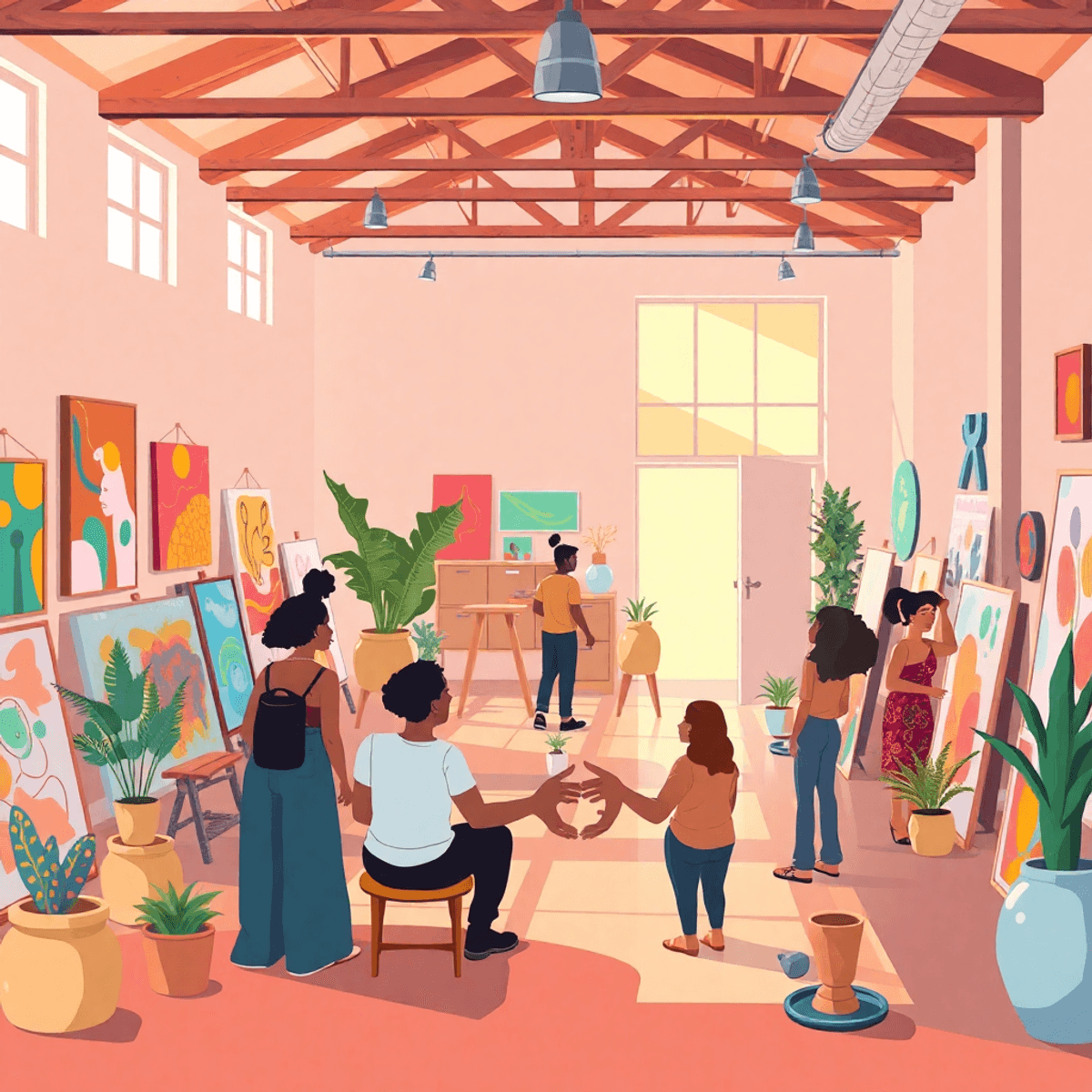
An inclusive studio is more than just a physical space; it is a creative environment where diversity in art and identity is not only welcomed but celebrated. Such studios actively foster a shame-free environment that supports all individuals regardless of gender, sexuality, body type, or personal expression. Inclusive practices play a crucial role in this.
Shame often creeps into creative spaces as self-doubt, fear of judgment, or feelings of not belonging. It can manifest through harsh criticism, exclusion, or internalized negative beliefs about one’s identity or artistic expression. This emotional barrier stifles creativity and limits authentic self-expression.
However, inclusivity helps eliminate shame by cultivating respect, safety, and acceptance. Inclusive studios prioritize open communication, mutual respect, and radical acceptance to create an atmosphere where artists and clients feel empowered rather than diminished. This empowerment is evident in practices like Boudoir photography, which celebrate individuality and promote self-love.
You will learn how shame arises in artistic environments and why inclusive practices are essential to counter it. This article will break down the core elements that help shame fade away in inclusive studios and detail the characteristics you can look for before joining or working with one. Understanding these factors equips you to seek or build creative spaces where authenticity thrives without fear or judgment.
Such creative spaces can also be found in the realm of music curation and technology, where the power of art extends beyond traditional boundaries. It's important to recognize that an inclusive studio experience is not limited to visual arts but can also encompass other forms of creative expression.
Understanding Shame in Artistic and Creative Studios
Shame in art is a pervasive, often silent force that can stifle creativity and limit authentic self-expression. In many creative studios, creative anxiety emerges from environments where harsh judgment and unhealthy competition dominate. These pressures create a climate where artists hesitate to take risks or show vulnerability, fearing criticism that might diminish their worth.
Common Sources of Shame in Creative Settings
- Harsh Judgment: Critical comments focused on flaws rather than growth lead to internalized shame. When feedback lacks empathy or constructiveness, the artist’s confidence suffers.
- Competition: Rivalry among peers can foster comparison and feelings of inadequacy. Instead of collaboration, this breeds isolation and self-doubt.
- Unrealistic Standards: Pressure to meet idealized notions of talent, style, or success causes many to feel they fall short.
Impact on Creativity and Self-Expression
Shame acts as a barrier between the artist and their work. It narrows focus onto perceived imperfections instead of the creative process itself. Artists may:
- Censor ideas or avoid exploring new techniques.
- Withdraw from sharing or exhibiting their work.
- Experience creative blocks fueled by fear of judgment.
This cycle diminishes both artistic growth and personal fulfillment.
Identity-Related Shame: Gender, Body Image, Sexuality
Creative spaces are deeply personal; identity plays a crucial role in how shame manifests.
- Gender: Non-conforming or transgender artists often face invisibility or misgendering, leading to feelings of exclusion.
- Body Image: Physical appearance influences comfort during sessions—especially in intimate or nude photography settings—where body shaming can severely undermine confidence. In such cases, pre-session self-care rituals can help mitigate some of these negative feelings.
- Sexuality: LGBTQIA+ individuals might encounter stigma that suppresses honest exploration of desire and sensuality through art. It's essential to understand that boudoir photos do not have to be sexual; they can also be an empowering form of self-expression tailored to one's unique comfort level.
Artists confronting these identity-related challenges frequently carry layers of shame that extend beyond the studio walls. This emotional weight makes finding safe, inclusive environments essential for healing and liberation. Furthermore, understanding cultural sensitivity in modern intimate photography can enhance the art while respecting diverse identities and ethics.
Artistic vulnerability requires more than technical skill; it demands spaces free from judgment where all expressions of identity are honored.
Core Elements That Cause Shame to Fade in Inclusive Studios
Inclusive studios implement inclusivity practices designed to dismantle shame by fostering environments where everyone can thrive. These elements work together to create spaces that feel physically and emotionally secure, respectful, and affirming.
Creating Safe Spaces
Safe spaces are foundational. They provide:
- Physical safety: Clean, accessible, and thoughtfully arranged studios that respect personal boundaries.
- Emotional safety: Environments where clients and artists feel free from judgment or ridicule.
When you enter a studio with these qualities, the usual triggers of shame—fear of criticism, exposure, or misunderstanding—are minimized. Safety encourages vulnerability, which is essential for authentic creativity. This is particularly important in intimate creative work such as boudoir photography, where emotional preparation and consent play crucial roles.
Prioritizing Mutual Respect & Constructive Critique Over Competition
Traditional creative settings sometimes foster rivalry and harsh judgment. Inclusive studios reject this by:
- Emphasizing mutual respect among all participants.
- Encouraging constructive critique focused on growth rather than tearing down.
- Promoting collaboration instead of competition.
This approach transforms the energy in the studio from one of anxiety and comparison into one of shared learning. You feel supported rather than scrutinized, which reduces shame significantly.
Radical Inclusivity
Radical inclusivity means welcoming all identities without exception:
- All genders and gender expressions
- Every sexual orientation within LGBTQIA+ spectrum
- Kink-friendly and sex-positive attitudes that recognize diverse desires and expressions
This element challenges societal norms that often marginalize or stigmatize certain groups. By embracing radical inclusivity, studios send a clear message: you belong here as you are. This message dismantles identity-related shame tied to gender, sexuality, or lifestyle choices.
For instance, queer-friendly boudoir photography exemplifies this radical inclusivity by celebrating diverse identities and expressions.
Supporting Privacy and Safety
Respect for privacy is crucial in intimate creative work. Inclusive studios:
- Honor client boundaries at every step.
- Allow clients to adjust comfort levels freely during sessions.
- Maintain confidentiality rigorously.
- Decline requests that could compromise physical or emotional well-being.
Boundaries are discussed openly before sessions begin to ensure everyone feels in control. This commitment makes it easier for clients to relax and express themselves without fear of exposure or coercion. Such practices are integral to the creation of safe spaces which further alleviate feelings of shame.
These core elements—safe spaces, mutual respect with constructive critique, radical inclusivity, and
Characteristics of an Inclusive Studio That Help Eradicate Shame
Inclusive studios distinguish themselves through specific practices and cultural commitments that actively dismantle shame. These characteristics create an environment where diversity support and empowerment culture flourish.
Active Community Engagement
Inclusive studios often host events, workshops, and meet-ups designed especially for marginalized groups. These gatherings foster a sense of belonging beyond the individual sessions, allowing clients and collaborators to connect with others who share similar identities or experiences. This network-building combats isolation, which is a common source of shame in creative environments.
- Events may include LGBTQIA+ socials, kink-positive discussion panels, or body positivity workshops.
- Community-driven spaces provide ongoing support and encouragement.
- Engagement demonstrates the studio’s genuine commitment to diversity support.
Anti-Bullying and Anti-Discrimination Measures
Effective policies against bullying, favoritism, body shaming, and gender stereotyping are non-negotiable in inclusive studios. These measures are enforced consistently to maintain trust and safety. Understanding anti-bias practices can further enhance these efforts.
- Clear guidelines outline unacceptable behaviors and consequences.
- Staff training ensures sensitivity to microaggressions and implicit bias.
- Open channels for reporting concerns without fear of retaliation.
- Addressing issues promptly prevents toxic dynamics that fuel shame.
Leadership Styles That Promote Empathy & Supportiveness
Traditional arts training often relies on authoritarian models that can inadvertently perpetuate shame through harsh criticism or rigid hierarchies. Inclusive studios adopt leadership approaches centered on empathy and support.
- Leaders act as mentors rather than dictators, encouraging growth without judgment.
- Constructive feedback is delivered respectfully, focusing on potential rather than flaws.
- Emotional intelligence guides interactions between staff and clients.
- Collaborative decision-making empowers all participants to have a voice.
Celebrating Body Positivity & Sex-Positivity
An inclusive studio openly embraces body positivity and sex-positivity as core values. This means accepting all bodies—regardless of shape, size, ability, or appearance—and all expressions of sexuality without judgment.
- Visual materials reflect diverse bodies and identities. For instance, these stunning ideas for plus-size boudoir photoshoots emphasize body positivity and confidence.
- Language used by staff avoids stigmatizing terms or assumptions.
- Sessions accommodate comfort levels around nudity, touch, and eroticism with respect for personal boundaries.
- Celebratory attitudes toward sensuality help clients shed shame tied to societal expectations.
These characteristics build the foundation for creative freedom untainted by shame. Additionally, it is important to address the social-emotional aspects in these environments to further enhance the overall experience for all participants.
Practical Ways Inclusive Studios Accommodate Individual Comfort and Expression
Inclusive studios understand that every client is unique, with their own boundaries, comfort levels, and personal backgrounds. By prioritizing client boundaries and promoting a strong consent culture, these studios ensure that sessions can be adjusted and conducted in a respectful manner. This approach not only helps to reduce feelings of shame but also creates an environment where genuine self-expression can thrive.
Allowing Clients to Adjust Comfort Levels Freely During Sessions
Clients must have the freedom to communicate changes in their comfort at any point during a session. Whether it’s pausing, modifying poses, or altering the use of certain props, an inclusive studio empowers clients to speak up without fear. This dynamic responsiveness demonstrates respect for personal limits and nurtures trust between the client and photographer.
- Clients may request breaks or adjustments without needing to justify their feelings.
- Photographers actively check in, encouraging openness about physical or emotional discomfort.
- Flexibility allows clients to explore vulnerability safely, enhancing creative outcomes.
Tailoring Sessions for Maximum Comfort and Impact
An essential aspect of making clients feel comfortable is tailoring the boudoir session according to their needs. This can mean:
- Offering alternatives when traditional poses or lighting setups cause discomfort.
- Respecting requests to avoid certain items or themes that clash with a client’s identity or experiences.
- Adjusting the setting, whether it's a studio, home, or outdoor location, to honor personal preferences.
This adaptability signals that the studio values you as a whole person, not just a subject.
Declining Requests That Compromise Safety or Well-being While Maintaining Openness
Inclusivity does not mean compromising safety standards. Studios committed to ethical practice maintain clear boundaries around what is acceptable:
“We welcome exploration but will decline any requests that jeopardize your well-being or our team’s safety.”
Examples include refusal of activities causing physical harm beyond temporary marks or those violating legal guidelines. This stance protects clients and staff while preserving open dialogue about desires and limits.
Setting firm yet compassionate boundaries fosters mutual respect — clients learn that saying “no” is supported just as much as saying “yes.”
Legal Compliance Considerations Balancing Openness with Responsibility
Navigating legal frameworks like U.S. Code §2257 requires careful balance between radical openness and regulatory responsibility. Studios must also pay attention to legal and ethical considerations while operating transparently within these laws by:
- Verifying age and maintaining detailed records as mandated.
- Respecting privacy while understanding documentation cannot be deleted once created.
- Informing clients upfront about what can be captured and stored legally.
This compliance safeguards both parties, ensuring sessions remain secure spaces without sacrificing creative freedom. Transparency about legal obligations strengthens trust and further diminishes anxiety rooted in uncertainty.
Prioritizing session adaptability, respecting client boundaries, embedding a robust consent culture, and adhering strictly to safety protocols define how inclusive studios accommodate individual comfort and expression on multiple levels. These practical measures build a foundation where shame dissipates naturally through respect, empowerment, and clear communication.
The Transformative Power of Inclusivity on Creativity and Identity Exploration
Inclusive studios offer a unique space where artistic empowerment and identity exploration merge seamlessly, particularly through the lens of erotic art photography. This genre distinguishes itself sharply from pornography by focusing on aesthetics, emotion, and personal narrative rather than explicit sexual content. The distinction matters deeply: erotic art photography invites participants to reclaim their sensuality and express their desires artistically, fostering self-respect and confidence instead of objectification.
Erotic Art Photography vs. Pornography
Inclusive studios educate clients about this difference to cultivate respect for the process and the resulting images.
- Erotic art emphasizes mood, lighting, composition, and emotional resonance.
- It celebrates diverse body types, gender identities, and sexualities without judgment or stereotype.
- The focus is on empowerment rather than performance, encouraging subjects to engage with their own sensuality authentically.
Boudoir Photography: Celebrating Sensuality Without Shame
This form of photography:
- Highlights personal beauty through soft lighting, thoughtful poses, and intimate settings.
- Supports all genders and bodies equally, challenging conventional beauty standards such as those seen in Plus Size Boudoir.
- Encourages participants to view their bodies as sources of strength and allure rather than objects of criticism.
- Acts as a transformative experience that often shifts clients' perceptions of themselves toward greater acceptance and pride.
Artistic Nude Photography as a Medium for Vulnerability and Self-Acceptance
Inclusive studios approach this with care:
- Emphasizing the aesthetic beauty of the nude form—lines, shapes, textures—rather than sexualization.
- Offering a platform where clients confront insecurities while embracing imperfection as part of natural beauty.
- Encouraging dialogue around themes like identity, self-worth, and interconnectedness with others.
- Allowing subjects to experience liberation from societal norms that often dictate shame around nudity.
Encouraging Dialogue on Identity and Interconnectedness Through Art
Inclusive creative spaces do not merely capture images; they foster ongoing conversations about identity in all its complexity:
- Art becomes a catalyst for understanding diverse experiences related to gender, sexuality, culture, and body image.
- Studios host discussions or community events that encourage sharing stories behind the art.
- Participants find solidarity in shared vulnerabilities and strengths revealed through creative expression.
- This dialogue nurtures empathy among clients, artists, and audiences alike—strengthening communal bonds.
The synergy between inclusivity and artistic practice transforms traditional studio work into a powerful journey of self-discovery. You witness firsthand how removing shame opens doors to richer creativity and deeper identity exploration. This is particularly evident in areas such as [color palette selection](<https: data-preserve-html-node="true"//www.misfitslikeme.com/st-louis-erotic-and-boudoir-photography/category/Color+Palette+Selection>) which plays a significant role in enhancing the emotional resonance of the artwork. Additionally, the therapeutic benefits associated with these practices further underscore their potential for healing and growth.
How to Spot an Inclusive Studio Before You Join or Work With One
Identifying signs of inclusivity in a creative studio can save you from uncomfortable, shame-inducing experiences. The right studio culture encourages openness, respect, and authentic expression. Look for these clear studio culture indicators:
1. Visible Commitment to Diversity
Does the studio openly welcome all genders, sexual orientations, and identities? Statements or symbols indicating LGBTQIA+ friendliness, kink acceptance, or sex-positive values are strong signs. For example, mIsFiTs Like ME explicitly declares its LGBTQIA+, kink & SW welcoming stance, signaling radical inclusivity. They even focus on demystifying the stigma around sex workers, which is crucial for fostering a more inclusive society.
2. Clear Communication About Safety Protocols and Privacy Protections
An inclusive studio spells out how it protects your emotional and physical well-being. Check if they provide detailed information about privacy safeguards, boundaries during sessions, and legal compliance (such as adherence to U.S. Code §2257). Transparency here shows respect for clients’ comfort and rights.
3. Presence of Community Events or Programs Supporting Marginalized Groups
Studios committed to inclusivity often host meet-ups, workshops, or support groups that uplift marginalized voices. These events foster a sense of belonging and demonstrate active engagement beyond transactional services.
4. Positive Client Experiences Highlighting Respect for Boundaries and Comfort
Testimonials are invaluable when assessing inclusivity. Look for client stories emphasizing how their preferences were honored without pressure or judgment. Respect for personal limits during sessions is a hallmark of studios where shame dies.
**5. **Transparent Policies Around Consent and Legal Compliance
Consent isn’t just a buzzword—it’s central to an inclusive studio’s operations. Clear policies about how consent is obtained, maintained, and documented reflect ethical practices. A transparent approach to legal frameworks reassures clients that safety is prioritized alongside creativity.
These factors together create an environment where shame has no foothold. When you visit or research a studio, watch for these markers that indicate a genuine commitment to inclusivity rather than token gestures. This will empower you to choose spaces aligned with your need for safety, respect, and freedom of expression.
Conclusion
Inclusive creativity benefits everyone by breaking down the barriers of shame and fear that often hold back true self-expression. When you engage with or create a studio environment based on inclusivity, you open up the possibility for genuine artistic exploration without judgment.
Consider these points as guiding principles:
- Foster supportive environments where respect, safety, and openness are foundational values.
- Recognize how overcoming shame transforms not only individual creativity but also community dynamics.
- Understand that inclusive studios are not just physical spaces but active ecosystems promoting acceptance of all identities and expressions.
- Advocate for transparency, consent, and boundary-respecting practices in every creative setting you join or lead.
Your role—whether as an artist, client, or leader—is crucial in creating spaces where shame fades away and vibrant, fearless creativity flourishes. Actively seeking out or nurturing inclusivity is a commitment to honoring diverse experiences and enabling deeper connections through art.
Use the insights from Why Shame Dies in an Inclusive Studio (and How to Spot One) as a guide to enhance your own creative journey and those around you.
FAQs (Frequently Asked Questions)
What defines an inclusive studio and why is it important?
An inclusive studio is a creative space that fosters a shame-free environment by embracing diversity in art, identities, and expressions. It prioritizes mutual respect, safety, and radical inclusivity to eliminate shame, enabling authentic creativity and self-expression.
How does shame typically manifest in artistic and creative studios?
Shame in creative environments often arises from harsh judgment, competition, and artistic vulnerability. It can be linked to identity-related factors such as gender, body image, and sexuality, leading to creative anxiety and hindering self-expression.
What core elements help shame to fade in inclusive studios?
Inclusive studios reduce shame by creating safe physical and emotional spaces, prioritizing mutual respect over competition, practicing radical inclusivity—including welcoming all genders, identities, sexual orientations—and supporting privacy and comfort during sessions.
How can one recognize the characteristics of an inclusive studio that eradicates shame?
Such studios actively engage communities through events for marginalized groups, enforce anti-bullying and anti-discrimination policies, promote empathetic leadership styles instead of authoritarian dynamics, and celebrate body positivity and sex-positivity without judgment.
In what practical ways do inclusive studios accommodate individual comfort and expression?
Inclusive studios allow clients to adjust comfort levels freely during sessions, respect personal boundaries with flexibility, decline requests that compromise safety or well-being while maintaining openness, and comply with legal considerations to balance openness with responsibility.
How does inclusivity transform creativity and identity exploration in artistic settings?
Inclusivity empowers individuals through mediums like erotic art photography, boudoir photography celebrating sensuality without shame, and artistic nude photography fostering vulnerability and self-acceptance. It encourages dialogue on identity and interconnectedness through art.