'You Can’t Show That!'—Defying Censorship Through Creative Nude Work
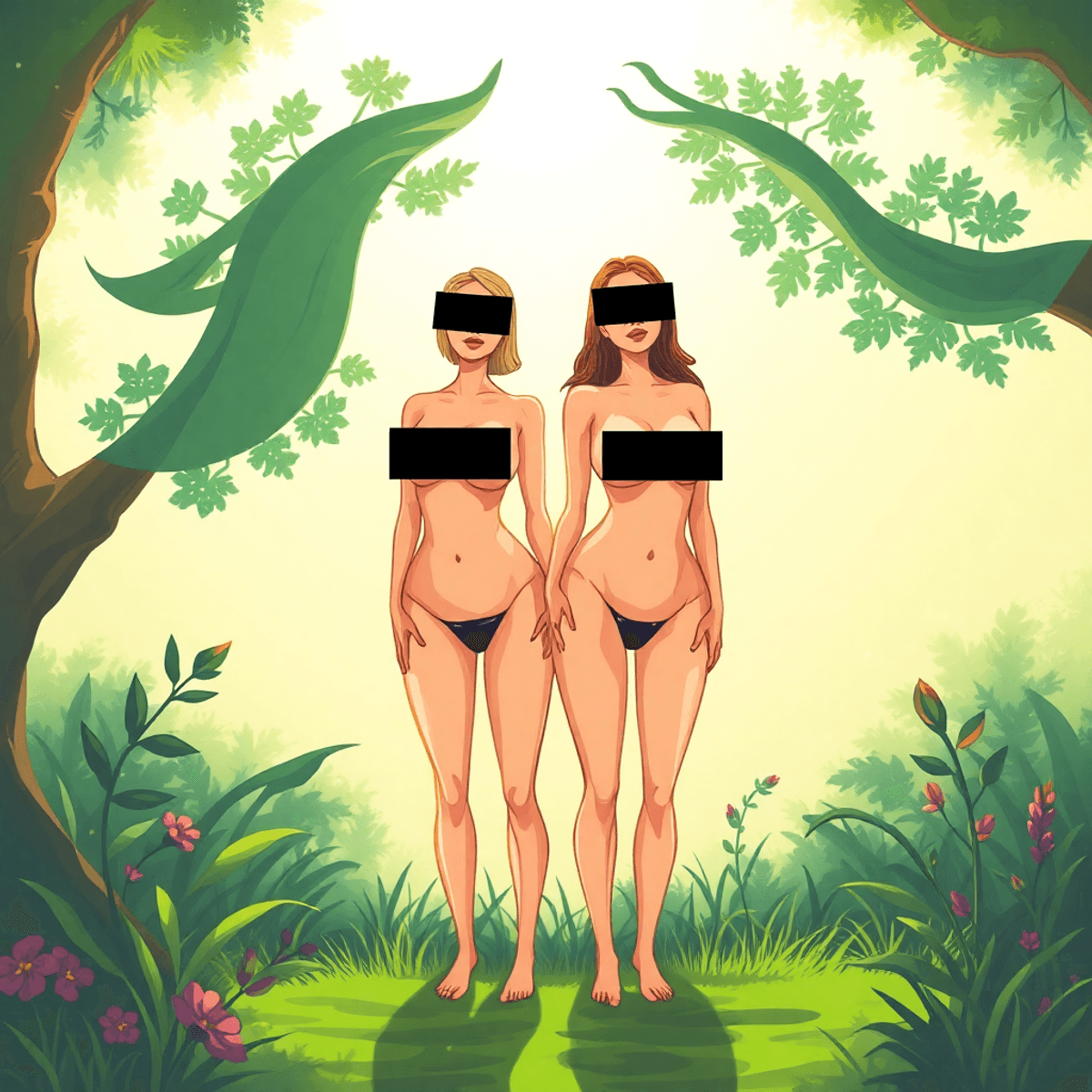
Cartoon-style abstract nude figures in a natural setting, surrounded by flowing light and shadows symbolizing freedom and self-expression.
Censorship in art has long targeted works that explore the human body, particularly nude and erotic creations. These forms of artistic expression challenge societal norms, often provoking discomfort and controversy. The phrase "You Can’t Show That!" captures the tension between artists striving for freedom and forces aiming to restrict visibility of nudity on moral, political, or cultural grounds.
Creative nude work stands as a form of resistance against these restrictive norms. It asserts the right to depict the human form authentically—celebrating vulnerability, identity, and beauty without shame or objectification. Through bold visual narratives, artists reclaim agency over bodies that have historically been censored or commodified.
The current societal and political climate intensifies fears around censorship. Heightened sensitivities about public decency, shifting cultural taboos, and legal constraints create a challenging environment for creators who push boundaries. In this landscape, defending artistic freedom becomes essential not just for artists but for broader conversations about autonomy, identity, and social progress.
Key themes emerge:
- Censorship targets nude and erotic art more aggressively than other genres
- Creative expression resists imposed silence and invisibility
- Political and cultural climates fuel ongoing battles over what can be shown
This article explores how artists defy censorship through innovative approaches to nude work—using creativity as both shield and sword in pursuit of unfiltered self-expression. For instance, inclusive studio experiences in erotic photography can empower individuals to embrace their bodies without fear of judgement.
Moreover, there are helpful tips that can enhance such creative expressions. These include specific tips for boudoir photography sessions, which focus on creating a luxurious and empowering experience for the subject.
Ultimately, the fight against censorship is not just about artistic freedom—it's about reclaiming our right to express ourselves fully and authentically in a world that often seeks to silence us.
Understanding Censorship in Artistic Nude Work
Artistic censorship refers to the suppression or regulation of creative content by authorities, institutions, or social norms. This practice often targets nude and erotic art due to its provocative nature and the complex cultural meanings attached to the human body. Throughout history, nude art has experienced cycles of acceptance and rejection, reflecting shifting societal values and power structures.
Historical Context of Censorship in Nude Art
- In ancient civilizations like Greece and Rome, nudity was celebrated in sculpture and painting as an ideal of beauty and human form.
- The rise of religious conservatism during the Middle Ages led to severe restrictions on nude imagery, labeling it as immoral or sinful.
- The Renaissance revived interest in nude subjects but still faced censorship depending on prevailing political or religious climates.
- In modern times, nudity in art continues to provoke debates, especially when intersecting with themes of sexuality, gender, and identity.
Reasons Behind Nude Art Controversy
Nude artwork often encounters censorship for a variety of political, social, and moral reasons:
- Political: Some governments suppress nude art that challenges authority or promotes ideas seen as subversive. For example, works depicting sexual liberation or marginalized bodies may be censored to maintain traditional power dynamics.
- Social: Communities with conservative values might reject public display of nudity as offensive or indecent. This reflects broader social taboos around sex and the naked body.
- Moral: Moral objections often stem from beliefs about decency, purity, or religion. Nudity is sometimes conflated with obscenity or pornography despite important distinctions.
Cultural Taboos Impacting Artistic Freedom
Cultural taboos play a significant role in restricting artists’ freedom to explore the human form:
- Many societies impose unwritten rules about what constitutes acceptable depictions of nudity based on gender, race, age, or context.
- These taboos can lead to self-censorship among artists who fear backlash or exclusion.
- Legal restrictions compound these challenges through laws regulating obscenity, public decency, and child protection. Compliance with statutes like 18 U.S. Code §2257 is essential but can feel limiting for creators pushing boundaries.
“Censorship often reflects not just fears about content but anxieties about control over bodies and identities.”
Artistic censorship around nude work reveals ongoing tensions between freedom of expression and societal efforts to control visibility of certain bodies or expressions. Understanding this dynamic is critical for recognizing why creative defiance through nude art matters deeply within contemporary dialogues on rights and representation.
Navigating Censorship in Boudoir Photography
In the realm of boudoir photography—which is a genre that celebrates intimacy and personal expression—censorship can take on unique forms. It's crucial to tailor your boudoir session for maximum impact and comfort, ensuring that you feel empowered while also respecting the boundaries set by societal norms.
Moreover, understanding [cultural sensitivity in modern intimate photography](<https: data-preserve-html-node="true"//www.misfitslikeme.com/st-louis-erotic-and-boudoir-photography/navig>
The Role of Creative Nude Work in Challenging Censorship
Creative nude photography plays a critical role in reclaiming agency over the human body and identity. This form of artistic expression pushes back against historical narratives that have often reduced bodies to objects or symbols of shame. Instead, it invites individuals to present themselves on their own terms—embracing vulnerability, strength, and complexity simultaneously. Through intentional composition, lighting, and concept, creative nude work transforms the body into a site of empowerment rather than control.
Reclaiming Agency
Creative nude work reclaims agency by:
- Acting as a declaration of personal sovereignty over one’s image and narrative.
- Challenging societal norms that dictate what bodies should look like or represent.
- Offering marginalized voices a platform to express identity beyond stereotypes or censorship.
Erotic Art Empowerment vs. Pornography
Understanding the distinction between erotic art and pornography is essential for appreciating how creative nude work resists censorship:
- Erotic art centers on empowerment, aesthetic exploration, and emotional resonance. It celebrates sensuality as an integral part of the human experience without reducing subjects to mere objects.
- Pornography often focuses on explicit sexual acts designed primarily for consumption and gratification, which can sometimes perpetuate objectification.
Creative nude photography occupies a space where sensuality is explored thoughtfully—with respect for the subject’s dignity and autonomy. This nuanced approach disrupts simplistic binaries that fuel moral panic and censorship efforts.
Body Positivity and Radical Inclusivity
Creating spaces dedicated to body positivity and sex positivity is vital for marginalized communities who frequently face erasure or stigmatization:
- LGBTQIA+ individuals find validation when their bodies are represented authentically, breaking away from mainstream heteronormative ideals.
- Kink-friendly environments normalize consensual alternative expressions of sexuality that traditional frameworks might label as deviant or obscene.
Radical inclusivity means welcoming all genders, identities, ages (21+), and expressions without judgment. This approach ensures artistic freedom flourishes while safeguarding respect for participants’ boundaries and well-being.
“Creative nude work becomes not just an act of making art but an act of resistance—where visibility equals power.”
This philosophy underpins studios like mIsFiTs Like ME, which specialize in boudoir, intimate, kink, fetish, BDSM, and erotic photography within strict legal compliance (18 U.S. Code § 2257). Their practices emphasize client comfort through adjustable session dynamics while fostering openness that defies censorship pressures.
The role of creative nude work extends beyond aesthetics; it redefines cultural perceptions around nudity by centering consent, agency, and diversity at its core. These attributes make such art a formidable challenge to restrictive norms imposed by political or social censorship forces. Furthermore, studios like mIsFiTs Like ME also play a significant role in demystifying the stigma around sex workers through their art.
Case Study: Ohio Art League’s "Uncensored" Exhibition
The Uncensored exhibition held at RAW Gallery Columbus stands as a powerful example of artistic resistance, pushing boundaries through bold political and social commentary. This showcase embraces nudity not as mere shock value but as a deliberate tool to challenge censorship and ignite conversations on critical societal issues.
Highlights of the Uncensored Exhibition
- Political Art with a Purpose: The exhibition features works that do not shy away from controversy, instead using creative nude imagery to confront topics often deemed taboo or too sensitive for public discourse.
- Social Commentary Through Nudity: Artists employ the human form as a canvas to express vulnerability, strength, and defiance, transforming traditional depictions of nudity into statements of empowerment and protest. This aligns with the broader understanding of the Power of Art, which sees art as a potent medium for activism rather than mere provocation.
Notable Censored Works
Two pieces from the exhibition highlight the tension between artistic freedom and censorship pressures:
- Jim Bowling’s "Second Amendment Rites"
- This artwork intersects nudity with political critique by addressing gun violence. Bowling uses raw imagery to force viewers to confront uncomfortable realities about firearm culture in America. The piece faced censorship attempts due to its provocative blend of vulnerable human exposure and charged political symbolism.
- Gwen Waight’s "Free Abortion"
- Waight's work incorporates nude forms to advocate for reproductive rights, embodying bodily autonomy in its purest visual form. Its unapologetic stance on abortion access sparked controversy, leading to calls for removal in certain circles resistant to open dialogue on women’s health.
Confronting Urgent Issues Without Compromise
Both Bowling and Waight refuse to dilute their messages despite external pressures. Their art embodies the essence of You Can’t Show That!—defying censorship through creative nude work that insists on visibility for marginalized voices and urgent causes.
- These artworks challenge viewers to reconsider preconceived notions about nudity in art, revealing it as a potent medium for activism rather than mere provocation.
- The exhibition cultivates an environment where difficult conversations around gun violence and reproductive rights can unfold authentically and without self-censorship.
RAW Gallery Columbus serves as a crucial platform enabling artists to reclaim control over their narratives. The Uncensored exhibition embodies how creative expression can break through restrictive norms, offering a space where art becomes both mirror and hammer—reflecting society’s fractures while striving to reshape them.
Moreover, this exhibition also highlights the Power of Art in Photography, particularly in genres such as erotic and boudoir photography. Such styles are not merely about aesthetics but are deeply intertwined with themes of empowerment and self-expression. The Styles and Themes in Boudoir Photography further illustrate how these artistic choices can serve as powerful tools for personal narrative reclamation and societal dialogue.
In a similar vein, exhibitions like [Unconditional Care](
Artists' Experiences with Censorship and Creative Defiance
Artists who push boundaries often face direct challenges to their work. Instances of artist censorship experiences reveal how controversial artwork can provoke withdrawal, removal, or outright bans from galleries and public spaces. These actions frequently stem from discomfort with nudity, political statements, or themes that question societal norms.
Challenges Faced by Artists
- Some artists have reported gallery owners or curators requesting edits or withholding pieces entirely due to explicit content.
- Others face backlash on social media, with calls for boycotts or demands for censorship fueled by misunderstanding the intent behind the artwork.
- The tension between preserving artistic integrity and navigating censorship pressures creates a fraught environment where self-censorship becomes a tempting but limiting option.
Kenia LaMarr’s project Virtuous Intimacy exemplifies creative defiance against objectification in nude art. She presents non-sexualized nude imagery that centers vulnerability and dignity rather than voyeurism. The work dismantles assumptions about nudity as inherently erotic or exploitative by:
- Emphasizing emotional connection over physical exposure.
- Highlighting diversity in body types and identities to foster inclusivity.
- Offering nuanced portrayals that invite viewers to reconsider their perceptions of the human form.
This approach challenges both societal taboos and commercial expectations around nudity in art. LaMarr’s work stands as a testament to how artists can reclaim narrative control, resisting reductionist views imposed by mainstream culture.
The Role of Safe Artistic Spaces
Safe artistic spaces play a crucial role in supporting such expressions. Studios and collectives committed to resisting self-censorship create environments where artists feel empowered to explore sensitive subjects without fear of reprisal. These spaces prioritize:
- Consent and clear communication among collaborators.
- Boundaries that protect mental and emotional well-being.
- Radical inclusivity, welcoming marginalized voices including LGBTQIA+ artists and kink communities.
By fostering trust and openness, these environments enable raw honesty and innovation in artistic nude work. They counteract external censorship pressures by cultivating internal freedom—an essential foundation for pushing cultural conversations forward through fearless creative expression.
The use of Black and white imagery in visual storytelling also serves as a powerful tool for some artists. This technique allows them to strip away distractions of color, focusing instead on form, texture, and emotion, thereby enhancing their narrative control while challenging societal norms surrounding nudity and sexuality.
Legal and Ethical Considerations in Nude Artistic Work
Creating and sharing nude or erotic artwork requires strict adherence to legal and ethical standards to protect everyone involved. Understanding these frameworks is essential for artists, clients, and studios alike.
US Code §2257 Compliance
One of the most critical legal requirements is compliance with 18 U.S. Code §2257. This law mandates that producers of explicit content maintain detailed records verifying the ages of all performers to prevent exploitation of minors. For photographers working in erotic or nude genres, this means:
- Collecting valid government-issued IDs from every participant.
- Keeping secure, organized documentation for inspection.
- Ensuring no one under 18 is involved in any photoshoot or video production.
- Strictly controlling access to explicit material to prevent unauthorized distribution.
Failure to comply with this federal regulation can result in severe penalties, making it non-negotiable for studios specializing in erotic photography such as mIsFiTs Like ME.
Balancing Artistic Freedom with Client Safety, Consent, and Privacy
Artistic expression thrives on freedom, but when working with nudity and intimacy, safety becomes paramount. Respecting client boundaries and privacy is not just good practice—it’s an ethical obligation.
Key practices include:
- Establish clear consent protocols before sessions begin. Clients should fully understand what will be captured and how their images will be used.
- Maintain a safe environment where clients can freely adjust comfort levels or withdraw consent at any point without pressure or judgment.
- Employ studio assistants or third parties when necessary for added safety during first-time sessions or complex shoots.
- Implement rigorous privacy measures, including secure storage of images and strict policies against unauthorized sharing or publication.
- Avoid any activities that cause physical harm beyond minimal temporary effects like redness or bruising.
This balance honors both the artist’s vision and the client's well-being, fostering trust essential for authentic creative work.
Ethical Practices to Prevent Exploitation While Maintaining Radical Inclusivity
Radical inclusivity means welcoming diverse identities and expressions without compromise while vigilantly guarding against exploitation. Ethical guidelines help create a respectful space:
- Uphold informed consent at every stage—no surprises or hidden agendas in the shoot.
- Reject any form of coercion or manipulation; clients must never feel pressured into acts beyond their comfort zone.
- Recognize power dynamics inherent in artist-client relationships; actively work to minimize imbalances through transparent communication.
- Ensure accessibility by accommodating different genders, body types, sexual orientations, and abilities without discrimination.
- Promote open dialogue about boundaries while encouraging exploration within agreed limits.
- Follow clear policies around image rights—clients retain control over how their images are used unless they explicitly transfer copyrights under contractual terms.
Ethical vigilance protects artists and models alike while enriching creative possibilities. It supports a culture where nudity in art becomes a source of empowerment rather than exploitation.
"Respecting legal frameworks like US Code §2257 while embracing radical inclusivity forms the backbone of responsible nude artistic work. Without these foundations, creative freedom risks becoming unsafe freedom."
This foundation enables photographers and clients to explore intimate artistry confidently within a structure designed for protection and respect. Whether it's inclusive practices in photography or empowering boudoir experiences, these principles guide us towards a more equitable artistic landscape.
The Transformative Power of Boudoir and Erotic Art Photography
Boudoir photography empowerment lies in its ability to help individuals explore their identity through intimate yet respectful nudity. Unlike mainstream portrayals that often reduce nudity to mere sexuality or objectification, boudoir sessions cultivate a safe environment where clients can express vulnerability, strength, and sensuality on their own terms. This form of artistic nude work offers a platform for self-discovery and affirmation, encouraging participants to embrace their bodies as sources of personal power rather than shame.
Identity Exploration Through Nudity
In these sessions, nudity becomes more than just exposure; it transforms into a language of authenticity and confidence. Clients engage with their physical selves in ways that challenge internalized stigma or cultural taboos. Boudoir photography serves as a mirror reflecting back not only the external form but also the emotional landscape surrounding body image, sexuality, and self-worth. This process can be especially meaningful for marginalized identities seeking representation beyond societal norms, such as those explored in Plus Size Boudoir.
Light and Shadow Artistry
The artistry of light and shadow plays a crucial role in shaping the atmosphere of boudoir photography. Skillful manipulation of lighting enhances contours, textures, and expressions without resorting to overt sexualization. Soft shadows can sculpt the body’s curves with subtlety, creating images that feel both intimate and tasteful. This balance allows the viewer to appreciate the aesthetic beauty of the human form while maintaining respect for client boundaries.
- Soft, diffused lighting: Emphasizes natural skin tones and gentle highlights.
- Directional shadows: Add depth and mystery, inviting viewers to look closer.
- Selective focus: Guides attention to expressive details such as eyes or hands.
This approach differentiates boudoir from explicit erotic content by focusing on mood and emotion rather than graphic display.
Sensuality vs. Fetish/BDSM Elements
Boudoir photography celebrates sensuality as an elegant expression of desire and self-love. It avoids incorporating fetish or BDSM elements which shift the session’s intent toward exploring power dynamics, rituals, or specific subcultural aesthetics. While kink-friendly studios may offer separate sessions dedicated to those themes with clear consent and safety measures, boudoir remains distinct in its purpose:
- Celebration of softness, allure, and personal beauty
- Non-sexualized intimacy that respects client comfort zones
- Focus on empowerment rather than provocation
Separating these genres is essential for maintaining clarity about the goals behind each photographic experience. For clients seeking empowerment through creative nude work without fetish connotations, boudoir provides an accessible gateway.
“You Can’t Show That!”—Defying Censorship Through Creative Nude Work finds one of its most potent expressions here: using boudoir photography empowerment combined with light and shadow artistry to reclaim narratives around nudity. This art form invites society to reconsider what is acceptable or taboo by presenting the human body as a site of dignity, identity exploration, and radical self-expression rather than censorship-worthy content.
Moreover, the therapeutic benefits associated with this form of photography cannot be overlooked as it often serves as a healing process for many individuals.
Encouraging Dialogue Through Vulnerability in Artistic Nude Expression
Artistic nude work holds a unique power to open conversations about identity and acceptance. When artists present vulnerability in art, they invite viewers to confront their own perceptions and biases surrounding the human body and sexuality. This openness challenges ingrained stigmas and cultural taboos that often silence honest dialogue.
Key ways vulnerability in artistic nude expression fosters dialogue:
- Promotes self-acceptance: Nude art strips away external markers like clothing or social status, revealing the raw human form. This exposure encourages both creators and audiences to embrace imperfections, scars, and differences as natural parts of identity. Art becomes a mirror reflecting personal and collective narratives of acceptance.
- Breaks down stigma around bodies and sexuality: Vulnerability disrupts shame by showcasing bodies in non-sexualized, authentic states. When nudity is presented with care and respect rather than objectification, it reframes how society views bodies—shifting from sources of judgment to expressions of humanity. This is particularly relevant in the context of boudoir photography, which emphasizes empowerment and self-expression rather than mere sexualization.
- Explores interconnectedness: Nude artworks often highlight the shared experience of embodiment across gender, race, age, and ability. This universality creates empathy and understanding, reminding us that vulnerability is a common thread linking individuals despite diverse backgrounds.
- Acts as a platform for social change beyond aesthetics: Creative nude work moves past surface-level beauty to engage with deeper issues like gender norms, body autonomy, and sexual freedom. By making vulnerability visible, artists challenge oppressive systems that restrict expression or marginalize communities.
"Vulnerability in art is not weakness but a radical act of courage—it invites us to see ourselves and others without masks or barriers."
Artists who embrace vulnerability use their work as a catalyst for conversations about mental health, trauma recovery, and empowerment. These dialogues can ripple outward into broader societal awareness and policy shifts. For marginalized groups especially, such visibility helps dismantle exclusionary narratives by asserting presence and rights through embodied storytelling.
Nude art’s societal impact often depends on its ability to humanize what is frequently sensationalized or censored. When audiences engage with vulnerability honestly depicted in art, it opens space for questioning norms about beauty standards, sexuality, consent, and identity politics. This engagement shifts art from passive decoration toward active participation in cultural discourse.
You can observe this dynamic in exhibitions where artists combine intimate nudity with personal histories or political statements. The raw honesty invites viewers to reflect on their own beliefs while fostering empathy for experiences outside their own reality. Vulnerability thus becomes a bridge connecting isolated voices into collective movements for acceptance and justice.
In this way, creative nude work transcends aesthetic appeal alone; it functions as a vital tool for social dialogue—encouraging inclusion, reducing stigma, and promoting holistic understanding of human complexity through the language of vulnerability.
Conclusion
Creative nude work stands as a powerful testament to defying censorship through art. It challenges restrictive norms by boldly presenting the human body and identity without shame or concealment. This form of expression demands recognition not just for its aesthetic value but as a crucial voice in the ongoing dialogue about freedom, agency, and social justice.
You are invited to appreciate the honesty embedded in such art—an honesty that pierces through societal discomfort to reveal vulnerability, resilience, and truth. Artistic freedom advocacy thrives when creators and audiences alike refuse to silence these narratives. The courage to display what some insist you "can’t show" fuels progress toward a more inclusive and empathetic culture.
Looking ahead, the future of nude creative expression depends on continued support for spaces that honor consent, diversity, and radical inclusivity. Each piece of creative nude work contributes to dismantling stigma, reshaping perceptions, and opening pathways for new conversations about identity and self-acceptance.
Remember:
- Creative nude art is not merely about what is seen—it’s about what it represents: liberation from censorship, celebration of bodies in all their forms, and commitment to honest storytelling.
- When you engage with this work, you participate in a movement that upholds artistic freedom while advocating for marginalized voices.
- The title 'You Can’t Show That!'—Defying Censorship Through Creative Nude Work encapsulates this spirit of resistance and empowerment.
Support artists who dare to defy boundaries. Your openness helps ensure that creative nude expression remains a vibrant part of contemporary social discourse.
FAQs (Frequently Asked Questions)
What is the significance of creative nude work in defying censorship?
Creative nude work serves as a powerful form of artistic expression that challenges restrictive norms and societal taboos. By reclaiming agency over the human body and identity, it resists censorship fueled by political, social, and moral fears, thereby promoting artistic freedom and social dialogue.
How does censorship impact artists working with nude and erotic themes?
Censorship imposes legal restrictions and cultural taboos that often lead to withdrawal or removal of controversial artworks. This limits artists' freedom to explore themes related to body positivity, sexuality, and identity, forcing self-censorship and hindering the creation of empowering, inclusive spaces for marginalized communities.
What distinguishes erotic art from pornography in the context of creative nude work?
Erotic art emphasizes empowerment, body positivity, and radical inclusivity by celebrating sensuality without objectification. Unlike pornography, which focuses on explicit sexual content for commercial purposes, erotic art fosters respectful exploration of identity and intimacy, often within safe and sex-positive environments.
Can you provide examples of how exhibitions like Ohio Art League's "Uncensored" confront censorship?
The "Uncensored" exhibition at RAW Gallery Columbus showcased bold political and social themes through nude artwork that directly addressed pressing issues such as gun violence and reproductive rights. Pieces like Jim Bowling’s "Second Amendment Rites" and Gwen Waight’s "Free Abortion" challenged censorship by refusing to compromise their critical messages despite potential controversy.
What legal and ethical considerations should artists keep in mind when creating nude artistic work?
Artists must comply with legal frameworks such as 18 U.S. Code §2257 concerning documentation of explicit content. Ethical practices include ensuring client consent, privacy, safety during intimate photography sessions, and preventing exploitation while maintaining radical inclusivity to balance artistic freedom with responsibility.
How does boudoir photography contribute to empowerment through creative nude expression?
Boudoir photography uses light and shadow artistry to create empowering atmospheres that celebrate sensuality without sexualization or fetishization. It allows individuals to explore identity through intimate yet respectful nudity, fostering self-acceptance and vulnerability that can break down societal stigma around bodies and sexuality.