A Photographer’s Guide to Affirming Non-Binary and Trans Clients
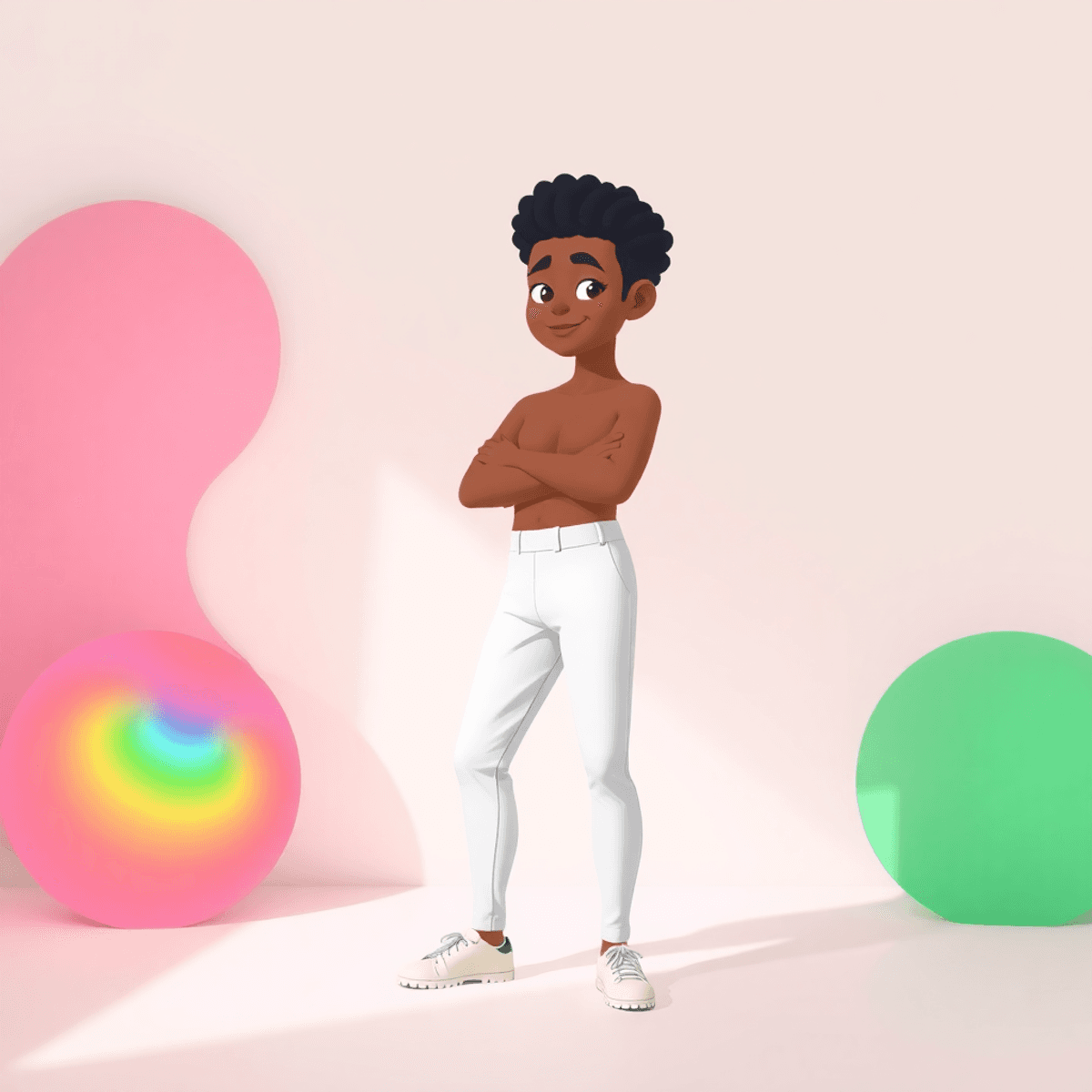
Cartoon-style studio with soft light, and a non-traditional model posing confidently amid colorful abstract shapes and gentle rainbow hues symbolizing pride and affirmation.
Introduction
Welcome to A Photographer’s Guide to Affirming Non-Binary and Trans Clients. If you're a photographer seeking to build truly inclusive photography experiences, this guide is crafted just for you. Creating affirming spaces for non-binary and trans clients isn't just good manners—it’s essential for delivering sessions where your clients feel seen, respected, and celebrated.
Photography sessions with non-binary and trans clients often come with unique needs and considerations. You’ll want to approach everything—from communication to posing—with sensitivity and flexibility. This means understanding that gender identity shapes how clients express themselves visually and emotionally during shoots.
Setting the tone for inclusivity starts with respect. It’s about honoring each person’s individuality and creating an environment where everyone can shine authentically. Think of it as offering more than a camera lens—you’re providing a safe space for self-expression.
This article serves as a lighthearted yet informative photographer’s guide to affirming non-binary clients and affirming trans clients alike. Expect practical tips sprinkled with dad jokes (because who doesn’t appreciate a little humor while learning?). Your journey toward mastering inclusive photography begins here.
Specialized Areas in Photography
To better cater to the unique needs of non-binary and trans clients, it's beneficial to explore specialized areas in photography that align with their preferences. For instance, plus size boudoir photography can be an empowering experience for clients who identify as plus-size, helping them embrace their bodies in a positive light.
Additionally, understanding color palette selection can significantly enhance the visual appeal of your photographs. The right colors can evoke emotions and communicate messages that resonate with your client's identity.
Moreover, it's important to acknowledge the therapeutic benefits that come with such photography sessions. They can serve as a form of therapy, allowing clients to express their identities in ways they may not have been able to before.
While navigating these unique needs, always remember the importance of maintaining professional ethics in photography. Respecting your client's boundaries and ensuring their comfort should always be your top priority.
Lastly, consider incorporating black and white imagery into your portfolio. This style can add a timeless quality to your work while also allowing for deeper emotional expression.
Understanding Non-Binary and Trans Identities
Understanding non-binary identity and transgender identity can be as straightforward as distinguishing between a cat and a dog — just with many more colors, shapes, and personalities.
Transgender vs Non-Binary
- A transgender person has a gender identity that differs from the sex assigned at birth. For example, someone assigned female at birth may identify as male.
- A non-binary person doesn’t fit strictly into the categories of male or female. Their gender might be a mix, fluid, or completely outside traditional definitions.
Common Misconceptions Photographers Should Avoid
- Believing all non-binary folks wear rainbow-colored capes or are always flamboyant (spoiler alert: they don’t).
- Assuming trans clients want to be portrayed in stereotypical “before and after” narratives.
- Thinking gender presentation always matches identity; it’s more complex than clothes or style.
Acknowledging gender diversity in your photography is vital. Capturing authentic expressions means embracing endless possibilities beyond traditional binaries. This approach enriches your art and respects your client’s true selves.
Who wants to live in a black-and-white world when there are infinite shades of identity waiting to shine?
Incorporating empowerment through boudoir photography can further enhance the representation of these diverse identities. It's essential to approach each session with emotional preparation, creating a safe space for clients to express their true selves.
Moreover, adopting a queer-friendly boudoir photography style can significantly contribute to capturing the authenticity of non-binary and transgender individuals. This involves moving beyond traditional styles and themes, exploring various styles and themes in boudoir photography that resonate with the individual's unique identity.
Using Inclusive Language: Pronouns and Names Matter
Using inclusive language is a cornerstone of creating affirming experiences, especially in fields like photography where personal identity plays a significant role. It involves asking for and consistently using correct pronouns and chosen names, which shows respect and builds trust. Imagine being called the wrong name at your own party—awkward, right? Your clients deserve to feel seen and valued every step of the way.
Here are practical tips for inclusive communication:
- Ask early and clearly: Include pronoun questions in intake forms or casually ask during introductions.
- Use chosen names consistently: Even if a legal name differs, the chosen name is the one that matters most at the shoot.
- Gender-neutral alternatives replace traditional terms without losing warmth or friendliness:
- Instead of “guys,” say “y’all” or “folks.”
- Swap “ladies and gentlemen” with “everyone” or “friends.”
Correcting misgendering requires tact but confidence. If someone slips up, gently interject with something like:
“Actually, they/them pronouns, please.”
This keeps the session comfortable and avoids that dreaded “shutter” moment where the mood freezes. Remember, your consistent use of correct pronouns sets a respectful tone for everyone involved. It's important to understand that misgendering can have significant emotional impacts, so it's essential to address it promptly and respectfully.
Language shapes experience. When you honor names and pronouns, you affirm identity—and that’s powerful in photography, where authenticity shines brightest.
Moreover, it's essential to understand the broader implications of inclusive practices in photography. These principles not only apply to how we communicate but also extend to how we perceive and represent diverse identities through our lens. As we strive to create more inclusive spaces, it's crucial to challenge existing stigmas associated with certain professions. For instance, demystifying stigma around sex workers is a step towards fostering a more inclusive society.
Creating a Safe and Comfortable Environment
Creating a safe space for non-binary and trans clients starts with thoughtful design. Physical spaces should invite everyone in without question. That means including all-gender restrooms—because who doesn’t appreciate a good toilet joke and a welcoming bathroom? Accessibility also plays a key role. Clear signage, easy entry, and flexible seating options help clients feel respected and cared for before the camera even clicks.
The environment you craft directly influences client confidence and expression. Imagine the difference between a cold, sterile room and one that feels like a cozy blanket fort. Clients who feel safe are more likely to relax, be themselves, and show their authentic beauty. Simple touches like soft lighting, warm colors, or familiar objects can transform the session atmosphere into something empowering.
Communicating safety and respect begins with your first contact—whether it’s an email inquiry or phone call—and continues through session wrap-up. Use affirming language, listen actively to client needs, and check in regularly during the shoot. This approach prevents any “walking on eggshells” vibes and encourages open dialogue about comfort levels or boundaries.
To further enhance the experience for clients of all body types, consider exploring these 20 stunning ideas for plus-size and curvy boudoir photoshoots. Such ideas not only emphasize body positivity but also instill confidence in clients during their sessions.
Here are some actionable steps to ensure your studio is not just a photo space but a refuge where every client can shine authentically:
- Clearly label all-gender restrooms
- Keep the studio clutter-free and welcoming
- Use calming decor and adjustable lighting
- Establish clear communication protocols from booking to goodbye
In addition to these tips, it's important to understand that boudoir photography is not solely about capturing sensuality; it's an empowering art of self-expression tailored to each individual's unique comfort level. Thus, creating an environment that respects personal boundaries while encouraging self-love is crucial in achieving authentic results in such photography sessions.
Lastly, always remember that consent is paramount in any photographic endeavor. For more insights on how to create a [consent-focused safe space](<https: data-preserve-html-node="true"//www.misfitslikeme.com/st-louis-erotic-and-boudoir-photography/category/Consent+and+Safe+Space+Creation>), refer to our dedicated resources on this topic.
Respecting Client Autonomy in Styling and Posing
Client autonomy is essential when it comes to styling options and posing flexibility, especially for non-binary and trans clients. Encouraging your clients to express their authentic gender expression without the constraints of traditional gender norms opens up creative possibilities that make everyone feel seen and celebrated. Photography sessions should be a judgment-free zone where creativity thrives and rules take a backseat.
Consider offering wardrobe choices that honor your clients’ identities. This might mean suggesting something unexpected and fun—like a sparkly unicorn onesie for that extra fabulous touch—or simply providing a range of options that reflect different gender presentations. Your studio's wardrobe can include everything from traditionally masculine or feminine pieces to neutral and eclectic items. The goal: help clients feel confident and true to themselves.
Posing is another area where collaboration shines. Invite your clients to guide the session by choosing poses that resonate with their comfort level and personality. Sometimes the best angles aren’t the classic ones you expect but those that your client feels most empowered by. Respect boundaries firmly—no pose should ever feel forced or unnatural.
When clients lead their own styling and posing, the images capture more than just looks—they capture identity. It's crucial to respect this autonomy, similar to how informed consent is vital in medical care for transgender and gender nonconforming patients.
Navigating Gendered Traditions with Sensitivity
Many photography sessions, especially weddings, come tied to gendered traditions that don’t always fit the identities or preferences of non-binary and trans clients. You’ll find it helpful to rethink roles like bridesmaids and groomsmen, replacing them with inclusive alternatives such as:
- Wedding party
- Bridesfolks / Groomsfolks
- Honor attendants
- Ceremony crew
These options open up space for everyone involved, removing the pressure of fitting into binary labels. It’s about celebrating people, not categories.
Personalization is key. Some clients want their pets front and center—maybe a goldfish in a bowl or a dog in a bow tie. Others might ask for more adventurous concepts, like an underwater shoot or urban street scenes that defy tradition. Your job is to make those visions come alive without hesitation.
Assumptions based on gender often trip photographers up. Don’t expect “him” to pose a certain way or “her” to smile a particular smile. Every couple and individual brings unique tastes and dynamics to the table—yes, even when it comes to music choices during the shoot. Respecting these nuances ensures your work feels authentic and affirming rather than staged or stereotypical.
Navigating cultural sensitivity also means asking about any traditions clients want honored or avoided. This awareness helps your sessions honor identity while respecting personal and cultural values, creating images that truly reflect who they are.
Leading by Example: Pronouns in Communication and Practice
Setting a professional example in pronoun normalization is one of the most effective ways you can affirm non-binary and trans clients. Here’s how you can integrate respectful communication seamlessly into your photography practice:
1. Share your own pronouns early
Introduce yourself with your pronouns in emails, on social media profiles, or during initial meetings. For instance, casually saying, “Hi, I’m Alex (they/them), also proudly Team Unicorn,” helps normalize the practice and signals respect from the start. Understanding the importance of pronouns can significantly enhance this process.
2. Use name tags or place cards when applicable
If you’re organizing group shoots or events, providing name tags that include correct pronouns adds a personal touch. It’s more than just bling—it creates an environment where everyone feels seen and respected.
3. Address misgendering with care and confidence
When someone accidentally uses the wrong pronoun during a session, correct it gently but firmly. A simple, “Actually, they/them is what [Name] uses,” can clear up confusion quickly. Cameras capture moments forever, but awkward ones don’t have to linger.
Incorporating these practices shows your commitment to affirming clients beyond just the lens. You communicate that their identity matters as much as their smile or pose—because respectful communication is part of creating truly inclusive photographic experiences. For further understanding on how to navigate these conversations about pronouns, consider exploring resources like Pronouns 101.
Collaborating with Affirming Vendors for a Holistic Experience
Partnering with affirming vendors is essential to crafting an inclusive client experience that extends beyond the lens. When you work alongside LGBTQ+ supportive professionals, you create a network that uplifts and respects every aspect of your client's identity.
1. Teamwork makes the dream work
Finding vendors who genuinely understand and honor LGBTQ+ identities enhances comfort and trust throughout the client journey. Imagine coordinating with a florist who designs bouquets reflecting pride colors or a makeup artist skilled in gender-affirming techniques. This collaboration can significantly contribute to creating an inclusive studio experience, where every detail resonates with your client's identity.
2. Seamless affirming experiences
Your photography session doesn’t exist in isolation. Collaborate with cake artists who specialize in rainbow-flavored treats or event planners who ensure pronouns are respected at every step. This attention to detail creates a cohesive atmosphere where clients feel truly celebrated. Such partnerships not only enhance the overall experience but also play a crucial role in creating a luxurious and empowering boudoir experience.
3. Vetting for shared values
Not every vendor fits the bill. It’s crucial to screen potential collaborators for their commitment to inclusivity and respect. If a vendor doesn’t “get it,” they don’t make the cut—because your clients deserve allies, not extra hurdles. This process of vetting should also encompass legal and ethical considerations to ensure that all parties involved uphold the highest standards of professionalism and respect.
Building a community of affirming vendors strengthens your reputation as an inclusive photographer and ensures your clients experience respect and affirmation at every touchpoint.
Preparing for Potential Challenges and Protecting Client Well-being
Photographing non-binary and trans clients means being vigilant about prejudice awareness and bias management. Sometimes, you might encounter guests or participants who bring outdated beliefs to the session—like Uncle Bob, who still thinks ‘gay’ is an insult (bless his heart). Handling these situations with grace protects your client’s comfort and dignity.
Implement strategies to reduce tension and discomfort:
- Thoughtful seating arrangements: Separate those who may cause unease from your client’s close circle. This simple act prevents unwanted confrontations.
- Pre-session conversations: Briefly chat with clients about any concerns regarding attendees. This ensures you’re all on the same page about boundaries and expectations.
- Clear communication: Let participants know the session's emphasis on respect and inclusivity beforehand. Setting ground rules early can save headaches later.
Sometimes, you’ll face requests that clash with safety or well-being. Saying no might feel tough but it’s necessary. No one wants drama outshining the glamor shot! Prioritize client safety by declining anything that risks emotional or physical harm.
Implementing these client safety strategies makes your photography space a sanctuary where your clients can shine authentically, free from judgment or fear. Additionally, incorporating some pre-session self-care rituals can further enhance the comfort level of your clients, allowing them to feel more at ease during the shoot.
Personalizing the Photography Experience for Authenticity
Creating personalized sessions goes beyond just taking pictures. It’s about engaging your clients in an open dialogue to discover which traditions hold meaning for them. Some customs might be deeply significant, while others may not resonate at all — and that’s perfectly okay.
Here are some ways you can personalize the photography experience:
- Ask which traditions matter: Is there a family ritual they want included? A favorite pose or theme that speaks to their identity?
- Adapt or skip customs: If traditional gendered roles or poses don’t fit, collaborate on alternatives that feel genuine.
- Co-create the session atmosphere: Invite clients to shape everything from lighting to wardrobe choices, ensuring they feel truly seen and celebrated.
This collaborative approach honors each client’s unique story and identity, moving away from cookie-cutter shoots toward something vibrant and authentic. You’re not just snapping photos — you’re capturing an experience tailored specifically for them.
By prioritizing client collaboration, you strengthen trust and open doors to creativity. This makes your work as a photographer more meaningful and respectful of diverse identities.
For instance, when it comes to tailoring boudoir sessions for clients, it's essential to prioritize their comfort while maximizing the impact of the session. This involves exploring various options such as studio, home, or outdoor settings that align with the client's vision and comfort level.
Conclusion
Respectful photography sessions hold the transformative power to affirm identity and foster genuine connection. As a photographer, your role extends beyond capturing images—you create a celebration of identity through inclusive practices. Embrace continuous learning and evolving your approach, because:
- Every session is an opportunity to honor authenticity.
- Each photo tells a story worth respecting.
- Affirming photography builds trust and empowers clients.
Keep championing inclusivity with intention and heart. This guide, A Photographer’s Guide to Affirming Non-Binary and Trans Clients, is just the beginning of a rewarding journey toward truly affirming artistry. Remember, every session is also a chance to harness the power of art in photography. So, as you embark on this journey, keep in mind these tips for boudoir photography sessions that can further enhance your ability to create respectful and affirming spaces for your clients.
FAQs (Frequently Asked Questions)
Why is it important for photographers to create affirming experiences for non-binary and trans clients?
Creating affirming experiences ensures that non-binary and trans clients feel respected, comfortable, and celebrated during photography sessions. It acknowledges their unique identities and helps set a tone of inclusivity and respect, making the session enjoyable and authentic.
How can photographers use inclusive language effectively with non-binary and trans clients?
Photographers should ask for and consistently use correct pronouns and chosen names, employ gender-neutral terms like 'y’all' instead of 'guys,' and politely correct misgendering during sessions. This respectful communication fosters trust and affirms client identity.
What steps can photographers take to create a safe and comfortable environment for non-binary and trans clients?
Designing physical spaces with all-gender restrooms, ensuring accessibility, communicating safety from first contact to session wrap-up, and fostering a welcoming atmosphere help clients feel confident to express their authentic selves without walking on eggshells.
How should photographers respect client autonomy in styling and posing during sessions?
Photographers should encourage clients to express their authentic selves without imposing traditional gender norms, offer wardrobe options that honor identity, and collaborate on posing choices that respect boundaries while celebrating individuality.
What are inclusive alternatives to traditional gendered wedding roles that photographers can suggest?
Instead of 'bridesmaids' or 'groomsmen,' photographers can recommend terms like 'wedding party,' 'bridesfolks,' or 'groomsfolks.' Personalizing sessions based on client preferences avoids assumptions about gender roles and embraces each couple's unique style.
Why is collaborating with affirming vendors important for an inclusive photography experience?
Partnering with LGBTQ+ supportive professionals ensures a seamless affirming experience beyond photography. It creates a respectful environment where every aspect—from cake artists specializing in rainbow treats to other vendors—shares values of inclusivity, enhancing client comfort and celebration.