Why Representation in Boudoir Matters for Marginalized Groups
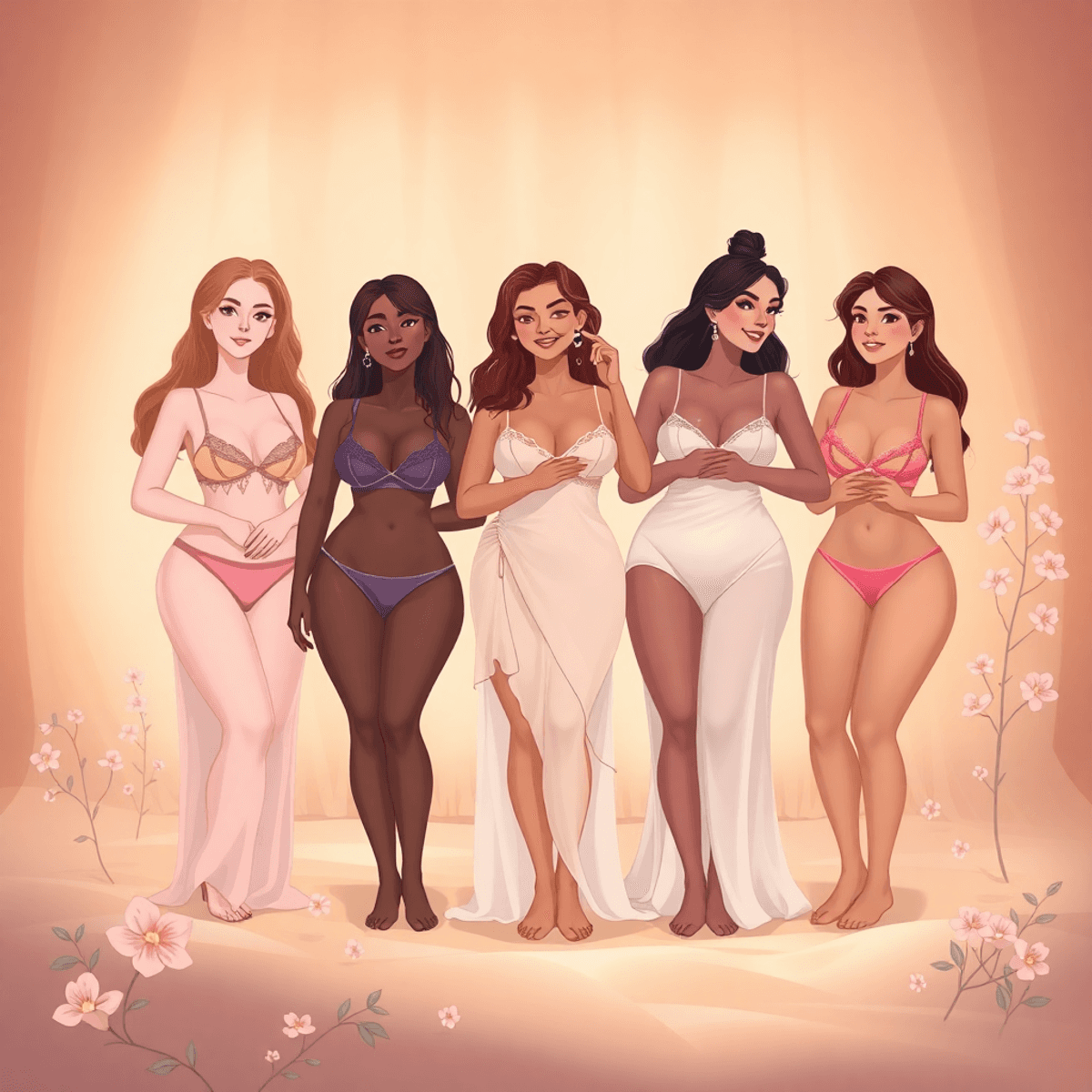
Boudoir photography originally started as private portraiture—intimate images taken to celebrate personal beauty, usually kept hidden. Nowadays, it has evolved into a powerful way to promote self-love, embracing vulnerability and confidence through artistic expression. This change reflects shifting views on body positivity, sexuality, and identity.
The Importance of Representation in Boudoir
Representation in boudoir is crucial for marginalized groups. Visual arts and media have often favored narrow standards of beauty and identity, leaving out those who don't fit into dominant cultural norms. When marginalized communities see themselves authentically portrayed in boudoir imagery—whether it's through body type, skin tone, gender identity, or sexual orientation—it validates their experiences and creates a sense of belonging.
How Boudoir Photography Empowers Diverse Identities
Boudoir photography empowers diverse identities by:
- Providing a platform for self-expression beyond mainstream expectations
- Celebrating the unique beauty of every individual, including those embracing plus size boudoir
- Challenging societal norms by showcasing inclusivity in intimate spaces
This art form becomes more than just photography; it acts as a means for healing, confidence-building, and radical acceptance. It invites everyone to claim their space in the spotlight with dignity and pride.
The Therapeutic Benefits of Boudoir Photography
Moreover, boudoir photography isn't only about capturing intimate moments; it also offers therapeutic benefits that aid emotional healing and self-acceptance. The experience can be incredibly empowering, helping individuals embrace their bodies and celebrate their unique identities.
The Importance of Professional Ethics in Boudoir Photography
However, with this power comes great responsibility. It's vital to maintain professional ethics in photography, ensuring that subjects are treated with respect and dignity throughout the process.
The Impact of Color Palette Selection in Boudoir Photography
Lastly, the choice of color palette selection in boudoir photography can greatly affect the mood and feel of the images. Therefore, understanding how to effectively use color can enhance the overall impact of the photographic experience.
The Power of Representation in Boudoir Photography
Representation in boudoir photography acts as a powerful catalyst for self-expression and authentic storytelling. When you see yourself reflected in images that celebrate your identity, it validates your experience and gives you permission to own your narrative. Intimate photography becomes more than just pictures; it transforms into a medium where diverse identities are honored and communicated visually.
Capturing personal beauty beyond mainstream standards directly builds confidence and encourages self-love. Many marginalized individuals face constant pressure to conform to narrow ideals of attractiveness. Boudoir sessions that embrace every curve, scar, skin tone, and gender expression create a space where beauty is redefined on your terms. For instance, plus-size and curvy boudoir photoshoots emphasize body positivity and confidence, nurturing a sense of pride and acceptance that extends beyond the camera.
Challenging unrealistic beauty ideals requires showcasing a spectrum of bodies and identities:
- Diverse body types: from curvy to slender, muscular to soft
- Varied skin tones: celebrating all shades without filters or erasure
- Gender identities: including trans, non-binary, and genderqueer expressions
- Sexual orientations: representing queer love and desire authentically
These visual affirmations dismantle harmful stereotypes by highlighting real human diversity. When marginalized clients see themselves represented in boudoir imagery, they’re reminded that their bodies are worthy of admiration and celebration. This fosters an environment where body positivity thrives naturally.
“Boudoir photography gave me the chance to tell my story through my body — not what society expects but who I truly am.” – Queer client testimonial
Representation empowers you to reclaim ownership of your image and experience self-expression through intimate artistry.
Creating Safe and Inclusive Spaces for Marginalized Clients
Creating a safe space is essential for marginalized clients to fully express themselves during boudoir sessions. Photographers play a critical role in establishing this environment, beginning with pre-shoot consultations tailored to each client’s individual needs and preferences. These conversations build trust and allow clients to communicate their boundaries clearly, ensuring the session honors their comfort levels and personal narratives.
Key practices photographers should adopt include:
- **Detailed **boundary-setting before the shoot, outlining what is and isn’t acceptable.
- Checking in frequently during the session to prevent pushing limits or causing discomfort.
- Offering breaks or adjustments as needed to maintain client well-being.
Radical inclusivity means more than welcoming diverse identities; it requires actively dismantling judgment within the studio environment. This approach embraces:
- LGBTQIA+ individuals who may face unique challenges related to gender expression or dysphoria.
- Members of kink and fetish communities who seek respectful representation without stigma.
- Disabled clients whose accessibility needs must be understood and accommodated thoughtfully.
By prioritizing client comfort above all else, photographers foster an atmosphere where vulnerability can flourish authentically. The result: images that reflect true identity rather than imposed norms.
“Trust is not given lightly, especially when your body has been politicized or marginalized. A photographer who listens and respects boundaries transforms boudoir from mere portraiture into a healing experience.”
Inclusive practices extend beyond words, involving concrete actions like adapting lighting setups for sensory sensitivities or creating private changing areas. These efforts signal respect and care, allowing marginalized clients to feel genuinely seen and valued throughout their intimate photographic journey. For more insights on creating such safe spaces, you might find this resource on Consent and Safe Space Creation helpful.
Transformative Impact on Marginalized Individuals
Boudoir photography offers more than aesthetic appeal—it serves as a powerful tool for empowerment and healing among marginalized communities. Many clients experience a significant self-esteem boost by confronting and overcoming body image issues or gender dysphoria through the lens of artistic intimacy. The act of seeing oneself reflected in images that honor all aspects of identity can be deeply affirming.
1. Overcoming Dysphoria and Body Image Struggles
For transgender and non-binary individuals, boudoir sessions provide an opportunity to reconnect with their bodies in a safe, validating environment. Artistic photography highlights personal beauty beyond societal norms, helping reduce feelings of dysphoria by focusing on authenticity instead of conformity. This tailoring of boudoir sessions for maximum impact and comfort is essential in achieving such empowerment.
2. Reclaiming Personal Narratives
Survivors of trauma or discrimination often find boudoir photography a means to reclaim control over their stories. By celebrating their bodies unapologetically, they rewrite narratives shaped by pain into ones marked by resilience and pride.
3. Testimonials from Marginalized Clients
"After my session, I finally felt seen—not just as a trans person, but as a whole human being with beauty and worth." — Alex, trans man
"Being photographed in a way that honored my queer identity helped me embrace parts of myself I had hidden for years." — Maya, queer woman
"As a disabled person, finding a photographer who respected my needs and captured my strength changed how I view my body." — Jordan, disabled non-binary individual
These stories illustrate why representation in boudoir matters for marginalized groups. The practice goes beyond aesthetics; it becomes an act of radical self-love and affirmation that challenges exclusionary beauty standards while fostering deep personal transformation. Furthermore, it's important to recognize the stigma surrounding sex work, which can also intersect with the experiences of marginalized individuals. Demystifying this stigma is crucial for fostering a more inclusive society.
In addition to personal empowerment, boudoir photography also plays a significant role in visual storytelling. The use of Black and White imagery can add depth to these narratives. Moreover, music often serves as an integral part of the boudoir experience, enhancing the overall vibe and making the session more enjoyable—something we delve into further in our exploration of music's role in boudoir photography.
Artistic Distinctions: Erotica vs. Pornography in Marginalized Representation
Understanding the difference between erotic art photography and pornography is crucial when discussing marginalized representation. Erotic art photography centers on empowerment, focusing on aesthetic beauty, vulnerability, and the celebration of sensuality without explicit content designed solely for sexual arousal. It invites viewers to appreciate the human form and identity through artistry and emotional depth.
Pornography, by contrast, often prioritizes explicit sexual acts with the primary goal of stimulation. This distinction matters because erotic art offers a space where marginalized bodies and identities can be showcased with dignity, respect, and agency—challenging reductive or fetishizing portrayals common in mainstream media.
Presentation Context Matters
The way these images are presented greatly influences how they are perceived:
- Galleries and exhibitions emphasize artistic intent, allowing marginalized individuals to reclaim narratives around their bodies.
- Platforms like OnlyFans might blur lines between erotica and explicit content due to commercial or personal use, influencing public perception differently.
The Power of Light and Shadow
Light and shadow play pivotal roles in erotic art photography. Skillful manipulation creates mood, intimacy, and focus while maintaining privacy and subtlety. This technique helps highlight diverse skin tones, body textures, and forms—elements essential in authentic representation.
Legal Compliance as an Ethical Foundation
Legal compliance remains a firm foundation for ethical practice. Adhering to 18 U.S. Code § 2257 ensures all participants are of legal age and documentation is maintained rigorously. This safeguards clients’ rights while affirming the professionalism integral to boudoir and erotic photography’s empowering mission.
Visual Advocacy Through Diverse Boudoir Imagery
Boudoir photography is a powerful way to use images to promote love, individuality, and the wide range of human identities. It goes beyond just looking good; it actively supports the celebration of diversity by showcasing bodies and expressions that are often left out of mainstream media. Each photograph sends a message that beauty and sensuality are not limited to specific ideals but can be found in all shapes, sizes, colors, genders, and orientations.
Challenging Societal Stigmas
This representation directly challenges societal biases against marginalized groups. When we see queer couples, disabled individuals, trans bodies, or non-binary identities confidently portrayed in intimate artistic settings, it challenges deep-seated prejudices. These images normalize their presence in spaces typically reserved for heterosexual or able-bodied ideals. The visibility of diverse identities in boudoir photography breaks down stereotypes and eliminates shame associated with marginalized experiences.
Fostering Cultural Shifts
Positive representation through boudoir also promotes cultural changes by affirming worth and beauty on a larger scale. When people witness genuine depictions that celebrate vulnerability and strength together, it fosters understanding and inclusivity. It encourages viewers to rethink their beliefs about who should be seen as desirable and celebrated. This ripple effect can shape attitudes beyond the art world—leading to greater acceptance in communities, workplaces, and social settings.
Key Aspects of Visual Advocacy
Key elements of visual advocacy in diverse boudoir imagery include:
- Highlighting intersectionality: Showcasing how multiple identities intersect in unique expressions of sensuality.
- Empowering clients: Respectfully framing their stories with creativity.
- Creating dialogue: Encouraging discussions around body positivity and sexual freedom for marginalized individuals.
Using boudoir photography as a tool for change emphasizes its role not only as personal empowerment but also as a driving force behind societal transformation through art.
Examples of Inclusive Practices
This can be seen through initiatives that promote an inclusive studio experience or embrace inclusive practices in photography.
Expanding the Definition of Boudoir
Furthermore, it's important to understand that boudoir photography doesn't have to follow conventional ideas of sexuality. As discussed in our article on debunking the myth that boudoir photos must be sexual, this genre can also be an empowering form of self-expression tailored to each person's comfort level.
The power of art in photography cannot be underestimated. Boudoir photography not only captures intimate moments but also provides a platform for [exploring various styles and themes](
Practical Tips for Photographers Working with Marginalized Clients
Creating a welcoming and respectful environment is essential for photographers aiming to serve marginalized clients authentically. Clear communication about session goals and privacy policies sets expectations and builds trust from the start. Clients should feel empowered to express their boundaries and desires without fear of judgment or misunderstanding.
Photographer Guidelines and Accommodation Strategies:
- Pre-shoot consultations: Use these to understand each client's unique identity, comfort levels, and specific needs. Tailor wardrobe suggestions, poses, and lighting accordingly.
- Privacy protocols: Explicitly outline how images will be stored, shared, or published. Respect client decisions regarding image use to maintain confidentiality and control.
- Legal compliance: Adhere strictly to laws such as 18 U.S. Code § 2257 concerning explicit content. This protects clients and photographers alike while maintaining ethical standards.
- Adaptability: Be prepared to accommodate physical disabilities, neurodiversity, or sensory sensitivities by adjusting session pace, environment, or equipment.
Ethical considerations extend beyond logistics. Honoring intersectionality means recognizing overlapping identities—such as race, gender identity, sexual orientation, ability—that shape client experiences in profound ways. Continuous education on [cultural sensitivity](<https: data-preserve-html-node="true"//www.misfitslikeme.com/st-louis-erotic-and-boudoir-photography/navigating-cultural-sensitivity-in-modern-intimate-photography>) helps photographers avoid stereotypes or assumptions that can alienate clients.
Creative expression thrives within these boundaries when openness guides the process. Encouraging collaboration invites clients to co-create images that honestly reflect their stories rather than conforming to narrow norms of beauty or sexuality.
Photographers invested in Why Representation in Boudoir Matters for Marginalized Groups must prioritize empathy alongside technical skill. This approach transforms boudoir photography into a powerful medium for affirmation rather than mere aesthetics.
To further enhance the experience for marginalized clients in boudoir photography sessions, it's crucial to follow some tips for boudoir photography sessions. Implementing pre-session self-care rituals can also empower clients and make them feel more comfortable during the shoot; these pre-session self-care rituals can be beneficial in achieving that goal.
Additionally, creating a luxurious and empowering boudoir experience is essential for making clients feel valued and respected; exploring strategies on [how to create such an experience](<https: data-preserve-html-node="true"//www.misfitslikeme.com/st-louis-erotic-and-boudoir-photography/category/Creating+a+Luxurious+and+Empowering+Boudoir+Experience>) can provide valuable insights into this aspect of photography.
Conclusion
Representation in boudoir photography has the power to change things for marginalized groups. It goes beyond just being pictures — it’s about using art to empower individuals by celebrating their true selves and challenging narrow beauty standards. The importance of inclusivity cannot be emphasized enough: when photographers embrace diverse bodies, identities, and stories, they promote cultural acceptance that extends beyond the walls of the studio.
Boudoir photography serves as a means of self-expression and resilience for marginalized individuals, allowing them to reclaim their narratives and confidently embrace their identities. This art form affirms the worth and beauty of all human experiences, dismantling stigma and invisibility.
Remember:
- Everyone deserves to have their moment in the spotlight.
- That spotlight can be bold or subtle—sometimes it’s just under dimmed lights.
- Each session is a step toward broader recognition and celebration of diversity.
Why does representation in boudoir matter for marginalized groups? Because it creates spaces where all bodies and identities are seen, honored, and cherished. This representation fuels confidence, nurtures healing, and invites a world more open to difference.
Your story deserves to be told. Your light deserves to shine.
FAQs (Frequently Asked Questions)
What is boudoir photography and how has it evolved?
Boudoir photography is an intimate form of portraiture that has evolved from private, personal images to a modern celebration of self-love and empowerment. It captures individuals in a way that promotes confidence, body positivity, and authentic self-expression.
Why is representation important for marginalized groups in boudoir photography?
Representation in boudoir photography matters because it fosters inclusivity and authentic storytelling for marginalized identities. It challenges mainstream beauty standards by showcasing diverse body types, skin tones, gender identities, and sexual orientations, empowering individuals to reclaim their narratives and boost self-esteem.
How do photographers create safe and inclusive spaces for marginalized clients during boudoir sessions?
Photographers establish trust through pre-shoot consultations tailored to each client's needs and preferences. They prioritize client comfort by respecting boundaries, preventing pushing limits, and practicing radical inclusivity that welcomes LGBTQIA+, kink communities, disabled individuals, and other marginalized identities without judgment.
In what ways can boudoir photography have a transformative impact on marginalized individuals?
Boudoir sessions can help marginalized people overcome body image issues or gender dysphoria by celebrating their bodies unapologetically through artistic intimacy. This process empowers them to reclaim personal narratives after trauma or discrimination, resulting in increased self-esteem and confidence.
How does erotic art photography differ from pornography in the context of marginalized representation?
Erotic art photography focuses on empowerment and artistic expression rather than explicit content. The presentation context—such as galleries versus platforms like OnlyFans—affects how marginalized bodies and identities are perceived. Techniques like balancing light and shadow enhance intimacy while respecting legal compliance (18 U.S. Code § 2257).
What practical tips should photographers follow when working with marginalized clients in boudoir photography?
Photographers should create welcoming environments with clear communication about session goals and privacy policies. They must respect clients' legal boundaries regarding explicit content while maintaining openness and creativity. Continuous education on intersectionality and cultural sensitivity is essential to ethically serve diverse clients.