The Psychology of Color in Empowering Portraiture: What Works Best?
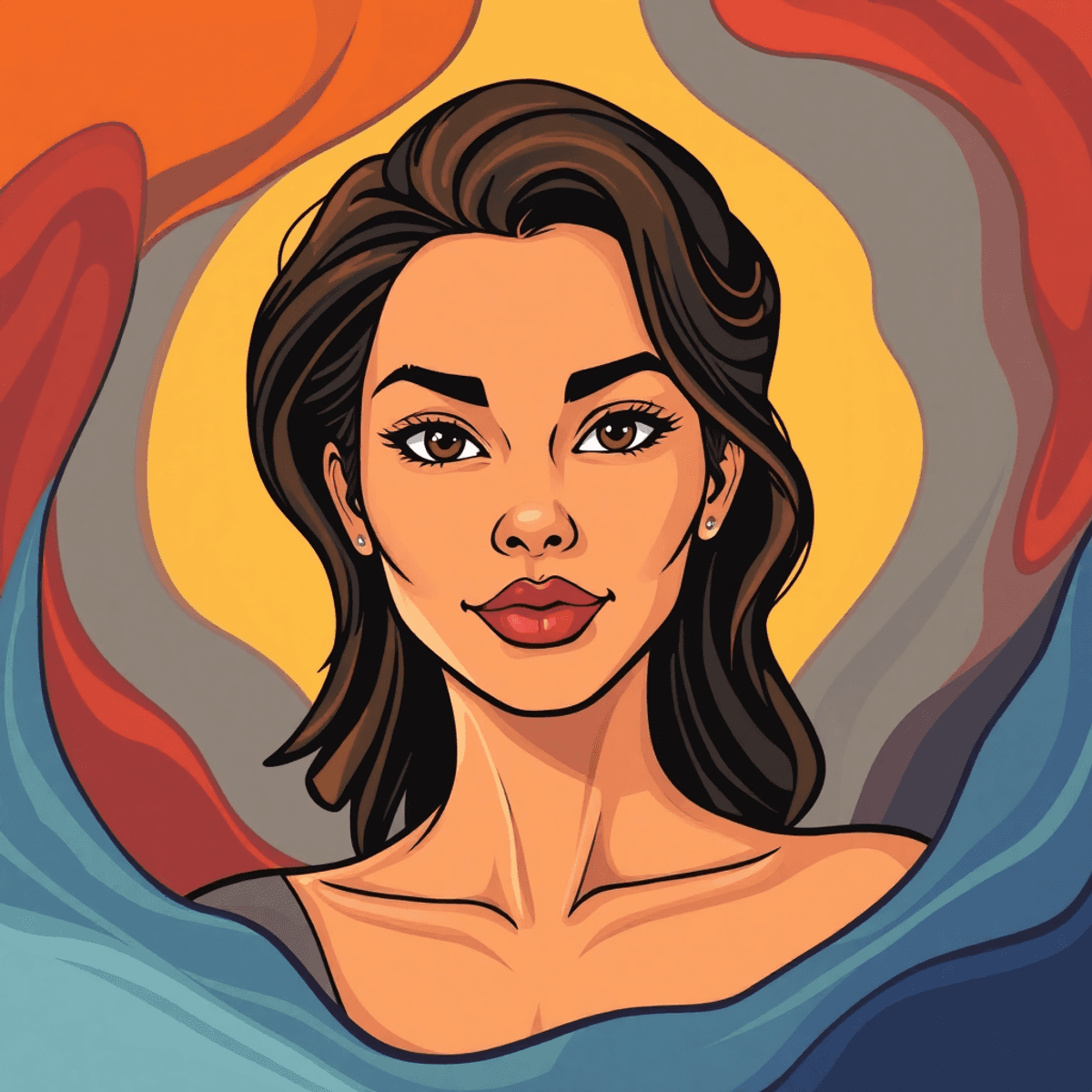
Empowering portraiture goes beyond capturing a likeness; it celebrates identity, strength, and authenticity. It’s about creating images that inspire confidence and reveal the subject’s inner power. This form of portraiture holds significant value in personal storytelling, healing, and self-expression.
The psychology of color plays a crucial role in this visual storytelling. Colors are not just aesthetic choices—they carry emotional weight and cultural symbolism that influence how viewers perceive a portrait. Understanding how different hues affect mood helps you craft images that resonate deeply with both subject and audience.
Color impacts emotional storytelling by setting tone, evoking feelings, and highlighting personality traits. Warm tones can ignite passion or energy, while cool tones often soothe or convey introspection. These emotional cues guide the viewer’s response and enhance the narrative within every frame.
Why did the artist break up with the color blue? Because it was too moody!
This light-hearted joke hints at color’s power to shape emotions—something you’ll learn to harness when mastering The Psychology of Color in Empowering Portraiture: What Works Best?
Moreover, empowering portraiture isn't limited to traditional subjects; it extends to realms like Plus Size Boudoir photography. This genre emphasizes body positivity and self-acceptance, further enhancing the therapeutic benefits of such portraits. The Therapeutic Benefits of empowering photography are profound, often aiding in personal healing and self-discovery.
However, with great power comes great responsibility. It's essential to adhere to Professional Ethics in Photography, ensuring that the dignity and privacy of subjects are respected at all times. This is particularly crucial in intimate genres like boudoir photography.
Furthermore, we must also navigate through various Legal and Ethical Considerations that come into play during such shoots. These aspects are not just legal formalities; they form an integral part of the artistic process, ensuring that the art created is not only powerful but also responsible.
Understanding Color Psychology in Portraiture
Color psychology studies how colors influence human emotions, behaviors, and cultural perceptions. It connects visual art and emotional response, making it essential in portraiture where conveying mood and identity matters.
Common emotional associations and cultural meanings of key colors include:
- Red: Passion, power, urgency, sometimes aggression or love
- Blue: Calmness, trustworthiness, sadness, or introspection
- Yellow: Cheerfulness, energy, optimism, but can also signal caution
- Green: Growth, harmony, renewal, yet occasionally envy or stagnation
- Purple: Creativity, luxury, mystery, spiritual depth
- Orange: Warmth, enthusiasm, vibrancy
- Black: Authority, elegance, grief, or mystery
- White: Purity, simplicity, peace
These meanings shift depending on context—cultural background shapes interpretation significantly. For example, white symbolizes mourning in some Eastern cultures rather than innocence. Individual experiences also color perception; a person’s memories linked to a color influence their emotional reaction.
Color functions as an emotional shorthand, communicating complex feelings instantly without words. It transcends mere aesthetics by tapping directly into subconscious responses.
In empowering portraiture with an inclusive studio experience, understanding this interplay allows you to craft images that resonate deeply with viewers and subjects alike. The power of art in photography can be harnessed by utilizing the psychological impact of color effectively.
Moreover, creating a luxurious and empowering boudoir experience can also be significantly influenced by color choices. It's essential to remember that these colors not only affect the subject's mood but also the overall aesthetic of the portrait. This is particularly relevant when considering emotional preparation for such intimate photography sessions.
Lastly, incorporating elements of [music curation and technology](<https: data-preserve-html-node="true"//www.misfitslikeme.com/st-louis-erotic-and-boudoir-photography/category/Music+Curation+and+Technology>) into your photography practice can further enhance the emotional resonance of your portraits.
The Role of Color in Empowering Portraiture
Color is a powerful tool for empowerment through color, allowing you to convey intricate aspects of identity and emotions in portraiture. Different colors can clearly communicate personality traits:
- Bold reds and oranges often represent confidence, passion, and assertiveness.
- Softer blues and greens may emphasize calmness, vulnerability, or introspection.
- Muted tones can imply subtlety, mystery, or resilience.
Symbolizing Transformation with Color
Portraits frequently employ a transition from dark to light tones to signify change or renewal. For instance, deep shadows gradually fading into warm highlights create a visual story of growing strength or recovery. This shift in color invites viewers to witness an internal journey—moving from hardship towards empowerment.
Depicting Conflict through Contrasting Colors
Contrasting colors offer a means to portray inner struggle or complexity. Combining cool blues with fiery reds or merging soft pastels with stark blacks represents the tension between vulnerability and power within the subject's identity.
The ultimate objective is to unveil genuine selfhood and inner strength through deliberate color choices. When you use color intentionally, it becomes an emotional shorthand that communicates beyond words—showcasing not just someone's appearance but their true essence.
Expanding Beyond Traditional Photography
In the world of portraiture, this idea isn't confined to conventional photography. It also applies to genres like boudoir photography, where color holds equal importance in expressing intimacy and personal stories. This concept isn't limited to photography alone; it also resonates deeply in the realm of painting, where depth in painting can be achieved through thoughtful use of color, further enhancing the narrative being portrayed.
Applying Color Psychology Strategically in Portrait Sessions
Color choices in wardrobe and props serve as powerful tools to reinforce the emotional narrative of your portrait. Selecting garments in hues that reflect confidence, calm, or passion helps visually anchor the story you want to tell. Choosing the right color palette for wardrobe and props is essential; for instance, a deep red scarf can symbolize sensuality while a soft green plant can represent renewal. Incorporating elements from color theory into your styling decisions can further enhance this effect.
The Role of Makeup
Makeup plays a subtle yet impactful role by enhancing or complementing the emotional themes established by color psychology. Warm tones like coral or bronze can evoke warmth and approachability, while cooler shades such as lavender or icy blue emphasize serenity or introspection. Thoughtful makeup application highlights facial features and harmonizes with the portrait’s overall color scheme.
The Influence of Lighting Techniques
Lighting techniques dramatically influence how colors are perceived and their emotional weight. Warm lighting casts golden hues that create intimacy and energy, encouraging feelings of empowerment and vitality. Cool lighting introduces blues and purples that suggest calmness, mystery, or vulnerability. Adjusting light temperature allows you to sculpt mood dynamically during the session.
The Power of Post-Processing
Post-processing offers creative control to unify or amplify your portrait’s message through color grading. By tweaking saturation, contrast, and tone curves, you can emphasize the psychological impact of chosen colors. For instance, boosting reds enhances passion, while muting colors creates a more subdued, contemplative effect. Skillful editing ensures the final image resonates deeply with the intended emotional story.
Applying wardrobe choices, props, makeup, lighting techniques, and post-processing thoughtfully creates a cohesive visual language rooted in The Psychology of Color in Empowering Portraiture: What Works Best?.
Color Harmony Techniques for Visually Compelling Portraits
Color harmony refers to the pleasing arrangement of colors in a portrait, creating balance and emotional resonance. Understanding different harmony types helps you craft images that feel cohesive and intentional.
1. Monochromatic Schemes
Monochromatic schemes use variations in lightness and saturation of a single color. This approach creates a unified, elegant look that emphasizes mood over complexity. Choose monochromatic palettes when you want to evoke calmness, introspection, or timeless empowerment. For example, deep blues fading into lighter shades can convey tranquility and confidence in an intimate portrait.
2. Analogous Colors
Analogous colors sit next to each other on the color wheel, such as red-orange, orange, and yellow-orange. These combinations feel natural and harmonious, often evoking warmth and comfort. Use analogous schemes to emphasize connection or nurture themes—like pairing soft purples with pinks for gentle intimacy.
3. Complementary Contrasts
Complementary contrasts involve colors opposite each other on the wheel (e.g., blue and orange). This high-contrast harmony injects energy and tension into portraits. It works well for showcasing boldness or internal conflict, highlighting strength through visual push and pull.
4. Triadic Palettes
Triadic palettes use three evenly spaced colors around the wheel, offering vibrant yet balanced visuals. A triadic scheme can express complexity and multifaceted identity—perfect for portraying dynamic personalities or transformative journeys.
Choosing the right color harmony aligns your portrait’s emotional intent with its visual impact. Empowerment often emerges from thoughtful contrasts or vibrant triads—something to consider when tailoring your boudoir session for maximum impact and comfort, while intimacy flourishes within softer monochromatic or analogous blends.
Special Considerations for Inclusive and Safe Empowering Portraiture
Creating safe spaces is fundamental when working with diverse identities, including LGBTQIA+ clients and kink-friendly contexts. For instance, queer-friendly boudoir photography exemplifies how portraiture can be tailored to suit individual identities and preferences.
Inclusivity in portraiture means more than representation—it requires active respect for each person’s unique boundaries and comfort levels.
Key points to ensure radical inclusivity include:
- Establish clear communication before and during the session to understand individual needs and limits.
- Respect privacy rigorously, especially since sensitive subjects or explicit content may be involved. This is particularly important when demystifying stigma around sex workers, as these topics often require a delicate approach.
- Consent is ongoing, not a one-time agreement; checking in regularly helps maintain trust.
- Adapt sessions to accommodate physical, emotional, or identity-based requirements without pressure or assumptions. This aligns with the principles of inclusive practices in photography.
- Create an environment free of judgment, allowing clients to fully express themselves through color, posture, and styling choices. This is where consent and safe space creation plays a crucial role.
Ethical attention to these factors enhances the empowering nature of the portrait experience by honoring each client’s agency and emotional safety.
Case Studies: Color Choices That Empower Different Identities & Themes
Exploring The Psychology of Color in Empowering Portraiture: What Works Best? through real examples highlights how color enhances identity and themes.
1. Red for Sensuality and Confidence
In boudoir sessions celebrating body positivity and LGBTQIA+ representation, red often symbolizes passion and empowerment. Wearing rich red tones or using red lighting accentuates boldness and self-love, inviting viewers into a space of unapologetic sensuality. Here, we explore the various styles and themes in boudoir photography that can amplify this effect.
2. Blue to Evoke Tranquility and Trust
Blue hues create calm, reflective portraits that emphasize vulnerability as strength. This is especially effective in intimate sessions where clients explore softer emotional states, promoting healing and inner peace.
3. Purple Signifying Transformation and Mystery
Purple’s association with rebirth and creativity suits portraits that tell stories of personal evolution. For non-binary or gender-fluid subjects, purple blends traditionally masculine and feminine cues, visually expressing fluid identity with grace.
These case studies demonstrate how deliberate color choices amplify the narrative, making portraits resonate deeply with both subject and audience.
Practical Tips for Planning a Color-Centered Portrait Session
Starting with conceptualizing themes is essential. Before selecting any colors, define the story or emotional tone you want the portrait to convey. Ask yourself:
- What message or feeling should the portrait evoke?
- Which aspects of identity or empowerment are central?
- How can color support or amplify these elements?
This clarity guides your palette choices, ensuring colors aren’t just visually appealing but meaningful.
Creative collaboration between the photographer, makeup artist, stylist, and client helps maintain visual coherence. When everyone understands the theme and chosen color narrative, wardrobe selections, makeup tones, props, and lighting can harmonize seamlessly with the color story. For example:
- A cool-toned blue theme benefits from soft, complementary makeup and fabrics.
- Warm oranges or reds call for bold accessories and stronger contrasts.
Discussing color symbolism together prevents mixed messages and strengthens the portrait’s emotional impact. Involving clients in this process also empowers them to express their authentic selves through color choices.
For those planning a boudoir photography session, it's important to consider pre-session self-care rituals that can enhance the overall experience. Additionally, exploring helpful tips for such sessions can provide valuable insights into achieving the desired results.
Understanding how to effectively use Visual Arts Standards can further enrich your approach to planning a color-centered portrait session.
Conclusion
Empowering portraiture thrives on intentional and thoughtful color choices. Every shade, tone, and contrast you select contributes to the layered narrative of identity through color. This is not just about making images look good—it’s about harnessing visual storytelling to reveal inner strength, vulnerability, and transformation.
Successful portraits reflect a deep understanding of The Psychology of Color in Empowering Portraiture: What Works Best? You use color as a dynamic tool to connect with emotion, culture, and personality—at every stage from concept to post-processing. When you prioritize color deliberately, you create images that resonate on a profound level and empower your subject authentically.
As you explore colors in your next session, remember:
- Color is an emotional language guiding viewer perception.
- Harmonious palettes amplify the message of empowerment.
- Collaboration ensures cohesive visual impact.
- Inclusion and respect shape safe creative spaces.
However, don’t forget the power of black and white imagery in visual storytelling. It can also serve as a potent tool for expressing depth and emotion.
“Why don’t colors ever get lost? Because they always follow their hue-mor!”
Remember—life isn’t always black and white... sometimes it’s fifty shades of awesome! Embrace the power of color to tell your story boldly.
FAQs (Frequently Asked Questions)
What is empowering portraiture and why is it significant in visual storytelling?
Empowering portraiture is a style of photography that aims to reveal an individual's identity, strength, and emotional depth through visual storytelling. It holds significance as it goes beyond aesthetics to capture personal transformation, confidence, and vulnerability, making the subject's story resonate emotionally with viewers.
How does the psychology of color influence mood and emotional resonance in portraits?
The psychology of color plays a crucial role in portraits by associating specific colors with emotions and cultural meanings. Colors act as an emotional shorthand—red can evoke passion or power, blue tranquility or sadness, yellow happiness or energy—thereby shaping the mood and deepening the emotional impact of the portrait.
In what ways can color express personality traits and inner states in empowering portraiture?
Color in empowering portraiture can express personality traits such as confidence through bold reds or vulnerability through soft blues. Using contrasting colors can depict inner conflict or complexity, while transitions from dark to light tones symbolize transformation or rebirth, effectively telling stories about the subject's identity and emotional journey.
How can wardrobe, props, makeup, lighting, and post-processing be used strategically to enhance color psychology in portrait sessions?
Wardrobe and props reinforce chosen color narratives by aligning with the emotional theme; makeup complements these themes by enhancing specific hues; lighting techniques like warm versus cool lighting affect how colors are perceived and thus mood; post-processing tools such as color grading unify or amplify the intended message, all working together to create a cohesive empowering portrait.
What are some effective color harmony techniques for creating visually compelling and emotionally resonant portraits?
Color harmony techniques include monochromatic schemes for subtlety and unity; analogous colors for gentle transitions evoking intimacy; complementary contrasts for dynamic tension representing empowerment; and triadic palettes for balanced vibrancy. Choosing the right harmony depends on the portrait's goals to visually communicate emotion and identity effectively.
Why is inclusivity important in empowering portraiture, and how do photographers ensure safe spaces during sessions?
Inclusivity ensures that all identities—including LGBTQIA+ individuals and kink-friendly contexts—are respected and represented authentically. Photographers create safe spaces by honoring privacy, setting clear boundaries, practicing radical inclusivity, and fostering comfort throughout sessions. This ethical approach empowers subjects to express themselves fully through color-centered visual storytelling.