'Awkward’ Energy Is Welcome Here—Turning Nerves Into Artful Photos
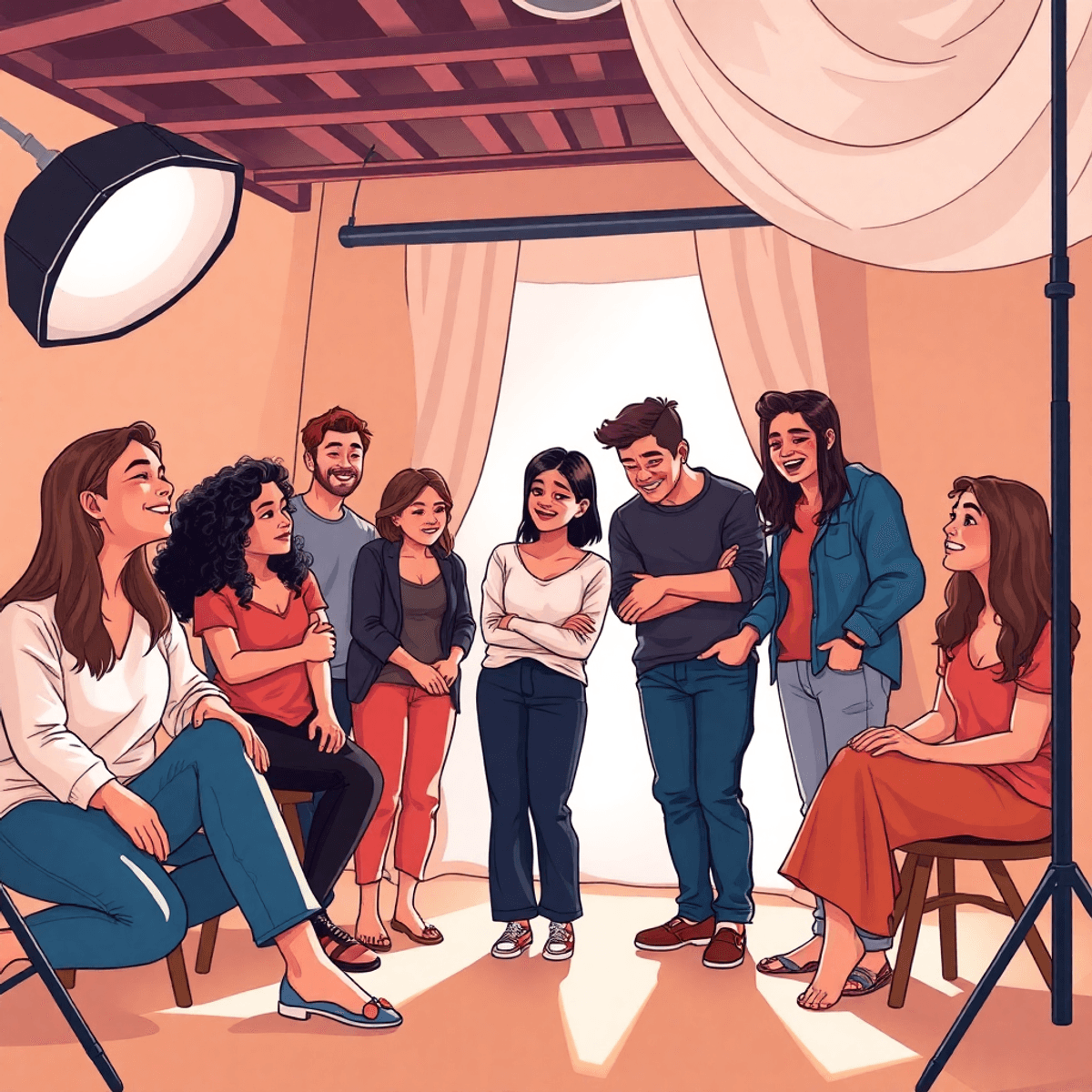
'Awkward’ Energy Is Welcome Here—Turning Nerves Into Artful Photos
Awkward energy in photography captures those moments when subjects feel tense, unsure, or self-conscious during a shoot. This natural nervousness often shows as hesitation in posture, fleeting glances, or subtle expressions that might seem uncomfortable at first glance. Yet, this very awkward energy holds an untapped creative potential.
Transforming nervousness into creative expression allows photographers and subjects to break away from stiff poses and forced smiles. Instead, it opens a path toward images that reflect true emotion and personality. The process involves embracing vulnerability rather than masking it with perfection.
This approach can be particularly beneficial in genres like boudoir photography, where the goal is to empower the subject and capture their authentic selves. Embracing vulnerability leads to authentic and relatable images by:
- Highlighting genuine emotions beyond rehearsed appearances
- Showcasing personal quirks and imperfections that make each subject unique
- Creating a connection between viewer and subject through honesty
Furthermore, this method aligns perfectly with the philosophy of queer-friendly boudoir photography, which emphasizes inclusivity and self-acceptance. This ethos extends to creating an inclusive studio experience for all clients.
The power of art in photography cannot be understated; it's about more than just capturing an image—it's about telling a story. This power of art in photography redefines what makes a photograph powerful—not flawless execution but the raw humanity behind it. When nerves become part of the artistic narrative, photos gain depth and resonance that staged sessions often miss.
Embracing awkward energy not only transforms the photographic experience but also serves as a powerful tool for personal empowerment and acceptance.
Understanding Awkward Energy in Photography
Awkward energy in photography refers to the natural tension and discomfort that often surface during photo sessions. This nervousness can feel like a barrier at first, but it is a powerful signal of genuine human emotion beneath the surface. When you experience this tension, you're not just facing unease; you are stepping into a space where authentic moments begin to unfold.
Nervousness in photo sessions often reveals facets of personality that rehearsed poses or practiced smiles cannot capture. That subtle hesitation before a smile, the quick glance away, or the shifting of hands—all these small, imperfect gestures communicate truth. Your body language becomes an unfiltered expression of your current state, adding layers of meaning to the images created.
Vulnerability plays a crucial role in this process. It’s the willingness to expose your uncertainties and emotions openly, which invites emotional depth into photographs. Photos born from vulnerability resonate because they reflect real experiences rather than staged perfection. This emotional authenticity connects viewers on a deeper level.
Photographers who understand and embrace awkward energy know it’s not something to erase but something to highlight. It transforms photos from mere representations into storytelling devices filled with life and personality. The nervous moments captured reveal stories behind the lens—stories of courage, self-acceptance, and the beauty found within imperfection.
Key aspects of embracing awkward energy:
- Recognize nervousness as a natural part of being human in front of the camera.
- Use discomfort as an entry point to reveal genuine expressions.
- Value vulnerability as a tool for creating emotional resonance.
- Focus on authentic moments over forced smiles or rigid poses.
By seeing awkward energy not as a flaw but as fuel for creativity, photographers and subjects unlock new possibilities for meaningful imagery. This mindset shifts the dynamic from performance to connection, producing photos that tell honest stories through expressive detail.
This understanding is particularly vital when navigating cultural sensitivity in modern intimate photography, such as in boudoir photography sessions where emotional preparation plays a significant role. Embracing awkward energy can also enhance the luxurious and empowering experience that boudoir photography aims to provide. Additionally, understanding different styles and themes in boudoir photography can further enrich the experience. Lastly, incorporating tips for boudoir photography sessions can help ease the discomfort associated with awkward energy, turning it into a tool for creating stunning imagery.
Creating a Safe and Inclusive Environment for Authentic Expression
Creating a safe space photography session starts with building trust and comfort. When you feel secure, openness comes naturally, allowing your true self to emerge. Photographers who prioritize this foundation help dissolve the tension that often fuels awkward energy. This trust transforms nervousness into a bridge for genuine connection, which reflects powerfully in the images.
The Importance of Inclusivity
Radical inclusivity plays a crucial role in easing nerves. An LGBTQIA+ welcoming studio embraces every identity without judgment or stereotype. In such environments, you’re not just accepted—you are celebrated. Body positivity further supports this by honoring diverse shapes, sizes, and presentations. Knowing your body is valued as it is reduces self-consciousness and invites authentic expression.
The studio mIsFiTs Like ME exemplifies this approach through its commitment to being a safe space for all genders and identities aged 21 and over. They practice radical inclusivity and sex-positivity while strictly following legal requirements, including compliance with 18 U.S. Code § 2257. This ensures the protection of both clients and staff within ethical boundaries.
Key Elements of a Safe Space Philosophy
Key elements of their safe space philosophy include:
- Open communication: Encouraging dialogue about comfort levels, boundaries, and preferences before and during sessions.
- Adaptability: Adjusting poses, lighting, and session flow based on client feedback to maintain ease.
- Privacy & safety: Enforcing strict no-contact policies between clients and staff/vendors to foster a secure environment.
- Body-positive encouragement: Affirming every participant’s unique beauty to build confidence.
This model proves that when photographers intentionally create inclusive spaces grounded in respect and legality, awkward energy shifts. It becomes a source of emotional depth rather than discomfort—a vital step toward artful photography that honors authentic human experience.
Examples of Inclusive Practices
For instance, mIsFiTs Like ME offers 20 stunning ideas for plus-size boudoir photoshoots, emphasizing body positivity and confidence. They also tackle societal issues such as demystifying stigma around sex workers, promoting empowerment in the sex work industry. Their commitment to inclusive practices in photography further solidifies their role as pioneers in creating safe spaces for authentic expression.
Techniques to Harness Awkward Energy in Sessions
Capturing genuine moments requires more than just technical skill. It also requires the ability to turn nervous energy into something visually compelling. This section explores practical methods to channel awkward energy during your photography sessions.
Using Conversation to Relax Subjects and Build Rapport
Dialogue is a powerful tool to ease tension. Engaging subjects in casual, lighthearted conversation helps dismantle the walls that nerves build. You might ask about their favorite hobbies, recent experiences, or even share a personal anecdote. This approach shifts focus away from the camera and toward human connection, creating a relaxed atmosphere.
- Start with open-ended questions that invite storytelling.
- Use humor or gentle compliments to boost confidence.
- Maintain eye contact and active listening to signal genuine interest.
The rapport established through conversation often reveals spontaneous expressions that candid photography techniques rely on. When people feel seen as individuals rather than just subjects, their true personalities emerge naturally.
Encouraging Spontaneous Movement Over Rigid Posing
Rigid posing can amplify feelings of awkwardness, making images appear stiff and unnatural. Instead, encourage fluidity and spontaneity in movement to capture life’s imperfect beauty.
- Prompt subjects to walk slowly, turn their heads, or shift weight between feet.
- Suggest playful gestures like flipping hair, adjusting clothing, or laughter.
- Allow natural pauses and breaths; not every shot needs to be posed perfectly.
This movement encouragement aligns with candid photography techniques by focusing on action rather than static poses. The resulting photos brim with vitality because they mirror how people behave when unselfconscious.
Focusing on Imperfect, Small Moments Rather Than Posed Perfection
Perfection often feels unattainable and increases pressure during shoots. Emphasizing small imperfections turns those moments into artful details worth celebrating.
- Capture fleeting glances off-camera.
- Notice subtle smiles or nervous hand gestures.
- Highlight wrinkles in clothing or tousled hair as elements of authenticity.
These seemingly minor details contribute emotional depth and honesty to images. They remind viewers that vulnerability is not a flaw but an essential part of human experience. Such focus shifts attention from staged perfection toward genuine presence.
Harnessing awkward energy becomes an invitation for creative expression rather than an obstacle. By weaving conversation, encouraging movement, and valuing imperfection, you unlock richer stories within your portraits—true reflections of the person behind the lens. These insights are invaluable whether you're aiming for stunning portraits using these 10 techniques or looking to explore new avenues in candid photography such as those shared on platforms like Lemon8.
The Transformative Power of Boudoir and Intimate Photography
Embracing Nerves
Boudoir sessions provide a one-of-a-kind opportunity for self-expression that embraces nerves as part of the experience. Many clients come in feeling vulnerable or unsure, but these sessions turn that initial discomfort into powerful moments of exploring identity and artistic closeness. The process allows you to face and accept your emotions, transforming them into visual narratives that reflect genuineness rather than artificial perfection.
Self-Expression Through Vulnerability
- Nervous energy becomes raw material: Instead of hiding nervousness, boudoir photography invites you to express it. This vulnerability often reveals deeper layers of personality that posed photos cannot capture.
- Empowerment in embracing flaws: Imperfections, hesitations, and subtle tensions add emotional depth. These elements invite you to redefine beauty on your own terms.
- Connection to self: The session becomes a form of personal discovery, fostering confidence through acceptance rather than concealment.
Mastery of Light and Shadow
Light plays a crucial role in boudoir photography by setting the mood while respecting boundaries.
- Mood enhancement: Soft shadows and carefully directed light highlight curves and textures, creating an intimate atmosphere without exposing more than you’re comfortable sharing.
- Selective illumination: Focused lighting draws attention to expressions and body language that communicate emotion beyond words.
- Respect for privacy: Strategic use of shadow preserves modesty while enhancing sensuality, honoring your comfort throughout the shoot.
Maintaining Authenticity Without BDSM Elements
Legal guidelines such as 18 U.S. Code § 2257 require strict compliance during boudoir sessions, which means avoiding BDSM props or scenes within this genre. This boundary ensures safety and legality while preserving the essence of authentic expression.
- Clear distinction from kink or fetish photography: Boudoir focuses on soft-spoken allure rather than explicit power dynamics or bondage.
- Authentic representation without compromise: The absence of BDSM elements doesn’t diminish creativity; instead, it challenges photographers and subjects to explore other facets of sensuality.
- Creative alternatives: Incorporating lingerie, scarves, jewelry, or natural poses emphasizes your personal style and mood without crossing legal or ethical lines.
By embracing nerves as part of the experience, boudoir sessions become transformative spaces where identity exploration merges with artistic intimacy. You gain not only beautiful images but also a renewed sense of self-worth grounded in honesty and openness.
Plus Size Boudoir: A Celebration of Diversity
Boudoir photography is not confined to a specific body type. Plus size boudoir is an empowering genre that celebrates diversity and encourages individuals to embrace their bodies.
The Therapeutic Benefits of Boudoir Photography
Beyond aesthetics, boudoir photography offers [therapeutic benefits](<https: data-preserve-html-node="true"//www.misfitslikeme.com/st-louis-erotic-and-boudoir-photography/tag/Therapeutic+Benefits>), helping individuals build self-esteem and body positivity through the lens.
Professional Ethics in Photography
It's essential to uphold [professional ethics in photography](<https: data-preserve-html-node="true"//www.misfitslikeme.com/st-louis-erotic-and-boudoir-photography/tag/Professional+Ethics+in+Photography>), ensuring respect for clients' boundaries while delivering stunning imagery.
Prioritizing Safety, Consent, and Comfort During Sessions
Creating an environment where client boundaries are respected is essential to capturing authentic images. Each person’s comfort level fluctuates during a session, which demands ongoing attention and sensitivity from the photographer. Adjustments happen naturally through open communication and observation. This is particularly important when tailoring your boudoir session for maximum impact and comfort, ensuring that the experience is both empowering and enjoyable.
Key practices include:
- Checking in regularly with the subject to gauge their comfort without applying pressure.
- Allowing clients to pause, change poses, or take breaks whenever needed.
- Encouraging clients to voice any discomfort or preferences freely, ensuring they feel empowered throughout the process.
Safety protocols are rigorously maintained at every step. Compliance with 18 U.S. Code § 2257 ensures legal protections related to documentation and age verification, safeguarding both parties and reinforcing trust. Respect for privacy protection extends beyond the shoot:
- Secure handling and storage of images prevent unauthorized access or distribution.
- Clear agreements define image usage rights, preventing misuse or exploitation.
The studio environment supports these priorities by enforcing rules that protect client well-being:
- No contact between clients, staff, or vendors during sessions to reduce risk factors.
- Activities likely to cause distress or physical harm are strictly prohibited.
- Boundaries set by photographers and clients alike are honored without exception.
This foundation of safety and consent allows creative energy—including awkwardness and nervousness—to emerge naturally rather than be suppressed. When you feel safe and respected, your true self has space to shine in front of the camera.
In preparation for such sessions, [pre-session self-care rituals](<https: data-preserve-html-node="true"//www.misfitslikeme.com/st-louis-erotic-and-boudoir-photography/category/Pre-Session+Self-Care+Rituals>) can significantly enhance comfort levels. Furthermore, it's crucial to debunk some common misconceptions about boudoir photography; [boudoir photos do not have to be sexual](<https: data-preserve-html-node="true"//www.misfitslikeme.com/st-louis-erotic-and-boudoir-photography/boudoir-myth-busted-boudoir-photos-have-to-be-sexual>), but can instead serve as an empowering form of self-expression that captures confidence tailored to each individual's unique comfort level.
Finally, our commitment to maintaining a safe space during these sessions is unwavering. We also uphold stringent legal and ethical considerations to ensure a respectful and professional environment at all times.
Conclusion
Embracing awkward energy transforms nervousness from a limitation into an artistic asset. When you welcome those initial nerves, you open the door to photographs that are not just images but stories — raw, genuine, and deeply relatable. This approach empowers both photographers and subjects to break free from the pressure of perfection.
Authenticity in art thrives on vulnerability. The moments that feel uncomfortable often hold the richest emotional depth, revealing layers of personality and truth seldom captured through posed precision.
Consider these key takeaways as you approach your next session:
- Nerves fuel creativity. They spark spontaneity and reveal unexpected expressions.
- Authenticity connects. Real emotions resonate far beyond staged smiles.
- Safety fosters openness. A respectful environment encourages subjects to share their true selves.
- Empowering photography celebrates imperfection. Every small gesture or hesitant glance adds meaningful texture.
"Awkward’ Energy Is Welcome Here—Turning Nerves Into Artful Photos" isn’t just a statement; it’s an invitation to reimagine how we create and appreciate photographic art. Let authenticity be your guide, and watch as your images become powerful reflections of human experience — imperfect, honest, and beautifully alive.
Incorporating elements like Black and White Imagery in Visual Storytelling can further enhance the authenticity of your work. Additionally, music can play a significant role in setting the mood for a shoot, helping to ease nerves and foster genuine expressions.
FAQs (Frequently Asked Questions)
What does 'awkward' energy mean in photography sessions?
In photography, 'awkward' energy refers to the natural tension and discomfort that subjects often feel during photo shoots. This nervousness is a form of vulnerability that can reveal genuine personality traits, adding emotional depth and authenticity to the images.
How can photographers transform nervousness into creative expression?
Photographers can harness awkward energy by creating a safe and inclusive environment that encourages openness. Techniques such as conversational engagement, encouraging spontaneous movement, and focusing on candid, imperfect moments help turn nerves into artful photos that authentically capture the subject's true self.
Why is creating a safe and inclusive space important in photography?
Cultivating trust and comfort through a safe and inclusive space allows subjects to embrace vulnerability without fear or judgment. This approach, including radical inclusivity and body positivity, helps ease nerves—particularly in LGBTQIA+ welcoming studios like mIsFiTs Like ME—leading to more authentic and relatable photographs.
What role does boudoir photography play in embracing awkward energy?
Boudoir photography offers a transformative platform for self-expression where initial discomfort or nervousness can be embraced as part of the artistic intimacy. By using light and shadow thoughtfully while honoring client boundaries, boudoir sessions empower subjects to explore identity and authenticity without pressure or inappropriate elements.
How do photographers prioritize safety, consent, and comfort during sessions involving vulnerable expressions?
Photographers adjust comfort levels throughout the session by respecting client boundaries, implementing safety protocols, and protecting privacy. Compliance with legal guidelines such as 18 U.S. Code § 2257 ensures ethical standards are met while maintaining an atmosphere where clients feel secure to express themselves genuinely.
What is the overall benefit of welcoming 'awkward' energy in photography?
Welcoming awkward energy transforms nerves into a powerful artistic asset that fosters authenticity at the heart of meaningful photography. This approach empowers both photographers and subjects to create images that resonate emotionally, celebrate individuality, and reflect true human experiences beyond posed perfection.