'Body Positivity' Is Not Enough—The Case for Body Liberation in 2026
'Body Positivity' Is Not Enough—The Case for Body Liberation in 2026 Shoots
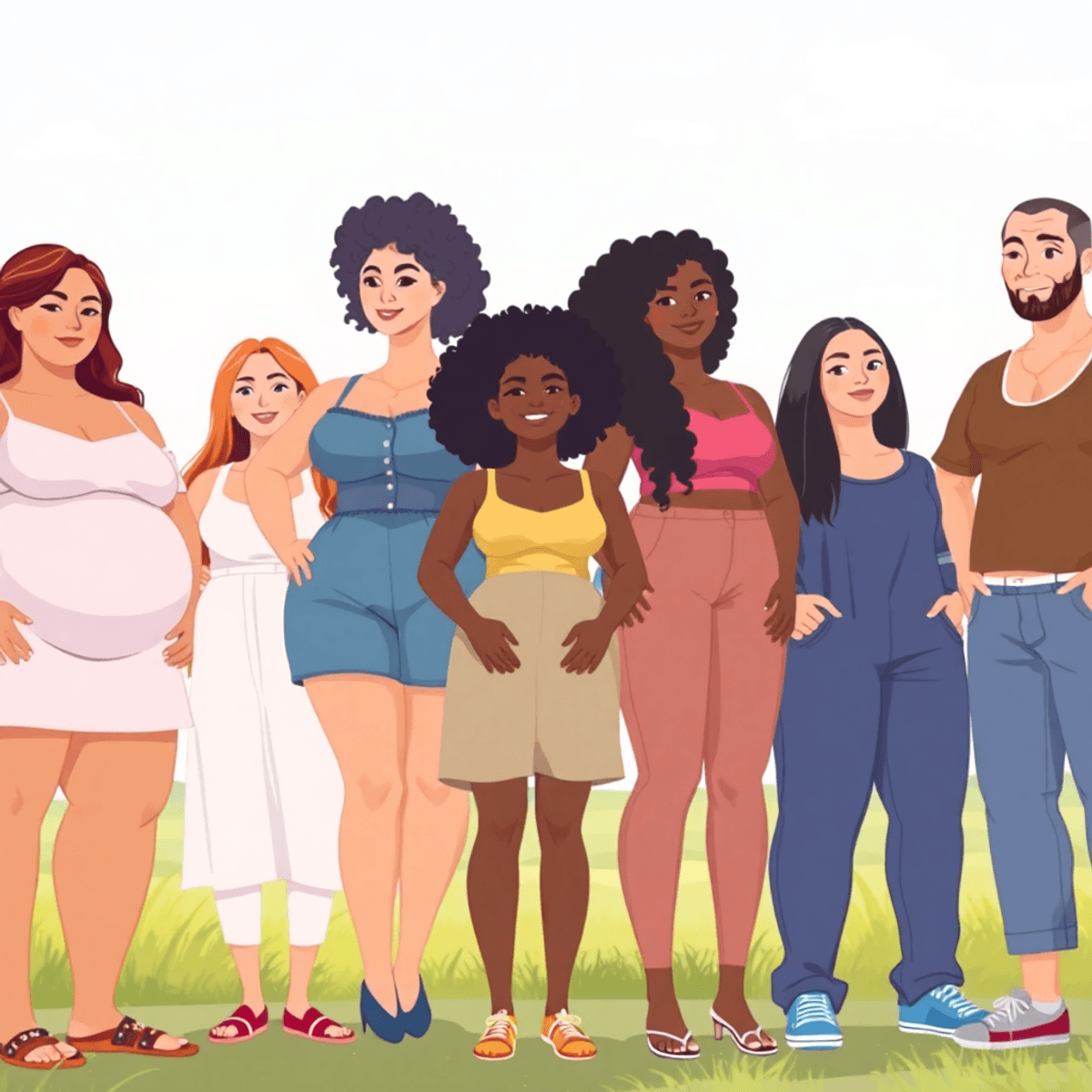
Body positivity started as a social justice movement aimed at reclaiming worth and dignity for marginalized bodies. It challenged mainstream beauty ideals by affirming that all bodies deserve respect and love, regardless of size, shape, color, or ability. This movement, rooted in activism from the late 20th century, sought to dismantle shame and discrimination based on appearance.
However, body liberation is a more radical evolution of body positivity. It goes beyond simply encouraging self-love to question and resist the systems that enforce narrow beauty standards and oppress bodies. This concept emphasizes bodily autonomy, freedom from societal constraints, and inclusivity across all identities, genders, sizes, and abilities.
The relevance of body positivity and body liberation has grown exponentially in the context of 2026 shoots—photography sessions that reflect contemporary values around identity, inclusion, and authenticity. Visual storytelling through photography now plays a critical role in how bodies are represented. Inclusive photography embraces diversity not only in appearance but also in agency, consent, and expression.
In exploring why body positivity is not enough, it becomes clear that body liberation offers a necessary framework for photographers, subjects, and audiences alike to engage with images that honor complexity rather than conformity. This shift impacts everything from the planning of shoots to the way stories are told visually in 2026's evolving cultural landscape.
For instance, 20 stunning ideas for plus-size boudoir photoshoots show how body positivity can be celebrated through photography. Moreover, understanding the power of art in photography allows us to appreciate how visual representation can challenge societal norms.
Additionally, engaging in pre-session self-care rituals can empower individuals before they step in front of the camera. It's also crucial to explore various styles and themes in boudoir photography which can further express body liberation.
Finally, we must remember the importance of consent and safe space creation within these shoots. Such elements are essential not just for comfort but also for fostering an environment where body liberation can truly flourish.
The Evolution of Body Positivity
The history of body positivity dates back to the late 1960s, emerging from social justice movements aimed at challenging the prevailing narratives surrounding marginalized bodies. Initially, the movement emphasized radical acceptance of all body types, especially those often excluded from mainstream media and culture—such as people of color, fat bodies, disabled individuals, and other marginalized groups. The objective was not merely aesthetic acceptance but also dismantling systemic oppression linked to body image.
The Impact of Social Media
The explosion of social media around 2012 transformed body positivity into a widely recognized cultural phenomenon. Influencer culture played a pivotal role in this transition. What started as a grassroots activist movement gradually morphed into a commercialized industry. Major brands and advertisers co-opted the language of body positivity to sell products, often focusing on celebrating specific “acceptable” body types rather than promoting true diversity or systemic change.
Challenges Faced by the Movement
This commercialization brought about several challenges:
- Narrowed definitions of beauty: While broader than traditional standards, many campaigns still favored conventionally attractive bodies with minor variations.
- Toxic positivity: A pressure emerged to always love your body unconditionally and at every moment. This expectation ignored complex emotions like frustration, grief, or dissatisfaction that can coexist with self-acceptance.
- Exclusion through appearance-centric focus: By centering mainly on how bodies look rather than autonomy or health equity, the movement sometimes sidelined deeper issues affecting bodily freedom and justice.
The rise of curated online personas amplified these pressures further. Influencers often present polished versions of their journeys toward self-love, which can create unrealistic expectations for followers trying to embody similar ideals. Social media algorithms prioritize positive affirmations and aspirational imagery but rarely highlight the nuanced reality of living in an imperfect relationship with one’s body.
Moving Beyond Body Positivity
In this context, the original intent behind body positivity risks dilution by commodification and performative optimism. Recognizing these limitations opens space for more radical frameworks like body neutrality—focusing not just on acceptance but on dismantling oppressive systems shaping our experiences with our bodies.
As we move towards 2026, simply loving your body is no longer sufficient within contemporary visual storytelling and photoshoot practices. This evolution sets the stage for a more comprehensive exploration into areas such as boudoir photography, which aims to create a luxurious and empowering experience for individuals while also addressing legal and ethical considerations involved in such intimate visual storytelling.
Moreover, [black and white imagery](<https: data-preserve-html-node="true"//www.misfitslikeme.com/st-louis-erotic-and-boudoir-photography/category/Black+and+White+Imagery+in+Visual+Storytelling>) can serve as a powerful tool in this narrative shift, providing a stark contrast that emphasizes the
Limitations of Body Positivity in Contemporary Contexts
Body positivity has undeniably sparked important conversations about appearance-based oppression, yet it often remains trapped within the confines of how bodies look rather than addressing deeper issues of autonomy or systemic inequality. This fixation on external appearance can reduce empowerment to a superficial love for one’s body, ignoring the complex realities faced by those marginalized due to race, disability, gender identity, or economic status.
Appearance over Autonomy
The movement frequently centers on accepting visible traits—size, shape, skin tone—as the main criteria for inclusion. Autonomy over one’s body and choices gets sidelined; issues like reproductive rights, healthcare access, and freedom from coercion rarely receive attention within mainstream body positivity narratives. This narrow focus risks reinforcing the idea that worth is still tied primarily to physical presentation rather than lived experience or self-determination. In fact, the pressure to conform to certain beauty standards can sometimes lead individuals to consider drastic measures such as plastic surgery which often seems very antifeminist and counterproductive to the essence of body positivity.
Commercialization Diluting Activist Intent
Social media platforms and influencer culture have propelled body positivity into the spotlight but simultaneously fueled its commercialization. Brands capitalize on the trend by promoting selective images of “diverse” bodies that fit marketable aesthetics while leaving structural change unchallenged. This phenomenon causes:
- The original radical intent—to dismantle oppressive beauty norms—to become overshadowed by selling products under the guise of empowerment.
- An endless cycle where influencers are rewarded for conforming to new beauty standards that celebrate only certain types of "acceptable" difference.
- A sanitized version of body acceptance that excludes many who do not fit these commercial ideals.
Unrealistic and Exclusionary Expectations
The demand to love your body all the time can create emotional pressure rather than relief. It neglects the reality that relationships with our bodies fluctuate due to health, trauma, mood, and social context. For some people:
- Constant positivity feels performative or invalidating when they experience pain, dysphoria, or dissatisfaction.
- The pressure to maintain a positive self-image at every moment may silence struggles and perpetuate stigma around negative feelings.
- Those whose identities or conditions fall outside popular narratives—such as chronic illness or non-binary genders—might find themselves excluded from dominant body positivity spaces.
This insistence on relentless self-love risks becoming another form of appearance-based oppression under a different name. It suggests there is a "right way" to feel about yourself rather than honoring authentic experiences with complexity and nuance.
Broader Perspectives: Boudoir Photography as Empowerment
While contemporary body positivity often focuses on superficial aspects, there are alternative avenues for self-expression and acceptance such as boudoir photography. This form of photography is not necessarily about sexualization but rather serves as an empowering art that captures confidence and sensuality tailored to one's unique comfort level.
Furthermore, it's crucial to consider [cultural sensitivity in modern
Introducing Body Liberation: A Necessary Shift
Body liberation takes the conversation started by body positivity to a deeper level. Instead of just accepting bodies as they are, it challenges the societal norms and oppressive systems that dictate how bodies should look, act, and be valued.
While body positivity often focuses on fostering love for one’s appearance, body liberation insists on freedom — freedom from restrictive beauty ideals, systemic discrimination, and cultural policing of bodies.
Key elements of body liberation include:
- Autonomy over your own body: This means reclaiming control not just over appearance but over choices related to health, expression, sexuality, and visibility. It recognizes that true acceptance comes from respecting individual agency rather than prescribing what is acceptable or lovable.
- Breaking narrow beauty standards: Liberation seeks to dismantle rigid norms based on size, shape, color, ability, gender expression, or age. It challenges industries and cultural narratives that promote homogenized ideals and exclude vast swaths of humanity.
- Radical inclusivity: Unlike earlier movements that sometimes centered predominantly on specific marginalized groups or certain identities, body liberation explicitly embraces all genders, sexual orientations, races, abilities, and neurodiversities. It rejects tokenism and strives for genuine representation across all intersections.
Body liberation acknowledges that systemic forces — including capitalism, racism, ableism, transphobia, and fatphobia — shape experiences of embodiment. Changing personal attitudes toward your body is necessary but insufficient without addressing these larger structures.
The movement calls for:
- Policy changes that protect bodily rights
- Media accountability in portraying diverse bodies authentically
- Community support networks fostering safety and empowerment
In visual storytelling and photoshoots for 2026, embracing body liberation means creating spaces where models are not simply subjects of aesthetic admiration but active participants asserting their autonomy. This approach values consent deeply—not just as a checkbox but as an ongoing practice honoring comfort levels and boundaries.
Photographers working within this framework commit to:
- Collaborating with diverse clients free from stereotyping
- Challenging traditional beauty hierarchies in casting and presentation
- Facilitating environments where all expressions of identity feel safe and celebrated
By shifting from body positivity to body liberation, you engage with a transformative model that aligns artistic practice with social justice goals. This evolution responds directly to the limitations of commercialization and superficial acceptance by confronting root causes of exclusion and harm.
The phrase 'Body Positivity' Is Not Enough—The Case for Body Liberation in 2026 Shoots encapsulates why this shift is urgent: it pushes creators and audiences alike to rethink what it means to honor the human form in its fullest complexity — beyond aesthetics into the realm of dignity, respect, and freedom.
Internal Dimensions of Body Liberation
Body liberation is about more than just accepting your body on the surface. It involves understanding and accepting the complex emotions that come with your relationship to your body. This means acknowledging that your feelings about your body aren't always positive or straightforward. It's possible to feel frustrated, sad, or uncomfortable at times without letting those emotions turn into shame or self-criticism.
Cultivating Self-Acceptance
To cultivate self-acceptance within this framework, you can:
- Be honest about your negative feelings instead of trying to ignore them.
- Avoid harmful reactions like blaming yourself or internalizing stigma.
- Allow yourself to be vulnerable as part of forming a genuine connection with your body.
This approach encourages a flexible relationship with your body—one that honors both its strengths and its imperfections. Your body is not merely an object for visual appreciation; it is a living, functioning entity with needs, sensations, and limits. Respecting this means valuing what your body allows you to do, how it carries you through life, and how it exists beyond aesthetic judgments.
Deepening Your Understanding
Here are some points to consider in order to deepen this internal dimension:
- Understand that bodies change over time due to age, health, and life experiences.
- Celebrate bodily functions such as movement, healing, and endurance.
- Recognize that disliking certain aspects does not negate overall respect for your physical self.
- Practice mindfulness techniques that connect you to bodily sensations beyond appearance.
By fostering this nuanced self-awareness, you build resilience against societal pressures that demand constant positivity or perfection. Instead of forcing yourself into a narrow mold of “loving your body” all the time, you create room for authentic engagement—embracing the full spectrum of emotions related to embodiment.
This internal work lays the foundation for external expressions of body liberation in spaces like photography shoots, where autonomy and respect are critical.
External Dimensions of Body Liberation in Photography Shoots
Creating a truly radical inclusive environment in photography shoots means more than just diverse representation. It requires intentional cultivation of safe spaces where clients from LGBTQIA+ communities, kink circles, and other marginalized groups feel respected and valued. Studios like mIsFiTs Like ME exemplify this approach by:
- Welcoming all genders, identities, and expressions with no judgment or exclusion.
- Prioritizing client comfort through thorough boundary-setting conversations before and during sessions.
- Providing options for clients to adjust their comfort level freely at any point without pressure or consequence.
Respecting privacy is crucial in these settings. mIsFiTs Like ME enforces strict confidentiality protocols to protect client identities and personal information. This commitment extends beyond photo sessions to how images are stored, shared, and used — ensuring that clients maintain control over their representation.
Ethical photography practices anchor these principles in legal compliance. The studio rigorously adheres to 18 U.S. Code § 2257, which mandates record-keeping requirements for adult content production. This compliance not only safeguards the studio but also protects clients by affirming that all participants meet age requirements and consent standards.
Client autonomy remains central throughout each session:
- Clients can set limits on poses, clothing, props, and interactions.
- Requests that compromise well-being or safety are respectfully declined.
- No pressure exists to perform beyond personal boundaries; openness is embraced but never enforced.
- First-time clients are supported with an on-site studio assistant to enhance comfort and professional oversight.
This framework shifts the focus away from traditional top-down dynamics seen in many photoshoots. Instead of photographer-led control, it fosters collaboration where clients actively co-create their experience. Such empowerment aligns with body liberation’s external dimension—transforming visual storytelling into a practice of mutual respect and shared ownership.
By weaving radical inclusivity, privacy safeguards, legal rigor, and client-centered autonomy into every aspect of the shoot, studios like mIsFiTs Like ME redefine what it means to photograph bodies in 2026. They push beyond surface-level acceptance toward a holistic model that honors each person’s right to exist safely, authentically, and unapologetically in front of the camera.
Tailoring Your Boudoir Session for Comfort and Impact
One of the key aspects of ensuring client comfort is tailoring the boudoir session specifically for each individual. At mIsFiTs Like ME, we understand that every client has unique needs and preferences. This understanding allows us to tailor your boudoir session for maximum impact and comfort, empowering clients to express themselves freely while feeling safe.
The Therapeutic Benefits of Photography
In addition to providing a platform for self-expression, photography also offers therapeutic benefits that can aid in emotional healing and self-acceptance. By embracing one's body through the lens of a camera, individuals often find a sense of liberation and empowerment.
Emotional Preparation for a Successful Shoot
To ensure a successful shoot, emotional preparation is essential. This includes setting intentions for the session, practicing self-care techniques beforehand, and cultivating a positive mindset. By addressing any emotional barriers or insecurities prior to the shoot, clients can fully engage in the experience and capture authentic moments of self-love.
Differentiating Erotic Art Photography from Pornography in Body Liberation Contexts
Understanding the distinction between erotic art photography and pornography is essential within the framework of Body Positivity Is Not Enough—The Case for Body Liberation in 2026 Shoots*. These two genres serve vastly different purposes, aesthetics, and impacts on those involved.
Erotic Art Photography: Empowerment Through Artistic Sensuality
Erotic art photography centers on celebrating sensuality as an artistic expression, not as mere objectification or explicit sexual content.
- It highlights the subject’s agency, allowing individuals to explore and express their sensuality in ways that feel authentic and empowering. This is a key aspect of Empowerment Through Boudoir Photography.
- The focus is on composition, light, shadow, emotion, and the beauty of human form without reducing subjects to stereotypes or purely sexual objects.
- This genre invites a nuanced appreciation of desire, intimacy, and vulnerability while respecting individual boundaries.
- Subjects remain collaborators in the creative process, influencing how their bodies and identities are portrayed with dignity.
"Erotic art photography empowers by transforming sensuality into an art form rather than commodifying it."
Pornography: Different Intentions and Dynamics
Pornography primarily serves as explicit visual content designed for sexual arousal and consumption.
- It often prioritizes immediate gratification over artistic intent or subject autonomy.
- The line between pornography and erotic art can blur visually but differs fundamentally in intent, consent dynamics, and narrative.
- Clients participating in erotic art shoots seek empowerment and self-expression, not performance for external audiences’ voyeuristic pleasure.
Importance of Genre Distinctions to Respect Identities
Clear distinctions help maintain respect for clients’ lived experiences and identities during photoshoots.
- Misclassifying erotic art as pornography risks undermining clients’ sense of agency by associating their work with exploitative practices. Studios like mIsFiTs Like ME emphasize this separation through ethical guidelines such as Professional Ethics in Photography that prioritize comfort and consent during sessions.
- Understanding these differences supports a safe environment where subjects feel valued beyond physical appearance or sexual appeal.
Embracing Complexity in Visual Storytelling
Erotic art photography challenges traditional narratives about sexuality by presenting a broader spectrum of identities and expressions.
- It fosters dialogue on topics such as body autonomy**, queer desire, **kink positivity, and intersectional inclusivity without succumbing to commercialized or exploitative imagery.
- Acknowledging genre distinctions enriches body liberation efforts by affirming that empowerment arises from respect for personal stories rather than commodification. This perspective also contributes to demystifying stigma around sex workers, promoting a more inclusive society.
Conclusion
Boudoir photography is a deeply intimate and empowering way to explore identity through artistic intimacy. It creates a space where you can show vulnerability while still respecting personal boundaries. This is why boudoir shoots intentionally avoid using BDSM items, focusing instead on comfort and consent to build trust between the subject and photographer.
Artistic nude photography shifts the focus from sexualization to celebrating aesthetic beauty and human vulnerability. Through careful use of light, shadow, and composition, it invites reflection on the grace of the human form while encouraging you to see your body beyond societal expectations or objectification.
Both boudoir and artistic nude genres serve as powerful platforms that foster meaningful dialogue about:
- Self-acceptance: Embracing imperfections and complexity without pressure to conform.
- Interconnectedness: Recognizing shared experiences across diverse bodies, identities, and expressions.
- Identity exploration: Using visual storytelling to uncover layers of selfhood beyond surface appearance.
These photographic practices embody the shift from traditional body positivity toward true body liberation in 2026 shoots—one that values autonomy, radical inclusivity, and honest representation. They remind you that your body is not just an image to be loved unconditionally but a living, evolving part of your identity deserving respect on every level.
The inclusive studio experience offered by certain photographers also plays a crucial role in this journey. With a focus on plus size boudoir or queer friendly boudoir photography, these sessions create a safe space for all bodies and identities. Moreover, integrating elements like music curation and technology into the shoot can further enhance the experience, making it not just a photoshoot but a holistic journey of self-exploration and acceptance.
FAQs (Frequently Asked Questions)
What is the difference between body positivity and body liberation in the context of 2026 photoshoots?
Body positivity originated as a social justice movement focusing on acceptance of marginalized bodies but has evolved into a commercialized culture often centered on appearance. Body liberation, however, is a more radical evolution that challenges societal norms and oppressive systems, emphasizing bodily autonomy, inclusivity for all genders, identities, sizes, and abilities, and systemic change—making it especially relevant for inclusive 2026 photoshoots and visual storytelling.
How has the commercialization of body positivity impacted its original activist intentions?
Since around 2012, social media and influencer culture have shifted body positivity towards commercialized beauty standards. This commercialization often dilutes the movement's original activist goals by promoting superficial love focused on appearance rather than fostering autonomy or addressing systemic oppression, leading to issues like toxic positivity and unrealistic expectations about constant self-love.
Why is loving one’s body all the time considered unrealistic and exclusionary within body positivity movements?
The emphasis on always loving one's body can be toxic because it ignores the emotional complexity individuals experience. It can exclude those who struggle with negative feelings or bodily dissatisfaction by implying that such feelings are unacceptable. A nuanced approach acknowledges these emotions without harmful reactions, promoting a flexible relationship with one's body that respects functionality beyond aesthetics.
How do photography shoots like those by mIsFiTs Like ME embody the principles of body liberation?
These shoots prioritize radical inclusivity by creating safe spaces that welcome LGBTQIA+ communities and kink groups with respect for personal boundaries and comfort. They adhere to ethical photography practices including legal compliance (such as 18 U.S. Code § 2257), prioritize client autonomy during sessions, and foster environments where subjects can express their identities freely—exemplifying external dimensions of body liberation in visual art.
What distinguishes erotic art photography from pornography in the context of body liberation?
Erotic art photography empowers subjects by artistically celebrating sensuality without objectification. It focuses on aesthetic expression and respects clients' identities and experiences, contrasting with pornography which often centers on explicit content for sexual gratification. Understanding these genre distinctions is crucial to respecting empowerment goals within body liberation contexts.
How do boudoir and artistic nude photography contribute to discussions on self-acceptance and identity exploration?
Boudoir photography offers an intimate, empowering space for exploring identity through artistic intimacy while respecting boundaries, such as avoiding BDSM items when not appropriate. Artistic nude photography emphasizes aesthetic beauty and vulnerability rather than sexualization. Both genres foster dialogue on self-acceptance and interconnectedness by highlighting personal narratives through visual storytelling aligned with body liberation principles.