Boudoir for Bodies with Disabilities: Accessibility Hacks Most Studios Miss
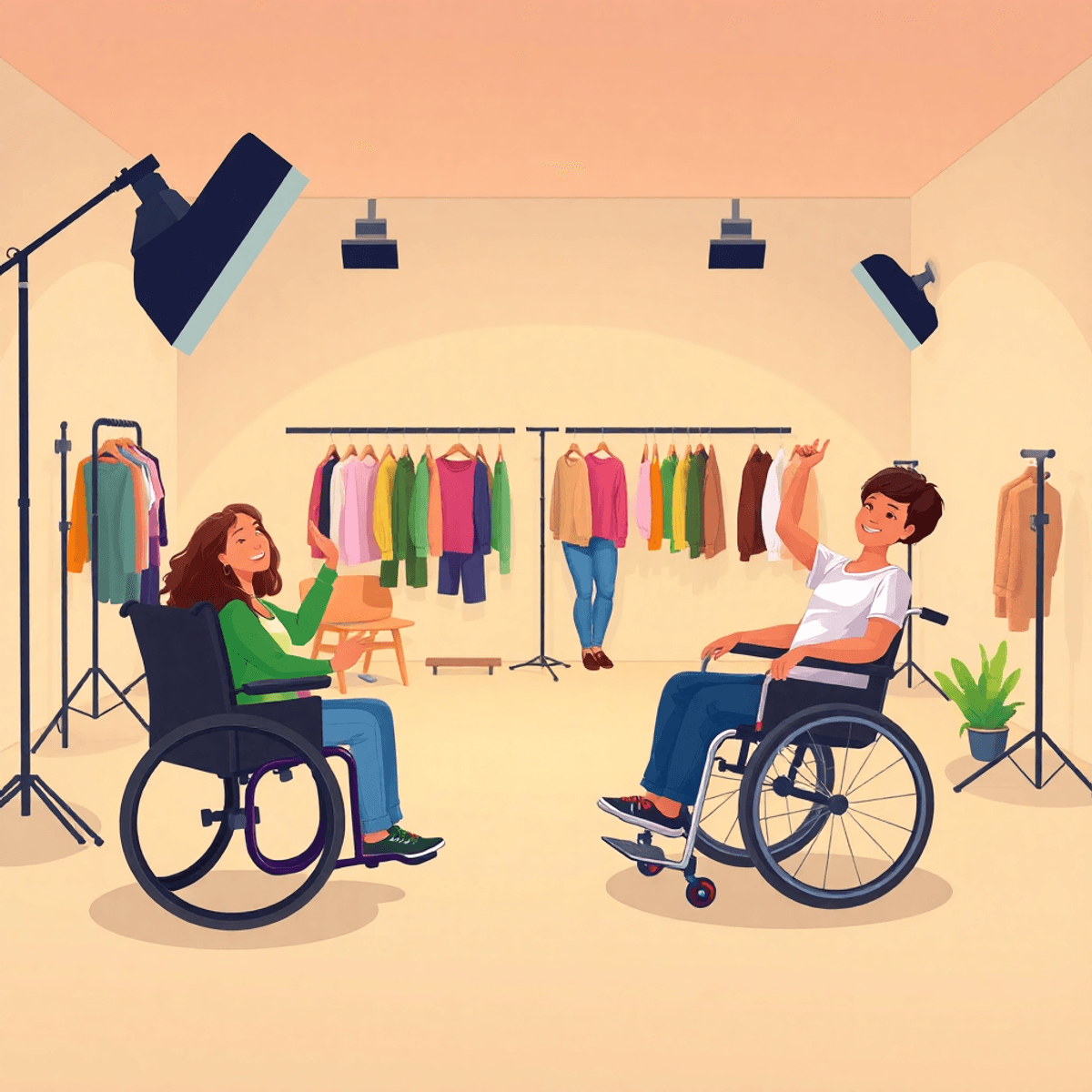
Boudoir photography is an intimate art form celebrating sensuality, confidence, and self-expression through carefully crafted portraits. Traditionally, it focuses on evoking beauty and allure, often using lingerie or minimal clothing to highlight the subject’s personality and form. The purpose goes beyond aesthetics—it aims to empower individuals by capturing vulnerability and strength in a safe, supportive environment.
However, disabled bodies frequently face exclusion in traditional boudoir photography. Many studios lack the awareness or resources to accommodate diverse physical needs, leading to inaccessible spaces, limited pose options, and uninformed assumptions about what constitutes beauty. This exclusion creates barriers that prevent disabled clients from experiencing the transformative power of boudoir sessions.
Inclusivity and empowerment for disabled clients are essential components of modern boudoir photography. When studios embrace accessible practices, they open doors for all bodies to be celebrated authentically. Disabled individuals deserve representation that respects their identity and challenges narrow beauty standards.
Common accessibility challenges most studios overlook include:
- Lack of physical access such as ramps or adjustable furniture
- Insufficient communication regarding client preferences and comfort
- Limited wardrobe options that fail to consider adaptive clothing needs
- Sensory environment issues like strong scents or noisy waiting areas
- Photographer biases that result in stereotypical or objectifying portrayals
Addressing these gaps requires intentional design and ongoing dialogue with clients. The following sections explore how boudoir photography can be redefined to include disabled bodies fully through practical accessibility hacks many studios miss.
Moreover, plus-size boudoir photography is another area where inclusivity can be enhanced. Studios must recognize that beauty comes in all shapes and sizes, and therefore should strive to provide a range of wardrobe options that cater to diverse body types, including plus-size clients who often face similar challenges in representation and accessibility.
Furthermore, boudoir photography isn't just about taking pictures; it has therapeutic benefits that can significantly enhance a person's self-esteem and body image. It allows individuals to see themselves through a different lens, appreciating their unique beauty and form.
In this journey towards inclusivity, it's crucial for photographers to adhere to professional ethics in their practice. This includes respecting client boundaries, ensuring their comfort during shoots, and portraying them in a manner that honors their identity and individuality.
Lastly, it is important to address societal stigmas surrounding certain aspects of boudoir photography. For instance, the stigma around sex workers often permeates into this field. However, demystifying this stigma is crucial for a more inclusive society where everyone can express their sexuality without judgment or discrimination.
Redefining Boudoir Photography for Disabled Bodies
Boudoir photography has traditionally centered around conventional notions of "sexy" aesthetics, often excluding the diversity of disabled bodies. This narrow focus limits the potential for genuine empowerment and body positivity. However, when you shift the lens toward empowerment, the experience transforms into something deeply personal and affirming.
Empowerment Over Conventional Beauty
Empowerment replaces expectation: Instead of aiming to fit a stereotypical mold, boudoir sessions should celebrate what makes each client feel powerful and authentic. This means recognizing strength and resilience as core elements of beauty.
Personalized aesthetics: You get to define what feels good to you — whether that includes lingerie, comfortable clothing, or choosing to be completely natural without garments. The choice is yours, reflecting your unique preferences and identity. This is where [tailoring your boudoir session for comfort and impact](<https: data-preserve-html-node="true"//www.misfitslikeme.com/st-louis-erotic-and-boudoir-photography/tailoring-your-boudoir-session-for-maximum-impact-and-comfort>) comes into play, allowing for stunning photography that empowers you.
Confidence building: Focusing on confidence rather than conforming to mainstream ideals allows disabled individuals to reclaim their narrative. It’s about capturing moments where you feel bold, fearless, and unapologetically yourself.
Emphasizing Strength and Authenticity
Conventional boudoir often highlights flawless skin, symmetry, or specific body types. For disabled clients, this can feel alienating or invalidating. Instead:
Spotlight physical strength, whether that’s the ability to adapt, overcome challenges, or simply exist in your own skin with pride.
Highlight confidence that comes from embracing your body’s story — scars, mobility aids, or all — as symbols of identity rather than flaws.
Identity Affirmation Through Boudoir
Boudoir photography can play a vital role in affirming identity for disabled individuals by:
Providing a space where self-expression is honored without judgment or limitation.
Allowing exploration of sensuality and intimacy on your own terms.
Challenging societal narratives that often erase or desexualize disabled bodies.
This process of affirmation fosters a deeper connection with yourself and promotes healing through visual storytelling. Your boudoir images become a testament to your unique beauty and resilience.
This redefinition invites studios to move beyond outdated standards and embrace a more inclusive, body-positive approach rooted in empowerment and personalized aesthetics. It lays the foundation for truly client-centered sessions tailored specifically to celebrate disabled bodies with dignity and respect. Such an approach not only benefits disabled individuals but also extends to [plus-size](<https: data-preserve-html-node="true"//www.misfitslikeme.com/st-louis-erotic-and-boudoir-photography/20-stunning-ideas-for-plus-size-and-curvy-boudoir-photoshoots>) clients seeking curvy boudoir photoshoots, showcasing stunning ideas from vintage glamour to outdoor settings while emphasizing body positivity and confidence. Furthermore
Personalized Consultations and Client-Centered Planning
Personalized consultations are the foundation of an accessible boudoir experience. You deserve to have your unique physical needs and personal preferences understood before the camera ever clicks. This approach respects your individuality and ensures the session embraces your comfort and expression.
Key components of effective client needs assessment include:
- Pre-session consultations: These conversations dig deep into how your body moves, what might cause discomfort, and what makes you feel confident. Such dialogue helps tailor the shoot to your abilities rather than forcing you into standard posing scripts.
- Detailed questionnaires: Carefully designed forms gather insights about your body experiences, sensitivities, and aesthetic goals. Questions might cover mobility limitations, preferred angles, clothing or lingerie choices, and emotional boundaries. This data becomes a roadmap for customizing every element of the session.
- Customizing poses and themes: Mobility varies widely among disabled bodies. A pose that feels empowering to one client could cause strain for another. By understanding your range of motion and comfort zones, the photographer can suggest poses that highlight strength, grace, or sensuality on your terms. Themes evolve accordingly—whether you want soft elegance, bold confidence, or playful intimacy.
- Building trust through open dialogue: Transparency before and during the shoot fosters trust—essential for vulnerability in boudoir photography. When you feel heard and respected in setting limits or expressing needs, it creates a safe space where authenticity thrives.
This client-centered planning flips the traditional boudoir script. Instead of expecting you to adapt to predefined standards or studio routines, it adapts entirely around you. The result is a session that honors your story visually while celebrating your agency over how that story unfolds in images.
However, it's important to keep in mind the legal and ethical considerations that come with boudoir photography. These aspects should be discussed during pre-session consultations to ensure a comfortable experience.
Additionally, incorporating elements like music into the session can significantly enhance the overall atmosphere, making it more enjoyable and relaxed for you. It's also crucial to understand the legal aspects of using images, especially when it comes to boudoir photography where personal images can be sensitive in nature.
Moreover, having a strong understanding of digital photography can greatly improve the quality of your boudoir photoshoot. This includes knowledge on various techniques and practices that can be employed to create stunning images while respecting personal boundaries and preferences.
Creating an Accessible and Inclusive Studio Environment
Designing a studio space that truly welcomes disabled clients requires more than basic compliance with accessibility laws. You need to think beyond minimum standards to create a comfortable, empowering environment that respects diverse needs. Paying attention to key physical and sensory elements can transform the entire boudoir experience.
Physical Accessibility Features
- Wheelchair Accessibility: A studio must have ramps or elevators where needed, with smooth, non-slip surfaces leading into all shooting areas. Doorways should be wide enough—at least 32 inches—to allow easy wheelchair passage without awkward maneuvering.
- Accessible Restrooms: Restrooms designed with grab bars, lowered sinks, and ample turning space make a huge difference for disabled clients. Locate restrooms close to the shooting area to minimize unnecessary travel.
- Clear Floor Plans: Avoid cluttered spaces. Keep walkways wide and free of obstacles to accommodate mobility devices like walkers or crutches.
Sensory Considerations
Many disabled individuals have heightened sensory sensitivities. Incorporate these policies:
- Scent-Free Environment: Avoid perfumes, scented cleaning products, or air fresheners that can trigger discomfort or allergic reactions.
- Quiet Waiting Areas: Provide calm spaces away from loud noises or harsh lighting, allowing clients to regulate their sensory input before the session begins.
Adaptive Furniture Options
Standard studio furniture often overlooks diverse body needs. Consider:
- Higher Weight Capacities: Chairs and seating should support a broad weight range safely and comfortably.
- Adjustable Seating: Seats with adjustable heights and backrests help clients find their optimal position without strain.
- Portable Supports: Cushions, wedges, or bolsters can enhance comfort and stability during poses.
Size-Inclusive Wardrobes With Adaptive Clothing
Wardrobes stocked with only traditional sizes exclude many potential clients. Build collections that:
- Cover a wide spectrum of body sizes and shapes.
- Include adaptive clothing, designed for easier dressing and comfort—such as garments with magnetic closures instead of buttons or stretchy fabrics accommodating medical devices.
- Offer varied styles beyond typical lingerie to honor client preference, whether it’s elegant robes, soft camisoles, or tasteful layering pieces.
Skilled Makeup Artists for Diverse Needs
Makeup artistry in boudoir goes beyond aesthetics; it’s about affirming identity. Employ artists who:
- Are experienced with a range of skin tones including vitiligo or scars common in disabled bodies.
- Understand hair textures that may require gentle handling due to sensitivity or medical conditions.
- Can adapt techniques to accommodate prosthetics or mobility aids without compromising comfort.
Creating an Inclusive Studio Experience sends an immediate message: you see the whole person, not just their disability. It lays the foundation for trust and empowerment throughout the session.
Communication and Autonomy During the Shoot
Effective ongoing communication is vital for creating a safe, empowering boudoir experience for disabled clients. The session should be shaped by continuous dialogue that honors each person’s unique needs and boundaries.
1. Regular Comfort Checks
Regular comfort checks are essential throughout the shoot. You want to ensure your client feels physically comfortable and emotionally secure at every stage. Simple questions like “How does this feel?” or “Would you like to adjust or take a break?” invite openness and trust.
2. Demonstrating Poses
When demonstrating poses, show rather than instruct rigidly. This visual approach helps clients understand the idea without pressure. Then, give them full control over their positioning. Clients often know best what feels natural and flattering for their bodies, especially when mobility differs from typical expectations.
3. Client Autonomy
Client autonomy means allowing clients to guide the session’s flow. They decide what works for them—whether that’s modifying poses, changing outfits, or pausing for rest. Avoid assumptions about what disabled bodies can or cannot do; instead, ask and listen carefully.
4. Ongoing Consent
Consent is not a one-time checklist but a continuous process. Prioritize explicit consent before every new pose or adjustment, respecting the importance of creating a safe space with clear language and without question or pressure when hesitation or refusal occurs.
5. Encouraging Self-Advocacy
Encourage clients to express their needs freely. Some may want breaks more frequently due to fatigue or pain, while others might prefer quiet moments to process emotions during the session. Normalizing these requests empowers clients to advocate for themselves confidently.
“I felt seen when my photographer asked if I needed a break instead of just pushing through.”
This kind of feedback exemplifies how respect for autonomy enhances the entire boudoir experience.
Communication strategies tailored to disabled clients can also include:
- Using simple yes/no signals for those with limited speech or mobility.
- Offering written or visual aids if verbal communication is challenging.
- Being attentive to nonverbal cues like facial expressions or body tension as indicators of discomfort.
Your role as a photographer includes being responsive and flexible in real time, adapting your approach based on client feedback rather than following a fixed script.
Empowering clients through ongoing communication and honoring their autonomy transforms boudoir photography into an affirming space where they feel truly in control of how they are seen and celebrated.
Managing Emotional Well-being After a Boudoir Shoot
Boudoir photography can bring up a wide range of emotions, especially for disabled clients who may have deeply rooted negative beliefs about themselves. It's important to anticipate reveal anxiety—the stress or discomfort that comes with seeing one's photos for the first time—in order to support emotional well-being after the session. This is where emotional preparation becomes crucial.
Preparing Clients for Emotional Reactions
- Explain beforehand that feelings of vulnerability or surprise upon viewing photos are common.
- Normalize a range of responses, from joy to uncertainty.
- Emphasize that these reactions do not reflect the quality of the work but rather personal emotional processing.
Offering Supportive Frameworks Through Positive Reframing
Incorporating techniques such as positive visual reframing can significantly aid in this process.
- Guide clients to focus on strengths captured in their images, such as confidence, resilience, or unique beauty.
- Highlight how boudoir photography celebrates identity beyond conventional standards.
- Encourage seeing the photos as affirmations of empowerment rather than critiques of appearance.
"These photos tell your story—one of strength and authenticity—not just what you look like."
Encouraging Dialogue About Self-Worth Beyond Physical Appearance
- Invite conversations that explore qualities unrelated to physical traits: courage, personality, creativity.
- Discuss how self-worth is multifaceted and not confined to visual representation.
- Reinforce the importance of internal validation over external approval.
Avoiding Triggering Language or Imagery
- Use affirming, neutral language free from judgment or stereotypes about disability and beauty.
- Steer clear of imagery or captions that might reinforce stigma or pity narratives.
- Be attentive to individual sensitivities and tailor communication accordingly.
Addressing emotional well-being after the shoot strengthens client trust and deepens the transformative impact of boudoir photography. This approach aligns closely with respecting autonomy during sessions and paves the way for authentic representations free from bias. Incorporating [Black and White imagery in visual storytelling](<https: data-preserve-html-node="true"//www.misfitslikeme.com/st-louis-erotic-and-boudoir-photography/category/Black+and+White+Imagery+in+Visual+Storytelling>) can also serve as a powerful tool in this process, allowing for a more profound exploration of identity and self-perception.
Challenging Photographer Biases for Authentic Representation
Photographers have a significant influence on how disabled bodies are portrayed in boudoir photography. It is crucial to recognize and address implicit bias in order to promote respectful and empowering representations. Implicit biases are unconscious attitudes or stereotypes that can shape creative decisions and interactions without the artist's awareness. These biases often arise from societal narratives that depict disability in limited or negative ways.
Confronting Assumptions About Disability and Ability
- Reflect on personal beliefs about disability before engaging with clients.
- Question stereotypes related to physical ability, beauty, and sensuality.
- Avoid assumptions about what clients want or need based on visible differences.
- Understand that each disabled individual has a unique relationship with their body and identity.
This self-awareness prepares photographers to approach sessions with empathy rather than preconceived notions, creating space for authentic expression.
Commitment to Ongoing Diversity and Inclusivity Education
Boudoir photographers should actively seek resources and training dedicated to inclusivity. Participating in workshops focused on disability culture, accessibility, and intersectionality sharpens sensitivity and skill. This education supports:
- Learning respectful language around disability.
- Understanding the spectrum of experiences within disabled communities.
- Expanding creative approaches to accommodate diverse bodies and stories.
Inclusivity training moves beyond token representation; it encourages genuine connection and understanding between photographer and client.
Rejecting Pity-Based or Fetishized Portrayals
Mainstream media frequently presents disabled bodies either as objects of pity or fetishization. Both approaches strip individuals of agency and reduce them to stereotypes. Photographers must consciously avoid:
- Staging images that evoke sympathy rather than strength.
- Exploiting disability features for shock value or exoticism.
- Reinforcing harmful tropes that depict disabled people as lesser or hyper-sexualized.
Instead, focus on capturing real moments of confidence, sensuality, and vulnerability that resonate with the client's own narrative.
Striving for Empowerment Through Authentic Representation
Authentic boudoir photography celebrates the client's individuality without masking their physical reality. Empowerment emerges when images reflect:
- The client's self-defined beauty standards.
- Expressions of strength unique to their body's form and function.
- A collaborative creative process where clients guide how they are seen.
This approach transforms boudoir into a powerful tool for identity affirmation. It challenges societal norms by expanding definitions of desirability to include all bodies.
Challenging photographer biases requires humility, intentional learning, and a commitment to respectful representation. These efforts deepen the impact of Boudoir for Disabled Bodies: Accessibility Hacks Most Studios Miss by ensuring imagery uplifts rather than marginalizes.
To further enhance the boudoir experience for disabled bodies, it's crucial to explore various styles in boudoir photography while also considering helpful tips that can make the sessions more comfortable and empowering. Additionally, we should strive towards [creating a luxurious and empowering boudoir experience](<https: data-preserve-html-node="true"//www.misfitslikeme.com/st-l>
Practical Accessibility Hacks Most Studios Miss
Many studios focus on broad accessibility features but miss smaller, impactful adjustments that directly enhance the experience for disabled clients. These overlooked accessibility hacks can transform a session from challenging to comfortable.
Examples of commonly missed studio adjustments:
- Adjustable lighting controls reachable from a seated position: Many studios rely on wall switches or overhead controls placed too high for wheelchair users or clients with limited reach. Installing remote-controlled or voice-activated lighting systems allows clients or photographers to fine-tune ambiance without strain.
- Quiet waiting areas for sensory regulation: Sensory sensitivities are common among disabled individuals. Waiting rooms filled with loud noises, bright lights, or crowded spaces can cause distress. Designated quiet zones with soft lighting, minimal noise, and comfortable seating offer calming environments before sessions start.
- Flexible furniture arrangements: Lightweight, movable chairs and adjustable-height tables accommodate various mobility devices and postures. Furniture with wheels or easy repositioning supports clients who may need to transfer or shift positions repeatedly.
Incorporating client feedback loops to continuously improve accessibility measures ensures responsiveness to real needs rather than assumptions. Methods include:
- Post-session surveys focused on accessibility experiences.
- Informal check-ins during consultations about studio environment comfort.
- Open invitation for suggestions on improving physical space or session protocols.
This iterative feedback process builds trust and signals genuine commitment to inclusion beyond token gestures.
Technology aids facilitating smoother sessions:
- Voice commands integrated with smart devices enable hands-free control over music, lighting, or camera equipment.
- Tablet apps customized for communication preferences can assist clients with speech difficulties in expressing pose preferences or comfort levels.
- Digital scheduling tools allowing detailed input on individual accessibility needs help planners allocate appropriate resources ahead of time.
These practical elements reduce barriers while enhancing autonomy and client-centeredness during shoots.
Implementing these often-overlooked studio improvements proves critical in creating truly accessible boudoir photography experiences. They demonstrate respect not only for physical access but also for sensory comfort and personal agency — aspects many studios neglect yet profoundly impact client empowerment.
Conclusion
Boudoir photography has a special ability to change how you view yourself—especially when it goes beyond traditional standards that often leave out disabled bodies. It becomes more than just an art form; it is a way to express yourself and gain confidence through art that captures self-assurance and sensuality tailored to your unique comfort level. When boudoir spaces are inclusive, they allow disabled individuals to celebrate their strength, beauty, and identity on their own terms.
This shift requires action from studios dedicated to creating welcoming environments. Making accessibility improvements and putting the needs of clients first goes beyond just following rules. It shows a commitment to complete inclusivity and respect—values that honor every person's story and potential.
If you are a photographer or studio owner, think about how these practices can transform your work:
- Focus on genuine representation that uplifts rather than objectifies.
- Involve clients in shaping their experience, ensuring comfort and independence.
- Continuously enhance accessibility features, guided by client feedback.
- Educate yourself and your team about the diverse needs of disabled clients.
The future of boudoir lies in its ability to be truly inclusive—where every person feels seen, valued, and empowered. Boudoir for Disabled Bodies: Accessibility Hacks Most Studios Miss isn’t just a call for change; it’s an invitation to redefine what beauty and empowerment look like in the art of boudoir photography.
FAQs (Frequently Asked Questions)
What is boudoir photography and why are disabled bodies often excluded?
Boudoir photography is a style focused on intimate, personal portraits that celebrate individual beauty and confidence. Traditionally, disabled bodies are often excluded due to studio accessibility challenges and narrow beauty standards, which overlooks the importance of inclusivity and empowerment for disabled clients.
How does redefining boudoir photography empower disabled individuals?
Redefining boudoir photography shifts the focus from conventional 'sexy' aesthetics to empowerment and body positivity. It allows disabled clients to define what makes them feel good—whether that's lingerie, clothing, or none—emphasizing strength, confidence, and identity affirmation beyond stereotypical beauty standards.
What role do personalized consultations play in accessible boudoir sessions?
Personalized consultations are essential to assess each client's unique physical needs and aesthetic goals. Through detailed questionnaires and open dialogue, photographers can tailor poses, themes, and session plans based on individual mobility and comfort levels, building trust and ensuring a client-centered experience.
How can studios create an accessible and inclusive environment for disabled clients?
Studios can enhance accessibility by incorporating features like wheelchair ramps, wide doorways, scent-free policies for sensory sensitivities, size-inclusive wardrobes including adaptive clothing options, furniture with higher weight capacities and adjustable seating, as well as makeup artists skilled in diverse skin tones and hair textures relevant to disabled clients.
What practices support client autonomy and comfort during boudoir shoots?
Maintaining ongoing communication through comfort checks ensures clients' boundaries are respected. Demonstrating poses while allowing clients full control over their positioning prioritizes consent without pressure. Encouraging clients to express their needs or request breaks freely fosters a safe and empowering atmosphere.
How can photographers address biases to authentically represent disabled bodies in boudoir photography?
Photographers should recognize and challenge implicit biases by engaging in inclusivity training and ongoing education about diversity. Avoiding pity-based or fetishized portrayals common in mainstream media helps create authentic representations that empower disabled individuals rather than objectify them.