How to Ask for Authentic Imagery—Even If You’re Shy or Introverted
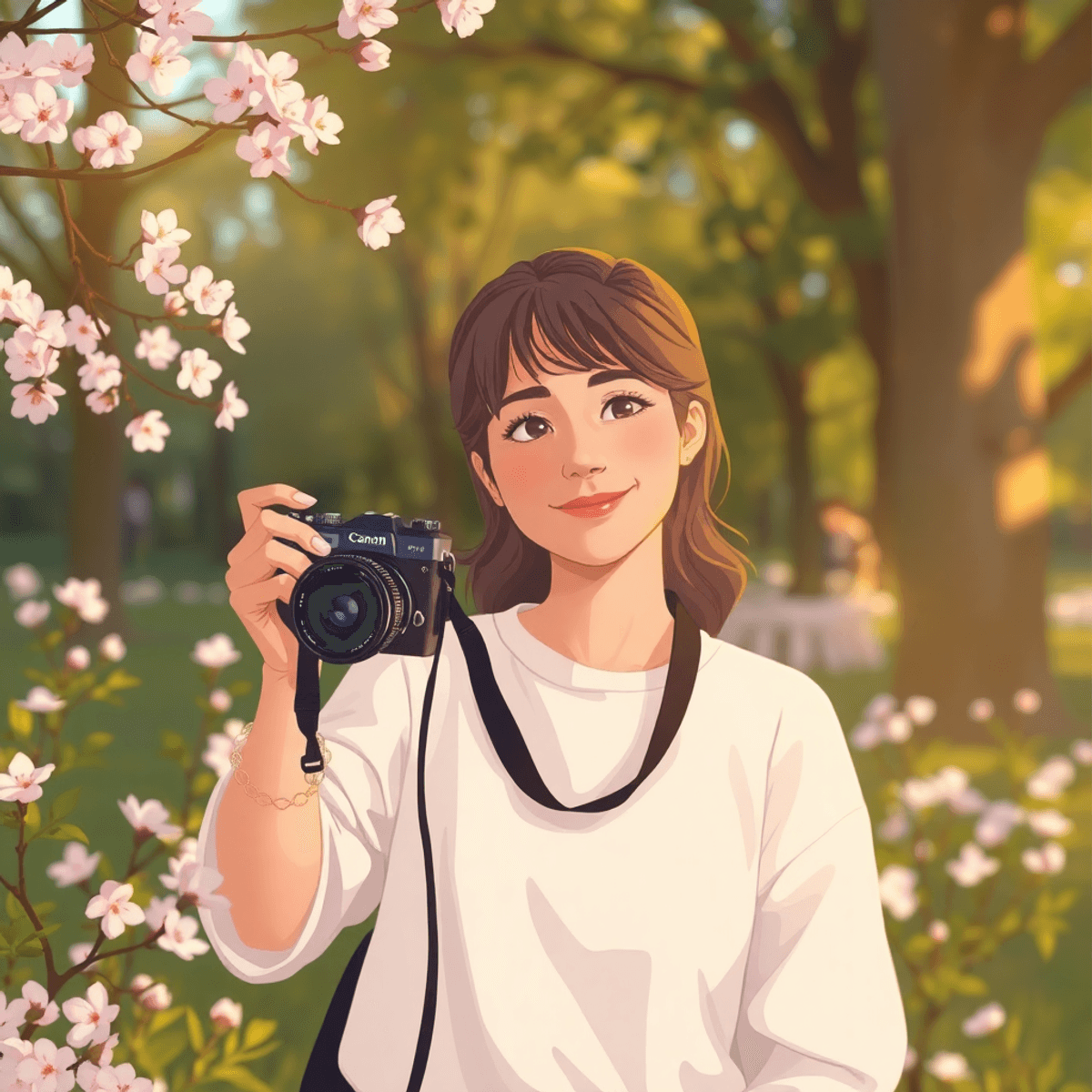
Authentic imagery captures more than just a moment; it reveals genuine emotions, unguarded expressions, and the true essence of a person or scene. This kind of photography resonates deeply because it reflects reality without pretense or artificial posing. Authentic images tell stories that connect viewers to real experiences, making them invaluable in creative projects, personal memories, and professional portfolios alike.
For many shy photographers and introverted subjects, asking for authentic photos can feel daunting. Approaching someone to request their image often triggers anxiety—fear of rejection, discomfort in initiating conversations, or worries about being the center of attention can hold you back. These challenges are natural but need not stop you from capturing meaningful visuals.
This guide will help you navigate those feelings with practical strategies. You’ll learn how to approach subjects with confidence even if social interactions aren’t your strength. Techniques such as crafting simple introductions, leveraging your listening skills, and creating safe spaces for shoots can ease the process.
Embracing your unique approach as a shy photographer will open doors to authentic imagery that truly reflects your vision. This may include exploring inclusive practices in photography which can significantly enhance the comfort level of your subjects. Implementing helpful tips can also streamline the process of capturing those coveted authentic images.
Moreover, understanding the power of art in photography can provide you with a different perspective on your work. Whether you're delving into areas like music curation and technology, or striving to create an inclusive studio experience, remember that each step taken in this journey is a valuable part of your growth as a photographer.
Understanding Authentic Imagery and Its Value
Authentic imagery goes beyond simply capturing a pretty picture. It reflects a genuine connection between the photographer and the subject, revealing emotions, personality, and truth without artifice. This kind of photography resonates because it feels real — not posed or overly manipulated.
What Makes Imagery 'Authentic'?
- Emotional honesty: Authentic photos express real feelings rather than forced smiles or staged poses.
- Spontaneity: Unrehearsed moments often carry more power than planned shots.
- Subject agency: When subjects feel comfortable and respected, their true selves emerge naturally.
- Contextual storytelling: An image that tells a story rooted in the subject’s reality enhances authenticity.
Trust and Respect: Foundations for Genuine Moments
Trust forms the backbone of authentic imagery. You cannot capture vulnerability or intimacy without creating a safe environment where subjects feel respected and valued. Respecting boundaries, listening to concerns, and maintaining open communication build this trust.
“Photography is an exchange of energy; respect invites openness.”
Trust encourages subjects to relax and reveal facets of themselves they might normally keep guarded. Without it, images risk feeling superficial or exploitative.
Differentiating Types of Intimate Photography
Intimate photography encompasses many styles, each with its unique empowering qualities:
- Boudoir Photography: Celebrates sensuality through soft lighting and suggestive poses. It empowers by highlighting confidence and self-love in a private setting. For instance, Plus Size Boudoir is a growing niche that focuses on body positivity and empowerment.
- Artistic Nude Photography: Focuses on the human form’s beauty, exploring vulnerability and grace without sexual connotations. The body becomes a canvas expressing artistic vision.
- Erotic Art Photography: Captures sensuality while emphasizing aesthetics over explicit content. This genre challenges societal taboos around desire by portraying diverse expressions of eroticism respectfully and artistically.
Each type offers opportunities for empowerment when approached with care, consent, and radical inclusivity.
Safe, Inclusive Spaces for Diverse Identities
Authenticity thrives in spaces where all identities are welcomed without judgment:
- LGBTQIA+ individuals
- People of different body types (body-positive photography)
- Various gender expressions
- Kink and fetish communities
Creating such environments requires intentional efforts:
- Clear communication of safety standards
- Affirmation of individual comfort levels
- Respecting privacy and confidentiality
These principles ensure that everyone involved feels supported, allowing authentic moments to surface naturally.
This understanding of authentic imagery highlights its deep reliance on emotional truth, respect, consent, and inclusivity—elements that shape powerful visual storytelling across intimate photography genres.
Common Challenges for Shy or Introverted Individuals When Asking for Photos
Shyness and introversion bring unique hurdles when it comes to requesting photographs. The act of asking for authentic imagery involves social interactions that can trigger social anxiety and camera shyness. Recognizing these challenges helps you develop ways to navigate them effectively.
1. Difficulty initiating conversations with strangers or subjects
Approaching someone unknown for a photo often feels intimidating. You may hesitate to break the ice because starting a conversation requires energy and confidence that introverts sometimes find scarce. This barrier can delay or prevent capturing spontaneous, genuine moments.
2. Fear of being the center of attention
Photography sessions often place you in a visible role, directing others or explaining concepts. For many introverts, standing out or commanding focus is uncomfortable. This discomfort might make you avoid direct requests or defer leadership during shoots, impacting your ability to get the shots you want.
3. Managing discomfort in social or unfamiliar settings
New environments and unfamiliar faces add layers of stress. Social anxiety intensifies if the setting feels unpredictable. Your focus may shift from creative goals to managing personal unease, which reduces your ability to engage openly with subjects or react fluidly during sessions.
4. Balancing personal boundaries with creative goals
Protecting your emotional energy is important. Introverts often need clear limits on social interaction to recharge. Yet photography demands connection and sometimes vulnerability from both photographer and subject. Finding the right balance between honoring your boundaries and pursuing artistic expression requires thoughtful negotiation.
Moreover, certain photography genres such as erotic or boudoir photography come with their own set of challenges and legal considerations, which can add an extra layer of complexity for shy individuals. Understanding these obstacles clarifies why shy or introverted photographers might struggle when asking for photos. This awareness serves as a foundation for developing strategies that honor your temperament while empowering your creative voice.
Strategies for Approaching Subjects Comfortably and Confidently
When you’re shy or introverted, asking for authentic imagery can feel daunting. Preparation techniques help ease this anxiety by giving you structure and clarity before making contact.
Craft a Clear and Concise Introduction
Start with a brief explanation of your photography purpose. This helps put the subject at ease and shows respect for their time and boundaries. For example:
“Hi, I’m a photographer working on a project about everyday moments of joy. Would you be comfortable if I took a few candid shots of you?”
Keep it straightforward. Avoid over-explaining or adding too many details upfront, which can complicate the interaction.
Use Compliments and Context to Build Rapport Quickly
A genuine compliment can break the ice and create immediate goodwill. Focus on something specific:
- Their style or outfit
- The way they carry themselves
- The environment you’re both in
Pair compliments with context about your project or why you find this moment worth capturing. This combination builds trust fast without feeling intrusive.
Practice Requests with Friends or Family
Role-playing your approach with people you know helps build confidence. Practicing different scenarios allows you to:
- Refine your introduction
- Get comfortable with pauses or rejections
- Adjust your tone to sound natural instead of scripted
This rehearsal reduces fear of unexpected reactions when approaching strangers.
Set Realistic Goals Before Approaching Subjects
Define what success means for each interaction to avoid pressure. Your goal might be:
- Getting one photo
- Opening a conversation
- Simply practicing asking without expectations
Small, achievable goals make each approach feel less intimidating and more manageable.
Using these strategies supports gentle yet effective ways to ask for authentic imagery that respect both your comfort level and the subject’s boundaries. Building trust through clear communication sets the foundation for capturing genuine moments even when social anxiety is present.
Technical Preparation for Quick and Effective Captures
Mastering your camera settings before engaging with subjects can transform your photography experience. When you reduce technical distractions, you free mental space to focus on the interaction itself. This preparation means adjusting ISO, aperture, shutter speed, and white balance in advance based on the lighting conditions expected at your shoot location.
Adjusting Camera Settings
Here are the key camera settings you should adjust before the shoot:
- Pre-set ISO to a value that balances sensitivity without introducing excessive noise. For indoor or low-light environments common in boudoir or intimate photography, a higher ISO with noise reduction may be necessary.
- Choose an aperture that fits your creative intention—wide apertures for shallow depth of field to isolate subjects, or narrower apertures for more environmental context.
- Set shutter speed fast enough to freeze motion if capturing spontaneous moments, but not so fast that it compromises exposure.
- White balance presets or custom settings help maintain consistent color tones, avoiding time-consuming corrections later.
While technical preparation is crucial, equally important is the emotional preparation which can significantly enhance the overall experience. This involves mentally preparing both yourself and your subject for the shoot, fostering a comfortable environment that encourages genuine expression.
Embracing Spontaneity in Photography
Choosing a spontaneous photography approach aligns well with many introverts’ natural observation skills. Candid or photojournalistic styles emphasize capturing genuine expressions and fleeting emotions without scripted poses. You don't need to direct every moment; instead, let the scene unfold organically while you remain a quiet observer behind the lens.
The Power of Brief Captures
Aiming for brief captures reduces pressure on both photographer and subject. Long, drawn-out sessions can heighten anxiety or self-consciousness. Quick shots taken during natural breaks in conversation or movement keep interactions light and fluid. This method respects personal boundaries and helps maintain authenticity because it avoids forced smiles or poses.
Key advantages of this approach include:
- Less time spent coaxing reluctant subjects
- More genuine expressions captured unprompted
- Increased comfort for introverted photographers who prefer minimal social engagement during shoots
Setting up your gear thoughtfully and embracing an unobtrusive shooting style empowers you to ask for photos—and get them—without feeling overwhelmed by technical demands or social pressures.
Enhancing Success through Self-Care Rituals
In addition to these strategies, incorporating pre-session self-care rituals into your routine can further enhance the success of the shoot. These rituals help in calming nerves and setting a positive tone for both the photographer and the subject.
Leveraging Strengths as an Introverted Photographer
Introverted photographers have unique strengths that can be powerful assets when you focus on the right environments and approaches. The preference for quieter, more deliberate interaction aligns naturally with certain photography settings and collaboration styles.
1. One-on-one sessions become a core strength for introverts
These intimate exchanges foster genuine connections between you and your subject. Without the noise and distraction of larger groups, you can concentrate fully on building trust and understanding subtle emotional cues. This depth of connection often leads to more authentic imagery because your subject feels seen and comfortable.
Your ability to connect deeply during one-on-one sessions pairs well with genres like boudoir photography, where empathy and trust are paramount. In these scenarios, you can create images that are not only visually compelling but also emotionally resonant. However, it's essential to approach such intimate photography with cultural sensitivity, respecting diverse identities while enhancing your art.
2. Small group collaborations offer a balanced alternative to large networking events or workshops
When you join smaller photography groups or communities, you avoid overwhelming social demands while still gaining valuable feedback and skill-building opportunities. These settings encourage focused discussions and creative exchange without the pressure to perform publicly or engage in constant small talk.
In these environments, your listening skills shine. You tend to observe carefully before engaging, which helps you anticipate moments worth capturing or ways to support fellow artists’ projects. This thoughtful presence enhances collaborative outcomes by creating respectful, supportive atmospheres that nurture creativity.
Consider seeking out local meetups or online forums centered on niche photography interests where small group sizes are standard. Participating in workshops that limit attendees or working with a consistent set of collaborators can also preserve your energy while expanding your experience.
3. The introverted photographer’s natural inclination toward reflection and preparation complements these scenarios perfectly
You can invest time upfront planning shoots thoughtfully, communicating clearly with clients about boundaries and expectations, then execute with attentive care during sessions.
By embracing small-scale interactions and personalized collaborations, you leverage your introversion as a strategic advantage rather than a limitation. This approach cultivates an environment where authenticity thrives—not only in your subjects but in your own creative expression as well.
Additionally, the art of boudoir photography allows for a luxurious and empowering experience for the subject when done right. It's crucial to create an atmosphere where they feel comfortable and confident—this is where your introverted nature can be an asset, as it often leads to a more empathetic approach towards clients.
Lastly, don't underestimate the power of black and white imagery. This style can add a layer of depth and storytelling to your work, making it even more impactful.
Planning Photoshoots That Honor Introvert Comfort Levels
Creating a photoshoot environment that respects the comfort of introverted photographers and subjects is essential for producing authentic, relaxed imagery. Your choice of location and communication style plays a significant role in setting this tone.
Choosing Locations That Feel Safe and Align With the Subject’s Personality
- Select familiar locations whenever possible. Shooting in places where you or your subject feel at ease reduces anxiety and promotes natural expressions.
- Consider quiet, private spaces over crowded or noisy environments. This helps minimize distractions and social pressure.
- Match the location’s vibe to the subject’s personality. For example, a cozy home setting might suit someone who values intimacy, while an outdoor nature spot can appeal to those who find calm in open spaces.
- Ensure practical comforts are available: seating areas, restroom access, and good lighting contribute to physical ease during the shoot.
Discussing Preferences and Boundaries Openly Before and During Shoots
- Initiate conversations about comfort levels well before the session begins. Clarify what types of poses, clothing, or themes feel right for your subject. This is particularly important when planning sensitive genres like boudoir photography, where creating a safe space is essential.
- Use clear, straightforward language when explaining your creative vision. This helps build trust without overwhelming your subject.
- Respect any requests for breaks or changes during the shoot without hesitation. Flexibility signals respect for personal limits.
- Encourage feedback throughout the session to maintain open communication channels.
- Outline privacy expectations upfront, especially if working with sensitive genres like boudoir or kink photography.
These practices create a collaborative atmosphere where both photographer and subject feel empowered. When comfort is prioritized through setting and dialogue, you foster genuine connections that translate into more authentic imagery.
Creating a Safe and Inclusive Environment During Sessions
Creating a session environment grounded in safety and inclusivity is essential, especially when working within sensitive photography genres such as boudoir, kink, or fetish imagery. You must prioritize the physical and emotional well-being of everyone involved.
Key Elements to Prioritize
- Consent as a Foundation
- Consent is non-negotiable. Every pose, prop, or setting should be mutually agreed upon before proceeding. Check in regularly with your subject to ensure ongoing comfort—consent is an active process, not a one-time approval.
- Respect for Privacy
- Privacy extends beyond just discretion during the shoot. It involves secure handling of images, clear communication about who has access to the photos, and strict adherence to any legal compliance requirements related to sensitive content. Make sure subjects understand how their images will be used and stored.
- Clear Communication
- Transparent dialogue about boundaries, expectations, and potential triggers can prevent misunderstandings. Invite your subject to express concerns freely without pressure or judgment.
- Physical Safety Measures
- Keep the shooting space free from hazards. When working with props or equipment related to kink or fetish themes—such as ropes, cuffs, or other accessories—inspect everything thoroughly to avoid injury. Have safety tools like scissors nearby if bondage elements are involved.
- Emotional Safety and Support
- Sensitive photography can evoke vulnerability. Offer reassurance and maintain a calm presence throughout the session. Small gestures like breaks on demand, hydration availability, or calming music contribute significantly to emotional comfort.
Upholding Standards in Sensitive Genres
Boudoir and kink-related photography demand elevated privacy standards due to their intimate nature:
- Use private, secure locations that guarantee no unwanted interruptions.
- Limit session attendance strictly to necessary personnel; studio assistants or makeup artists should have clear confidentiality agreements.
- Avoid sharing explicit images on public platforms without explicit written consent.
- Respect requests regarding image editing, cropping, or selective publication.
Building Trust Through Transparency
Trust forms the backbone of authentic imagery. Disclose your workflow—from initial concept discussions through post-processing and delivery—to reassure your subject of your professionalism and respect for their autonomy.
Creating this environment not only protects your subject but empowers them to express genuine emotions and poses naturally. This foundation enhances the authenticity you aim to capture while honoring individual comfort zones deeply. Emphasizing empowerment through boudoir photography allows subjects to feel more at ease during sessions. It's essential to tailor each boudoir session for maximum impact and comfort, exploring various settings such as studio, home, or outdoor options for stunning photography results. Moreover, it's crucial to challenge stigmas surrounding sensitive genres like sex work; [demystifying stigma around sex workers plays a significant role in creating an inclusive society where everyone feels respected and valued](<https: data-preserve-html-node="true"//www.ippf.org>
Post-Shoot Care for Introverts
Photography sessions, especially those that involve intimate or vulnerable moments, demand a lot of emotional and mental energy. For introverted photographers, this can be particularly draining. Recognizing the downtime importance after a shoot plays a crucial role in maintaining your creative flow and personal well-being.
1. Decompressing After Sessions
Taking deliberate time to unwind after social or creative engagements helps you process experiences without feeling overwhelmed. This could mean retreating to a quiet space, journaling your thoughts about the shoot, or simply engaging in low-stimulation activities like reading or listening to music. These moments allow your mind to reset and recharge.
2. Energy Recharge Techniques
You might find practices such as meditation, deep breathing exercises, or gentle yoga beneficial for restoring energy levels. Even short walks outside can provide a refreshing break from intense focus or interaction.
3. Setting Healthy Boundaries
Maintaining clear boundaries between work-related interactions and personal time safeguards your energy reserves. Avoid checking emails or social media related to the shoot immediately after it ends. Instead, allocate specific times later when you feel more energized to review photos or communicate with clients.
4. Recognizing Your Limits
Being mindful of when you need to step back prevents burnout. If you notice signs of exhaustion—such as irritability, difficulty concentrating, or physical fatigue—honor those signals with rest.
5. Balancing Creative Drive with Self-Care
Passion for photography doesn’t have to come at the cost of your health. Structuring your schedule to include recovery periods ensures you can sustain creativity without sacrificing well-being.
Taking care of yourself post-shoot not only preserves your energy but also improves the quality of your future work by keeping your perspective fresh and focused.
Conclusion
Authentic imagery success tips center on embracing your unique strengths as a shy or introverted person. Your natural ability to listen, observe, and connect deeply lends itself well to capturing genuine moments others might miss. You don’t need to become outspoken or overly bold to create meaningful photographs.
Reflect on these points as you develop your approach:
- Value your quiet confidence — It fosters trust and comfort with your subjects.
- Use your empathy — This helps you understand boundaries and create safe environments.
- Leverage small-group settings or one-on-one sessions — They align with introverted preferences and encourage authentic connections.
- Prepare technically and mentally — Being ready reduces anxiety and lets your creativity flow smoothly.
- Set clear intentions in your communication — Transparency invites openness without pressure.
Asking for authentic imagery—even if you’re shy or introverted—is about honoring who you are while gently stepping outside comfort zones when needed. Each photo you take is a reflection of your perspective, sensitivity, and respect for the people you work with. Trust that your style and approach have value. Authenticity shines brightest when it comes from a place of honesty and self-awareness.
Keep experimenting, practicing, and refining how you engage with subjects. Your creative expression can thrive beautifully when it’s grounded in the realness of your personality. Your journey toward capturing authentic imagery is uniquely yours—and worth pursuing with confidence.
This journey could also lead you towards exploring other forms of photography, such as boudoir photography. It's an empowering art of self-expression that captures confidence and sensuality tailored to one's unique comfort level, debunking the myth that boudoir photos have to be sexual.
FAQs (Frequently Asked Questions)
What is authentic imagery and why is it important in photography?
Authentic imagery captures genuine moments that reflect true emotions and connections. It is important because it fosters trust, respect, and body-positive representation, empowering subjects through safe and inclusive photographic spaces.
What challenges do shy or introverted photographers face when asking for photos?
Shy or introverted individuals often struggle with social anxiety, fear of being the center of attention, difficulty initiating conversations, managing discomfort in unfamiliar settings, and balancing personal boundaries with creative goals.
How can shy photographers approach subjects comfortably to capture authentic images?
They can prepare clear introductions explaining the photo's purpose, use compliments and context to build quick rapport, practice requests with friends or family to build confidence, and set realistic goals before approaching subjects.
What technical preparations can help introverted photographers capture photos effectively?
Pre-setting camera settings reduces technical distractions during interactions. Embracing candid or photojournalistic styles suits introverted strengths by allowing spontaneous captures without prolonged pressure on subjects.
How can introverted photographers leverage their strengths during photoshoots?
They can focus on one-on-one sessions or small group collaborations that foster genuine connections without overwhelming social demands. This intimate approach allows them to excel in creating authentic imagery.
What strategies ensure a safe and inclusive environment during sensitive photography sessions?
Prioritizing privacy, obtaining clear consent, upholding safety standards especially in genres like boudoir or erotic art photography, choosing familiar locations, and maintaining open communication about preferences and boundaries are key strategies.