Boudoir for Neurodivergent Clients: What Works, What Fails
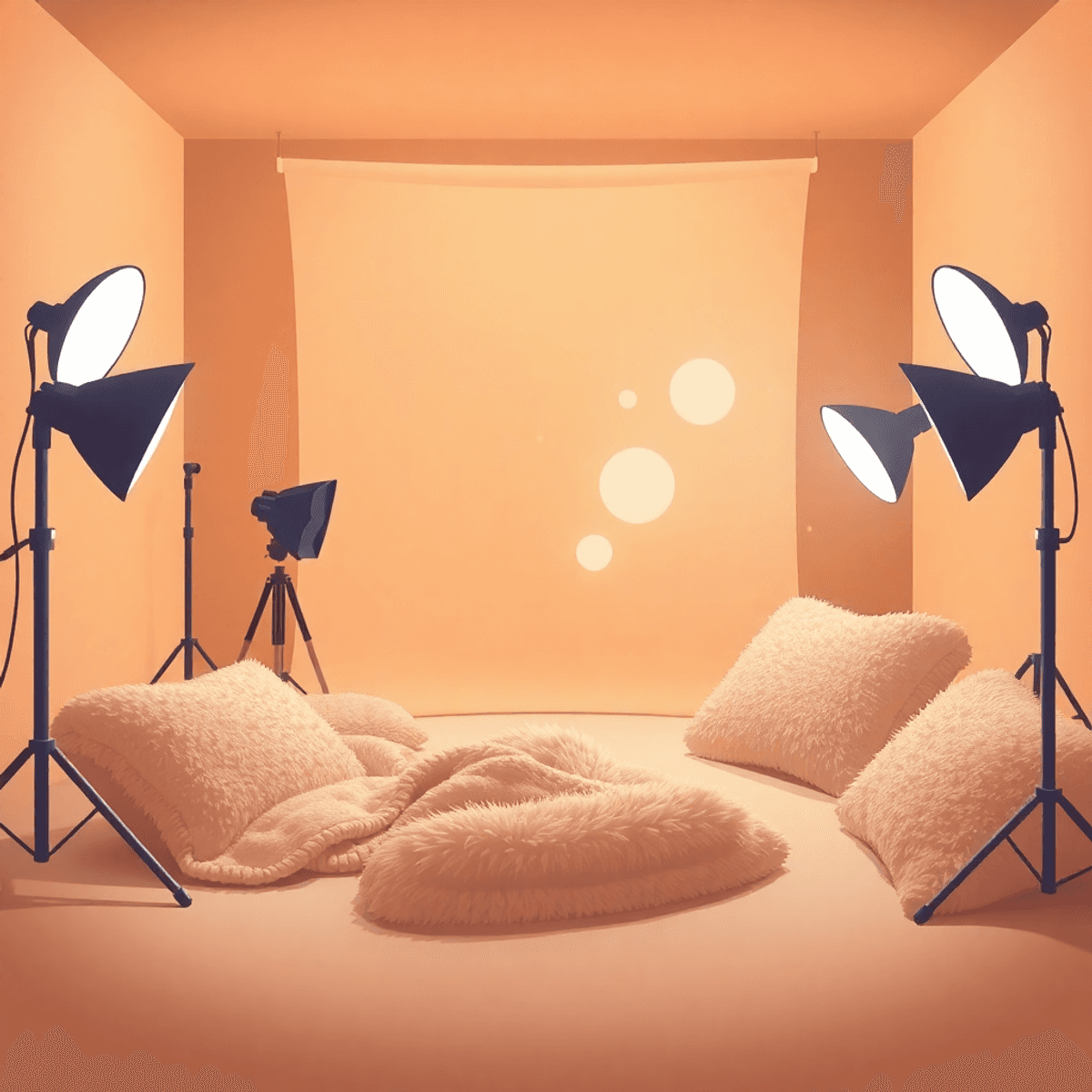
Boudoir photography captures intimate, empowering moments that celebrate sensuality and self-expression. It is more than just images; it is an experience that fosters confidence, body positivity, and personal empowerment. This genre invites clients to explore and showcase their unique beauty through carefully crafted light, shadow, and pose.
Neurodivergence refers to variations in the human brain regarding sociability, learning, attention, mood, and other mental functions. Common examples include autism spectrum disorder (ASD), attention deficit hyperactivity disorder (ADHD), and sensory processing differences. These neurological differences influence how individuals perceive sensory input and communicate with others—critical factors during a boudoir session where comfort and trust set the foundation for success.
Boudoir for neurodivergent clients requires thoughtful adaptation to meet diverse sensory sensitivities and communication preferences. Understanding what works—and what fails—in these sessions can transform the photographic experience into one that truly honors every client's unique needs.
This article explores Boudoir for Neurodivergent Clients: What Works, What Fails, providing practical insights into creating inclusive boudoir experiences. You will learn how to tailor your approach to foster safety, comfort, and empowerment for neurodivergent individuals seeking to embrace their sensuality through boudoir photography.
Plus Size Boudoir
One important aspect of Plus Size Boudoir is understanding the unique beauty of each individual. This requires a shift in perspective from traditional beauty standards to celebrating diverse body shapes and sizes.
Color Palette Selection
Another crucial element in boudoir photography is Color Palette Selection. The right colors can enhance the mood of the photographs and make the subject feel more comfortable and confident.
Therapeutic Benefits
Boudoir photography also offers Therapeutic Benefits, allowing clients to reconnect with their bodies in a positive way. This can be particularly beneficial for neurodivergent individuals who may struggle with body image issues.
Professional Ethics in Photography
Finally, it's essential to maintain Professional Ethics in Photography. Ensuring client comfort, consent, and confidentiality should always be a top priority in any boudoir photography session.
Understanding Neurodivergence in Boudoir Photography
Neurodivergent individuals encompass a broad spectrum of neurological variations, including autism spectrum disorder (ASD), attention deficit hyperactivity disorder (ADHD), and sensory processing differences. These conditions influence how people perceive, process, and respond to sensory stimuli and social environments. Recognizing these differences is essential when planning and conducting boudoir photography sessions to ensure comfort, respect, and empowerment.
Key Neurological Variations
- Autism Spectrum Disorder (ASD): Often characterized by heightened sensory sensitivities, challenges with social communication, and a preference for predictable routines. Neurodivergent clients on the spectrum may be particularly sensitive to lighting, textures, or unexpected sounds during a session.
- Attention Deficit Hyperactivity Disorder (ADHD): Involves variations in attention regulation, impulse control, and sensory processing. Clients with ADHD might benefit from clear instructions and flexible pacing to maintain focus without feeling overwhelmed.
- Sensory Processing Differences: Some individuals have heightened or diminished responses to sensory input such as touch, sound, light, or smells. Sensory sensitivities can manifest as discomfort or distress when exposed to typical studio environments without accommodations.
Influence on Sensory Experiences
Photography studios often involve bright lights, varied textures (fabrics, props), ambient noises (camera clicks, music), and close physical proximity during posing guidance. For neurodivergent clients:
- Lighting can cause overstimulation or headaches if too harsh or flickering.
- Sounds, including shutter noise or background music from music curation, might trigger anxiety or distraction.
- Touch during posing adjustments may feel intrusive unless consented explicitly.
- Environment clutter or unexpected changes can increase stress levels.
Adjusting these elements respects sensory sensitivities while fostering a calmer atmosphere conducive to authentic expression.
Impact on Social Interaction and Communication
Traditional photography sessions often rely on verbal cues, spontaneous direction, and nonverbal feedback. Neurodivergent clients may prefer:
- Explicit explanations of what will happen next.
- Visual aids such as pose guides or mood boards.
- Patience with response times and varying communication styles.
- Reduced pressure for eye contact or forced expressions.
Understanding that communication preferences vary helps create a space where clients feel safe to express themselves genuinely rather than perform according to standard expectations.
Recognizing diverse neurological needs moves beyond accommodation; it actively empowers neurodivergent individuals by validating their experience and enhancing creative collaboration.
Adapting your approach to these unique sensory and communication requirements transforms boudoir photography into an inclusive practice that elevates client confidence and comfort throughout the session. This includes embracing the power of art in boudoir photography which can significantly contribute to emotional preparation for the session. Moreover, offering queer-friendly boudoir photography further enhances inclusivity within this artistic medium.
Best Practices for Boudoir Sessions with Neurodivergent Clients
Creating an accommodating environment tailored to neurodivergent clients requires attention to sensory accommodations, communication methods, and physical comfort. These elements combine to foster a session where the client feels safe, supported, and empowered.
Sensory Accommodations
- Lighting Control: Soft, adjustable lighting helps avoid sensory overload. Consider using dimmable lights or natural light filtered through curtains instead of harsh strobes or fluorescent bulbs. Allow clients to express their preferences before the shoot to customize the space accordingly.
- Noise Reduction: Background noise can be distracting or distressing. Offer options such as silence, calming instrumental music, or white noise machines depending on what soothes the client most. Keeping external noises minimal by closing windows or doors supports focus and relaxation.
- Physical Comfort: Items like weighted blankets, capes, or soft throws provide grounding sensory input that can calm anxiety or overstimulation. Keep these accessible during sessions and check in regularly if the client wishes to use them.
- Breaks to Manage Overwhelm: Scheduling short breaks throughout the shoot allows clients to reset and prevents fatigue from sensory or social demands. Break areas should be quiet and comfortable with hydration and light snacks available.
Clear Communication
- Explicit Explanation of Session Expectations: Before starting, provide a clear outline of what will happen during the session—poses, duration, clothing changes—and revisit it as needed. Clarity reduces uncertainty and builds trust.
- Visual Aids and Written Instructions: Visual guides such as pose cards or mood boards help clients understand desired movements without overwhelming verbal instructions. Written summaries sent ahead of time prepare clients for what to expect, easing anxiety related to surprises.
- Adapting Communication Style: Use patient, flexible communication tailored to each client's needs. Some may prefer direct instructions; others benefit from gentle suggestions or demonstrations. Allow extra time for processing questions and responses without pressure.
Practical Tips at a Glance
- Ask clients about their sensory preferences during booking
- Prepare adjustable lighting setups and sound control options
- Have calming items like weighted blankets ready in the studio
- Schedule breaks proactively and respect requests for additional pauses
- Send detailed pre-session information including written guides and visuals such as Pre-Session Self-Care Rituals
- Practice patience during directions; adapt tone and pace according to client cues
These practices create a respectful space where neurodivergent clients feel seen and supported throughout their boudoir experience. Implementing them not only enhances comfort but also elevates artistic collaboration between photographer and client.
Building Trust and Creating Safe Spaces for Neurodivergent Clients in Boudoir Photography Sessions
Creating a trusting and safe environment is essential when working with neurodivergent clients in boudoir photography. This foundation not only enhances client comfort but also empowers them to express their authentic selves during the session. The nuances of trust building require deliberate attention to individual boundaries, clear communication, and an unwavering commitment to privacy and respect.
Understanding Individual Boundaries and Preferences
- Pre-session consultations help uncover personal boundaries and sensory preferences. These conversations should be detailed, patient, and flexible—allowing clients to express concerns or request accommodations without pressure.
- Ask specific questions about physical touch, lighting preferences, noise sensitivity, and pacing of the session. Some clients may prefer minimal direct eye contact or limited verbal instructions.
- Respecting these preferences means adapting your approach accordingly. For example, if a client prefers no physical adjustment during posing, provide clear verbal or visual guidance instead.
Emphasizing Privacy and Safety Protocols
- Privacy is paramount in boudoir photography. Reassure clients by explaining how their images will be handled, stored, and shared. This transparency reduces anxiety around confidentiality.
- Clearly outline studio safety measures such as controlled access to the session space, secure storage of client data, and strict adherence to consent protocols. For instance, you might want to review some privacy guidelines that can be beneficial in ensuring data security.
- For neurodivergent clients especially, knowing that their personal boundaries will be honored fosters a sense of security critical for relaxation and genuine expression.
Fostering Respect and Empowerment
- Treat each client as an individual with unique needs rather than applying a one-size-fits-all approach. This respect builds confidence and encourages open dialogue.
- Use empowering language throughout the session that emphasizes autonomy: phrases like "You’re in control," "Let me know if you need a break," or "Your comfort comes first" reinforce this mindset.
- Celebrate small victories—whether it’s a pose they felt comfortable holding or moments where they overcame sensory challenges. Positive reinforcement bolsters self-esteem.
"Empowerment is not just about capturing beautiful images; it's about validating the client's experience and creating an environment where they feel valued."
Additional Tips for Trust Building
- Offer clear options regarding participation levels throughout the shoot—clients can choose to skip poses or suggest alternatives at any time without judgment.
- Keep communication consistent but non-intrusive; check-in regularly yet respect silence if preferred.
- Consider including a trusted support person if the client desires; this can significantly increase feelings of safety without disrupting professional boundaries.
Trust building is not a one-time task but an ongoing process woven into every interaction before, during, and after the session. Recognizing this dynamic allows you to create safe spaces where neurodivergent clients feel truly seen and respected—a cornerstone of effective boudoir photography tailored to diverse neurological profiles.
By [tailoring your boudoir session for maximum impact and comfort](<https: data-preserve-html-node="true"//www.misfitslikeme.com/st-louis-erotic-and-boudoir-phot>
Common Pitfalls in Boudoir Photography for Neurodivergent Clients: What Fails?
Boudoir photography sessions can unintentionally trigger sensory overload when the environment isn't thoughtfully adapted. Neurodivergent clients often have heightened sensitivities to stimuli like light and sound, which makes controlling these factors vital.
Lighting Issues
- Harsh or flickering lights can cause discomfort or anxiety. Bright studio flashes or unfiltered overhead lighting may overwhelm clients, leading to physical symptoms such as headaches or visual stress.
- Sudden changes in lighting during a session, like switching from dim to bright without warning, frequently disrupt client focus and calmness.
- Using only standard photographic lighting setups without adjustment risks alienating clients who require softer, more consistent illumination.
Sound Environment Challenges
- Unexpected noises—like door slams, phone rings, or loud equipment—can startle neurodivergent individuals, disrupting their sense of safety and control.
- Background music played at inappropriate volumes or genres may increase stress rather than provide comfort.
- Lack of clear communication about sounds present during the shoot can create confusion and heighten anxiety.
Impact on Client Experience
When sensory overload triggers are ignored:
- Clients may become overwhelmed quickly, causing them to shut down emotionally or physically withdraw from the session.
- Anxiety levels spike, reducing the ability to pose naturally or engage with the photographer.
- The session may end prematurely due to distress, wasting both client expectations and photographer effort.
Examples of Sensory Overload Triggers to Avoid
- Bright spotlights focused intensely on one area without gradual introduction.
- Loud mechanical noise from air conditioning units or camera equipment running unchecked.
- Sudden onset of multiple stimuli simultaneously, like flashing lights combined with high-volume music.
Recognizing these pitfalls helps photographers create a calm, controlled atmosphere tailored to neurodivergent needs. Adjusting environmental factors proactively prevents sensory overload and supports an empowering boudoir experience.
Boudoir photography is not just about capturing sensuality; it's also about self-expression and confidence. It's important to understand that boudoir photos don't have to be sexual, but can instead be a celebration of one's body and personality.
To achieve this delicate balance in boudoir photography, especially for neurodivergent clients, certain tips for boudoir photography sessions should be considered. This includes creating a safe space where clients feel comfortable expressing themselves freely.
It's also essential for photographers to navigate the [legal and ethical considerations](<https: data-preserve-html-node="true"//www.misfitslikeme.com/st-louis-erotic-and-boudoir-photography/category/Legal+and+Ethical+Considerations>) involved in boudoir photography. By understanding these aspects and being mindful of the potential pitfalls associated with sensory overload, photographers can significantly enhance the overall client experience.
The Role of Inclusivity in Boudoir Photography for Neurodivergent Clients
Creating a genuinely welcoming environment in boudoir photography means embracing all identities—this includes neurodivergent individuals, LGBTQIA+ communities, kink enthusiasts, and beyond. Inclusivity is not a mere add-on but a foundational element that shapes the entire client experience.
Why Inclusivity Matters
1. Body Positivity as a Core Value
Boudoir photography thrives on celebrating the human form in all its diversity. This naturally aligns with body positivity, which affirms that every body, regardless of shape, size, ability, or neurological profile, deserves to be seen and appreciated. For neurodivergent clients, who may face societal misunderstanding or exclusion, this affirmation is particularly powerful. Explore stunning ideas for plus-size boudoir photoshoots that emphasize body positivity and confidence.
2. Respecting Diverse Identities and Expressions
LGBTQIA+ clients bring unique stories and expressions of gender and sexuality. Kink communities challenge conventional norms about intimacy and consent. Recognizing these identities openly allows photographers to tailor sessions that honor personal narratives without judgment. This openness fosters trust and comfort essential for authentic portraiture. It's also crucial to navigate cultural sensitivity in modern intimate photography, respecting diverse identities while enhancing the art.
3. Tailoring Comfort and Consent Practices
Inclusive studios adapt their protocols to meet varied sensory preferences and communication needs. For neurodivergent clients, this might mean offering more control over the pacing of the shoot or providing options for clothing and props that align with individual comfort levels. Kink-positive spaces understand how to negotiate boundaries respectfully while maintaining safety.
Practical Steps Toward Inclusivity
- Explicit Communication: Use clear, jargon-free language when discussing session details. Provide multiple ways to communicate (written guides, visuals) so clients can process information at their own pace.
- Flexible Session Design: Offer customizable environments: adjustable lighting, soundscapes tailored to client preference (silence or calming music), and accessible rest areas with comforting items such as weighted blankets.
- Visible Affirmation: Display symbols of inclusivity such as pronoun badges or signage welcoming diverse gender identities and kink-friendly practices. These visual cues can ease anxiety before the shoot begins.
- Training and Awareness: Photographers who educate themselves about neurodiversity, LGBTQIA+ issues, and kink culture improve their ability to recognize subtle needs. This knowledge translates into more empathetic interactions.
Impact on Client Experience
Clients who feel genuinely accepted tend to relax more deeply during sessions. This leads to photos that capture true sensuality and confidence rather than posed discomfort or guardedness. The combination of body positivity with inclusive respect enables neurodivergent individuals to reclaim their narratives through artful self-expression.
Inclusivity is not just about who you photograph; it’s about creating an environment where every person feels empowered to reveal their authentic self. By embracing inclusivity, photographers can truly [create a luxurious and empowering boudoir experience](<https: data-preserve-html-node="true"//www.misfitslikeme>
Conclusion
Empathy in boudoir photography transforms sessions from mere photo shoots into meaningful, empowering experiences—especially for neurodivergent clients. Recognizing and honoring the unique neurological profiles of each individual is not just a courtesy but a necessity to create safe, respectful, and comfortable environments.
You can adopt inclusive practices by:
- Listening actively to client needs and boundaries before and during sessions.
- Customizing environments to minimize sensory overload, such as adjusting lighting and sound.
- Communicating clearly with visual aids or written guides to reduce anxiety and uncertainty.
- Offering physical comforts like weighted blankets or allowing breaks for regulation.
- Respecting diverse identities, including LGBTQIA+ and kink communities, to foster trust and authenticity.
These approaches do more than prevent distress—they empower clients to express their sensuality confidently and authentically. Boudoir photography for neurodivergent clients thrives when professionals embrace flexibility, patience, and genuine understanding.
Your commitment to inclusivity shapes not only the quality of your work but also the dignity and joy your clients experience. Practice empathy in every frame, and you will witness the profound impact of boudoir that truly works—and avoid what fails.
FAQs (Frequently Asked Questions)
What is boudoir photography and why is it important for neurodivergent clients?
Boudoir photography is a style of intimate, empowering portraiture that celebrates individual beauty and confidence. For neurodivergent clients, it holds special importance as it offers an inclusive space that respects their unique sensory and communication needs, fostering self-expression and empowerment.
How does neurodivergence affect sensory experiences during boudoir sessions?
Neurodivergence, including conditions like autism, ADHD, and sensory processing differences, influences how individuals experience sensory inputs such as light, sound, and touch. These variations can impact comfort levels during photography sessions, making it essential to tailor environments to reduce sensory overload and accommodate specific preferences.
What are best practices for conducting boudoir sessions with neurodivergent clients?
Best practices include adjusting lighting to minimize glare, controlling noise levels or providing calming music based on client preference, offering physical comforts like weighted blankets, allowing breaks to manage overwhelm, providing clear and explicit communication using visual aids or written instructions, and demonstrating patience and flexibility to meet each client's unique needs.
How can photographers build trust and create safe spaces for neurodivergent clients in boudoir photography?
Photographers can build trust by taking time to understand individual boundaries and preferences before the session, emphasizing strict privacy and safety protocols, fostering respect throughout the process, and empowering clients to boost their confidence. Creating a welcoming atmosphere tailored to each client's comfort enhances the overall experience.
What common pitfalls should be avoided when photographing neurodivergent clients in boudoir sessions?
Common pitfalls include failing to adjust lighting or sound environments which may cause sensory overload, exposing clients to unexpected noises or bright lights that can lead to distress, neglecting clear communication about session expectations, and not providing adequate breaks or physical comforts. Avoiding these helps ensure a positive session experience.
Why is inclusivity important in boudoir photography for neurodivergent clients?
Inclusivity ensures that boudoir photography welcomes all identities—including neurodivergent individuals as well as LGBTQIA+ and kink communities—by promoting body positivity and respect. This approach fosters an environment where every client feels valued, safe, and empowered to express their authentic selves without judgment.