Not Just for Women: Why More Nonbinary People Are Booking Sessions in 2026
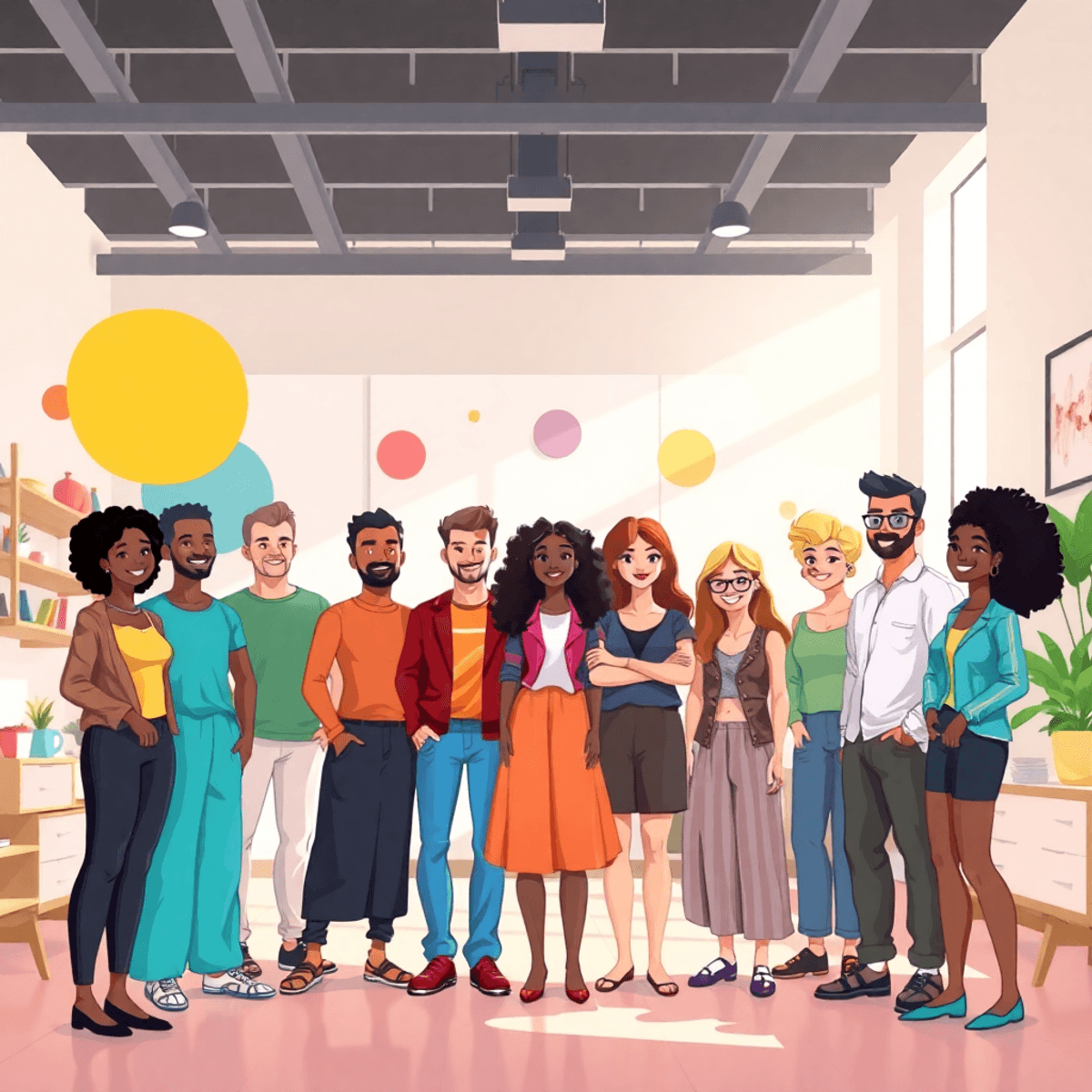
The landscape of booking sessions traditionally targeted towards women is shifting significantly in 2026. Increasingly, nonbinary individuals are stepping forward to claim space in areas once defined by narrow gender expectations. This trend—Not Just for Women: Why More Nonbinary People Are Booking Sessions in 2026—reflects a broader cultural movement towards nonbinary inclusivity.
Fields such as art, therapy, and photography are no longer confined by traditional gender binaries. Recognizing and accommodating diverse gender identities has become essential not just for ethical reasons but also for delivering more meaningful and personalized experiences. For instance, the power of art can provide a platform for self-expression, while boudoir photography has emerged as a form of empowerment that transcends gender boundaries.
Key points to consider:
- Expanding client demographics: Nonbinary people seek sessions that affirm their identity, breaking the mold of women-only offerings.
- Service provider adaptation: Adjusting language, environment, and protocols to embrace gender diversity enhances accessibility. This includes offering queer-friendly boudoir photography, which ensures a safe and affirming space for all clients.
- Mutual benefits: Clients gain a safe space tailored to their needs; providers enrich their practice through inclusivity and innovation.
This shift challenges industries to rethink how sessions are designed and marketed. It opens doors for authentic connection and representation, setting new standards for empathy and respect in professional settings. The inclusion of emotional preparation in these sessions can further enhance the experience, allowing clients to fully embrace the journey. Additionally, the integration of music curation and technology can personalize sessions even more, creating an atmosphere that truly reflects the client's identity and preferences.
The Evolution of Gender Inclusivity in Sessions
Sessions historically designed exclusively for women often reflected societal norms that viewed gender through a binary lens. Workshops, therapeutic programs, creative spaces, and photography sessions typically catered to cisgender women, assuming a uniform experience based on assigned gender at birth. This exclusivity limited access for transgender and nonbinary individuals, whose identities and needs did not fit neatly into traditional categories.
Shifting Perspectives on Gender Inclusivity
Recognition of diverse gender identities has challenged industries to rethink their frameworks. Language changes in promotional materials and intake forms now include options beyond "female" or "male," signaling openness. Training for facilitators and photographers increasingly covers correct pronoun use, respectful communication, and understanding gender diversity. Physical spaces adapt to be more welcoming — from gender-neutral restrooms to private changing areas.
Such changes foster nonbinary representation by validating identities that were previously marginalized or erased. This shift is visible not only in the client base but also among professionals who identify outside the binary and seek inclusive environments for both participation and employment.
Impact on Industry Standards and Client Experiences
Industries embracing gender inclusivity report several positive outcomes:
- Enhanced session accessibility: Nonbinary clients feel safer and more comfortable engaging with services tailored to acknowledge their unique experiences.
- Richer client-provider relationships: Open dialogue about identity helps providers customize approaches—whether therapeutic techniques addressing specific trauma or artistic direction that honors self-expression.
- Broader market reach: Businesses expand their clientele by recognizing underserved populations, leading to economic sustainability alongside social responsibility.
Challenges remain in ensuring consistent practices across all sectors. Many organizations still rely on outdated protocols that inadvertently exclude or alienate nonbinary individuals. Continuous education on gender diversity and intersectionality proves crucial.
Key Considerations for Progress
- Avoid assumptions based on appearance or voice; ask clients how they identify and prefer to be addressed.
- Develop session content that moves beyond binary frameworks — consider inclusive topics like gender dysphoria, affirming body image, or queer cultural narratives.
- Implement feedback mechanisms specifically aimed at improving accessibility for transgender and nonbinary participants.
The evolution toward session accessibility rooted in genuine respect for all genders is ongoing. It requires commitment not just to inclusion as a buzzword but to systemic change that centers the lived realities of diverse individuals. This transformation paves the way for programs and services where everyone can participate fully without erasure or discomfort.
For instance, tailoring boudoir sessions can empower clients by providing comfort and maximizing impact. Such sessions should consider various themes, styles, and even consent protocols to create a safe space for everyone involved. Moreover, exploring stunning ideas for plus-size boudoir photoshoots can further emphasize body positivity and confidence among clients of all sizes.
Case Study: Creative Industry Programs Supporting Nonbinary Participants
Programs like the See It Be It program have become vital in promoting gender equality in creative fields by explicitly including women and nonbinary creatives. This initiative offers a fully funded experience that encompasses a variety of opportunities tailored to accelerate career growth and break down barriers often faced by underrepresented genders.
Key Features of the See It Be It Program
- Mentorship: Participants receive one-on-one guidance from industry leaders, helping them navigate challenges specific to their gender identities and professional goals.
- Masterclasses: Expert-led sessions cover topics such as leadership, creative development, networking strategies, and navigating systemic biases.
- Career Development: The program provides personalized support to craft individual career plans, including portfolio reviews, pitch coaching, and access to professional networks.
This holistic approach ensures that creatives not only enhance their skills but also build confidence and visibility within competitive industries.
Impact on Career Advancement and Industry Equity
Initiatives like See It Be It directly address longstanding disparities by offering resources that underrepresented genders often lack. For nonbinary individuals and women in creative sectors:
- Access to mentorship opens doors usually closed due to exclusionary practices or unconscious bias.
- Learning environments geared toward gender inclusivity nurture authentic self-expression without fear of marginalization.
- Community-building among participants fosters solidarity, collaboration, and shared advocacy for industry-wide change.
The ripple effect extends beyond individuals. By equipping more diverse talent with tools for success, these programs encourage companies and organizations to rethink hiring practices, representation standards, and workplace culture. The emphasis on equity becomes embedded into the fabric of creative industries rather than treated as an afterthought.
Such targeted support is essential because traditional models have historically prioritized cisgender male voices. See It Be It exemplifies how intentional funding combined with specialized programming can create meaningful shifts in who gets seen, heard, and elevated — making space for a richer tapestry of perspectives in art, media, design, and beyond.
Expanding the Narrative: Embracing Diverse Perspectives in Creative Fields
As we strive for greater inclusivity in the creative industry, it's important to recognize the value of diverse narratives. For instance, demystifying stigma around sex workers is crucial for fostering a more inclusive society. By challenging stereotypes and celebrating empowerment within the sex work industry, we can shift societal perceptions.
Moreover, creating a luxurious and empowering boudoir experience allows individuals to explore their identity in a safe space. Such experiences should not be limited by gender or societal norms.
Additionally, exploring black and white imagery in visual storytelling can provide unique perspectives that resonate with a broader audience. This form of artistic expression can serve as a powerful tool for personal narrative construction.
Lastly, incorporating elements of music into these creative endeavors can further enrich the storytelling process. Music
Therapeutic Sessions Adapting to Nonbinary Needs
The Healing Trauma+ program has evolved significantly beyond its original design for women. This expansion now intentionally includes transgender and nonbinary individuals, reflecting a broader commitment to inclusive mental health support. Adjustments in therapeutic materials emphasize the use of inclusive language and pronouns, ensuring every participant feels recognized and respected. This shift moves the program away from binary assumptions about gender, opening pathways for more authentic healing experiences.
Inclusive Language and Environment
Therapists within the Healing Trauma+ program prioritize establishing a safe space from the very first interaction. This environment supports comfort, trust, and openness — essential components for effective trauma intervention.
- Use of gender-neutral pronouns (they/them, ze/zir) embedded in session scripts, worksheets, and communications.
- Removal of language that assumes cisgender identities or traditional gender roles.
- Training therapists to recognize and challenge their own biases related to gender diversity.
- Creating physical and virtual spaces that signal safety through visible affirmations of all gender identities.
Trauma Topics Relevant to Gender-Diverse Populations
Gender-diverse clients often face unique layers of trauma rooted in societal marginalization, discrimination, and internalized stigma. The program addresses these through specialized modules such as:
- Power dynamics: Exploring experiences where clients faced control or coercion related to their gender identity or expression. Understanding these dynamics helps rebuild personal agency.
- Self-soothing techniques: Tailored strategies that acknowledge how gender dysphoria or minority stress can impact emotional regulation. Techniques include grounding exercises adapted for sensory sensitivities or body awareness variations common among transgender and nonbinary people.
- Identity affirmation: Supporting clients in validating their own gender experience as a critical step toward healing from trauma that targets identity suppression.
- Intersectional trauma: Addressing overlapping challenges stemming from race, sexuality, disability alongside gender diversity.
Creating Comfort Through Flexibility
Practitioners emphasize flexibility throughout sessions:
- Allowing clients to set boundaries around topics they feel ready or willing to discuss.
- Encouraging pauses or breaks when emotions intensify.
- Offering multiple modalities — talk therapy, art therapy, mindfulness — to accommodate different processing styles. The power of art in therapy is particularly emphasized here.
- Being transparent about confidentiality limits while reinforcing respect for privacy.
This approach contributes directly to increased participation by nonbinary people booking sessions in 2026. It acknowledges trauma's complexity within diverse genders without forcing assimilation into frameworks designed solely with women in mind.
The adaptation of programs like Healing Trauma+ exemplifies a necessary progression toward truly inclusive care models—ones that meet the needs of all clients rather than fitting them into outdated categories. Such an approach mirrors the inclusive practices seen in other fields such as photography. For instance, inclusive studio experiences are designed to make every individual feel comfortable and represented during their photoshoot.
Inclusive Photography Sessions Reflecting Gender Diversity
Studios like mIsFiTs Like ME are reshaping the landscape of photography by fostering environments that prioritize LGBTQIA+, kink-friendly, and sex-positive values. Catering to all genders and identities aged 21 and over, these studios emphasize radical inclusivity in their offerings, especially within boudoir photography and erotic art photography.
Distinguishing Boudoir Photography from Erotic Art Photography
Understanding the difference between these two genres is essential in appreciating their unique impact:
- Boudoir Photography: Focuses on intimate, sensual portraits that celebrate body positivity and personal empowerment. It uses light, shadow, and composition to create an atmosphere of confidence and self-love. Instead of objectifying subjects, boudoir sessions invite participants to reclaim their bodies and narratives through artistic expression.
- Erotic Art Photography: Explores sensuality with an emphasis on aesthetic vulnerability and artistic interpretation. This genre transcends traditional notions of pornography by prioritizing emotional connection, trust, and creative storytelling. It often challenges societal norms around sexuality while maintaining a respectful presentation of desire.
Both styles share a commitment to empowerment rather than exploitation. They value the client’s autonomy, encouraging exploration of identity in a safe, consensual space.
Fostering Identity Exploration Through Intimacy and Vulnerability
Inclusive photography sessions can become transformative journeys where clients engage with their own identities in profound ways:
- Participants navigate personal boundaries with professional guidance, enabling them to express themselves authentically.
- Artistic intimacy allows for confrontation and celebration of gender diversity without pressure or judgment.
- Vulnerable moments captured on camera translate into powerful tools for healing and self-acceptance.
The intersection of intimacy and aesthetics creates a unique platform for individuals to explore facets of their gender identity that may otherwise remain unexpressed.
Prioritizing Client Safety and Legal Compliance
Safety protocols at studios like mIsFiTs Like ME are stringent to ensure comfort and well-being throughout sessions:
- Respect for client boundaries takes precedence; preferences can be adjusted freely during shoots.
- Privacy is safeguarded rigorously with compliance to legal regulations such as 18 U.S. Code § 2257.
- No physical contact between clients and staff occurs during sessions, reducing risk while maintaining professionalism.
- Clear communication about session limits prevents pushing beyond comfort zones.
- Photographers distinguish clearly between erotic art and pornography to uphold ethical standards as part of their professional ethics.
This approach balances artistic freedom with protective measures that honor each participant’s dignity.
Embracing Body Positivity and Radical Inclusivity
These sessions celebrate diverse bodies across the gender spectrum by:
- Encouraging representation beyond binary categories.
- Supporting clients in bringing personal styling choices that reflect their identities.
- Offering studio closets stocked with inclusive wardrobe options suited for various expressions — from lingerie to kink accessories.
- Recognizing the importance of consent in every aspect: from image rights ownership to session content.
Clients leave not only with stunning visuals but also a renewed sense of self-worth and acceptance.
Practical Considerations in Booking Sessions for Nonbinary Clients
Working with nonbinary clients requires deliberate attention to several critical factors.
Respecting Privacy
Respecting privacy is paramount. Many nonbinary individuals face unique challenges around confidentiality, especially when disclosing their gender identity. Service providers should:
- Ask upfront about communication preferences — whether clients prefer email, phone calls, or text.
- Use secure methods for sharing session details and images.
- Avoid assumptions about outing or disclosing client identities in any public or private context.
Implementing Safety Protocols
Implementing robust safety protocols ensures both physical and emotional well-being during sessions:
- Create clear consent agreements that specify boundaries and comfort levels.
- Train staff on using inclusive language, proper pronouns, and recognizing signs of distress.
- Maintain a safe environment free from judgment, harassment, or pressure to conform to binary gender norms.
- Have an emergency plan tailored to individual needs, including mental health support resources if necessary.
Mindfulness of Client Boundaries
Mindfulness of client boundaries goes beyond basic consent. Nonbinary clients may have specific preferences related to body exposure, touch, or interaction styles that differ from traditional expectations. Providers should:
- Encourage open dialogue before and during the session about limits and triggers.
- Offer options for adjusting poses, wardrobe, or setting without penalty.
- Recognize that boundaries can shift throughout a session; check in regularly rather than assuming static comfort zones.
- Avoid gendered language tied to anatomy or appearance unless explicitly welcomed by the client.
It's also crucial to adhere to ethical guidelines such as those outlined in the Social Workers' Code of Ethics, which emphasizes respect for client autonomy and confidentiality.
Privacy, safety protocols, and boundary awareness are interdependent elements that form the foundation for respectful and effective sessions with nonbinary clients. Attending carefully to these areas builds trust and empowers clients to fully engage with the creative or therapeutic experience on their own terms.
Industry-wide Implications and Future Trends
The gender equality movement has broadened its scope beyond traditional binaries, pushing industries to rethink who their services are for and how they are delivered. This shift is particularly visible in sectors that historically designed offerings exclusively for women but now recognize the importance of including underrepresented genders, especially nonbinary individuals.
Recognition of Nonbinary Inclusion as a Standard
Services once labeled "for women only" are evolving into inclusive service models that embrace diverse gender identities without compromising the original intent or quality.
This evolution challenges organizations to revisit marketing language, session formats, and accessibility features to better align with the needs of nonbinary clients.
It expands the client base while promoting a culture of respect, empathy, and authenticity in how services are conceptualized and delivered.
Impact on Industry Standards and Practices
Industries such as creative arts, therapeutic services, and wellness programs are increasingly adopting policies that mandate gender inclusivity training for staff.
The requirement to use inclusive pronouns, language, and materials tailored to different gender experiences is becoming a norm rather than an exception.
Safety protocols and privacy considerations are being refined to accommodate unique boundaries nonbinary clients may have, setting new benchmarks for respectful engagement.
Emerging Trends in Funding and Support Networks
Anticipated developments point toward:
- Fully funded programs specifically targeting nonbinary creatives and professionals, similar to existing initiatives like 'See It Be It' which have expanded their eligibility criteria.
- Establishment of mentorship networks focused on career development pathways for underrepresented genders, providing guidance that acknowledges distinct challenges faced by these communities.
- Growth of peer-led support groups integrated within larger professional programs that foster solidarity while addressing nuanced needs related to identity affirmation.
Broader Societal Effects
Increased visibility of nonbinary participation in traditionally women-centered sessions encourages societal conversations about gender fluidity and expression.
Such discussions often lead to important insights about the psychological aspects of gender identity. For instance, research shows that gender identity can significantly influence mental health, highlighting the necessity for inclusive practices in various sectors.
This visibility influences cultural perceptions, helping deconstruct rigid gender norms through everyday interactions in professional and creative environments.
Businesses responding proactively gain reputational benefits by positioning themselves as pioneers in equity and inclusion.
The trend encapsulated by the phrase Not Just for Women: Why More Nonbinary People Are Booking Sessions in 2026 reflects a transformative moment. It calls on industries to build frameworks that not only acknowledge but celebrate all gender identities—setting a foundation for continued progress toward genuine inclusivity.
Conclusion
The trend of nonbinary empowerment within traditionally women-centered sessions marks a significant cultural shift. You are witnessing industries adapt to inclusive booking trends that acknowledge and celebrate gender diversity beyond the binary. This evolution enriches client experiences and broadens the scope of creative, therapeutic, and professional services.
You can support this progress by:
- Actively educating yourself and your teams about nonbinary identities and needs.
- Creating environments where all clients feel safe, respected, and valued.
- Avoiding tokenism or performative allyship by embedding genuine inclusivity into policies and practices.
- Listening to nonbinary voices to continually improve accessibility and representation.
Your role in embracing these changes affects not just individual sessions but contributes to shaping a future outlook where services are truly equitable and reflective of diverse communities. As you engage with this movement highlighted in Not Just for Women: Why More Nonbinary People Are Booking Sessions in 2026, remember that authentic inclusion requires ongoing commitment—not just one-time gestures.
Building these inclusive spaces benefits everyone involved: clients receive affirming experiences tailored to their identities, while providers expand their reach and relevance in an evolving social landscape. Your openness to growth can turn these transformative possibilities into lasting realities.
FAQs (Frequently Asked Questions)
Why are more nonbinary people booking sessions traditionally targeted towards women in 2026?
The increasing trend of nonbinary individuals booking sessions traditionally aimed at women reflects a broader recognition of gender diversity and the importance of inclusivity. This shift acknowledges that services such as art, therapy, and photography benefit from accommodating diverse gender identities, fostering empowerment and better client experiences.
How have sessions evolved to become more inclusive of nonbinary and transgender individuals?
Historically, many sessions were designed exclusively for women, but over time industry standards have evolved to include transgender and nonbinary participants. This evolution has improved session accessibility and representation across all genders, emphasizing ongoing efforts to create inclusive environments that respect diverse identities.
What is the role of programs like 'See It Be It' in supporting nonbinary creatives?
'See It Be It' is a fully funded program targeting women and nonbinary creatives by offering mentorship, masterclasses, and personalized career development. Initiatives like this accelerate careers for underrepresented genders while promoting equity within creative industries through tailored support and opportunities.
How are therapeutic sessions adapting to meet the needs of nonbinary clients?
Therapeutic programs originally designed for women, such as Healing Trauma+, are expanding to include transgender and nonbinary individuals by incorporating inclusive language and pronouns. These sessions address trauma topics relevant to gender-diverse populations—like power dynamics and self-soothing—and prioritize creating safe, comfortable environments for all clients.
In what ways do inclusive photography sessions reflect gender diversity?
Studios like mIsFiTs Like ME embrace LGBTQIA+, kink-friendly, sex-positive environments for all genders aged 21+, focusing on boudoir and erotic art photography that emphasizes empowerment and artistic expression rather than objectification. Such inclusive sessions foster identity exploration through intimacy and aesthetic vulnerability while ensuring client safety and legal compliance.
What practical considerations should service providers keep in mind when booking sessions for nonbinary clients?
Providers should respect privacy preferences, implement appropriate safety protocols, and be mindful of unique boundaries during sessions with nonbinary clients. These considerations help create respectful, safe experiences that acknowledge the specific needs of gender-diverse individuals while fostering trust and inclusivity.