Harnessing the Power of Music Genres for Unconventional Shoots
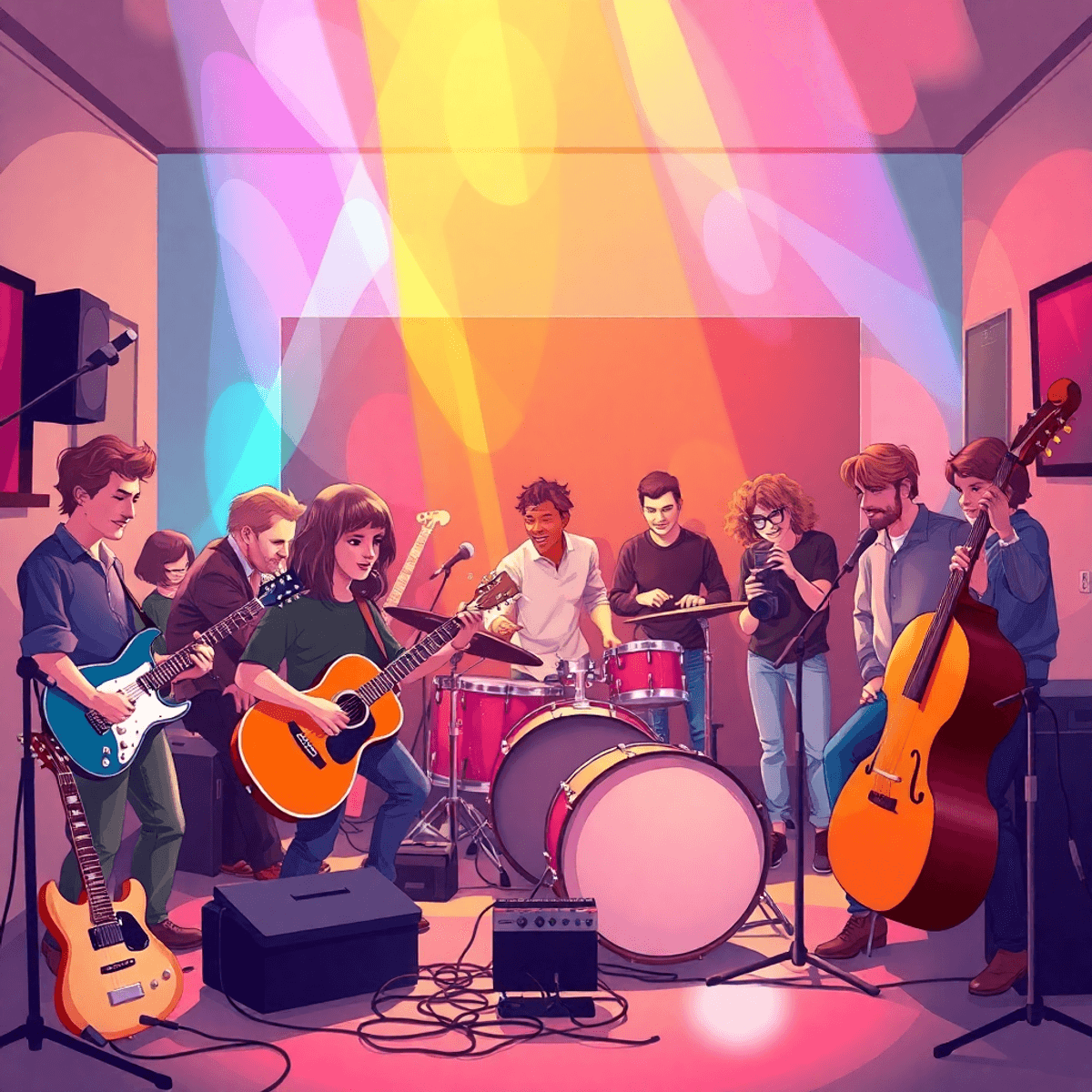
Understanding how music influences photography styles and techniques is key to making the most of unconventional shoots. Each music genre has its own energy, mood, and visual language that can greatly impact how you photograph a band or artist. It's important to align your photography with the essence of the music genre in order to create authentic images that speak to both the eyes and the heart.
When you adapt your photographic style to match the vibe of a specific genre—whether it's the raw power of metal, the cheerful brightness of pop, or the atmospheric richness of indie—you elevate your work beyond simple portraits. This connection between music and its visual representation becomes more genuine and meaningful.
This article aims to explore unconventional shoots inspired by various music genres. We'll share practical tips and innovative ideas that will encourage you to push boundaries while still respecting the unique spirit of each genre.
Incorporating elements such as Empowerment Through Boudoir Photography can add an interesting dimension to your shoots. The Power of Art is immense, and understanding how to use it in photography can yield stunning results.
Moreover, embracing Inclusive Practices in Photography ensures that your work resonates with a broader audience. For those interested in exploring the intersection of Music Curation and Technology, there are numerous resources available that delve deeper into this fascinating subject. Lastly, don't forget about the potential of Queer Friendly Boudoir Photography which can provide a fresh perspective on traditional photography norms.
The Intersection of Music Genres and Photography
Different music genres create distinct music genre moods that photographers can tap into to shape their visual approach. For example, jazz often calls for moody, intimate lighting and candid moments, while punk rock might demand raw, gritty textures and dynamic, rebellious poses. These moods serve as a foundation for crafting images that resonate with the band’s unique sound.
Photography plays a crucial role in conveying a band’s message and establishing their visual identity. Each photo contributes to the public perception of the band’s persona, helping fans connect beyond just the music. A photographer must understand not only the sound but also the culture surrounding a genre—this knowledge informs choices like setting, wardrobe, and framing.
Storytelling through Genre-Specific Energy
Storytelling through photography becomes powerful when images reflect the genre-specific energy and style authentically. Here are some examples:
- Folk Band: Natural light outdoors emphasizing warmth and storytelling simplicity.
- Electronic Act: High-contrast lighting and futuristic elements matching their digital soundscape.
Key Aspects Photographers Focus On
Key aspects photographers focus on include:
- Capturing body language and expressions that embody the band’s spirit
- Using colors and tones aligned with genre conventions
- Creating compositions that reinforce the narrative behind the music
By aligning photography with these elements, you help translate sound into striking visuals that deepen fans’ emotional engagement with the band’s work.
Maintaining Integrity in Capturing Moments
Additionally, understanding the professional ethics in photography is essential for maintaining integrity while capturing these moments. Moreover, certain styles such as plus-size boudoir photography can also be adapted to reflect specific music genres by focusing on body positivity and self-love themes prevalent in some musical narratives.
Emotional Expression through Visual Storytelling
Furthermore, exploring photography's therapeutic benefits can provide valuable insight into how visual storytelling can serve as a form of emotional expression for both the artist and the audience.
Unconventional Shoots Inspired by Different Music Genres
Capturing the essence of diverse music genres requires more than just technical skill. It demands an understanding of the mood alignment between sound and visual expression. Each genre carries its own unique energy, which you can translate into photographic poses, formations, and settings.
1. Symphonic Metal Photography
Symphonic metal blends classical orchestration with heavy metal intensity. This contrast calls for rigid poses that channel strength and drama. Crescent formations work well here, creating a sense of unity while emphasizing individual presence within the group. Imagine band members standing in a curved lineup, faces serious or contemplative, mirroring the genre’s intense and theatrical soundscapes.
2. Pop Duo Poses
Pop duos thrive on loose, playful interaction. Capturing candid moments like laughing back-to-back or sharing a knowing glance conveys their lighthearted vibe. These poses help emphasize connection and expressiveness, reinforcing the approachable and fun nature typical of pop acts. Avoid stiffness; instead embrace movement and spontaneity to bring out authentic chemistry.
3. Thematic Settings and Props
Props tailored to a band’s genre deepen authenticity. For symphonic metal, think ornate instruments or gothic backdrops—candles, velvet drapes, or medieval-inspired décor enhance the atmosphere dramatically. Pop duos benefit from bright colors, casual clothing props like hats or sunglasses, or even playful items such as balloons or confetti that reinforce a carefree spirit.
Incorporating these elements ensures photography resonates with both the music’s emotional core and the band’s identity. Thematic settings paired with genre-specific posing create images that speak directly to fans while elevating the band’s visual storytelling beyond conventional portraits. This is especially true for music-themed shoots where the fusion of sound and imagery creates a compelling narrative.
Band Photography Essentials for Genre-Driven Shoots
When using music genres as inspiration for unique photo shoots, finding the right location becomes extremely important. The place we choose should match the mood and story of the genre we're working with to create genuine and believable images. For instance, an old industrial warehouse with rough surfaces would be perfect for punk or metal bands, while a cozy café or busy city street might work well for indie or folk groups. By selecting locations that naturally reflect the feeling we're going for, we can reduce our dependence on heavy editing and make the shoot feel more real.
Using props and instruments strategically can help us convey a band's musical identity in our photos. Items like guitars, microphones, vintage amplifiers, or specific objects associated with a genre such as vinyl records or synthesizers become visual representations of sound. When we carefully position these elements and encourage interaction with them, we add depth and storytelling to our photographs. For electronic genres, incorporating futuristic devices and neon signs can enhance the modern atmosphere; whereas for blues or jazz bands, featuring classic instruments and dimly lit bars adds authenticity.
Coordinating clothing requires us to pay attention to different textures without going overboard or underdressing. Our aim is to complement the genre's style while ensuring comfort and unity among band members. Balancing textures like leather jackets, distressed denim, silk blouses, or chunky knits is crucial in avoiding visual chaos. We want each member's individuality to shine through while still presenting a cohesive image as a group. It's important to avoid excessive accessories that may distract from facial expressions or poses but instead encourage subtle touches that resonate with the music's tone.
Additionally, it's vital to consider the emotional aspect of band photography. Just as inclusive studio experiences cater to diverse needs in boudoir photography, creating a comfortable environment for band members can significantly enhance the shoot's outcome. This aligns with the broader power of art in photography, where emotional connection translates into compelling images.
Moreover, pre-session self-care rituals can help band members feel more at ease during the shoot. This could involve anything from meditation to skincare routines, ultimately leading to more relaxed and genuine expressions in photographs.
Finally, similar to creating consent-driven safe spaces in boudoir photography, establishing clear communication and boundaries during band shoots fosters trust and comfort among members. By focusing on these essentials, your band photography will not just capture likenesses but also embody the essence of the music itself—transforming images into powerful genre-driven narratives.
Lighting and Composition Techniques for Music-Inspired Shoots
Lighting experimentation plays a crucial role in shaping the mood of a music-inspired shoot. You can manipulate light and shadow to emphasize intimacy or drama, depending on the genre. For example, softer, diffused lighting works well for soulful or indie bands, creating warmth and vulnerability. In contrast, stark contrasts with deep shadows suit intense genres like metal or punk, adding an edgy, raw feel to images.
Natural vs Studio Light: Creative Possibilities
Natural vs studio light offers different creative possibilities:
- Natural light brings authenticity and softness but can be unpredictable.
- Studio lighting gives you full control over intensity and direction, essential for dramatic effects and precise highlights.
Budget-Friendly Lighting Management with Reflectors
Using reflectors is a budget-friendly way to manage both indoor and outdoor lighting conditions. They bounce light to fill shadows without harshness, maintaining detail in darker areas while keeping the subject vibrant.
Composition Strategies for Band Member Count
Composition strategies vary significantly depending on band member count:
- Odd-numbered groups: Use triangular or staggered formations to create dynamic tension and balance.
- Even-numbered groups: Symmetry helps reinforce unity; square image ratios work best here by providing balanced framing that complements the even structure.
The Impact of Square Cropping on Spatial Relationships
Square cropping forces you to consider spatial relationships between members carefully. It encourages tighter, more intentional posing where every element contributes to visual harmony. This technique suits pop duos or symmetrical rock quartets aiming for a clean, iconic look.
Mastering these lighting and composition techniques allows you to translate a band’s musical identity into compelling visuals that resonate with their audience on multiple levels.
Capturing Concert Energy Through Genre-Specific Photography Styles
Concert photography requires a flexible approach that matches the energy and atmosphere of the genre. By adjusting your techniques to align with the music style, you can effectively capture the raw power of live performances.
1. Action Shots
Fast shutter speeds are crucial for freezing movement in high-energy genres like rock or metal. Sharp images of guitar solos, drum strikes, or vocal outbursts convey intensity and passion. Utilize continuous shooting modes to capture peak moments, ensuring you don't miss fleeting expressions or gestures that define the performance's vigor.
2. Close-Ups
Soulful or indie performances benefit from intimate close-ups that highlight emotional expressions. Zooming in on facial details—eyes closed in concentration, beads of sweat, or heartfelt smiles—adds depth to the storytelling. These portraits reveal vulnerability and connection, creating a personal link between artist and viewer. This technique is reminiscent of boudoir photography, where close-ups capture intimate emotions and tell a story.
3. Crowd Shots
The audience's reaction is an integral part of the concert atmosphere. Unique angles capturing crowd energy—cheering hands, ecstatic faces, or synchronized movements—reflect the communal experience. Position yourself at stage level or elevated vantage points to frame large groups and emphasize the collective excitement.
4. Silhouette Shots
Backlighting performers creates striking silhouette images emphasizing shapes and outlines over facial details. This technique highlights stage presence and instruments, lending an artistic flair to your portfolio. Combining silhouettes with gear shots—close views of guitars, microphones, or pedals—reinforces musical identity visually.
Each photography style offers a different lens through which to interpret live music. Carefully choosing which methods suit the genre helps you deliver compelling visuals that resonate with both bands and fans alike.
While these techniques are essential for concert photography, it's interesting to note how some of these styles overlap with other forms of photography such as boudoir photography. Boudoir photography also relies heavily on capturing emotions through close-ups and intimate shots. It's an empowering art form that captures confidence and sensuality tailored to individual comfort levels.
Moreover, just as concert photographers must navigate cultural sensitivities when capturing diverse audiences, intimate photographers should also be aware of cultural nuances while creating their art in order to respect diverse identities and ethics.
In both concert and boudoir photography, the key lies in understanding the subject's emotional state and using the camera as a tool to express that emotion visually. Whether it's delivering compelling visuals that resonate with both bands and fans alike in concert photography or creating a luxurious and empowering experience in [boudoir photography](
Practical Tips for Photographers Diving Into Music Genre-Based Unconventional Shoots
Planning poses requires a keen understanding of both band size and genre mood. For smaller groups, intimate, close-knit poses work well to emphasize connection and energy. Larger ensembles benefit from dynamic arrangements—such as staggered heights or crescent formations—to maintain visual balance and reflect the genre’s vibe, whether it’s the intensity of symphonic metal or the playful spirit of pop duos.
Equipment Choices Matter
Equipment choices directly impact your ability to adapt to varied lighting and settings. Reflectors are invaluable for shaping natural light indoors or outdoors without heavy gear. Fast lenses with wide apertures (like f/1.8 or wider) enable sharp focus in low-light concerts or moody studio environments common in genres like indie or gothic rock. Carry backup batteries and memory cards due to unpredictable shoot durations.
Communication is Key
Clear communication with clients stands at the core of successful sessions, especially when working within kink or erotic photography contexts. Discuss boundaries, preferences, and comfort levels before shooting begins. Establishing consent ensures authenticity without crossing personal limits. Use this dialogue to align your creative vision with the band’s identity while respecting their safety and privacy requirements.
In erotic photography, it's essential to have open conversations about comfort levels and boundaries. This not only ensures a safe environment but also helps in capturing authentic moments that resonate with the subject's identity. If you're looking for inspiration on how to approach such shoots, consider exploring these 20 stunning ideas for plus-size and curvy boudoir photoshoots which emphasize body positivity and confidence.
Integrating Music Genres into Your Approach
Harnessing the power of music genres for unconventional shoots means blending thoughtful pose planning, adaptable equipment usage, and open client communication into an integrated approach that honors each band’s unique essence while respecting personal boundaries. For more tips on navigating such sensitive areas in photography, you might find our collection of helpful tips beneficial.
Conclusion
Authentic imagery creates a powerful visual storytelling impact that helps bands carve their unique space in today’s crowded digital landscape. When you harness the power of music genres for unconventional shoots, you tap into the essence of what makes each band distinct. This connection transforms photos from mere portraits into compelling narratives that resonate with fans and audiences alike.
- Embrace creative collaboration with your clients to explore bold ideas that reflect their musical identity.
- Push creative boundaries while always prioritizing client comfort and adhering to legal frameworks.
- Remember, authenticity in your visuals is not just about aesthetics—it’s about building trust and showcasing genuine artistry.
Take the leap to experiment boldly, knowing that respect for your subjects’ vision and well-being will elevate every shoot into a memorable experience. Incorporating elements like Black and white imagery can further enhance the storytelling aspect of your visuals, making them even more impactful.
FAQs (Frequently Asked Questions)
How do music genres influence photographic style and approach in unconventional shoots?
Music genres evoke unique moods and imagery that photographers can harness to align their style with the essence of the genre. This alignment ensures authenticity by reflecting the band's energy, persona, and message through tailored photographic storytelling.
What are some examples of unconventional shoots inspired by different music genres?
For symphonic metal, photographers use rigid poses and crescent formations to match intense, dramatic sounds. Pop duos often pose loosely and playfully, such as laughing back-to-back, capturing fun and expressive vibes. Thematic settings and props tailored to each genre enhance authenticity in these shoots.
Why is location scouting important for genre-driven band photography?
Location scouting helps select environments that reflect a music genre's atmosphere and narrative. Choosing suitable locations reinforces the visual identity of the band, supports storytelling, and complements props and clothing coordination to create authentic, impactful images.
How can lighting and composition techniques enhance music-inspired photography shoots?
Lighting shapes mood by balancing light and shadow, especially for intimate or dramatic genres. Using natural or studio light along with reflectors allows control over indoor or outdoor conditions. Composition strategies vary based on band member count; for example, square image ratios help balance posing in even-numbered groups.
What strategies are effective for capturing concert energy through genre-specific photography styles?
Freezing artist movement with fast shutter speeds conveys high-energy genres like rock or metal. Intimate close-ups focus on emotional expressions typical in soulful or indie performances. Crowd shots from unique angles capture audience emotions, while silhouette and gear shots add artistic flair highlighting instruments or stage presence.
What practical tips should photographers consider when diving into music genre-based unconventional shoots?
Photographers should plan poses around band size and genre mood, use versatile equipment such as reflectors and fast lenses for varied lighting situations, and maintain clear communication with clients about boundaries and preferences—especially in sensitive contexts like kink or erotic-themed shoots—to ensure comfort and professionalism.