Why Every Body Shape Belongs in Fine Art Portraiture—No Exceptions!
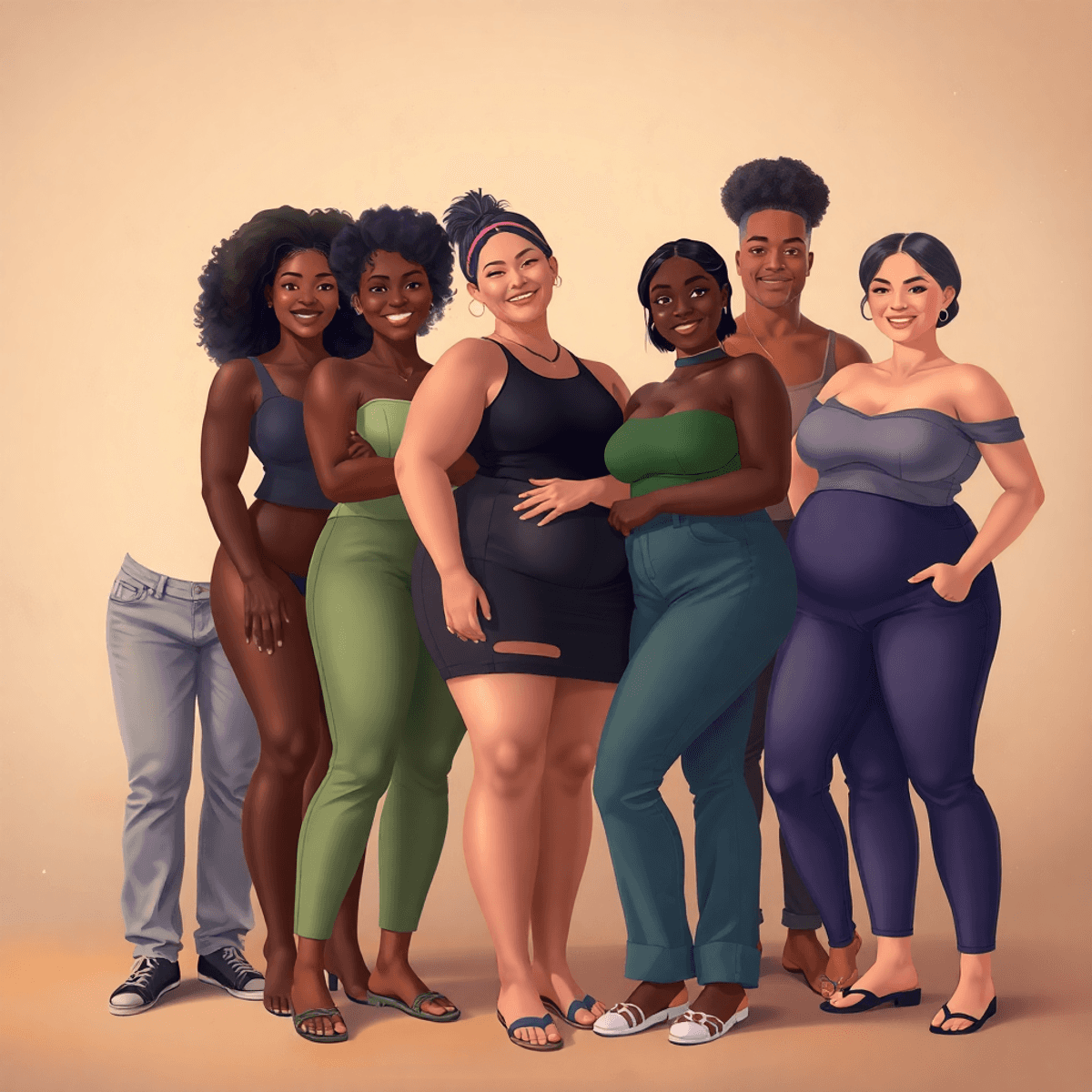
Fine art portraiture captures more than a face—it immortalizes identity, emotion, and presence through artistic expression. Traditionally centered on idealized beauty standards, this genre is evolving to embrace radical inclusivity, a practice that celebrates every body shape without exception.
The movement towards authentic representation in fine art portraiture is not just a statement but a reality. This shift champions body positivity by rejecting narrow ideals and affirming the value of diverse forms as worthy subjects of fine art. Such a transformation is mirrored in the world of boudoir photography, which also emphasizes empowerment and self-acceptance.
Imagine the portrait going to therapy—“Because it had too many layers!” This light-hearted joke hints at the complexity and richness every individual brings to art. Each layer, each curve, each story deserves to be seen and honored in portraiture’s evolving canvas. The emotional preparation involved in such artistic endeavors is akin to that of preparing for a boudoir shoot, where individuals learn to embrace their bodies and express their true selves.
This radical inclusivity also extends to queer-friendly boudoir photography, further broadening the scope of representation within this genre. Just as in music curation and technology, where helpful tips can enhance the experience, so too can understanding and embracing these new perspectives in fine art portraiture.
The Philosophy Behind Inclusivity in Fine Art Portraiture
Inclusivity in fine art portraiture draws deeply from intersectional feminism, a framework recognizing how overlapping social identities—such as race, gender, and body size—shape individual experiences. This approach actively promotes diverse representation by challenging singular narratives that have historically dominated art.
Body positivity plays a crucial role by confronting traditional beauty standards that often exclude or marginalize many body shapes. It encourages acceptance and celebration of all forms, emphasizing that beauty is not confined to narrow ideals. For instance, plus-size boudoir photography offers stunning ideas that celebrate body diversity and confidence. Such styles and themes in boudoir photography exemplify this shift towards inclusivity.
The cultural significance of diverse representation in art lies in its power to validate identities and experiences beyond the mainstream. When you see your body reflected authentically on canvas or photograph, it affirms your worth and existence. It's important to navigate cultural sensitivity in modern intimate photography, respecting diverse identities and ethics while enhancing the art form.
Every body is a work of art. Recognizing this truth means embracing all shapes and sizes—not as exceptions—but as essential parts of the human story worthy of celebration through portraiture. This perspective is beautifully captured in [black and white imagery](<https: data-preserve-html-node="true"//www.misfitslikeme.com/st-louis-erotic-and-boudoir-photography/category/Black+and+White+Imagery+in+Visual+Storytelling>), a powerful tool in visual storytelling. However, it's also vital to consider the legal and ethical aspects involved in such intimate portrayals.
Moreover, it's essential to acknowledge the significant impact of mental health on our perceptions of body image and inclusivity. Understanding this connection can further enhance our approach towards celebrating diversity in fine art portraiture.
Challenging Traditional Norms: Why Size, Shape, and Identity Matter
Traditional art norms have long upheld a narrow vision of beauty, often excluding the rich spectrum of body diversity that exists in reality. For centuries, fine art portraiture favored idealized forms—typically slender, cisgender, and racially homogeneous—leaving many bodies invisible or misrepresented. This exclusion sends damaging messages about who is worthy of being seen and celebrated.
The Impact of Exclusion in Art
- Historical exclusion: Diverse bodies were rarely subjects of classical portraits, reinforcing societal hierarchies and marginalizing many identities.
- Impact on self-esteem: When art reflects only limited ideals, it shapes societal perception and personal self-worth negatively for those who don’t fit the mold.
- Gender identity and color: Including these dimensions exposes viewers to authentic human experiences. Gender identity challenges binary assumptions; skin color highlights cultural richness and combats erasure.
Embracing all sizes, shapes, and identities in portraiture dismantles outdated standards. It asserts that every individual’s story deserves to be told with honesty and respect.
Expanding the Conversation Beyond Fine Art
This perspective is not only relevant in fine art but also in more intimate forms of photography such as boudoir. Tailoring your boudoir session for empowerment and comfort can significantly impact how individuals perceive their bodies. By exploring various settings—studio, home, or outdoor—for stunning photography, we can further challenge traditional beauty norms.
Moreover, incorporating self-care rituals before a boudoir session can enhance the overall experience. It's essential to remember that music also plays a vital role in setting the mood for such sessions. Incorporating specific music preferences can create an environment that fosters comfort and confidence.
The Role of Photographers in Embracing Diversity Through Their Lens
Photographers practicing inclusive photography techniques do more than capture physical appearances. They focus on the energy and spirit of their subjects, revealing layers beyond skin-deep. This approach fosters authenticity in art by honoring each person’s unique presence.
Key methods include:
- Poses tailored to body shapes that highlight strengths without masking individuality.
- Thoughtful use of lighting and framing to create balance, emphasize curves or angles, and maintain natural representation.
- Incorporating accessories such as veils, scarves, or hair framing to boost confidence while preserving the subject’s identity rather than erasing it.
Photographers become powerful agents of social change by fostering respect and understanding. Their work challenges stereotypes and promotes the message: Why Every Body Shape Belongs in Fine Art Portraiture—No Exceptions! This commitment transforms images into tools for empowerment through imagery.
Practical Approaches to Inclusive Fine Art Portraiture Sessions That Celebrate All Bodies Equally Without Exception!
Posing for Diverse Bodies in Photography
Posing for diverse bodies in photography requires intentionality. Tailor poses to each client’s unique shape, emphasizing their natural strengths without forcing conformity to traditional ideals. Encourage movement and posture that feels authentic to them, allowing their confidence to shine through. This aligns with the principles of inclusive practices in photography.
Lighting Techniques for Inclusive Portraiture
Lighting techniques for inclusive portraiture focus on balance between light and shadow. Strategic use of soft light can sculpt form gently, enhancing mood and atmosphere while respecting the individuality of every body type. Experiment with angles that highlight textures and curves artistically rather than masking or exaggerating features.
Prioritizing Client Comfort and Consent During Sessions
Prioritize client comfort and consent during sessions by creating a safe space where boundaries are respected and communication flows freely. Invite clients to voice needs or adjustments at any moment. This environment fosters trust, enabling vulnerability and self-expression essential to powerful fine art portraits. Such an environment is also fundamental when implementing inclusive studio experiences, which can significantly enhance the overall experience for clients.
Incorporating Tips for Boudoir Photography Sessions
To further ensure a successful session, consider incorporating some [tips for boudoir photography sessions](<https: data-preserve-html-node="true"//www.misfitslikeme.com/st-louis-erotic-and-boudoir-photography/tag/Tips+for+Boudoir+Photography+Sessions>). These insights can help in creating a more relaxed atmosphere, ultimately leading to more authentic and empowering portraits.
Creating a Luxurious and Empowering Boudoir Experience
Lastly, when aiming to provide clients with a [luxurious and empowering boudoir experience](<https: data-preserve-html-node="true"//www.misfitslikeme.com/st-louis-erotic-and-boudoir-photography/category/Creating+a+Luxurious+and+Empowering+Boudoir+Experience>), remember that every detail matters. From the choice of props to the selection of outfits, each element should be carefully considered to reflect the client's personality and comfort level.
Intersection with Broader Cultural Movements Towards Equality Through Artistry That Embraces Diversity
Inclusive fine art portraiture resonates deeply with ongoing movements such as the Black Lives Matter movement and LGBTQ+ rights advocacy. These social justice efforts demand visibility and respect for marginalized identities, which inclusive artistry actively supports by representing bodies and stories traditionally excluded from mainstream narratives.
Artists hold a unique power to challenge societal norms through their work. Portraiture that captures diverse body shapes, colors, and gender expressions becomes a platform that promotes real diversity rather than tokenism. This kind of art confronts stereotypes and invites viewers to reconsider preconceived ideas about beauty, identity, and worth.
The responsibility artists bear is not merely aesthetic; it is deeply ethical. Reflecting contemporary social values means embracing inclusivity as a core principle. When artists align their practice with social justice issues in contemporary artistic practice, they contribute to a cultural shift toward equality—making art an active participant in the fight for human dignity and respect.
This extends beyond traditional boundaries of representation. For instance, demystifying the stigma around sex workers is crucial for fostering a more inclusive society. Artists can play a pivotal role in this process by using their medium to challenge misconceptions and celebrate empowerment within the sex work industry.
Differentiating Genres Within Inclusive Artistic Expression Without Compromising Safety or Legal Boundaries
Understanding the differences between erotic art photography and pornography is crucial for respecting clients and maintaining legal compliance, particularly under 18 U.S. Code § 2257. Erotic art photography explores sensuality with aesthetic intention, focusing on beauty and expression without explicit content. Pornography prioritizes explicit sexual acts, which falls outside the scope of fine art.
Boudoir Photography: An Empowering Celebration of Sensuality
Boudoir photography stands apart as an empowering celebration of sensuality. It invites clients to embrace their bodies through tasteful, intimate imagery that highlights confidence and allure rather than overt sexuality. This genre fosters self-love and body positivity, making it a powerful tool for every body shape to be honored.
Incorporating elements such as color palette selection can enhance the aesthetic appeal of boudoir photography. Moreover, this genre also offers therapeutic benefits, helping individuals to build a positive relationship with their bodies.
Artistic Nude Photography: Celebrating Vulnerability and Grace
Artistic nude photography shifts focus toward vulnerability and grace. It captures the human form as a subject of aesthetic admiration—emphasizing lines, light, shadow, and emotion instead of sexual connotation. Every curve, contour, and nuance becomes part of a visual narrative that proclaims: Why Every Body Shape Belongs in Fine Art Portraiture—No Exceptions!
Navigating Genres While Upholding Professional Ethics in Photography
However, it's essential to navigate these genres while adhering to professional ethics in photography. This involves understanding the boundaries of consent, representation, and legal compliance which are paramount in ensuring a respectful and safe artistic environment.
Celebrating Vulnerability And Self-Acceptance Through Portraiture That Honors Every Body Shape!
Fine art portraits are powerful tools that invite us to explore who we are and how we accept ourselves. They create a space where vulnerability in fine art portraits becomes a connection between the subject’s inner thoughts and the viewer’s understanding. This openness encourages self-expression through diverse representation, allowing individuals to share their unique stories through the aesthetics of the human form.
Clients often find strength in embracing their individuality during sessions that focus on artistic intimacy. This process highlights personal narratives beyond physical appearance, recognizing each curve, scar, and shadow as part of a living masterpiece. The camera captures not only posture or pose but also the spirit reflected in every detail.
Seeing oneself authentically represented in art has the power to change us. It challenges deeply ingrained ideals and promotes self-acceptance, reminding us that every body shape deserves celebration and respect. The beauty of human form aesthetics lies in honoring these genuine expressions without alteration or distortion.
Whether through boudoir photography, which explores the empowering art of self-expression and captures confidence tailored to individual comfort levels, or other forms of fine art portraiture, the power of art becomes a catalyst for self-acceptance.
Conclusion
Embracing radical inclusivity in fine art portraiture transforms how we see both art and ourselves. Empowerment through representation breaks down barriers, inviting every body shape into the spotlight—no exceptions. This practice enriches society by celebrating diversity, fostering acceptance, and challenging outdated norms. Each portrait becomes a testament to the beauty of authenticity and the power of visibility.
Remember, if you ever feel out of place—just strike a pose. After all, even statues started as lumps of clay!
FAQs (Frequently Asked Questions)
What is the importance of representing every body shape in fine art portraiture?
Representing every body shape in fine art portraiture is crucial for promoting body positivity and radical inclusivity. It challenges traditional beauty standards, celebrates diversity, and affirms that every body is a unique work of art worthy of recognition and celebration.
How does intersectional feminism influence inclusivity in fine art portraiture?
Intersectional feminism plays a vital role by addressing multiple aspects of identity such as gender, race, and body size simultaneously. It encourages artists to embrace diverse representations in their work, ensuring that fine art portraiture reflects the complexity and richness of all individuals' experiences.
What techniques do photographers use to authentically capture diverse body shapes?
Photographers employ inclusive photography techniques like tailored posing, balanced lighting (light and shadow), and thoughtful framing to flatter various body shapes while maintaining authenticity. They may also use accessories such as veils or hair framing to enhance confidence without erasing individuality.
How does inclusive fine art portraiture intersect with broader social justice movements?
Inclusive fine art portraiture aligns with movements like Black Lives Matter and LGBTQ+ advocacy by using art as a platform to challenge societal norms and promote real diversity. Artists have a responsibility to reflect contemporary social values, fostering respect, understanding, and equality through their work.
What distinguishes erotic art photography from pornography within inclusive artistic expression?
Erotic art photography focuses on celebrating sensuality with empowerment and respect for clients, adhering to legal boundaries such as 18 U.S. Code § 2257. Unlike pornography, it emphasizes artistic intention, vulnerability, grace, and client consent rather than explicit sexual content.
How can fine art portraiture empower self-acceptance and vulnerability?
Fine art portraits invite dialogue on identity by encouraging clients to embrace their unique forms through artistic intimacy. This process fosters vulnerability and self-expression, allowing individuals to see themselves authentically represented in art and experience transformative empowerment through acceptance.