'That’s Not Me': Avoiding Cookie-Cutter Poses in Personalized Sessions
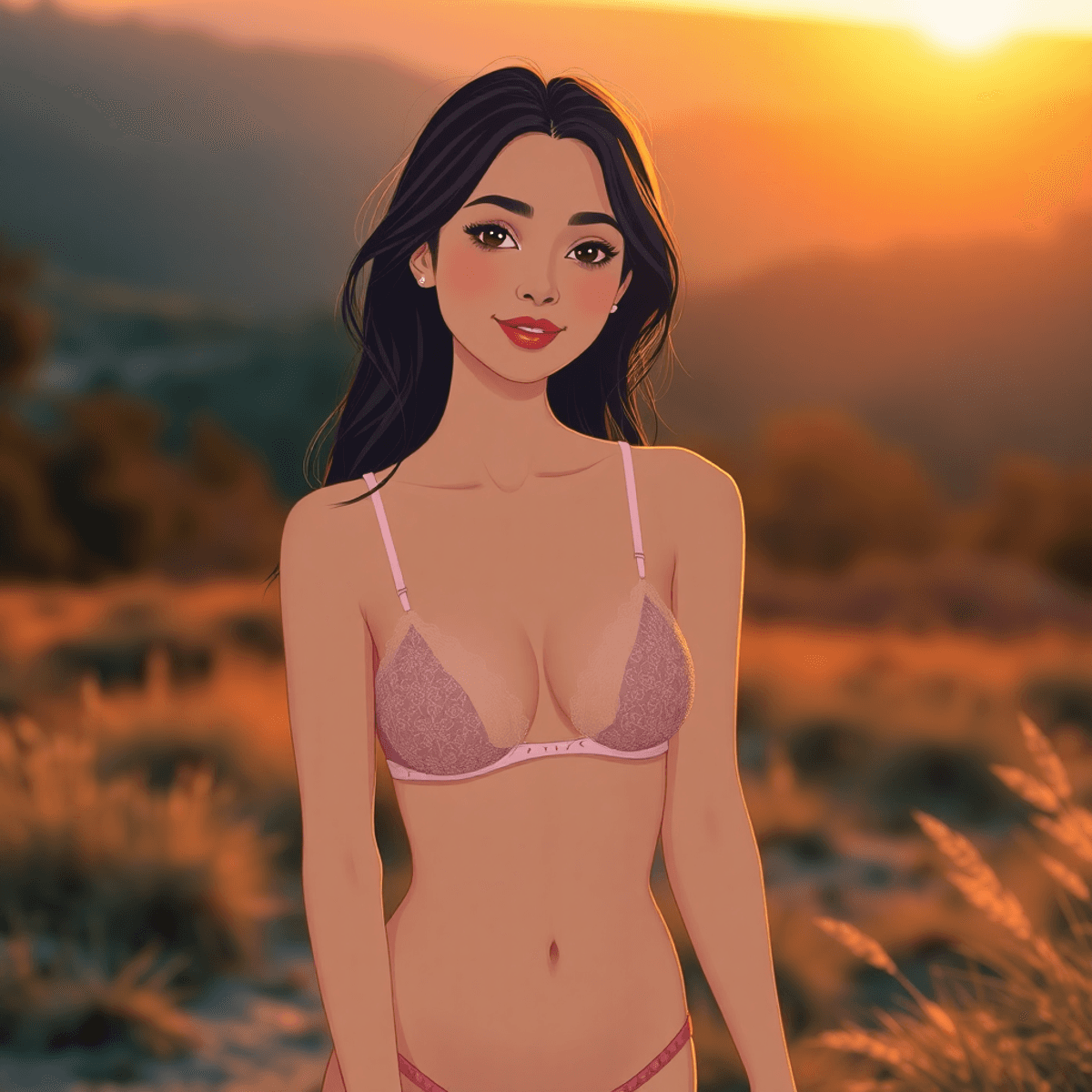
Cartoon-style portrait of a woman outdoors at golden hour, posing naturally in lingerie with soft light, surrounded by a peaceful, warm environment.
"That’s Not Me": Avoiding Cookie-Cutter Poses in Personalized Sessions* addresses a common challenge in photography—relying on generic, repetitive posing that strips images of individuality. Cookie-cutter poses often result in portraits that look staged and impersonal, failing to capture the unique essence of each client.
Personalized photo sessions demand authenticity. When you prioritize genuine expression over formulaic positioning, you create authentic portraits that resonate deeply with clients. Authenticity builds trust and connection, transforming a simple photoshoot into a meaningful experience.
Key points to consider:
- Cookie-cutter poses limit creativity and client comfort.
- Authenticity reveals the true personality behind the lens.
- Avoiding generic poses elevates both client satisfaction and image quality.
This article explores how breaking away from standard posing enhances your work and honors your clients’ individuality. Incorporating elements such as music into personalized sessions can further enhance authenticity and comfort, allowing clients to express their true selves more freely.
Understanding the Problem with Cookie-Cutter Poses
Cookie-cutter poses lead to uniform images that lack individuality. When photographers rely on the same set of standard poses across sessions, the resulting photographs often appear repetitive and impersonal. This approach strips away the uniqueness of each client, reducing diverse stories and personalities to a single visual formula.
Clients frequently experience an emotional disconnect when posed in generic ways. The absence of authentic interaction or natural expression creates a barrier between the subject and the image. Instead of feeling seen and represented, clients may feel like mere props arranged according to a checklist rather than collaborators in creating meaningful portraits.
Common photography genres where cookie-cutter posing is prevalent include:
- Engagement Photography: Couples are often positioned in similar embraces or gazes that have become clichés, making it difficult for their true connection to shine through.
- Boudoir Photography: Standardized poses focused on typical angles can overlook personal comfort and sensuality, undermining the empowering intent behind intimate sessions. This genre is meant to celebrate individuality and self-expression, but cookie-cutter poses can diminish that experience.
- Corporate Headshots: Strict posing conventions can result in stiff, uninspired portraits that fail to convey individual character or approachability.
This repetition not only diminishes the visual impact but also weakens client satisfaction. When subjects see themselves portrayed as disconnected figures rather than authentic individuals, the emotional value of the photographs decreases dramatically. It's crucial for photographers to move away from these standardized poses and instead focus on capturing the unique essence of each individual.
The Value of Personalized Sessions
Tailored posing is more than just a technical adjustment; it’s a commitment to capturing who your client truly is. Every individual brings a unique personality, background, and life story to the session. Recognizing this diversity ensures that your images reflect authenticity rather than a one-size-fits-all approach.
Understanding Each Client’s Unique Personality and Story
Listening actively during consultations helps you grasp what makes your client tick—their passions, insecurities, strengths, and quirks. These insights inform pose choices that feel natural rather than forced. For example, a shy client might prefer subtle gestures and softer expressions, while someone with exuberant energy may shine in bold, dynamic poses.
Fostering Genuine Emotion and Natural Interaction
When you create an environment where clients feel comfortable and safe, their true emotions emerge. This can mean shifting away from stiff, rehearsed positions toward moments where laughter, tenderness, or introspection flow freely. Such emotional honesty elevates portraits beyond mere images into storytelling tools that resonate deeply.
Photographer-Client Collaboration for Meaningful Portraits
Engaging clients as active participants rather than passive subjects builds trust and encourages experimentation. Encourage them to share pose ideas or express discomfort with certain suggestions. This collaboration results in portraits that honor their identity while showcasing your creative vision.
Prioritizing client comfort throughout the session allows authentic expression to flourish naturally. The process becomes less about imposing standard poses and more about discovering movements and looks that truly belong to your subject. Photographers who embrace this mindset produce work with emotional depth and individuality that cookie-cutter sessions simply cannot achieve.
This approach is especially relevant in boudoir photography, where understanding the client's comfort level and personal story can lead to more intimate and revealing portraits. Such personalized sessions not only empower clients but also create a luxurious experience that they will cherish forever.
Incorporating Client Identity and Preferences
Capturing authentic portraits means embracing the full spectrum of client identity. Recognizing each individual's unique background, preferences, and boundaries is essential to avoid the pitfalls of generic posing. Your approach should prioritize comfort level and boundary respect, especially when working with diverse communities such as LGBTQIA+, kink-friendly clients, or other marginalized groups.
Techniques for Learning About Clients’ Backgrounds and Preferences
- Pre-session consultations offer a vital opportunity to ask open-ended questions about your client’s identity, interests, and what makes them feel comfortable in front of the camera.
- Utilize intake forms tailored to gather specific information on pronouns, gender expression, sexuality, cultural or religious considerations, and any topics your client wants to explore or avoid.
- Encourage honest dialogue about past photography experiences—what worked or didn’t work—to better tailor your session approach.
- Show openness by sharing your own studio’s values around inclusivity and safety; this builds trust and helps clients feel seen beyond surface-level stereotypes.
Adjusting Poses to Fit Comfort Zones and Personal Style
Cookie-cutter poses often ignore how different bodies communicate personality. Instead:
- Observe body language closely during early moments in the session. Is your client relaxed, shy, playful? Let their natural demeanor guide posing choices.
- Offer multiple pose options but allow clients to veto any that feel forced or uncomfortable. Posing should be a collaborative process, not a rigid checklist.
- Adapt cues subtly—if a traditional hand-on-hip feels too posed for someone who prefers softness, suggest gently resting hands instead or layering arms for a more intimate feeling.
- Respect varying comfort levels around skin exposure or physical touch. Some clients may want bold sensuality; others might prefer implied nudity or conservative coverage.
- Use props, clothing changes, or setting adjustments that resonate with your client’s style. These elements enhance authenticity and help break away from cookie-cutter templates.
Balancing Openness with Safety and Legal Compliance
Your studio must maintain strict adherence to legal frameworks while fostering an environment of radical inclusivity:
- Understand the legal frameworks surrounding erotic photography thoroughly—documenting age verification for all adult participants is mandatory in these contexts. More information on this can be found here.
- Clearly communicate these legal boundaries upfront without diminishing creative freedom. Transparency about what can be captured safely preserves trust.
- Set firm policies around content deletion. Once explicit images are recorded under compliance laws, they cannot be erased arbitrarily; this protects everyone involved.
- Prioritize safety protocols alongside openness: no physical contact beyond what is consensual and pre-agreed upon; no activities that risk injury or distress; maintain professional boundaries at all times.
- Train yourself and team members to recognize when a client’s limits approach these legal or ethical lines and be prepared to decline requests that compromise well-being.
Respecting client identity means more than just avoiding stale poses—it requires active listening, thoughtful adaptation of techniques, and unwavering commitment to safety within inclusive practices.
These steps ensure every portrait session becomes a personalized experience where the final images truly reflect who your clients are—not just how they look.
Diverse Settings and Creative Approaches to Posing
Creating portraits that resonate on a personal level involves more than just posing—it requires thoughtful integration of environment, light, and wardrobe to tell your client’s unique story.
1. Varied Locations
Using varied locations injects life and context into images, moving beyond static studio backdrops. Consider spaces that hold significance for the client, whether it’s a favorite park, a cozy urban café, or an industrial loft. These settings provide dynamic environments that interact with your subject naturally, adding layers of meaning to the photos.
2. Lighting Techniques
Lighting plays an essential role in shaping mood and enhancing emotion. Techniques such as shooting during the golden hour, when natural light is soft and warm, can create a flattering glow and timeless atmosphere. This kind of lighting complements skin tones beautifully and adds depth to images without heavy reliance on artificial sources. Experimenting with shadows and highlights further deepens the storytelling aspect by emphasizing textures and contours that reflect your client’s personality.
3. Wardrobe Diversity
Wardrobe diversity ties directly into how clients express different facets of themselves through visual cues. Encouraging multiple outfit changes allows you to capture a broader spectrum of their identity—from casual comfort to bold statements or intimate styles. Each wardrobe shift offers new opportunities for varied posing and emotional tone, helping avoid repetitive imagery that feels staged or impersonal. Attention to clothing details—like fabric texture, color palette, and accessories—enhances the overall aesthetic while honoring client preferences.
4. Incorporating Additional Elements
Incorporating elements like black and white imagery into your work can also add depth and a timeless quality to the portraits. Selecting locations aligned with client hobbies or lifestyle enriches authenticity. Incorporating natural elements such as foliage or urban architecture adds visual interest. Utilizing window light or diffused sunlight indoors creates gentle highlights without harshness. Planning wardrobe changes around session themes supports narrative flow. Advising clients on outfit choices ensures alignment with their comfort zones and session goals.
These creative approaches foster a collaborative environment where you tailor each element—setting, light, wardrobe—to fit the individual rather than forcing them into pre-set poses or clichés. The result is photography that speaks directly to who they are in multiple dimensions, not just a single snapshot moment.
Blending Candid Moments with Editorial Style
Combining documentary photography with editorial techniques creates a dynamic visual narrative that feels both authentic and polished. This hybrid approach brings out the best in personalized sessions by capturing spontaneous expressions alongside thoughtfully composed images.
Benefits of Mixing Candid Shots with Planned Editorial Poses
- Natural storytelling: Candid moments reveal genuine emotions, gestures, and interactions that scripted poses often miss. These fleeting instances add depth and personality to your portfolio.
- Variety and balance: Editorial poses provide structure and aesthetic appeal, while candid shots introduce unpredictability and life. Together, they form a well-rounded collection that resonates with clients.
- Client comfort: Clients often relax more when not confined to rigid posing, allowing their true selves to emerge naturally. This can lead to more compelling and relatable portraits.
Coaching Clients for Natural Interactions
Avoid instructing clients into stiff or overly contrived positions. Instead, guide them gently toward natural movements:
- Encourage small actions like walking slowly, adjusting clothing, or sharing a private smile with a partner.
- Use open-ended prompts such as “Think about a happy memory” or “Look at something that makes you laugh,” which inspire spontaneous reactions.
- Demonstrate poses yourself subtly to model relaxed body language without making clients self-conscious.
This coaching style fosters ease and authenticity rather than tension or forced smiles.
Capturing Authentic Emotions Alongside Polished Aesthetics
Authenticity does not mean sacrificing visual refinement. It is possible to blend raw emotion with editorial sensibilities by:
- Timing shots to catch genuine laughter, thoughtful glances, or subtle shifts in posture within carefully framed compositions.
- Utilizing lighting setups that enhance mood without overpowering the subject’s natural expression.
- Applying selective focus to highlight emotional intensity while maintaining an artistic feel.
This balance respects the client’s personality and story while elevating the final imagery beyond snapshot quality.
Blending candid spontaneity with editorial control transforms sessions into immersive experiences where clients feel seen as individuals—not just subjects posed for the camera. This method deepens connection and results in portraits rich with life and meaning.
Avoiding Genre Confusion While Embracing Inclusivity
In personalized sessions, recognizing and respecting genre distinctions is fundamental. Clients come with unique visions and expectations shaped by their understanding of erotic art photography, boudoir photography, and fetish photography. Clarifying these differences upfront avoids misunderstandings and ensures the final images align with the client’s intent.
Understanding the Different Genres
Understanding these categories helps photographers tailor sessions appropriately. It also fosters trust by showing clients they are seen beyond stereotypes or assumptions—essential to the ethos behind “That’s Not Me”: Avoiding Cookie-Cutter Poses in Personalized Sessions.
1. Erotic Art Photography
Focuses on the artistic representation of intimacy and sensuality without explicit content. It emphasizes aesthetic beauty, mood, and emotional depth. This genre allows for exploration of desire through subtlety, light, shadow, and form while maintaining a respectful boundary that differentiates it from pornography.
2. Boudoir Photography
Celebrates sensuality and personal empowerment in an intimate setting. Often soft-spoken and alluring, boudoir sessions may include implied nudity or voyeuristic elements but avoid overtly sexual or fetishistic props. The emphasis lies in making clients feel confident and beautiful, capturing vulnerability alongside strength. Notably, plus size boudoir photography has emerged as a powerful medium for body positivity and self-love.
3. Fetish Photography
Explores unconventional sexual expressions, aesthetics, rituals, and power dynamics. Sessions often involve specific gear or props such as bondage items, latex outfits, or kink accessories. Fetish photography requires enhanced communication to respect boundaries and consent while authentically portraying client preferences.
Creating a Safe Space That Welcomes Diversity
Radical inclusivity is more than a buzzword; it’s a commitment to honoring all identities and expressions without compromising professionalism. You create safety by:
- Listening actively to client needs regarding gender identity, sexual orientation, cultural background, and personal comfort levels.
- Respecting privacy through confidentiality agreements and secure handling of sensitive images.
- Implementing clear boundaries that ensure no pressure is placed on clients to perform or pose outside their comfort zone.
- Using inclusive language during consultations and shoots to affirm client identities.
Such practices encourage openness while maintaining a professional environment where all individuals feel respected. Inclusivity does not mean erasing genre lines but rather expanding your capacity to serve diverse preferences thoughtfully.
Ethical Considerations in Image Presentation and Privacy
Ethics govern how images are captured, edited, stored, and shared—especially when dealing with intimate or explicit content. Photographers must adhere to certain professional ethics standards which include:
- Obtaining informed consent covering image use rights before the session begins.
- Clarifying any restrictions on publication, social media sharing, or third-party distribution.
- Complying strictly with legal requirements such as *18
Practical Tips for Photographers to Avoid Cookie-Cutter Poses
Avoiding cookie-cutter poses requires a thoughtful approach centered on customized posing guidance, client collaboration, and spontaneous direction. These elements combine to create images that feel authentic and unique to each individual.
Active Listening During Pre-Session Consultations
Pre-session consultations are your opportunity to learn about the client’s personality, comfort levels, and vision. Practice active listening by:
- Asking open-ended questions about their interests, style preferences, and any insecurities they want to address.
- Taking notes on their body language when discussing poses or themes.
- Clarifying ambiguous responses with gentle follow-up questions.
This detailed understanding forms the foundation for tailoring your posing strategies. When clients feel heard, they are more likely to relax and open up during the shoot.
Offering Pose Prompts Tailored to Body Language and Personality
Instead of relying on preset pose lists, adapt your prompts based on the client's natural movements and expressions. For example:
- If a client tends to be shy or reserved, suggest subtle gestures like softly tilting the head or gentle hand placements rather than bold stances.
- For expressive clients, encourage expansive arm movements or playful interactions with props.
- Observe micro-expressions and shift posing suggestions accordingly—sometimes a slight smile or gaze change can transform the mood.
Customized posing guidance ensures that each shot reflects the client’s true self instead of forcing them into generic molds.
Allowing Room for Improvisation During Shoots
A rigid shooting plan limits opportunities for genuine moments. Build flexibility into your workflow by:
- Encouraging spontaneous movement between posed shots—walking, laughing, shifting weight—to capture candid gestures.
- Reacting in real-time to unexpected expressions or interactions, which often produce the most compelling portraits.
- Using minimal direction during these moments to maintain authenticity while gently guiding composition.
Improvisation lets you harness the energy of the session and produces a richer variety of images that avoid repetitiveness.
By combining active listening with personalized pose prompts and openness to improvisation, you create an environment where clients feel validated and free to express themselves. This approach moves photography beyond formulaic patterns into a space where every portrait is distinctively theirs.
Benefits for Clients Receiving Personalized Portraits
Personalized portrait sessions offer more than just images; they provide a powerful avenue for self-expression. When you engage in a session tailored specifically to your personality and story, the experience naturally fosters confidence and self-acceptance. This happens because the session reflects who you truly are, rather than imposing generic poses that might feel uncomfortable or disconnected from your identity.
Boosting Confidence and Self-Acceptance
- Personalized posing encourages you to embrace your unique features and quirks.
- Being seen and represented authentically during the session reinforces positive self-image.
- Clients often report feeling empowered as they witness themselves through the photographer’s authentic lens.
- The atmosphere of respect, safety, and inclusivity nurtures vulnerability without fear of judgment.
Such sessions can act as a mirror, reflecting not just your appearance but your inner strength and individuality. This connection between subject and image is difficult to replicate with cookie-cutter approaches.
The Transformative Nature of Intimate Sessions
Intimate photography goes beyond mere aesthetics. It explores identity in ways that are deeply personal and revealing.
- Sessions tailored to your comfort zones allow exploration of facets of yourself that may otherwise remain hidden. For instance, boudoir sessions can be customized to maximize comfort while still delivering stunning results.
- The process can challenge internalized stereotypes or insecurities by presenting you in a light that celebrates your true self.
- Experiencing this transformation can be an emotional journey that redefines how you relate to your body and presence.
This transformative effect is especially profound when the photographer understands and honors your unique background, preferences, or community affiliations. It turns the session into a collaborative storytelling experience rather than a simple photo shoot.
Creating Heirloom-Quality Images That Reflect You
Portraits created from personalized sessions become more than photographs—they become treasured keepsakes.
- These images capture moments filled with genuine emotion, making them heirloom-quality pieces.
- Clients receive portraits that resonate with their identity, allowing them to cherish these visual stories for years.
- Such portraits often serve as reminders of personal growth, empowerment, or milestones in life.
The difference lies in authenticity: an image that feels like you holds emotional weight far beyond staged or formulaic photos. They become artifacts of self-expression, empowering clients every time they look at them.
Embracing Body Positivity Through Personalized Portraits
In the realm of intimate photography, there's a growing recognition of the importance of body positivity. Personalized boudoir sessions can serve as a powerful
Conclusion
Embracing a client-centered approach means stepping away from cookie-cutter poses and celebrating the individuality of each person who sits in front of your camera. Your commitment to authenticity in photography transforms sessions into deeply personal experiences rather than generic photo shoots.
Consider these key principles to enrich your work:
- Respect uniqueness: Tailor every pose and setting to reflect the client’s true self, their story, and their comfort level. This includes understanding the importance of creating a safe space where they feel comfortable expressing themselves. Avoid imposing standard templates that erase personality.
- Foster genuine connection: Build trust through active listening and collaboration. This connection allows natural emotion and spontaneity to flourish, resulting in images that resonate on a profound level. Such authentic interactions are crucial in creating inclusive studio experiences that honor diverse identities.
- Prioritize personalization: Use insights gained during consultations to craft sessions that honor diverse identities and preferences, enhancing client satisfaction and confidence. This is especially important when exploring different styles and themes in boudoir photography, which can vary significantly from one individual to another.
Photography becomes more than capturing an image; it becomes a vessel for expression and empowerment. When you shift focus from replicating tried-and-true poses to creating something unique for each individual, you elevate your craft—and your clients’ experience—to new heights.
That’s Not Me is more than a phrase; it’s a call to action for photographers striving to avoid the trap of generic posing. By championing authenticity and personalization, you don’t just take pictures—you create portraits that truly belong to your clients. Emphasizing the power of art in photography, you can transform mere photos into powerful narratives that resonate with viewers and empower subjects.
FAQs (Frequently Asked Questions)
What are cookie-cutter poses and why should they be avoided in personalized photo sessions?
Cookie-cutter poses refer to repetitive, generic poses that lack individuality and emotional connection. They often result in uniform images where subjects appear disconnected from the photograph. Avoiding such poses is crucial in personalized photo sessions to enhance authenticity, client satisfaction, and overall image quality.
How do personalized photo sessions improve the authenticity of portraits?
Personalized photo sessions focus on understanding each client's unique personality and story. By tailoring posing to the individual's comfort level and preferences, photographers can foster genuine emotions and natural interactions. This collaboration results in authentic portraits that truly reflect the subject's identity.
What techniques can photographers use to incorporate client identity and preferences into their posing?
Photographers can learn about clients' backgrounds and preferences through active listening during pre-session consultations. This includes respecting diverse identities such as LGBTQIA+ or kink-friendly clients, adjusting poses to fit comfort zones, and balancing openness with safety and legal compliance (e.g., 18 U.S. Code § 2257). Such approaches ensure that posing aligns with the client's personal style and boundaries.
How can diverse settings and creative approaches enhance personalized portrait sessions?
Utilizing varied locations, dynamic environments, and lighting techniques like golden hour can significantly enhance storytelling within portraits. Encouraging multiple outfit changes allows clients to showcase different facets of their personality, making the session more engaging and reflective of their true selves.
What is the importance of blending candid moments with editorial style in photography?
Blending candid shots with planned editorial poses combines spontaneity with polished aesthetics. Coaching clients for natural interactions helps avoid stiff positioning, enabling photographers to capture authentic emotions alongside refined composition. This approach enriches the narrative quality of portraits.
How can photographers maintain professionalism while embracing inclusivity in different photography genres?
Photographers should clarify distinctions between genres like erotic art, boudoir, and fetish photography to honor client expectations accurately. Creating a safe space that welcomes diverse identities without compromising professionalism involves ethical considerations regarding image presentation and privacy. This balance supports radical inclusivity while maintaining respect for all clients.